The Best Places to Visit in Vietnam
Vietnam is one of the most sought-after destinations for backpackers, and just travelers in general. The country is a South-east Asian hotspot for cheap travel, fun-filled activities and great food. The country features breathtaking nature from north to south, as well as ancient temples, statues and historical locations. You could spend months on end in Vietnam and not run out of things to do and places to see. There is endless opportunities to meet other travelers, and everywhere is filled with vibrant streets and activity.
Capital: Hanoi
Currency: Vietnamese Dong
Language: Vietnamese
When to visit: October to April (Dependent on North/South)
1) Hanoi
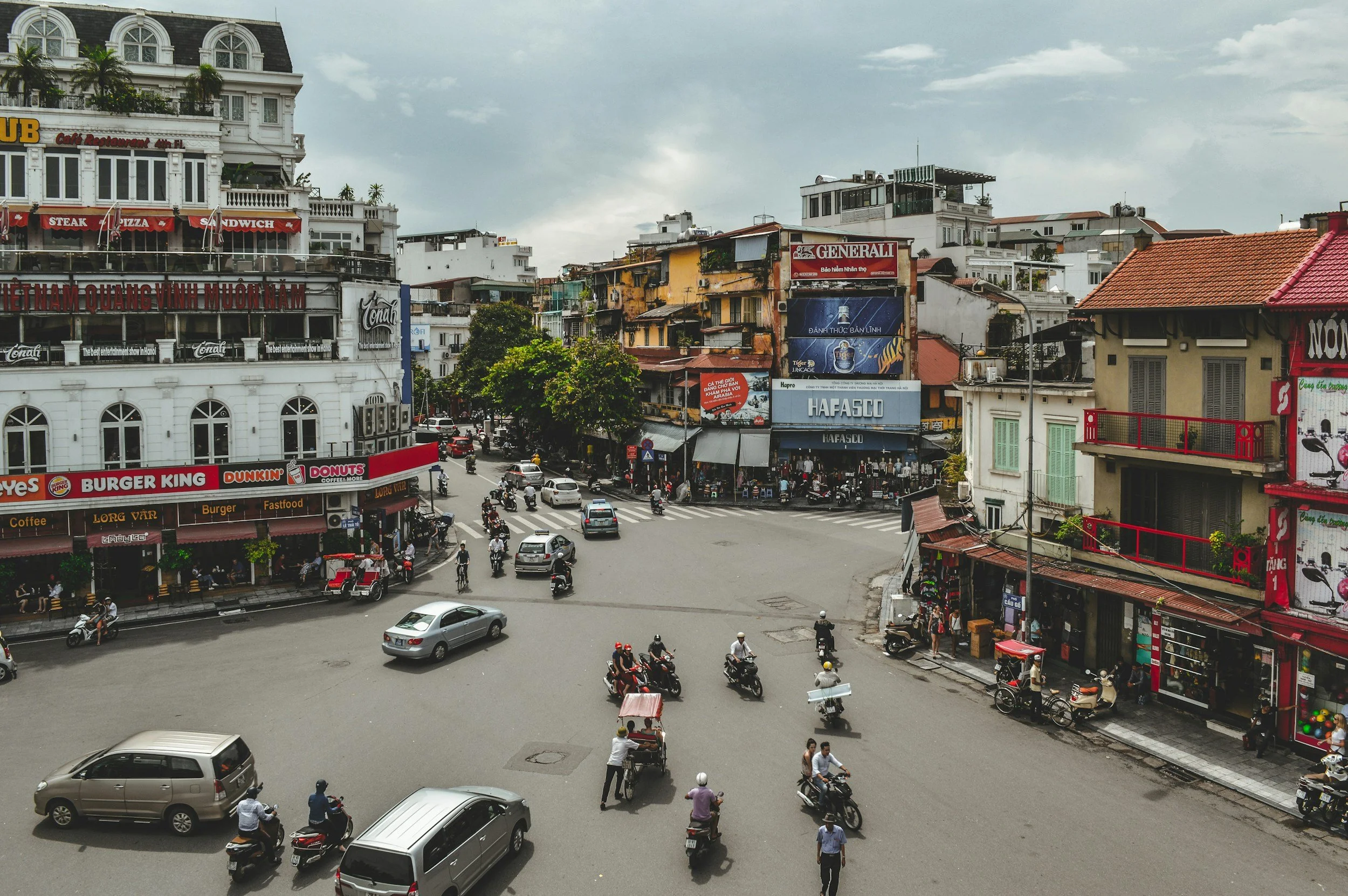
Hanoi, the nation's capital and the hub of Vietnamese politics and culture, is situated in the country's north. For travelers of all types, Hanoi offers a wealth of tradition, history, and experiences. There are some famous locations, excellent hostels, and a blend of commotion and tranquility. It is also an excellent starting point for a comprehensive exploration of Vietnam's north.
Things to do:
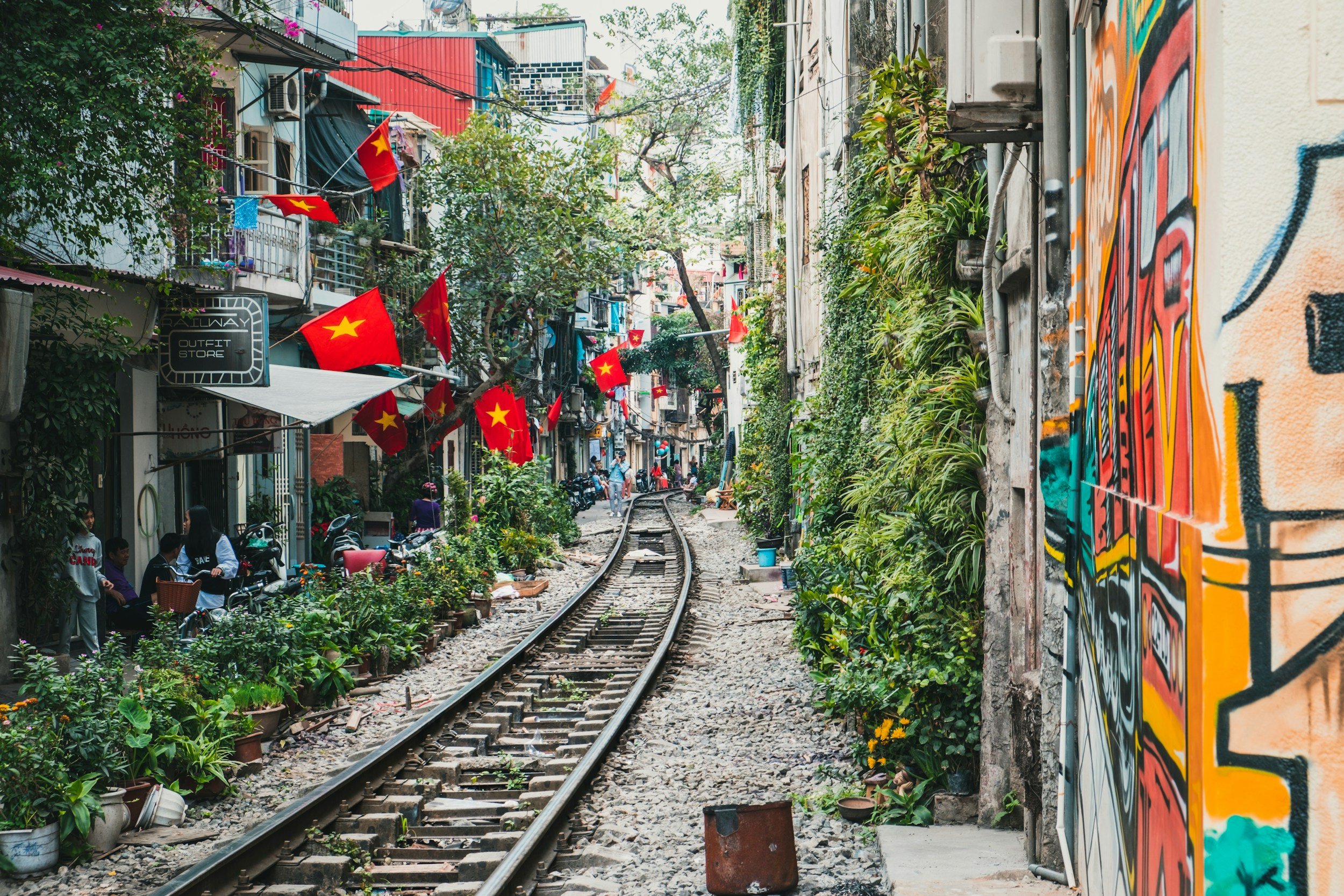
Make sure to visit the Old Quarter of Hanoi, it consists of 36 streets and is full of life and experience. Ngoc Son Temple is a nice one to visit, but it can get crowded depending on the day. It is surrounded by Hoàn Kiếm Lake. Obviously, you can’t miss Train Street as well, and St. Joseph Cathedral is a location to visit if you want to see some gothic architecture in Hanoi too.
How to get there:
Nội Bài International Airport (HAN) is the main airport of Hanoi. International flights arrive here from all around the world.
Vietnam is connected by train to other cities like HCMC, Đà Nẵng and Huế.
Bus options connect other cities and towns but are slower.
2) Ha Giang loop
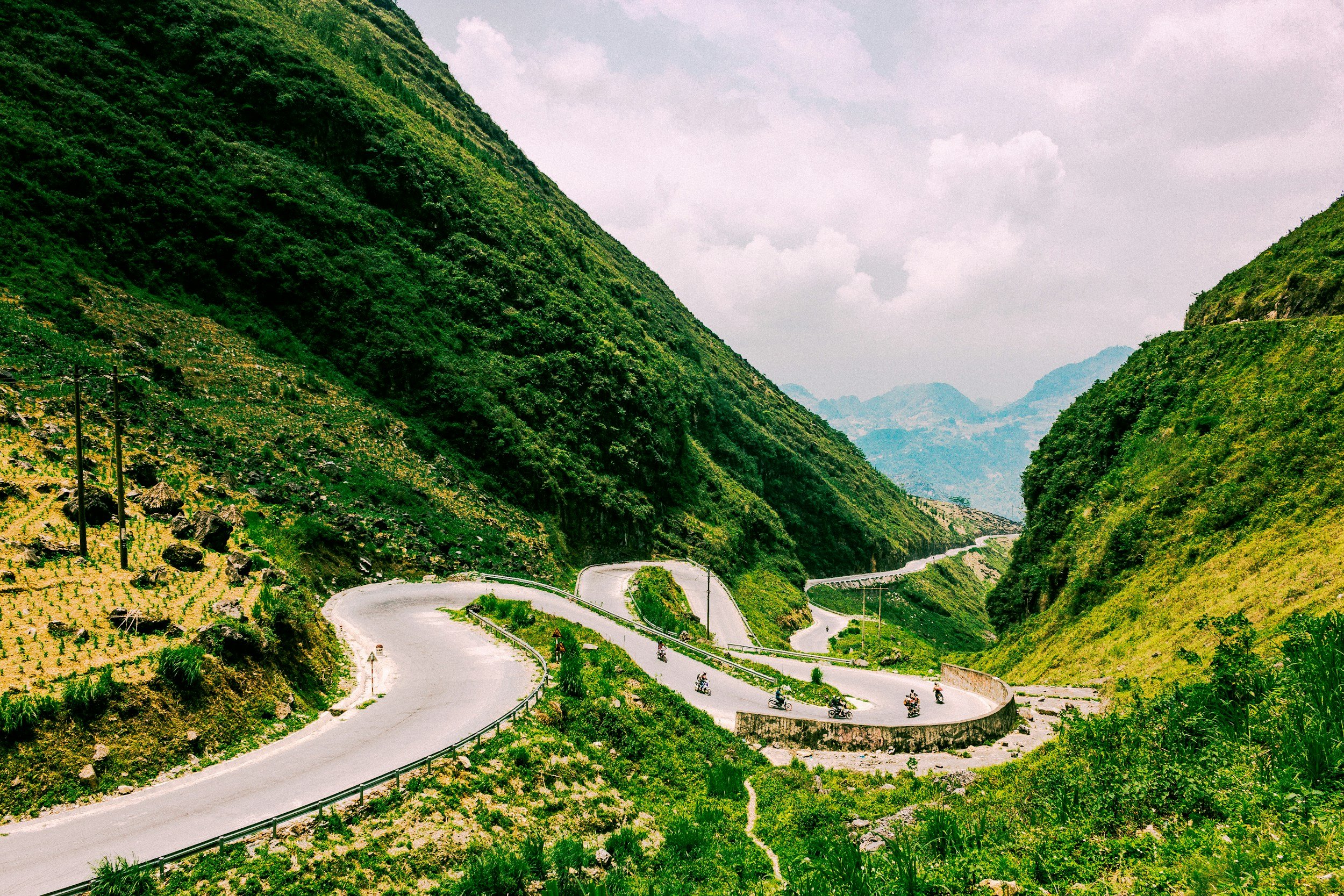
The Ha Giang Loop is Vietnam’s most famous, most enriching, and most breathtaking experience. It typically takes between 3 to 5 days, and you pass through dramatic landscapes and little villages, where you get to experience authentic Vietnamese culture. It is completed on a motorbike, and there is an option to drive yourself or ride on the back of the bike with an experienced local driver. Most people who have been to Vietnam will tell you it’s by far the best experience they did whilst there. It’s recommended you have at least some riding experience and are prepared to endure being seated and focused for long periods of time over consecutive days.
What you’ll see:
During your experience, you’re going to drive straight through stunning limestone peaks, vast rice fields, and beautiful windy roads which stretch through valleys and rocky plateaus. You are bound to stop at any of the various settlements, where many kinds of ethnic minorities live and grow.
How to get there:
The loop starts in Hà Giang City. To get here, you need to take a bus from any of the major stations in Hanoi. It takes about 6-7 hours.
From Hà Giang City, transport and guidance is arranged through tour companies. You can find recommended companies online.
3) Ho Chi Minh City
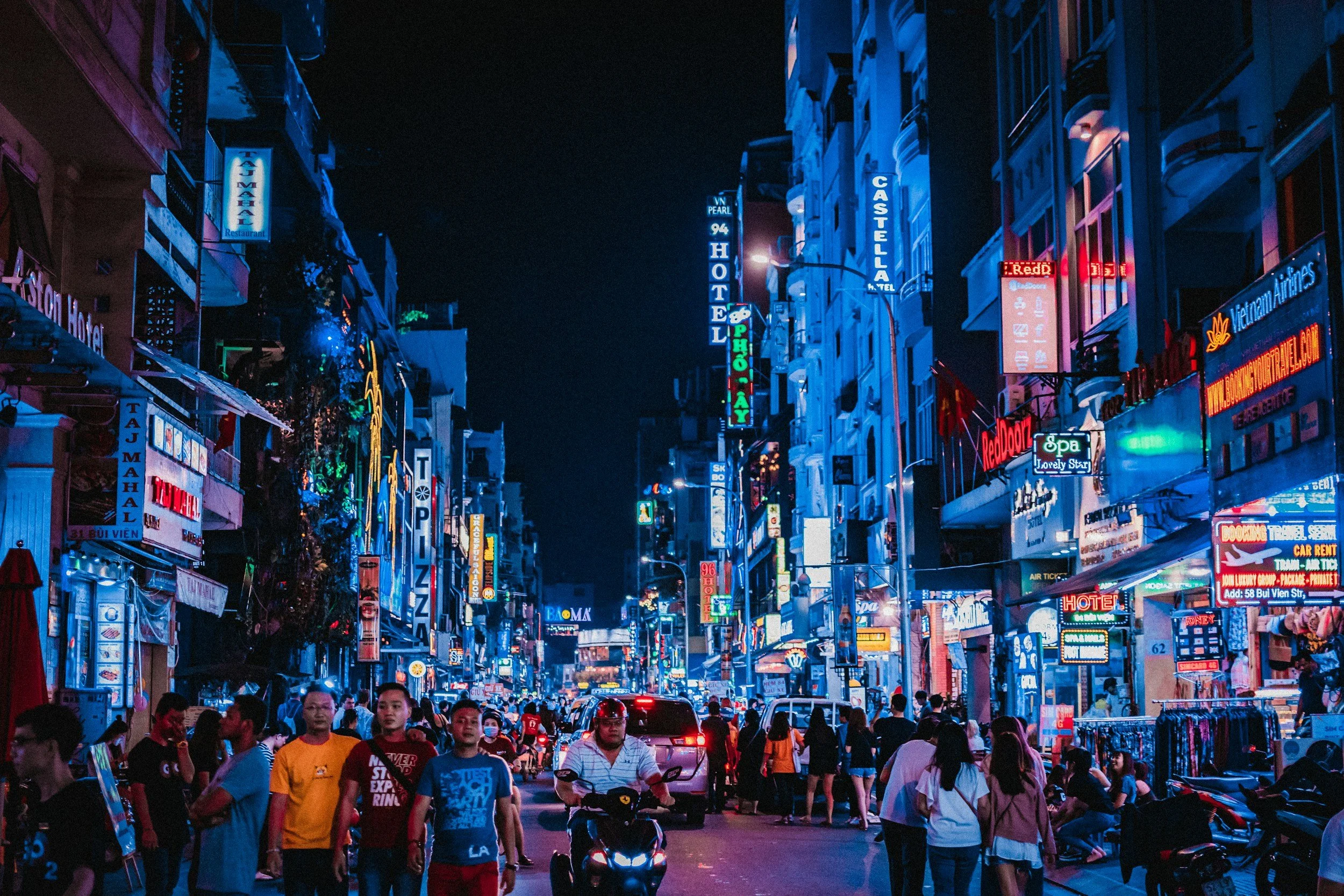
Ho Chi Minh City (HCMC) is Vietnam’s largest city with a population of almost 10 million. While it’s not Vietnam’s capital, it is the economic and financial center of the country, which becomes clear to you after you see all the high rise skyscrapers and bustling streets. It’s a fast paced city with heavy traffic and active nightlife. It appears to most as Hanoi’s opposite counterpart. You’ll find a modern feel in HCMC, as well as lots of food options.
Things to do:
Go to Ben Thanh Market, one of the countries most famous markets - you can haggle here. You can visit all the different districts like Chinatown and Japan Town. If you want more French colonial architecture, there is a Notre-Dame Cathedral in the city. Bui Ven Street is the best nightlife hub, and its a great place for young backpackers and travelers. HCMC is always busy and you can always find a new area to walk through and explore.
How to get there:
Tan Son Nhat International Airport (SGN) is the cities main airport. Most flights come from all around Asia, and domestic within Vietnam.
You can take a sleeper train from Hanoi, but it takes f**king forever (40 hours). There are closer cities like Da Nang and Hue.
You have the option to bus from nearby cities/towns instead of train, but it is slower and less comfortable.

4) Ha Long Bay
Ha Long Bay is a UNESCO World Heritage site about 100km east of Hanoi. The name in English means ‘Descending Dragon Bay,’ as legends say that dragons created the islands to protect Vietnam from outsiders. Ha Long Bay is an ethereal location where you’ll find caves, lagoons, beaches and even insane floating fishing villages. The natural wonders here are incredible. Most people take a day trip here, but if you want to experience it PROPERLY, then you should do a multiple day cruise - its a lot cheaper than a cruise you’d find anywhere else in the world. Just make sure you book the right one and have an authentic experience.
Things to do:
Make sure you kayak through and around all the islands, and swim in the emerald green water.
Hike ‘Bai Tho Mountain’ for excellent views.
How to get there:
Van Don International Airport (VDO) is Ha Long’s airport. It handles mainly domestic flights.
Most people bus to Ha Long city from Hanoi, which is a common route.
5) Da Nang
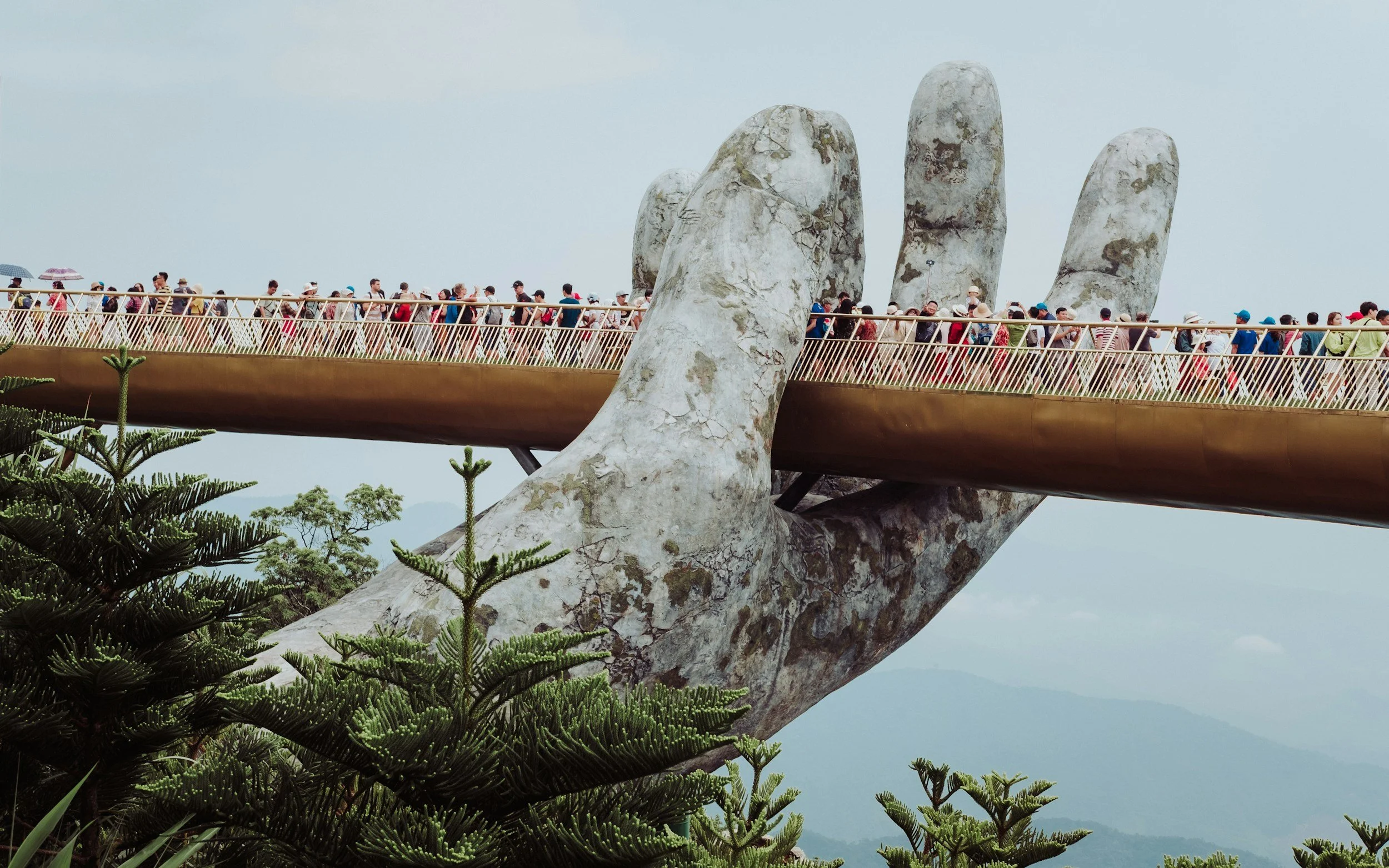
Da Nang is Vietnam’s best base when exploring the central areas of the country. The city itself is coastal and modern, and has a population of ~1.2 million. The beach itself is really nice, and really good for swimming. There are so many notable landmarks worth visiting nearby, and it is a bit more slow-paced than the other two big cities mentioned earlier.
Things to do:
Da Nang is the spot to stay if you want to see the iconic Golden Bridge, the bridge being ‘held up’ by the giant stone hands. It is found a little outside the city in the Ba Na Hills, which is a fabulous spot to be. Besides that, make sure you swim at the long My Khe Beach, and go and see the massive Lady Buddha statue, which is 67 metres tall. It’s on the Son Tra Peninsula, a place where wild monkeys can occasionally be seen. Finally, Dragon Bridge is literally a bridge with a dragon statue on it which breathes fire on weekend nights.
How to get there:
Da Nang International Airport (DAD) is Da Nang’s airport. It serves domestic routes, mainly from Hanoi and HCMC.
You can bus from nearby cities, like Hue and Hoi An.
You can take a sleeper train from Hanoi and HCMC as well, both taking around 16 hours overnight.
6) Ninh Binh
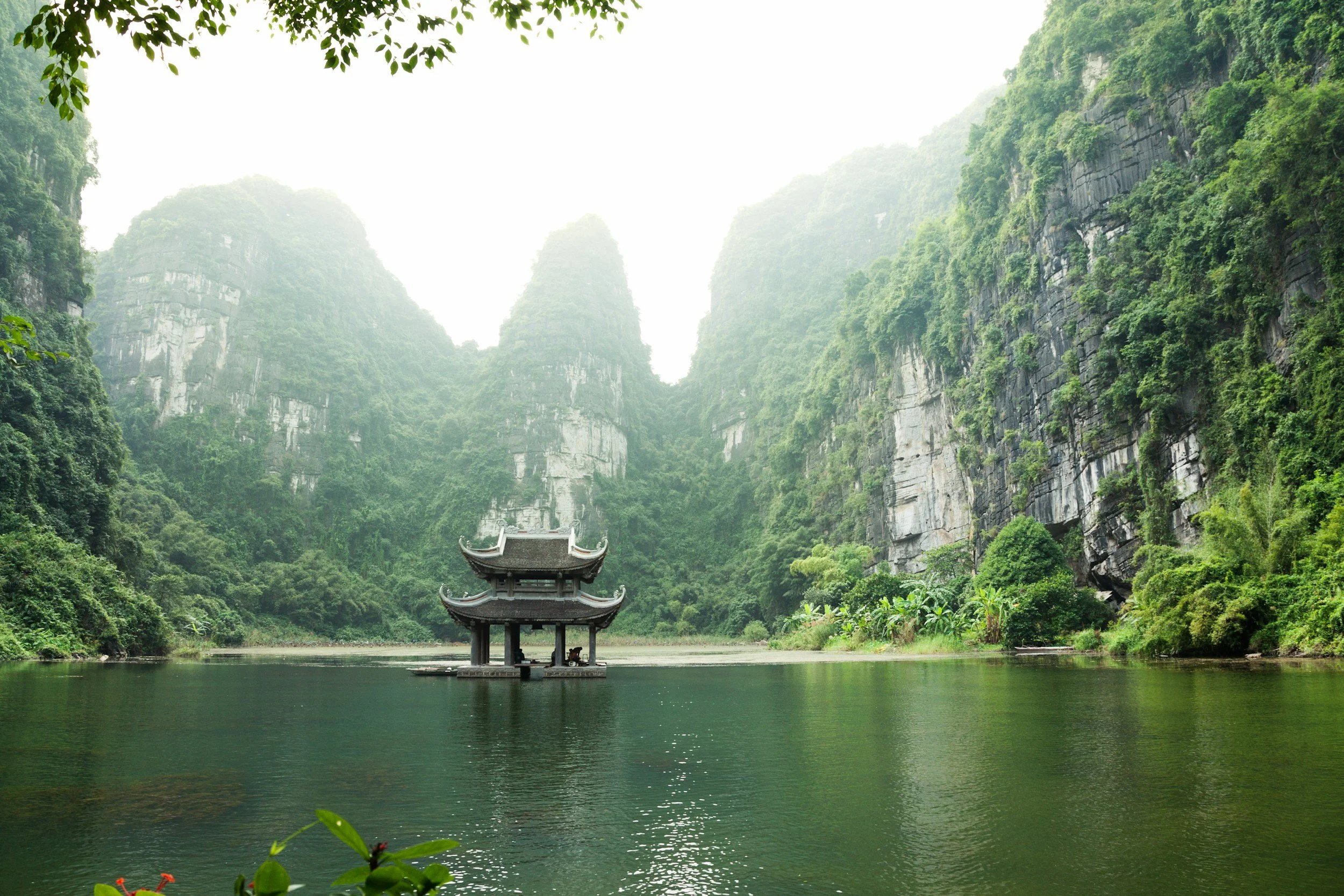
Ninh Binh is found about 100km south of Hanoi, and is actually a province, not a city. You’ll find many blogs compare it to Ha Long Bay, because of its breathtaking natural beauty. It’s the place to be if you want to experience the best of Vietnam’s nature, with towering mountains rising up all around the flowing rivers. Inside Ninh Binh is the city of Hoa Lư, Vietnam’s ancient capital. If you are anywhere close to Hanoi, please stop here, its beautiful.
Things to do:
TAKE A BOAT RIDE - One that takes you through caves, temples and just showcases Ninh Binh’s beauty. The two main boat tours are Trang An, and Tam Coc. The former is more popular with tourists. Climb the 500 steps of Mua Cave, it’s especially stunning at sunrise/sunset. Lastly, you could step into Hoa Lư; it isn’t exactly a necessary visit, but it is a historic city with many temples to see.
How to get there:
There are consistent buses AND trains from Hanoi to Ninh Binh, both are good options, the train, however, is usually slower.
7) Hội An
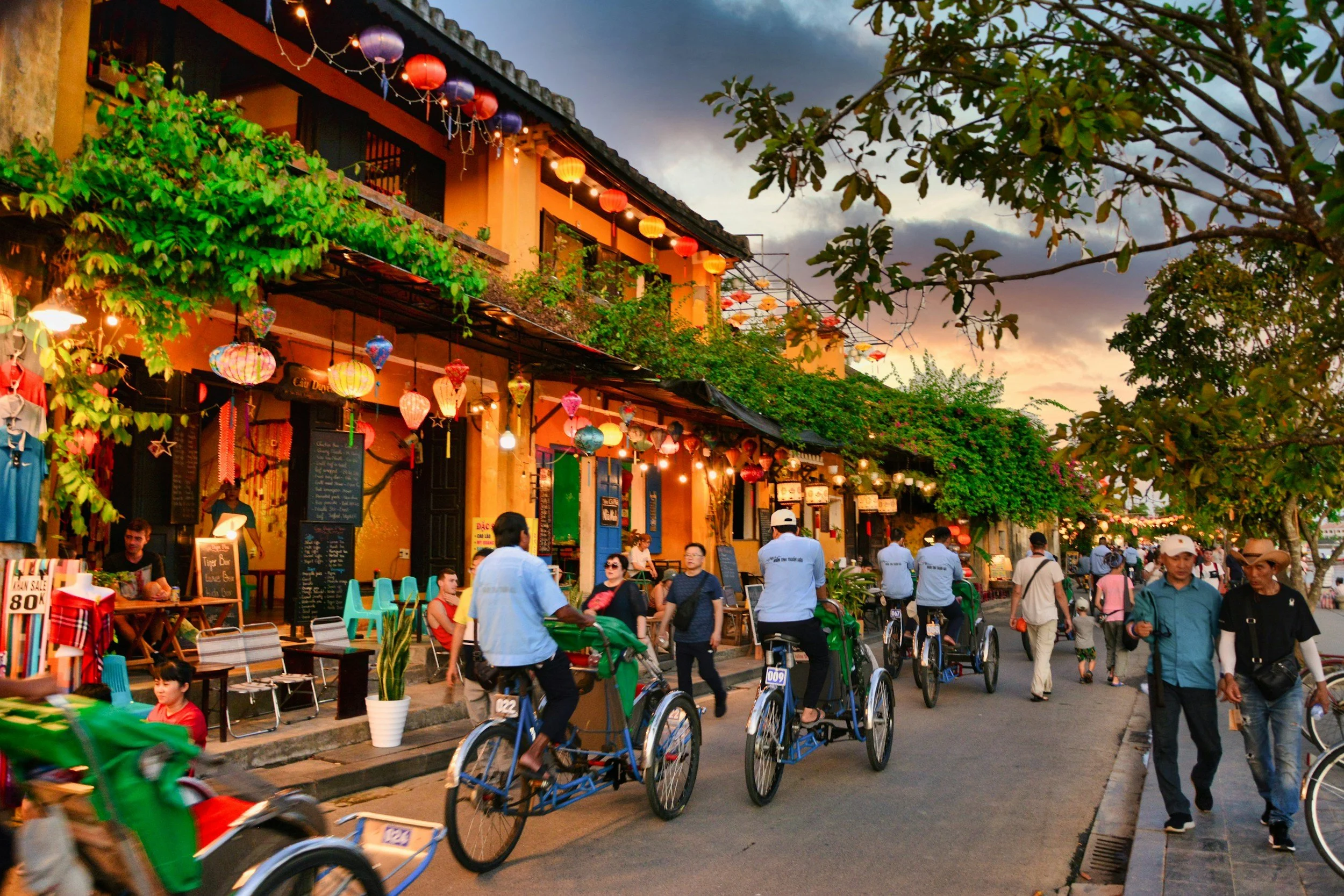
Hoi An is a small, yet lively, town located in close proximity with Da Nang. It’s an ancient spot - and it is highly walkable making it a perfect destination for everyone. Hoi An used to be an ancient trading port over 4 centuries, which explains the variety of architecture you’ll see. Interestingly, once the Thu Bồn river tilted, Hoi An became less and less accessible to ships. Now, it rests as a popular tourist destination in central Vietnam.
Things to do:
Hoi An is pretty compact as a town. You will find yourself in the ancient Old Town, featuring lantern lit streets, and A LOT of tourists. Stroll along the river and explore night markets as well.
How to get there:
Hoi An can be done as a day trip from places like Da Nang, which is connected to Hoi An via bus.
8) Sapa
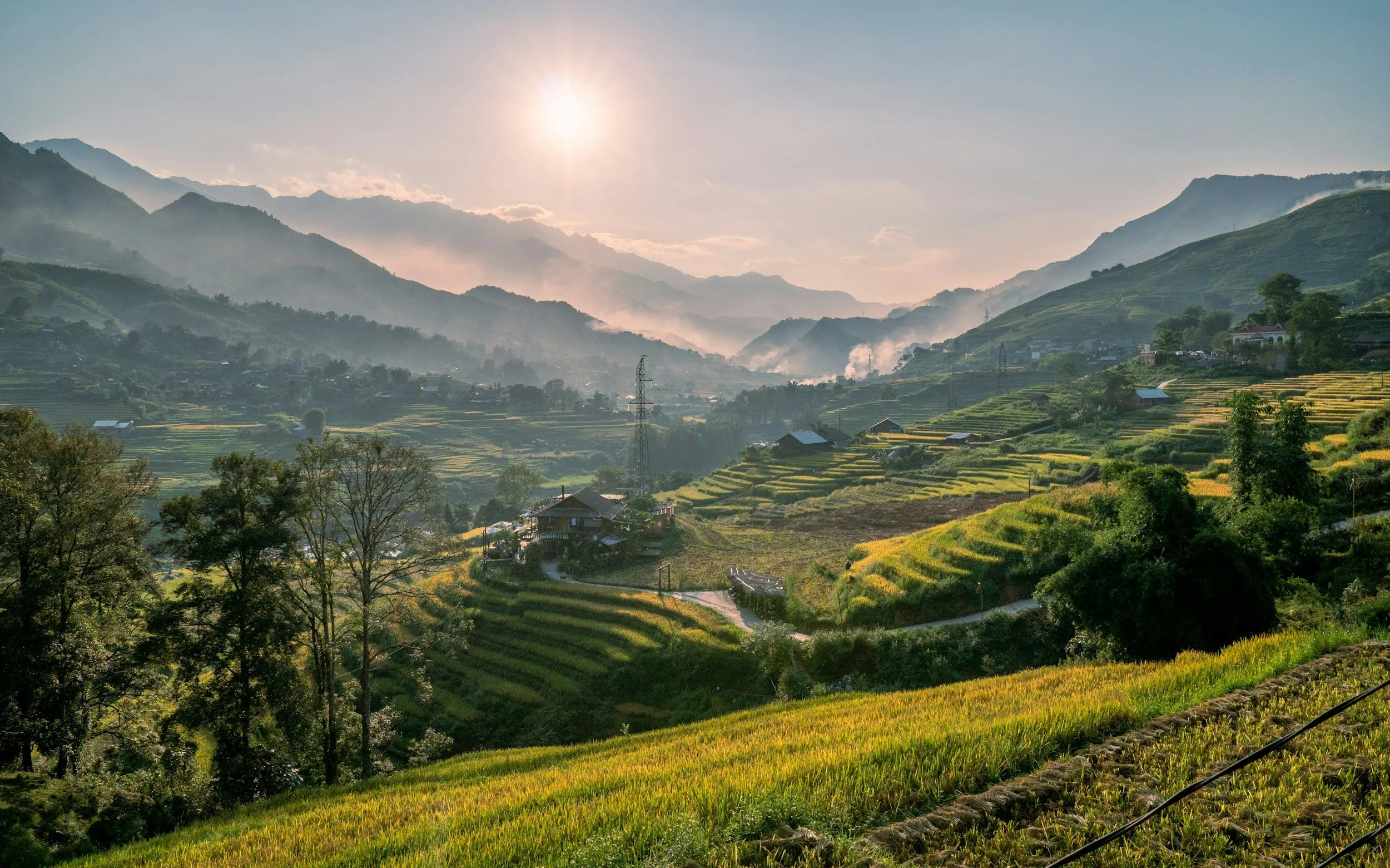
Tucked away at the top of Vietnam in Lao Cai province is Sapa town, a charming destination surrounded by mountains and rice fields. It’s a less popular destination among tourists in Vietnam, but it is perfect for trekking and immersing yourself in the scenery and culture. The highest point in Vietnam is actually an accessible spot, here in Sapa.
Things to do:
As mentioned, get yourself up to the highest point in the whole Indochina region, Fansipan Peak. It’s an out of this world view. You can, as of somewhat recently, take a cable car up to the top. From Sapa, you can actually walk to Cat Cat Village, its basically next door and is a picturesque ethnic settlement. Spend your time nestled in the mountains wisely, and make sure to explore the rice fields.
How to get there:
From Hanoi, there are daily buses to Sapa Town and Lao Cai.
9) Nha Trang
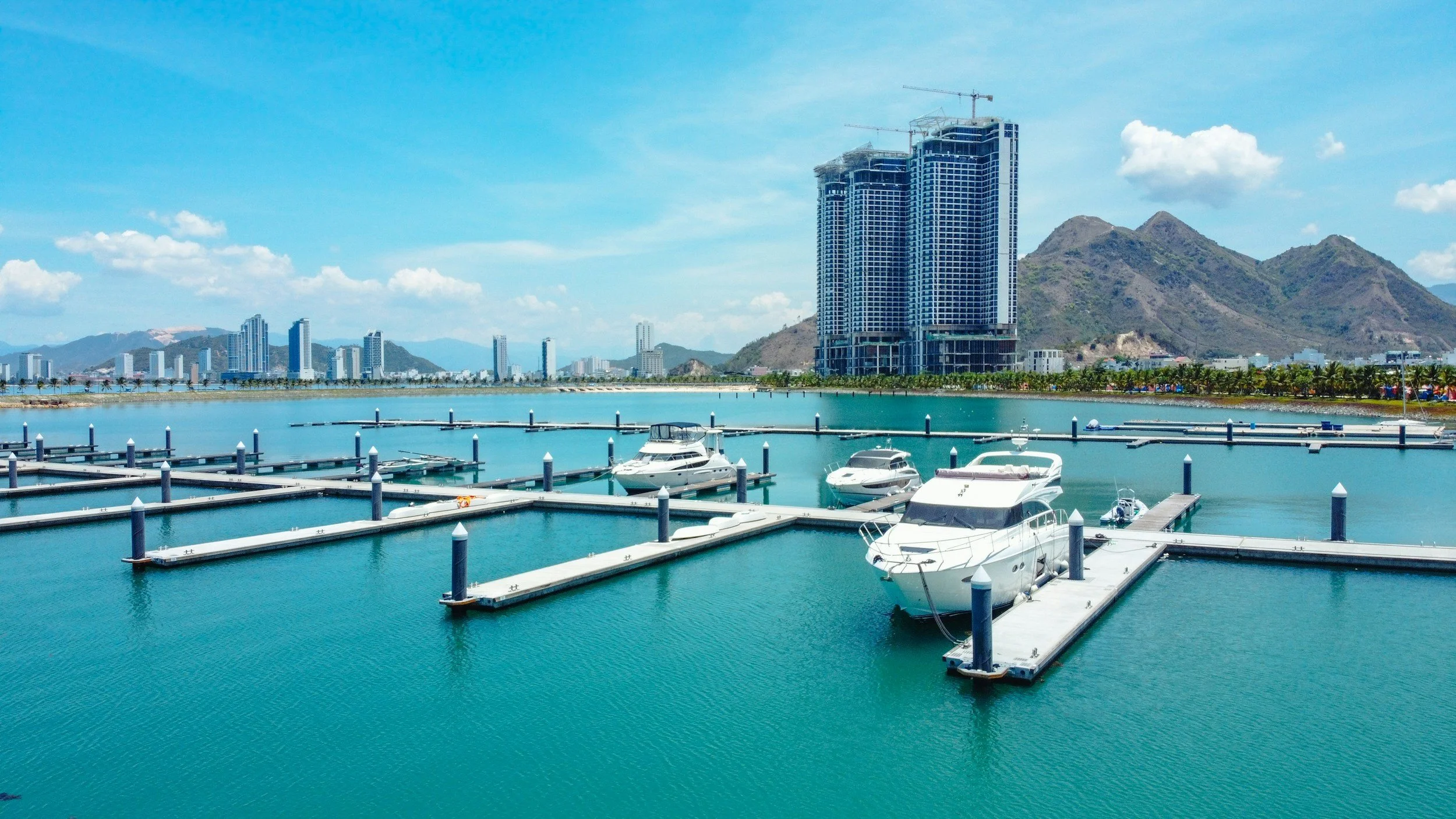
Nha Trang is not as similar to some of the other more historical places on this list, but it definitely is a superb location in Vietnam. With a population of over 450,000 people, Nha Trang is a location with nice beaches and many high-rise buildings - almost as if it was built for tourists. It’s said to have pretty vibrant night life, depending on who you ask. One ‘weird’ thing is the excessive amount of Russians that are situated there. Signage in the city sometimes even has Russian on it!
Things to do:
Of course go to Nha Trang Beach, it stretches for miles and miles. Nha Trang is one of the better places in Vietnam for snorkeling. Po Nagar Temple is a 7-12th century Hindu Temple area, which could be worth visiting. Go to Long Son Pagoda, a Buddhist Temple with a very big statue.
How to get there:
Cam Ranh International Airport (CXR) is 30km from Nha Trang, and has direct domestic flights from Hanoi and HCMC.
From both those cities you can also take a sleeper bus/train.