The Best Places to Visit in Uruguay
Uruguay is one of South America’s smallest countries - Brazil borders it to the north, while Argentina borders it to the west. It’s got more of a slow pace compared to other South American countries, and is often left of peoples itinerary, or at most done as a short day trip from Argentina. Uruguay is of course worth spending more than just one day in the country, it has some lovely beaches on the coast of the Atlantic Ocean, and has the highest quality of life in all of South America - it’s definitely worth stopping here.
Capital: Montevideo
Currency: Uruguayan Peso
Language: Spanish
When to visit: November to March
1) Montevideo
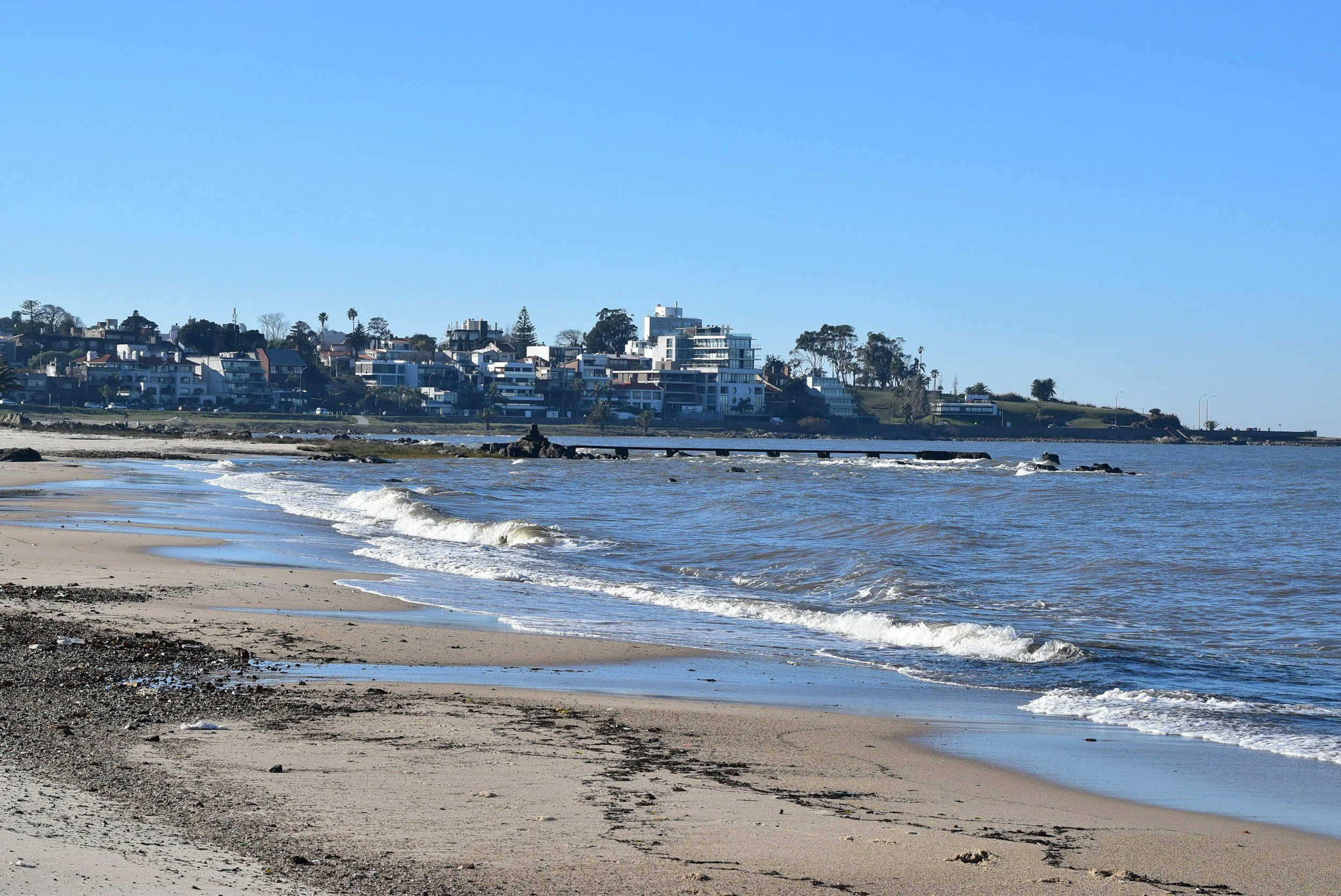
Montevideo is Uruguay’s capital, and largest city, which sits on the southern coast of the country along an estuary running into the Atlantic Ocean. Montevideo’s city area has a population of 1.3 million, and almost half the countries population live in the greater metro area. The city was founded in 1726 by Spaniards, and it’s European influence is pretty clear to see when walking around the city.
Things to do:
The skyscraper of Palacio Salvo in the city is one of the most iconic landmarks of Montevideo, it’s where most iconic photos of the city are taken. Montevideo Metropolitan Cathedral has stunning architecture, it can be found in the Old city which is also of course a must visit. Malvín Beach and Carrasco are often what locals recommend as the best beaches.
How to get there:
Carrasco International Airport (MVD) is Montevideo’s airport, serving destinations around South America.
The most popular option however is probably a ferry from Buenos Aires, taking ~3hrs.
2) Punta del Este
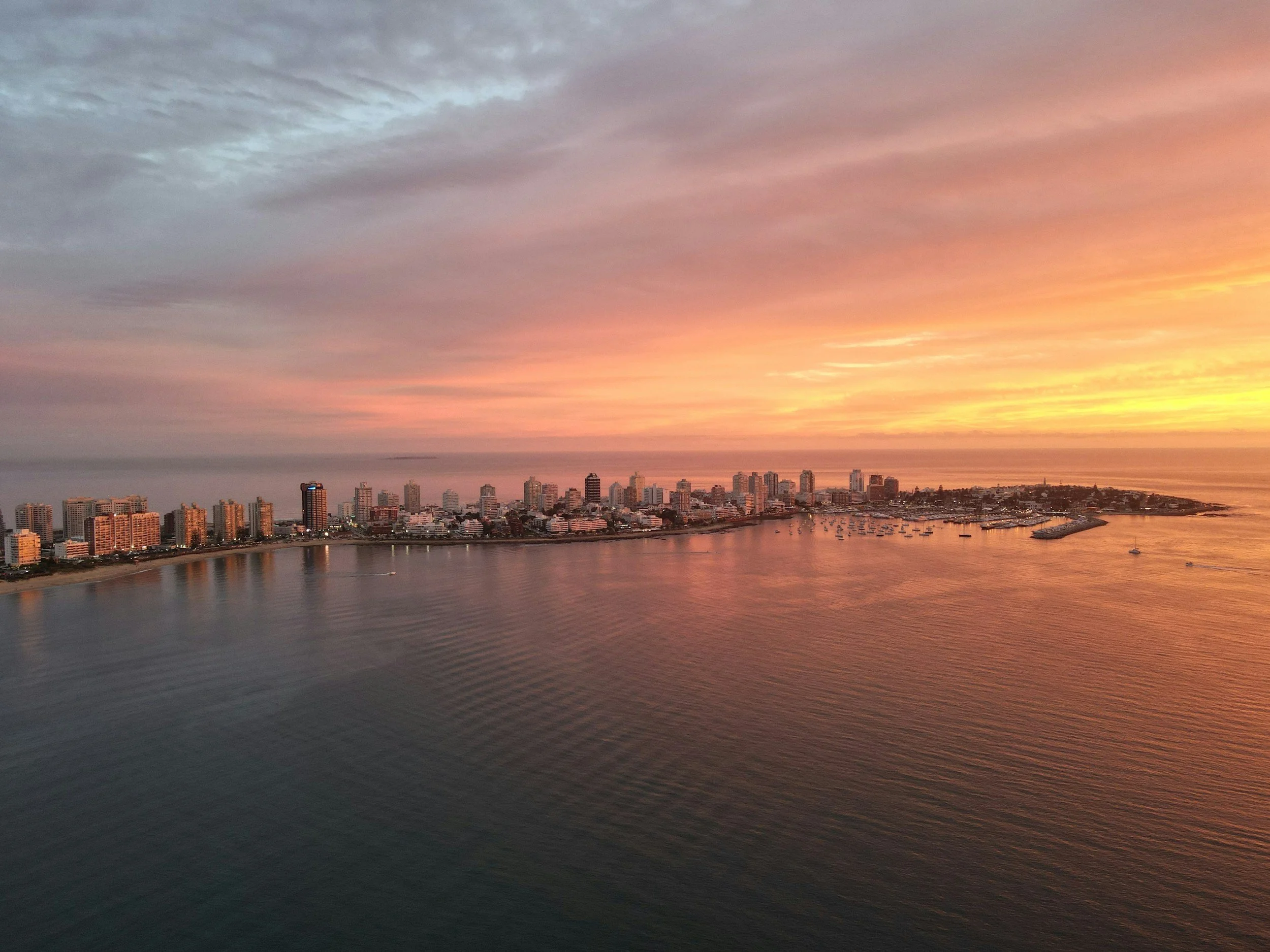
Punta del Este is a coastal resort city / peninsula on the coast of Uruguay, east of Montevideo. Although it is very small compared to Montevideo, the beaches here are definitely better. The place thrives in the summer, it goes from about 10,000 residents in winter to over 100,000 when you include tourists in the summer. It’s an iconic tourism destination for Uruguayans and foreigners.
Things to do:
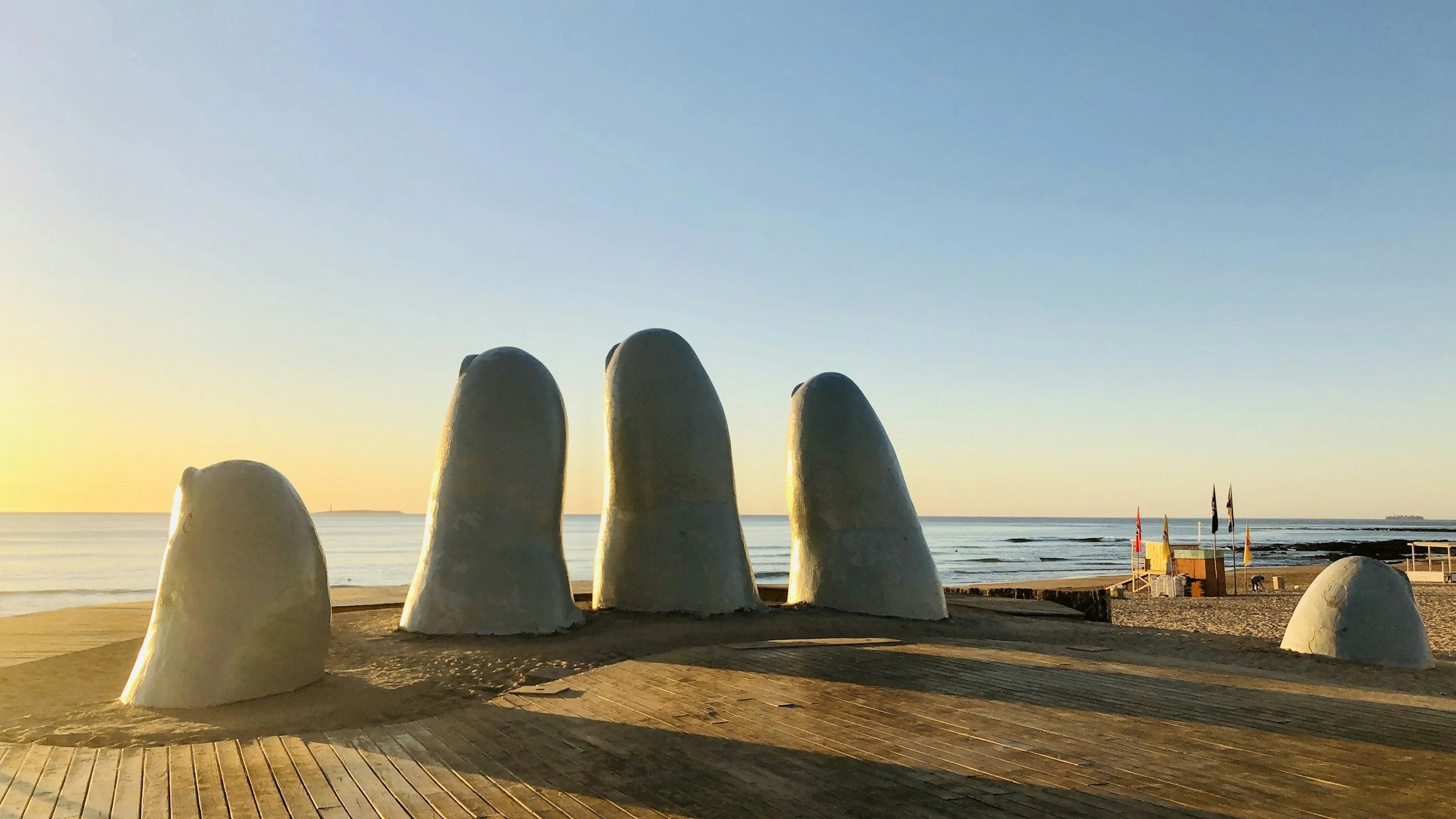
La Mano (AKA The Hand) is by far the most iconic landmark in the city - it is the structure of the hand arising from beneath the sand. But besides this, Playa Brava (where The Hand is) is a great beach for surfing and lively activity. It is mainly a resort city so you’ll find many places to swim. Puerto de Punta del Este is the port/marina, and a good place to hang out.
How to get there:
Take a bus from Montevideo, they leave frequently taking 2-3 hours.
3) Punta del Diablo
Much like Punta del Este, Punta del Diablo is also a small coastal settlement, however it would be a big stretch to also call it a ‘city’ as it has only around 1,500 residents. The similarity strikes as the city population booms during tourist season. It’s a charming little resort village further east up the coast of Uruguay. The town isn’t exactly polished, but the beaches are renowned.
Things to do:
The best beaches are Playa de los Pescadores, Playa del Rivero and Playa Grande.
How to get there:
A longer bus from Montevideo takes about 4-6 hours.