The Best Places to Visit in Switzerland
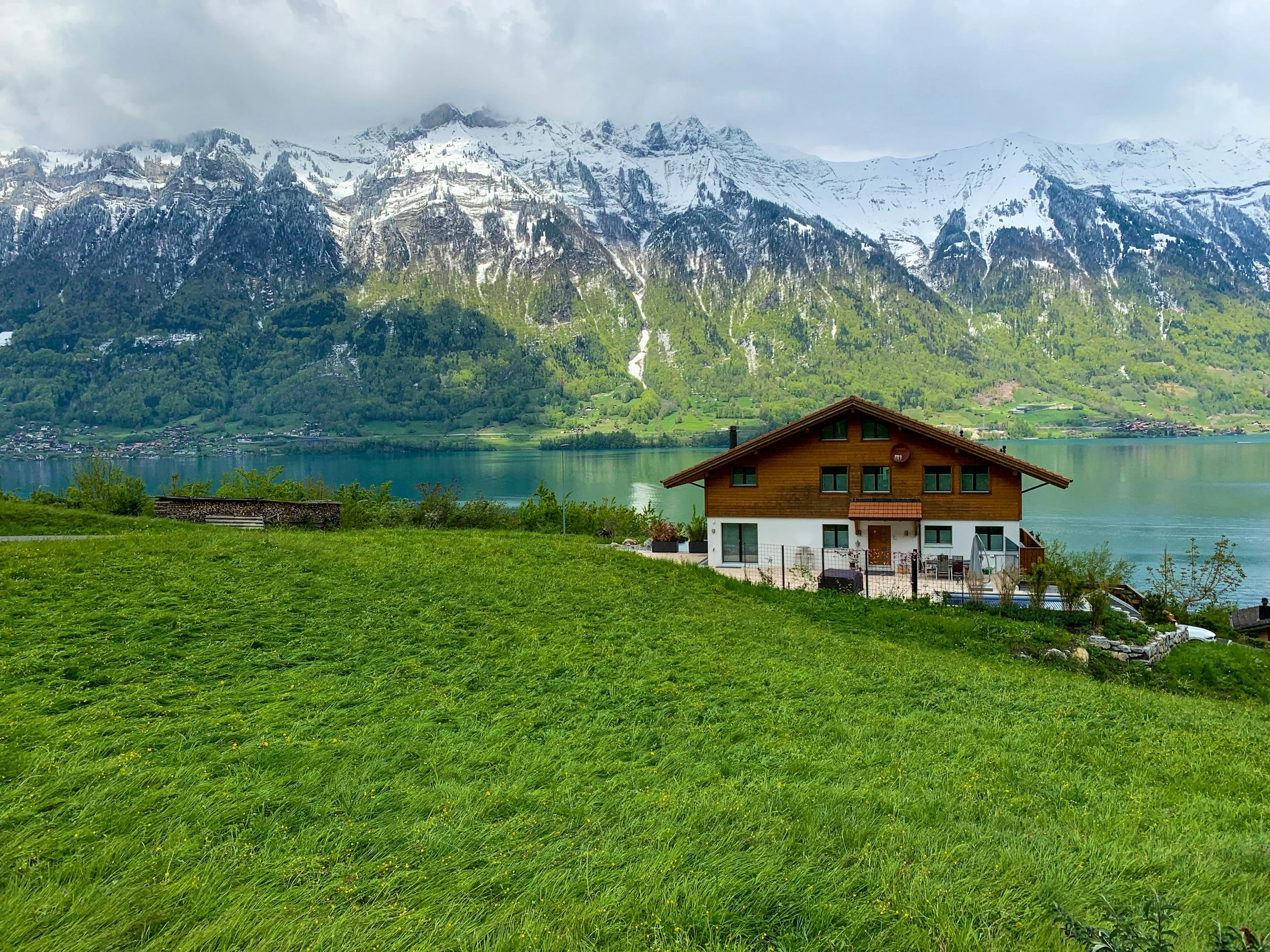
Switzerland is an absolutely stunning country tucked into the heart of Europe, bordered by France, Germany, Italy, Austria, and Liechtenstein. With a population of around 8.8 million, it manages to feel both intimate and incredibly diverse. What really sets Switzerland apart is how seamlessly it blends natural beauty with an exceptionally high quality of life. It’s famously neutral, safe, and well organized, and that sense of calm and stability is something you feel almost immediately. The country truly is postcard perfect - filled with crystal clear lakes, stunning mountain peaks and beautifully aesthetic villages and cities. There really isn’t much bad things to say about this incredibly beautiful country (maybe besides how expensive it is).
Capital: Bern
Currency: Swiss Franc
Language: Swiss, German, French, Italian
When to visit: May to December
1) Zurich
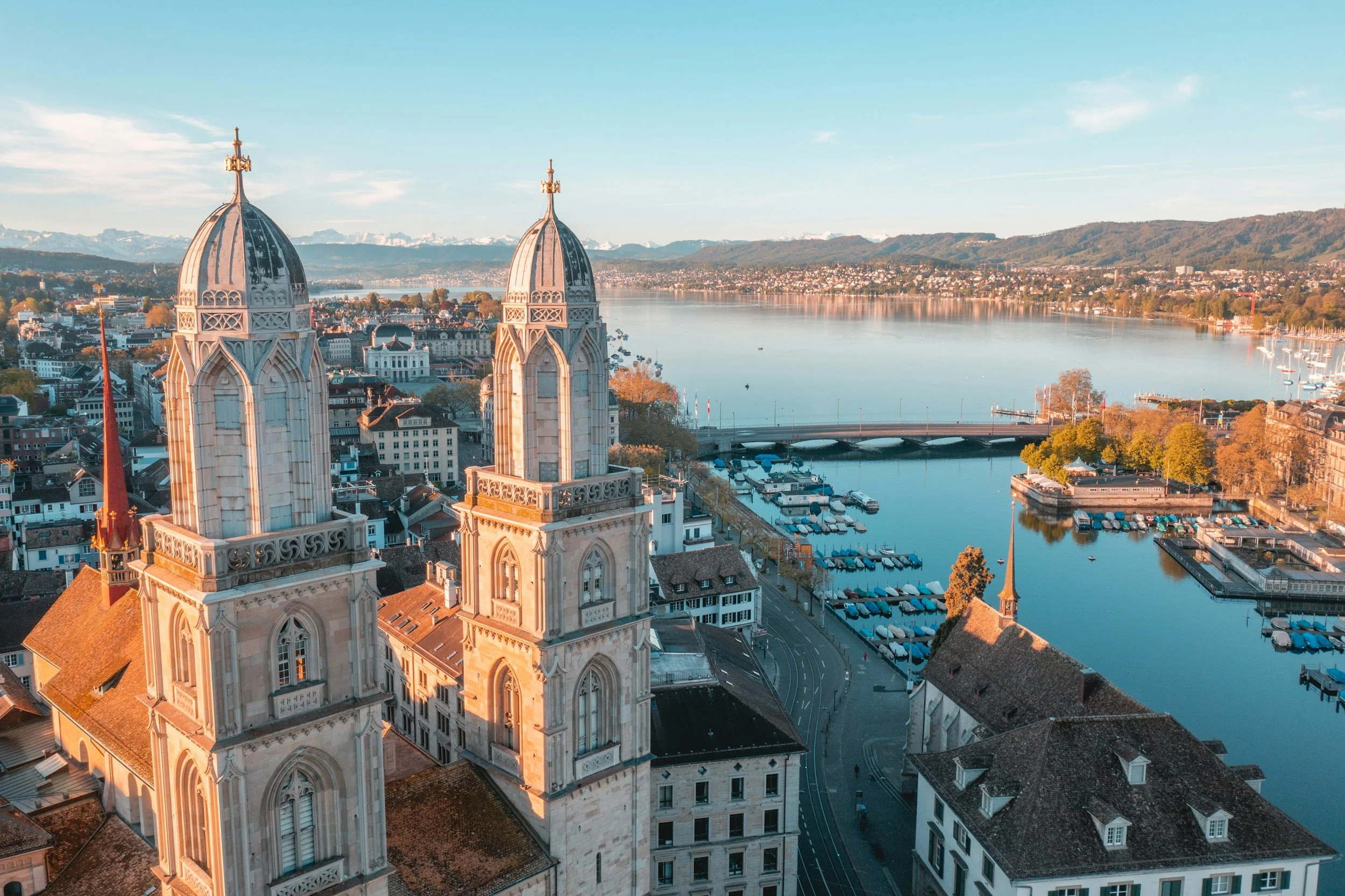
Zurich is Switzerland’s largest city and sits on the northern end of Lake Zurich, with the Limmat River running straight through its center. It has a population of just over 430,000 inside the main city area. Despite being a major financial hub, Zurich doesn’t feel overwhelming. It’s clean, calm, and very livable - plus nature is always super close and well connected. The quality of life in Zurich is just incredible, and it is a great city in terms of everything.
Things to do:
You should definitely check out and swim in Lake Zurich - it is massive and super beautiful. Of course, you have to walk through the Old Town and wander its narrow streets, historic squares, and viewpoints along the river. You can go to the Swiss National Musuem, or walk through Bahnhofstrasse; The main luxury shopping street of Zurich connecting the train station. The city itself is just very vibrant and nice.
How to get there:
Zurich Airport (ZRH) is one of Europe’s busiest airports and an easy way to get there.
Direct trains run from nearby countries like Germany, France, Italy, and Austria - as well as other Swiss cities and towns. Zurich train station is very well connected overall.
Direct buses from companies like FlixBus can easily get you around from any major cities nearby for cheap, as always.
2) Lauterbrunnen
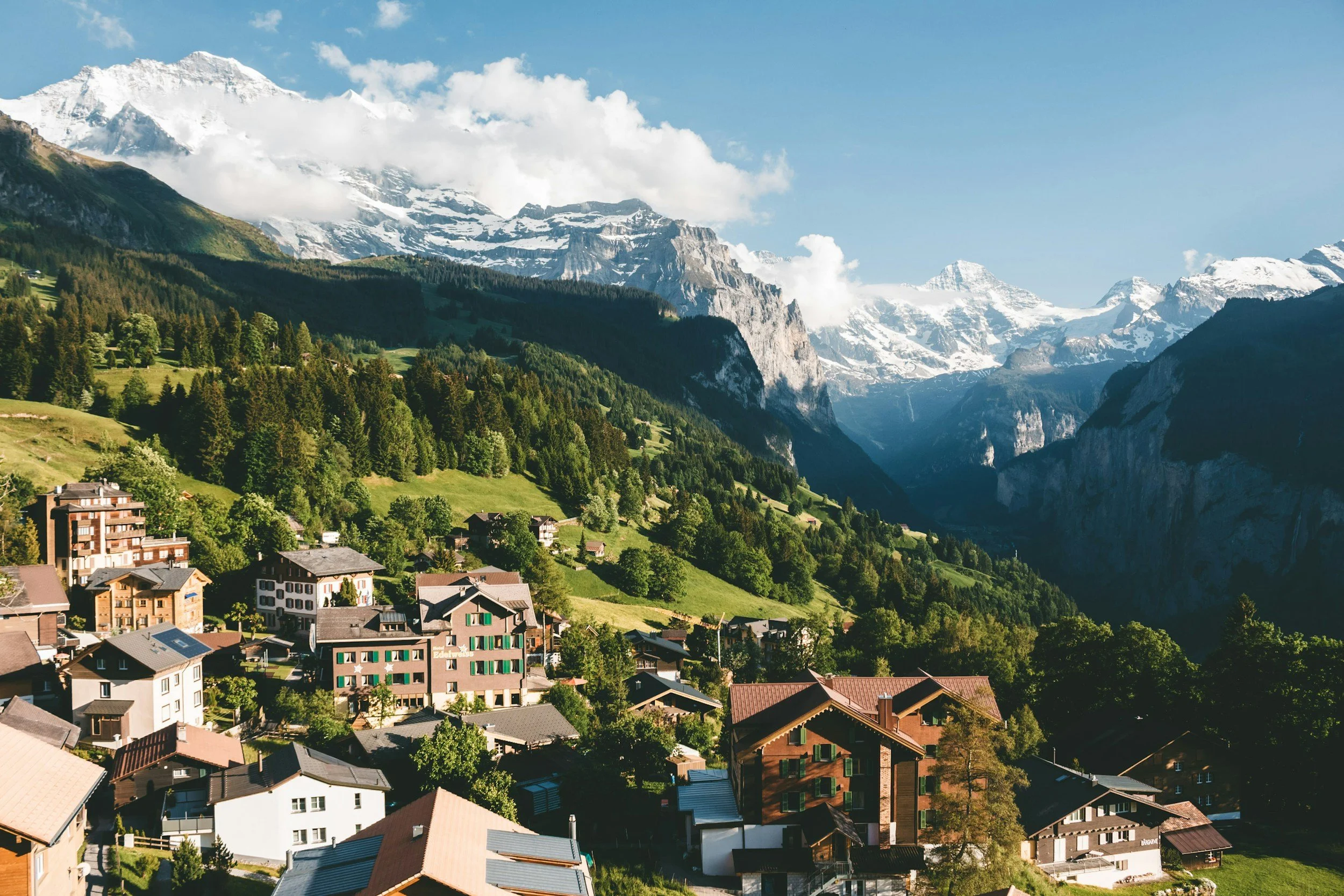
Lauterbrunnen is a small village tucked into one of the most dramatic valleys in the Swiss Alps, in the Bernese Highlands region of central Switzerland. It sits in a long, narrow valley surrounded by near vertical cliffs, with waterfalls pouring down the rock faces in every direction. The name literally means “many fountains,” which fits perfectly, as the valley is home to around 70 waterfalls in total.
Things to do:
Definitely just walk around this beautiful area, and visit Staubbach falls, the best waterfall. A bit further out is Trümmelbach Falls, which are hidden inside the mountain. Close to Lauterbrunnen lie two car free villages, Wengen and Mürren, accessible via cable car. The best hike recommendations in Lauterbrunnen are; The Gelmersee circular hike and the Lauterbrunnen to Stechelberg hike
How to get there:
Trains to Lauterbrunnen come in from Interlaken. You can get to Interlaken easily by train from Zurich, Luzern, Bern, etc.
3) Grindelwald
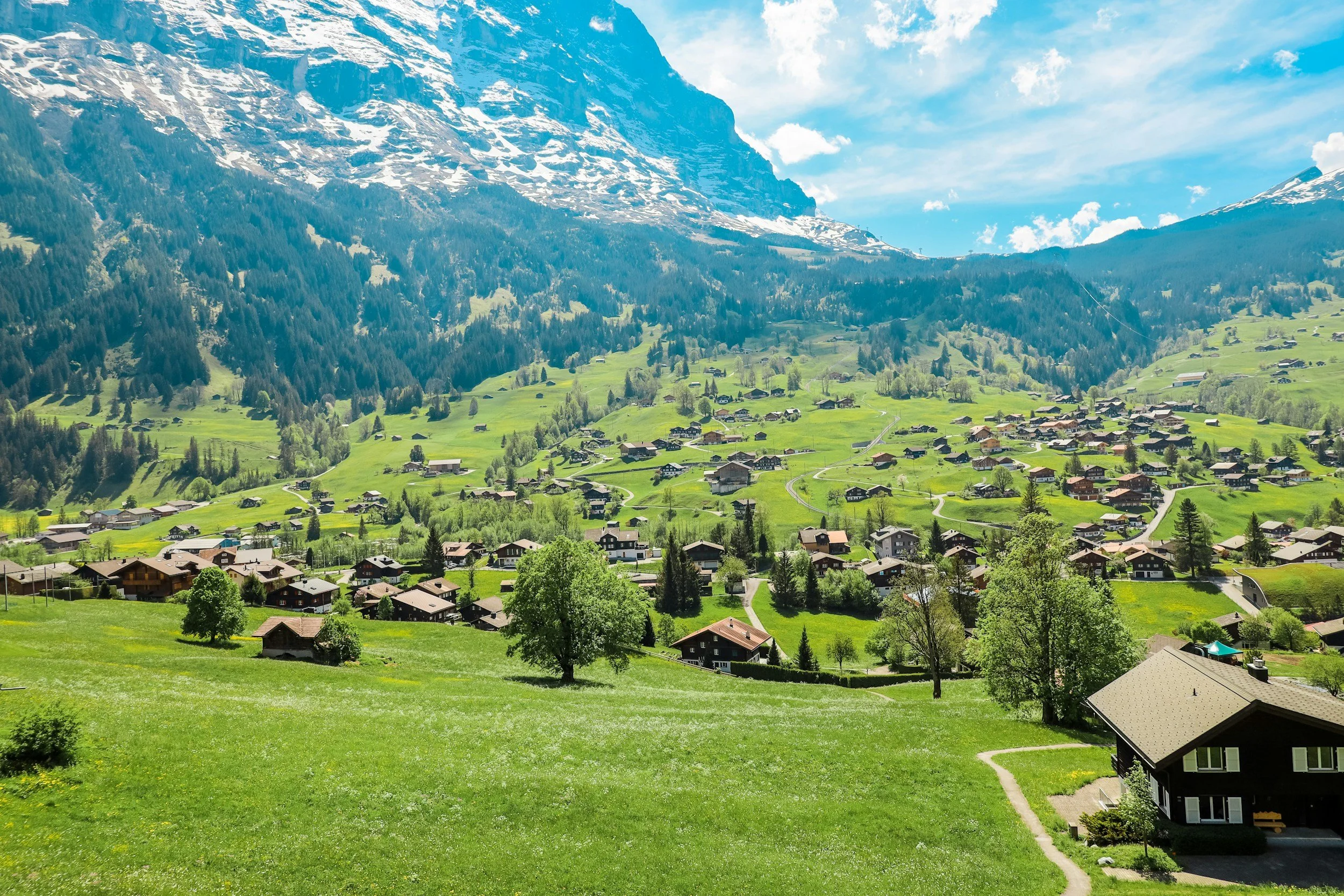
Very close to Lauterbrunnen is Grindelwald, a picturesque alpine village lying in the same region, to the east. It often serves as a major gateway to the dramatic Bernese Alps, and you’ll see wooden chalets and mountains everywhere here. It is very similar to Lauterbrunnen, with the valley of Grindelwald forming part of the Jungfrau Region of the Bernese Highlands.
Things to do:
Ride the Eiger Express cable car from Grindelwald Terminal to Europe's highest railway station at 3,454m. There are many different sites up there to visit. Since Grindelwald is a gateway for hikes, my reccommendations are; the Eiger trail, and the First to Schynige Platte via Bachalpsee and Faulhorn, which passes through all the incredible sights.
How to get there:
Trains to Grindelwald come from Interlaken. You can get to Interlaken from any major city like Bern, Geneva and Zurich via train.
4) Zermatt
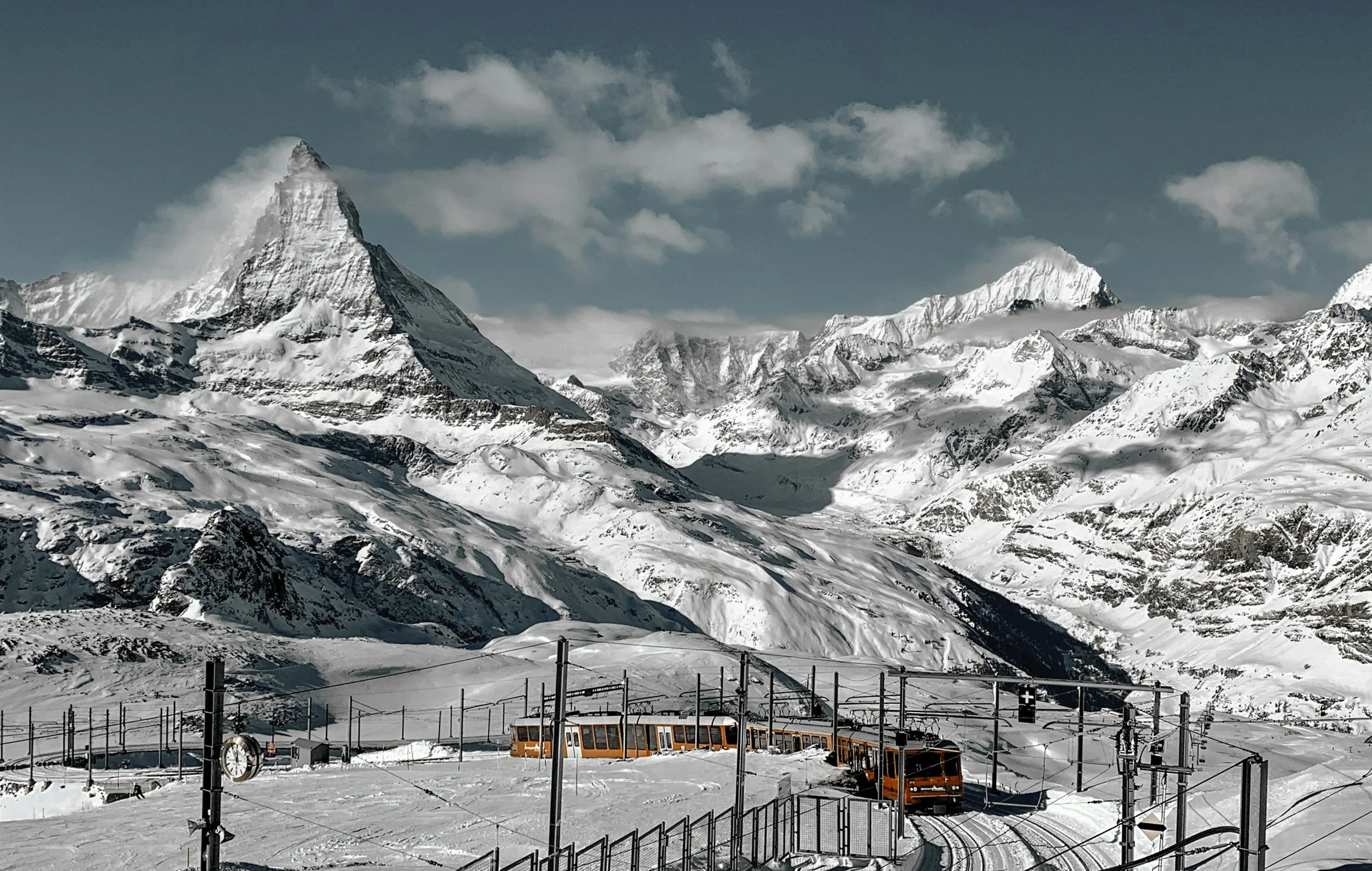
Zermatt is a high alpine village in southern Switzerland, set at the foot of the Matterhorn, one of the most iconic mountains in the world. It sits in the Valais region near the Italian border, and is completely car free. The glaciers and snow covered ridges surround the village which is why it is so stunning and picturesque. Life in Zermatt revolves around the mountains.
Things to do:
As mentioned, see the iconic and striking Matterhorn, (yes it is the mountain on the Toblerone bar). Amazing views of it can be captured at Riffelsee. Other than that, Zermatt offers great experiences for winter sports and activities. The town itself is nice, but many tourists come for the ski resorts. You should Ride the Gornergrat Railway, it takes you over 3000m elevation. The most popular hike is the 5 Lakes Hike, which many tourists complete.
How to get there:
To get to Zermatt, most trains come from Visp. You can get to Visp easily from big cities like Zurich, Lausanne and Geneva.
5) Bern
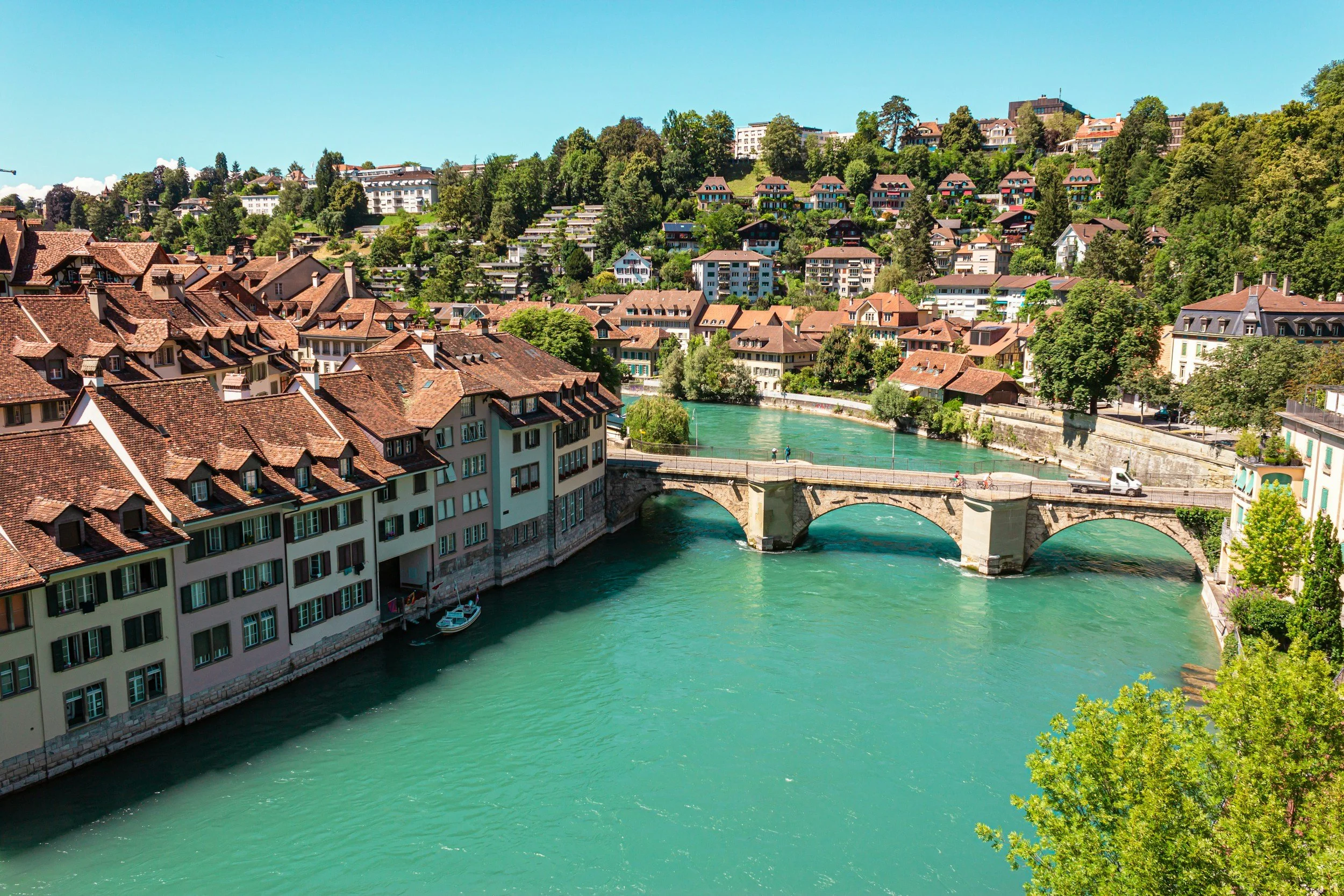
Bern, Switzerland’s charming federal city, sits right in the heart of the country along a dramatic loop of the turquoise Aare River. Nestled in west-central Switzerland on the Swiss Plateau, it’s perfectly positioned as a gateway to the Bernese Alps too. In the city itself, the population is only about 135,000 and was founded in 1911. Bern is filled with sights and beauty, and it doesn’t really matter what kind of traveler you are.
Things to do:
Bern’s Old Town is UNESCO World Heritage site, it is filled with timeless architecture and the lovely cobblestone streets are surrounded by historic buildings and fountains everywhere. It is incredible for anyone to walk through. A main sight inside the Old Town is the Zytglogge Clock Tower. You can also go and see the Federal Palace, essentially the Swiss Parliament Building. A popular local tradition is to swim in the Aare River, but the currents can get strong so be careful.
How to get there:
Bern is easy to get to via train from around Switzerland, there are direct connections all around from Zurich, Geneva, Basel, Lucerne, Interlaken, etc.
6) Oeschinensee
Hike Name/Length: The Oeschinensee Hike (~17.5km)
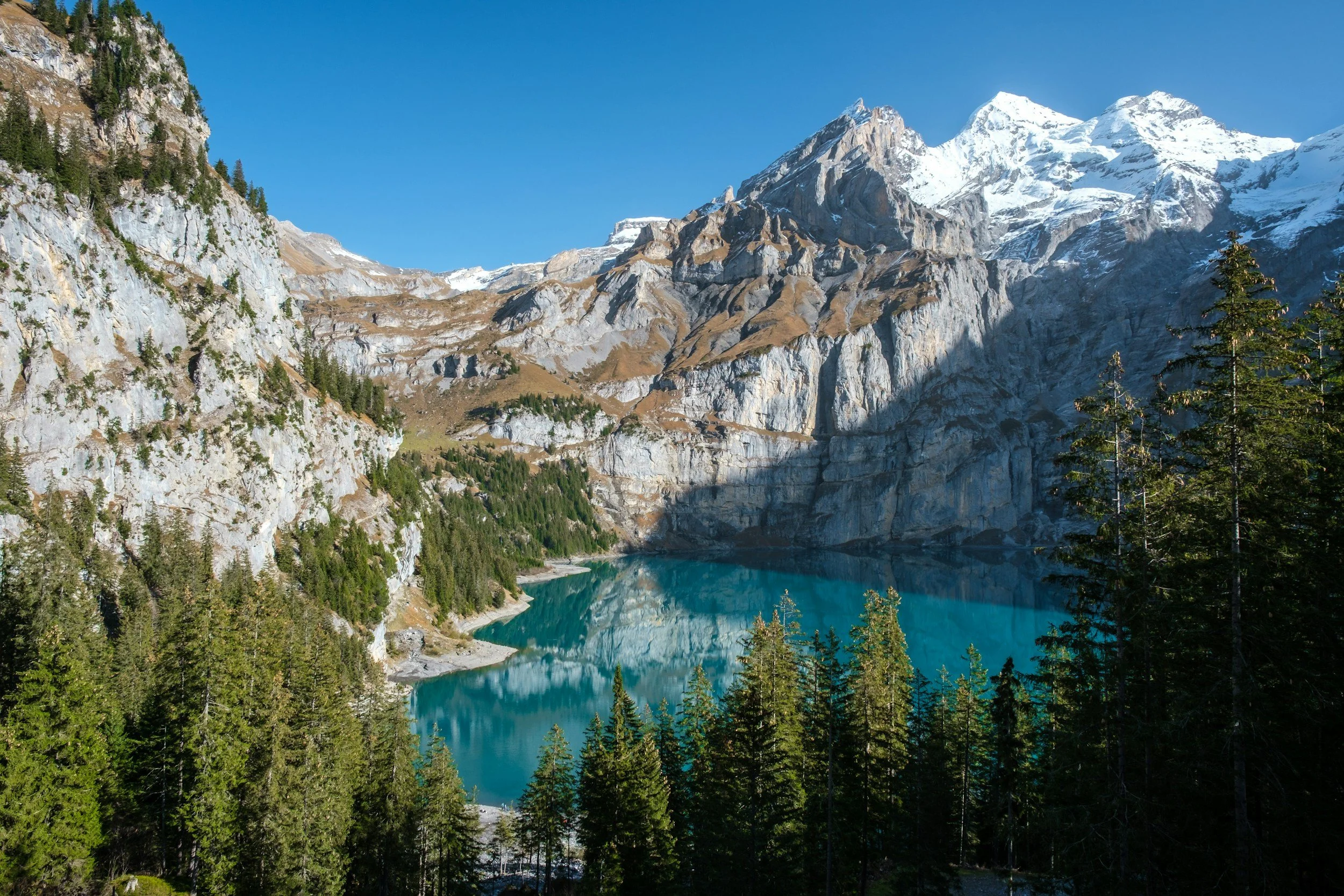
Oeschinensee (also known as Lake Oeschinen or Oeschinen Lake) is a stunning turquoise mountain lake, and It is one of Switzerland’s most breathtaking natural locations and is iconic for the color of the water.
Where is it:
much like Grindelwald or Lauterbrunnen, it is situated in Switzerland's Bernese Highlands, close to the village of Kandersteg.
How to get there:
Train to Kandersteg with direct routes easily coming from Bern and Spiez frequently. From there you can find the trailhead.
7) Geneva
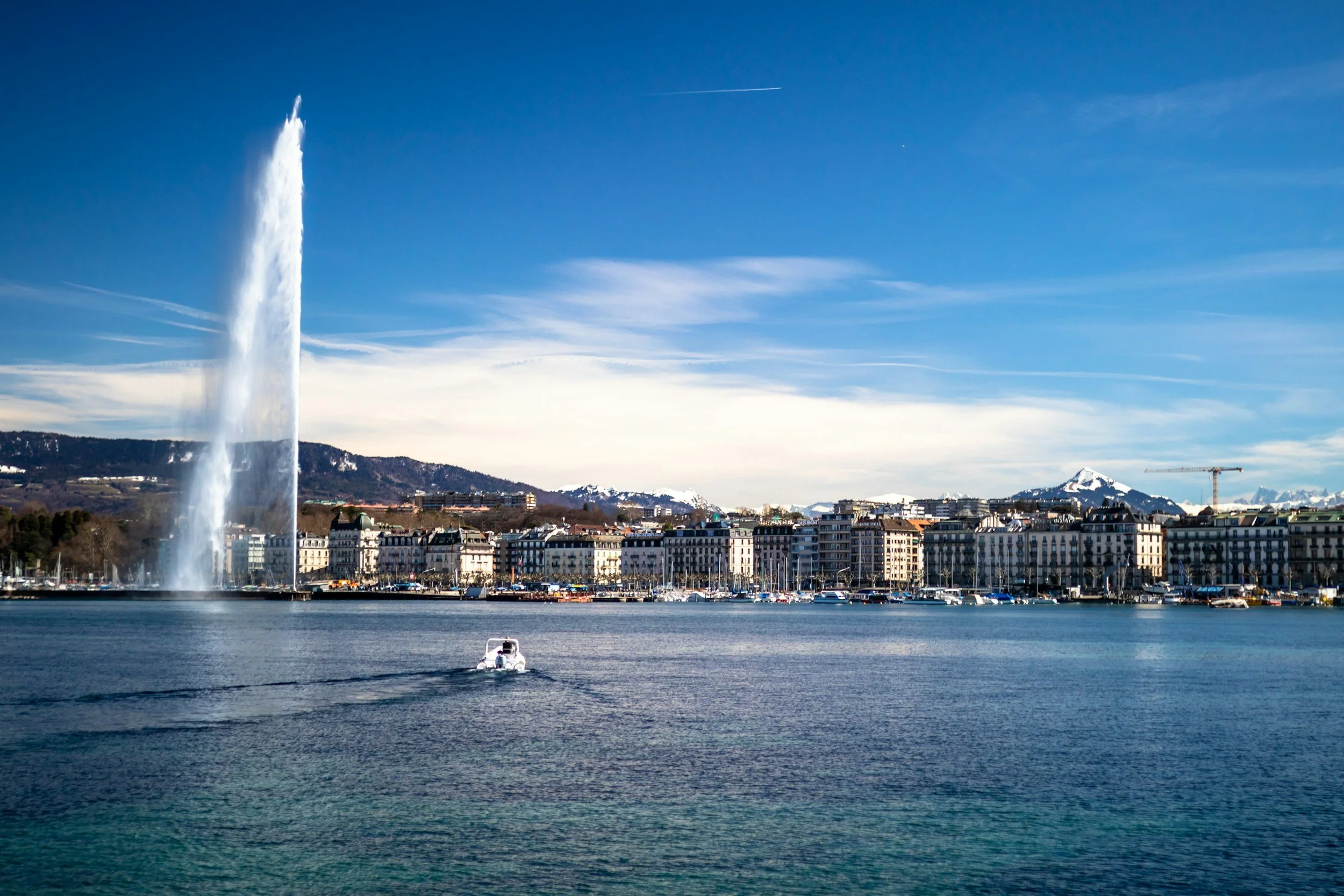
Geneva is Switzerland’s second-largest city and a truly cosmopolitan hub, sitting in the far southwest corner of the country (The French-speaking region). The talking point is the beautiful Lake Geneva which the city is built on, a lake shared between Switzerland and France. Geneva is famously the global center for diplomacy and international organizations, being home to the European headquarters of the United Nations, the Red Cross, WHO, WTO, and many more.
Things to do:
The cities most famous landmark is the Jet d'Eau Fountain, a massive 140m high water jet. Besides that, the Old Town inside Geneva is very nice, and you can see the St. Pierre Cathedral inside which is an impressive architectural piece you can also go up. You can also go and see the Palais des Nations, the United Nations Office with a large grand exterior. My museum recommendation would be the International Red Cross Museum.
How to get there:
Geneva Airport (GVA) is a major international airport with connecting flights across various continents.
From nearby, you can easily get direct trains from major Swiss cities like Zurich, Basel, Bern and Lausanne. From France, direct trains can come from Lyon, and possibly Paris.
Alternatively, FlixBus can easily connect Geneva and any major city in a large radius in all surrounding countries.
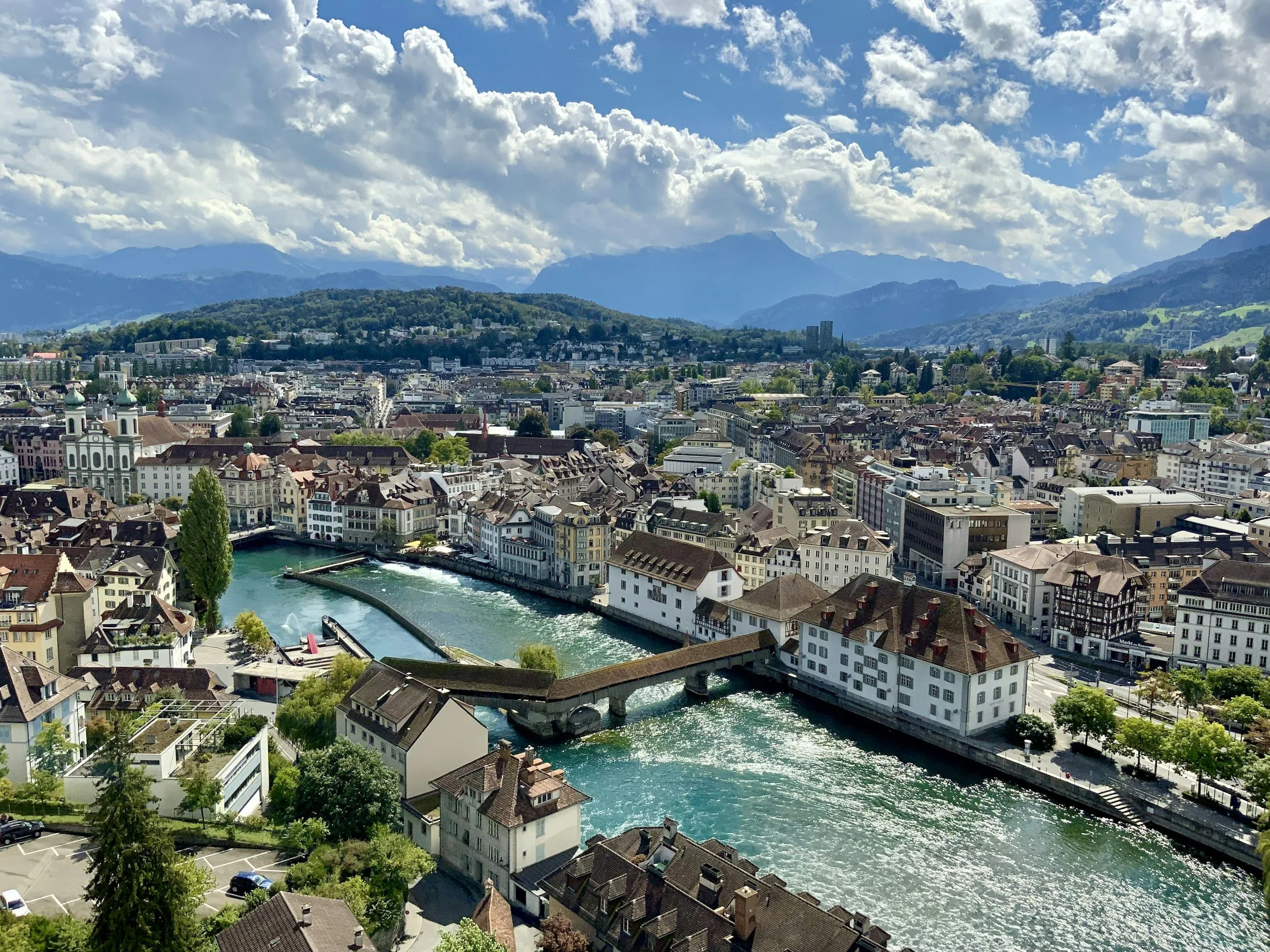
8) Lucerne
Lucerne is a beautiful Swiss city framed by dramatic mountains like Pilatus and Rigi rising in the background. It is found in a prime location, known as the central city of Switzerland. It is nestled on the shores of shimmering Lake Lucerne, where the Reuss River flows out into. The history of the city dates back many centuries and this is represented in some of its famous landmarks.
Things to do:
The must-see landmark in Lucerne is the Chapel Bridge, which is Europe's oldest covered wooden bridge (built in 1333). Also walk along the Musegg Wall and Towers, which are very well preserved medieval city walls. You can see Lucerne’s Old Town, as well as the lake and mountains in the backdrop. Jesuit Church has a beautiful interior worth seeing, otherwise if you like being outdoors you can do a Lucerne Lake boat cruise. Close to Lucerne is Meggenhorn, an iconic Swiss castle outside the city area. Finally, from here people do what is known as the Golden Round Trip, boat across the lake, cogwheel train up the world's steepest mountain railway, then cable car down (or reverse). It revolves around Mt. Pilatus.
How to get there:
Easy direct trains to Lucerne come frequently from Zurich, Geneva, Basel, Bern, and other towns and smaller cities too.
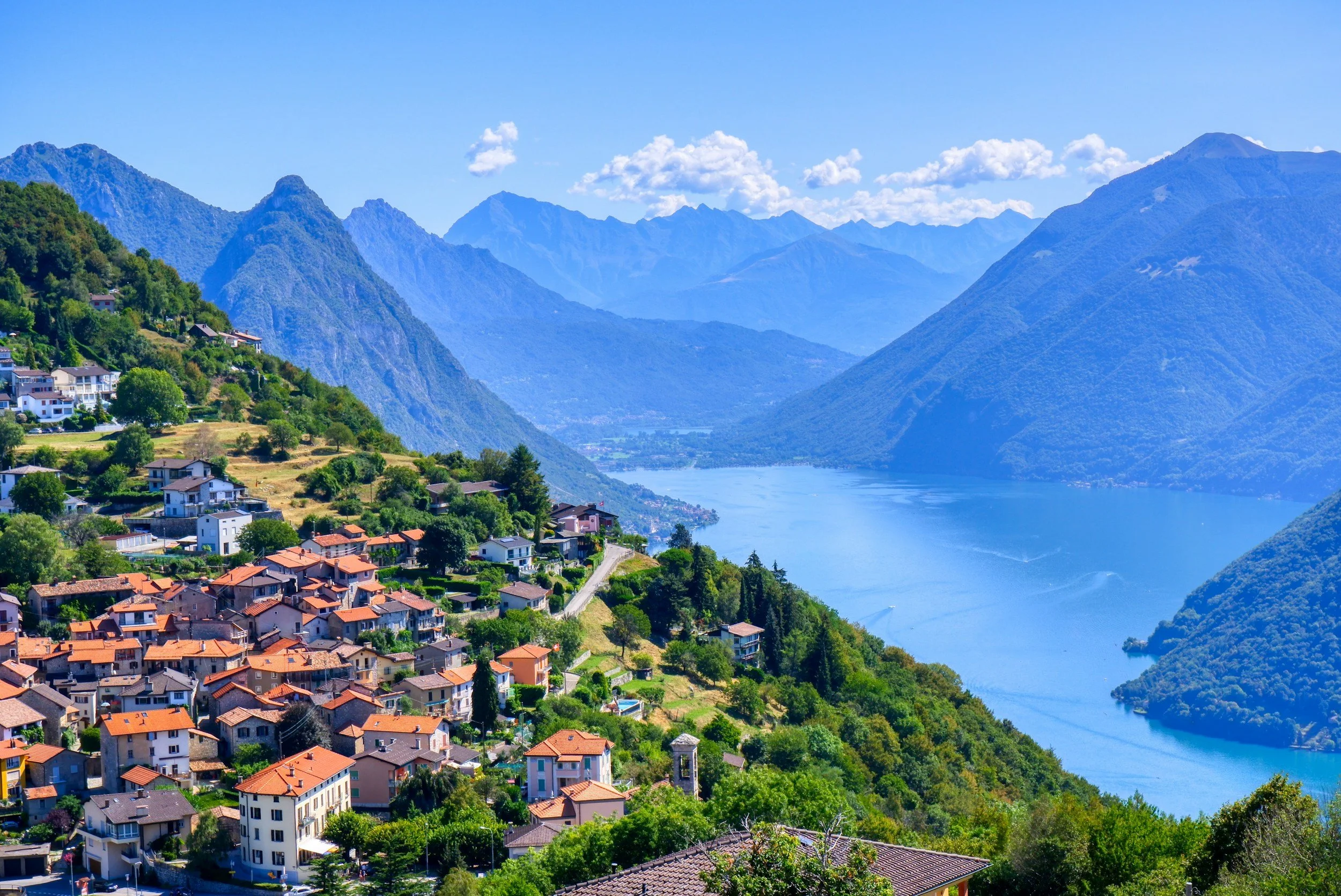
9) Lugano
Lugano is Switzerland's sun-kissed southern gem, the largest city in the Italian-speaking canton of Ticino, located in the far south of the country right on the border with Italy. It lies at the shores of beautiful Lake Lugano, which is surrounded by the Lugano Prealps. It is a place in Switzerland which almost boasts a slightly Mediterranean vibe, and is heavily Italian-Influenced; everything from the language to the architecture and food.
Things to do:
Walk along the Lugano Promenade, the beautiful lakeside path lined with palm trees. Parco Ciani is also a really nice and elegant park/garden area right by the lake you can visit. Inside the city, wander Piazza della Riforma and the Old Town, it, as usual, is a very walkable area. My final suggestion would be to Ride the Funicular to Monte Brè and get panoramic views.
How to get there:
There are reliable direct train services from Zurich or Bern in Switzerland, and Milan in Italy.
FlixBus can alternatively take you from various towns and cities for cheaper.
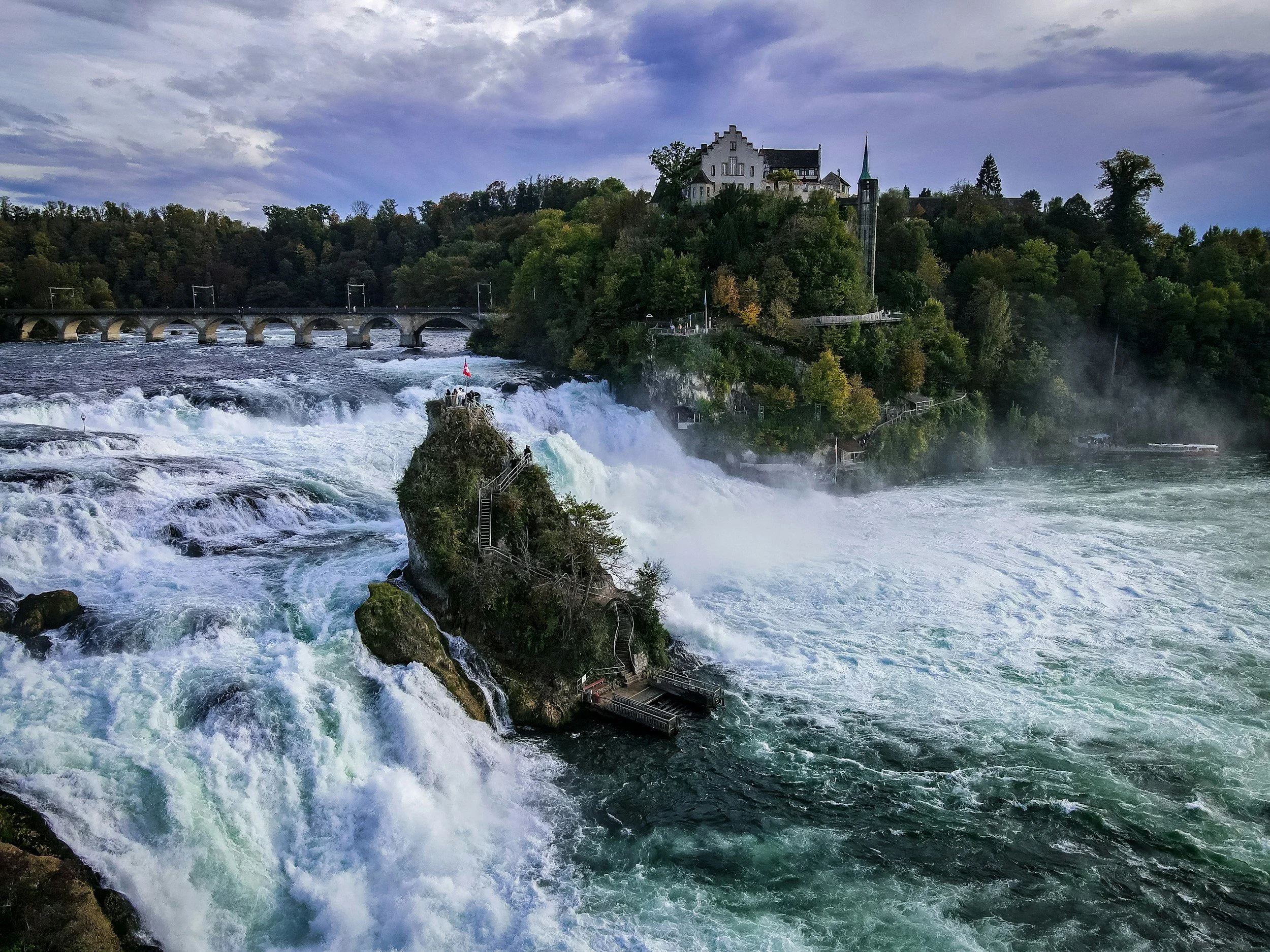
10) Rhine Falls
The Rhine Falls is Europe's most powerful waterfall and one of Switzerland's most dramatic natural spectacles. It was formed over 15,000 years ago due to Ice Age tectonic shifts and erosion, and is now divided by a rock pillar in the center.
Where is it:
The Rhine Falls (Rheinfall) is located in northern Switzerland, on the High Rhine river next to the German Border. It is about 50km North of Zurich.
How to get there:
You can take a train from Zurich to one of the stations by the falls (Neuhausen Rheinfall or Schloss Laufen am Rheinfall). The train may change in Winterthur or Schaffhausen.