The Best Places to Visit in Spain
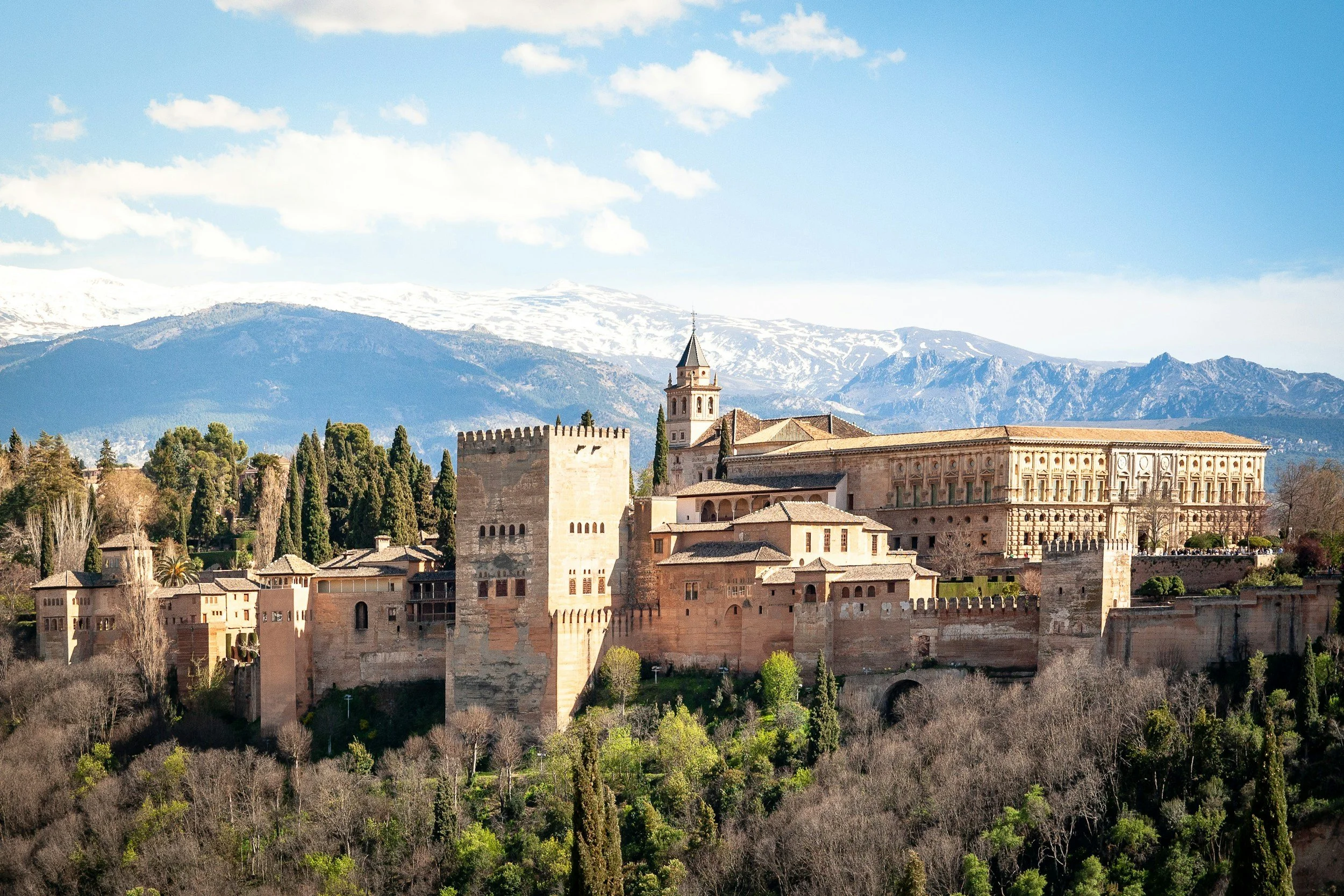
Spain is one of the most popular countries in the entire world for travelers of all sorts, because it has everything you could ever ask for in a country. You can find history in the stunning cities, sunshine and beautiful beaches all year round, and it is big enough that you can spend a lot of time here and keep coming back. It’s a really good country for backpackers too as the culture is quite lively. The whole country is just filled with bucket list destinations.
Capital: Madrid
Currency: Euro
Language: Spanish, Catalan
When to visit: March to October
Looking for somewhere to stay?
Find the Best Hostels in Spain→
1) Barcelona
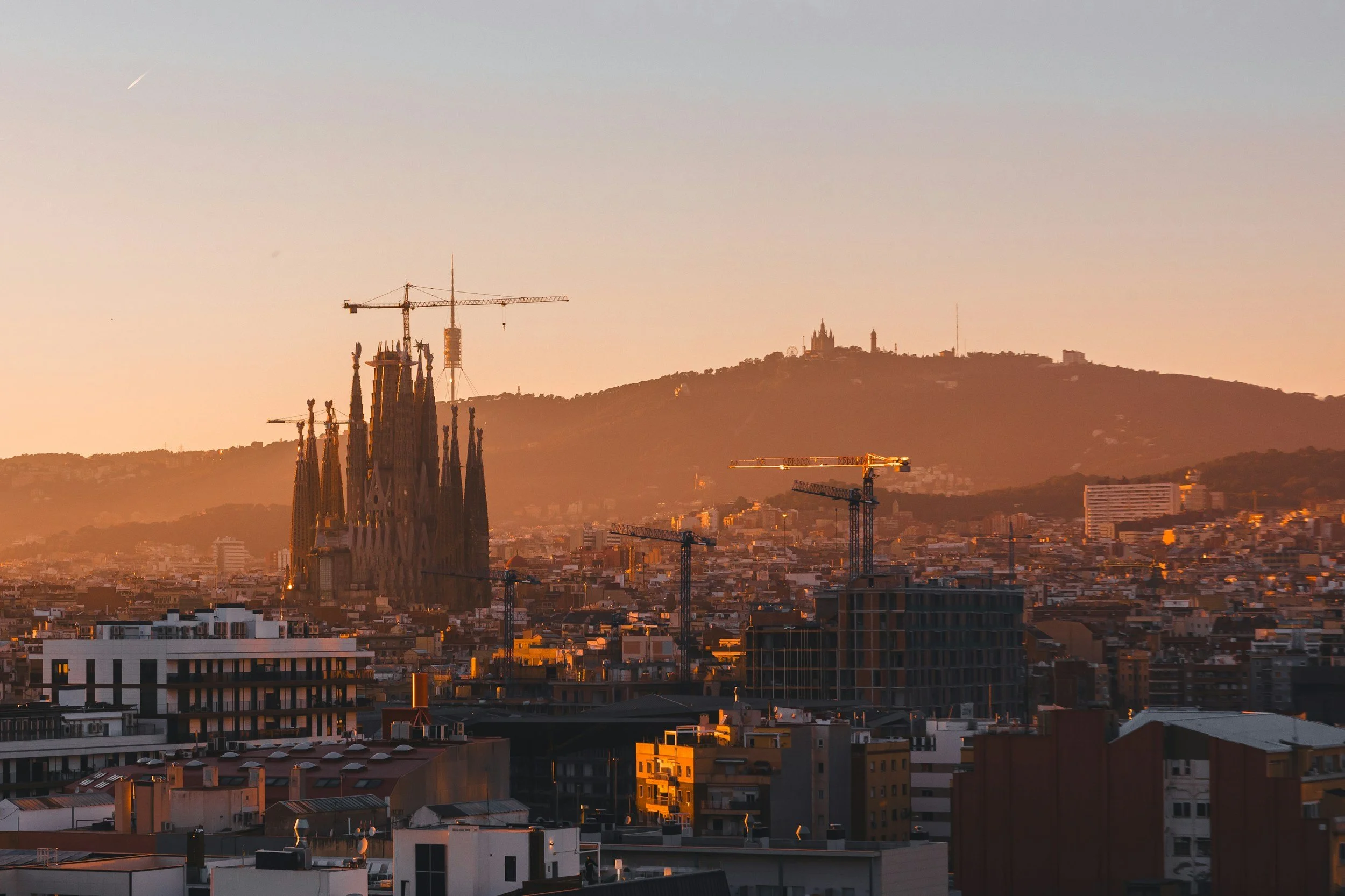
Barcelona is the capital of Catalonia and the second largest city in Spain, yet still the most visited by a good amount. As mentioned, you can find it in Catalonia, meaning they speak Catalan here and every day life runs in this language. The city itself is incredible, especially when the suns out which is not very often, and to top it off you have some amazing beaches all around.
Things to do:
Obviously the center piece is the Sagrada Familia basilica, but we all know this. So from here, walk around the Eixample neighborhood which spreads out into wide boulevards every direction. Then as you walk to the waterfront, you’ll head through the Gothic Quarter, and as you stroll through visit the The Barcelona Cathedral and the Plaça Reial square. You can walk a bit around the harbor past here as well and look out to the water. At the back end of the city away from the water is Park Güell, which sits up on a hill and is famous for the mosaic architecture. You can walk around every different neighborhood of Barcelona as they all have some beautiful structures. Now for beaches, the top 4 in my opinion are Nova Icaria, Platja del Bogatell, and Ocata Beach and Sitges Beach which are a bit further out the city.
How to get there:
Josep Tarradellas Barcelona-El Prat Airport (BCN) is one of Europe’s busiest with endless international flights.
You can also take a train or bus from most major cities in Spain, Andorra, and the south of France.
2) Madrid
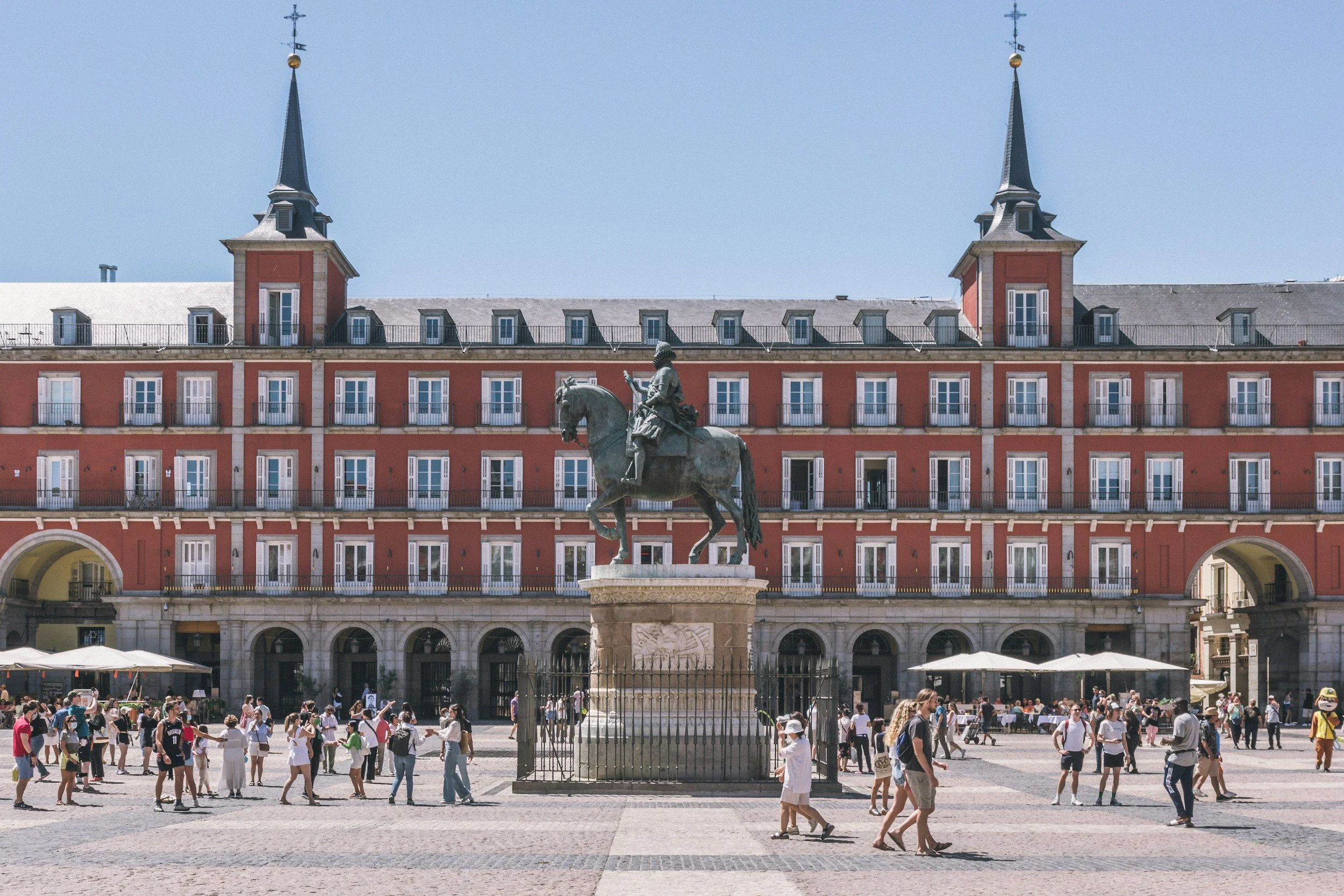
Madrid is Spain’s capital city and one of the biggest in Europe with a population of 7 million. It’s a pretty vibrant city and a really good place to visit for art and museum lovers, as there is a really nice collection here. You can also find some really extraordinary architectural pieces through the city which make it worth visiting just for that.
Things to do:
Lets start with the famous Golden Triangle of Art formed by the Prado, the Reina Sofía, and the Thyssen-Bornemisza museums along the Paseo del Prado. It is the place to be for art fans, being one of the greatest concentrations of art anywhere in the world. Right from this area, you can walk straight to Retiro Park which is a massive urban park filled with amazing green spaces and the Palacio de Cristal inside. On the west end of the historic center you will find the Royal Palace of Madrid, which is one of the city’s most incredible buildings and you have to see it. The Plaza de Oriente and the Jardines de Sabatini are right beside it making it worth the visit. Plus, the Almudena Cathedral is also not far and you should check out the interior of that. For some more areas to explore, head to La Latina for history and tapas, Malasaña for a Bohemian vibe, and Chueca for bars and restaurants.
How to get there:
Adolfo Suárez Madrid-Barajas Airport (MAD) is another one of Spain’s major international airport options.
You can bus or train from all over Spain as Madrid is centrally located.
3) Seville
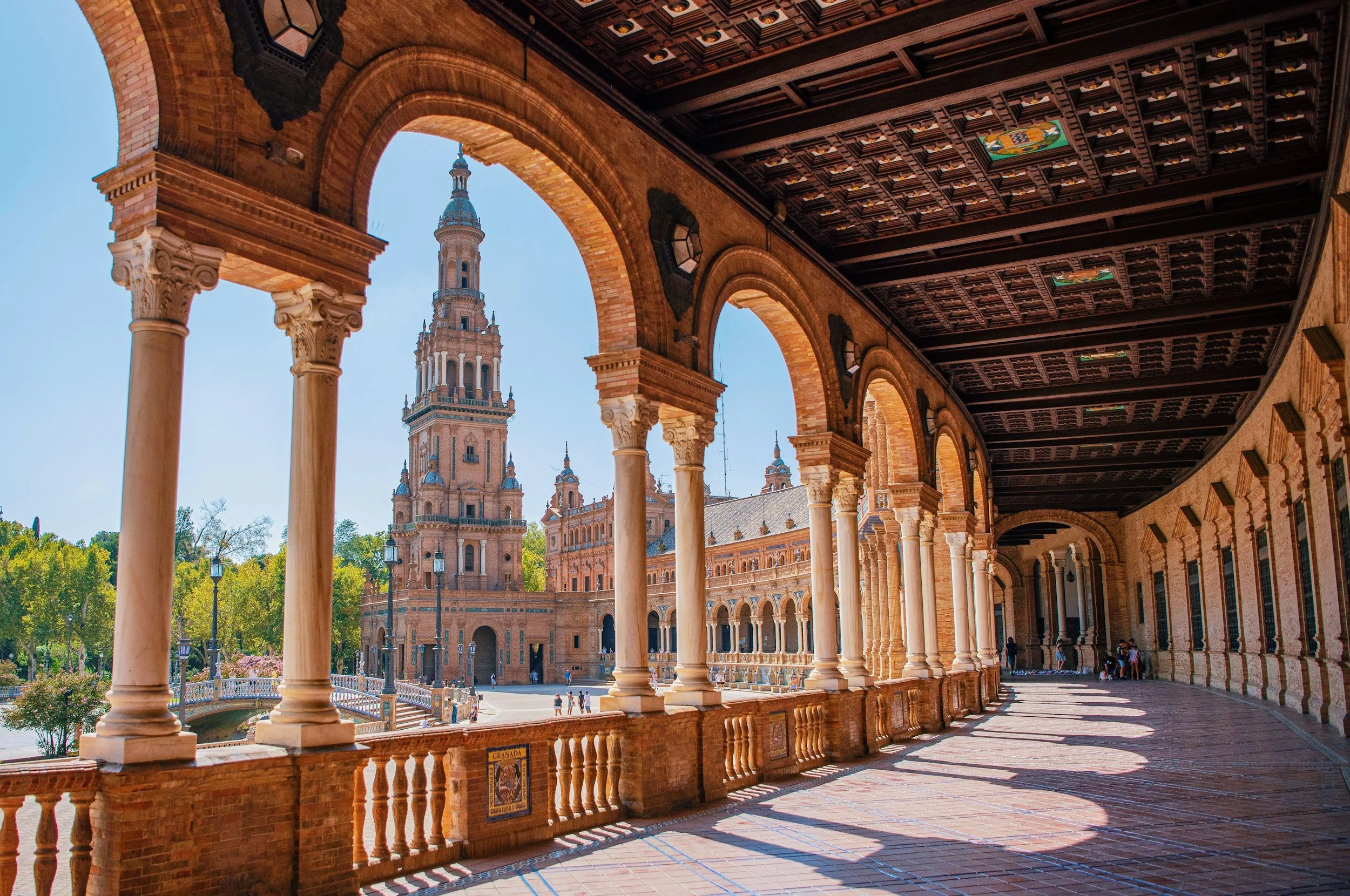
You can find Sevilla down south in Spain’s Andalusia region, and it is home to some of the most striking architectural pieces in all of Spain. It is definitely the place to be for anyone who loves spotting history in buildings, and as a bonus it’s the home of also the spiritual home of flamenco, the spanish dance tradition.
Things to do:
The Cathedral of Seville and the Giralda tower are definitely the best places to start your sightseeing with. They’re right in the city center and two beautiful complexes. Directly beside the cathedral, the Alcázar is arguably the single most beautiful building in Seville and one of the most extraordinary palaces in Europe. Make sure you dedicate time to walk this stunning palace. The Barrio de Santa Cruz surrounding the cathedral is the old Jewish quarter of Seville, so you can find a lot of cool streets to explore round here. My all time favorite place in Seville is the absolutely incredible Plaza de España, just next to Universidad de Seville. 100% worth visiting, an unmissable place to walk through. Across the river you can find the colorful neighborhood of Triana, home to the ceramic tradition of Seville, and the The Mercado de Triana round here is a nice indoor bazaar to stop at. And lastly check out the Regina area, where you can find the contemporary art sculpture known as TheMetropol Parasol.
How to get there:
Seville Airport (SVQ) is pretty good mainly for flights across many European cities.
You can easily train or bus from all the surrounding cities, including Madrid, Cordoba, Malaga, and Granada.
4) Granada
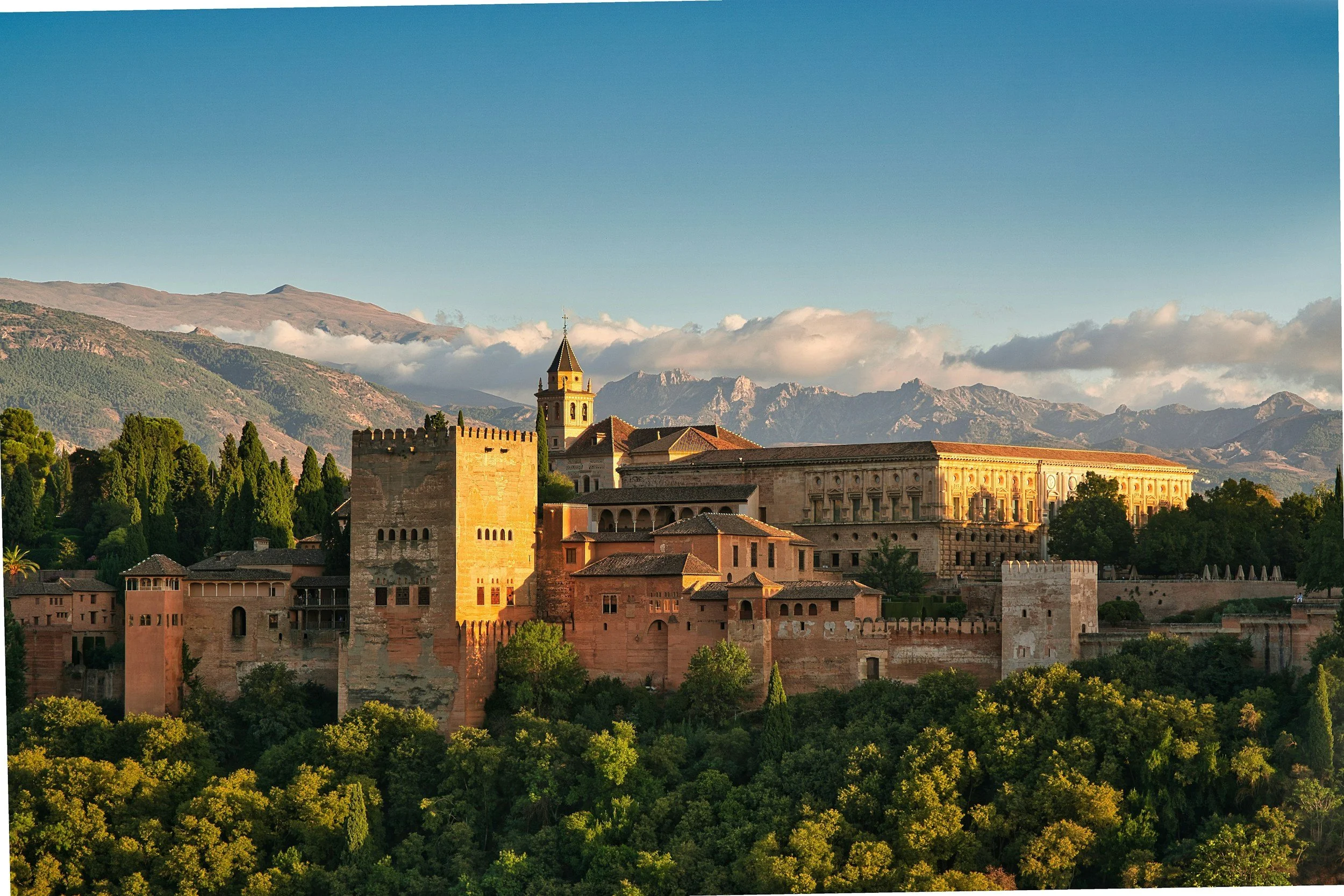
Granada is another city in Spain’s alluring Andalusia region, but is much smaller than Seville with a current population pushing 250,000. Historically it was the last stronghold of Moorish Spain, and nowadays you can see that amongst the historic neighborhoods which are complimented well by the stunning natural backdrops.
Things to do:
The main standout point of interest in Granada is very easily the Alhambra. It is a giant historic complex up on a hill containing things like the Nasrid Palaces, the Alcazaba fortress, and the Generalife gardens, all absolutely beautiful destinations. You need to come here and explore it at least once, the view and buildings are amazing. You can walk north of the Alhambra to the Albaicín which contains yet even more historic alleys and streets. Of course we can’t leave out Centro as well, where you can see things like the Catedral de Granada and the incredible Monasterio de San Jerónimo. These are the main things to see, just make sure you dedicate multiple nights here because exploring on foot is the best experience.
How to get there:
Federico García Lorca Granada-Jaén Airport (GRX) is a decent sized airport with some European connection.
You can also take a bus or a train from all over Spain easily.
5) San Sebastian
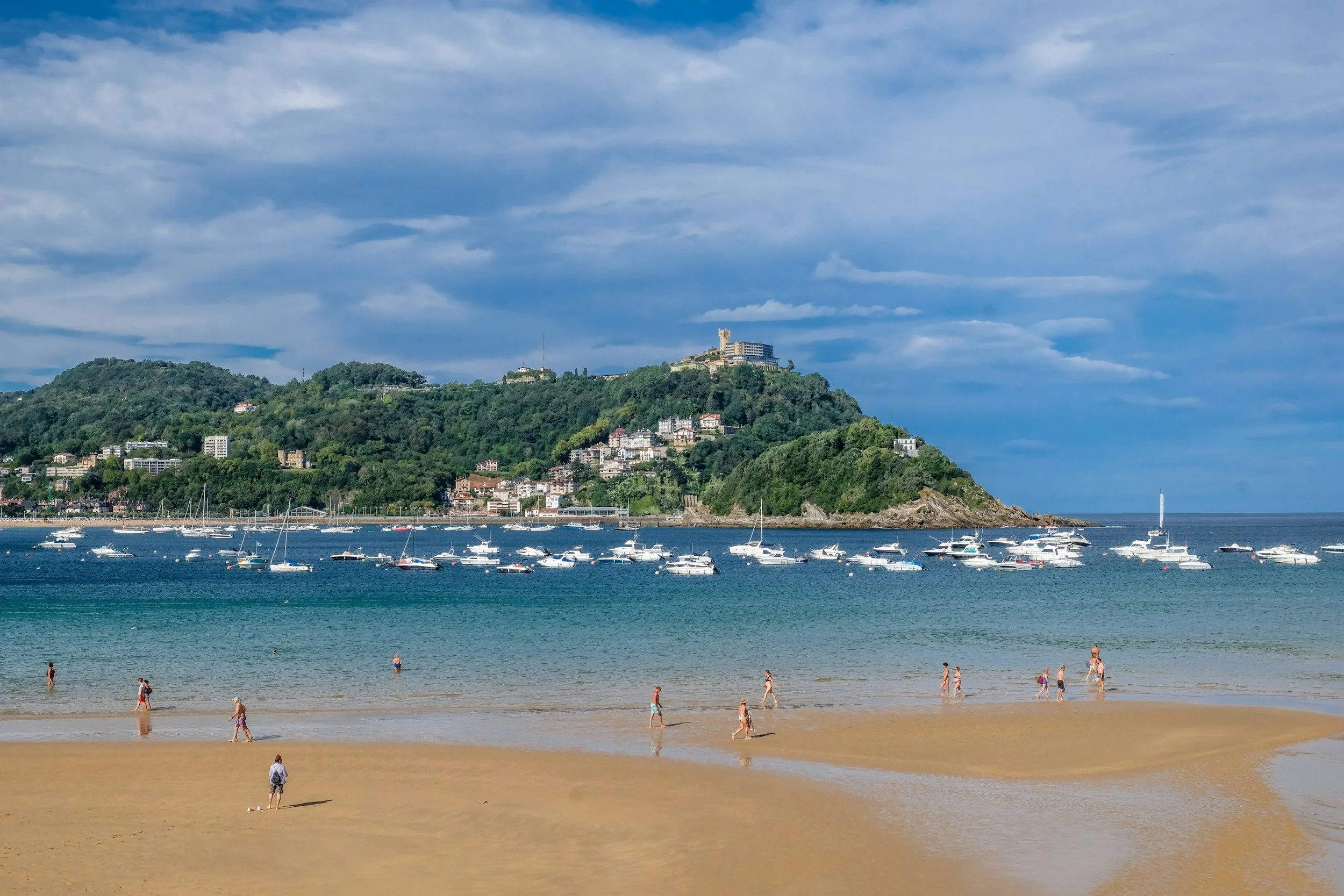
Now we move all the way up to the north of Spain in the Basque country, where you can find San Sebastian, a popular city on the Atlantic Coast with a gorgeous beach setting and backdrop all around the bay the city is sat in. They do speak Basque here, and the culture is pretty strong.
Things to do:
The old town which is called Parte Vieja, is the main place to check out first, and it is special as it sits out right on the coast. You have to head up Mount Urgull for the best views in the city, and there is a lot of viewpoints up here which are best at sunset. Walk back inwards to see the old buildings such as Cathedral Buen Pastor de San Sebastián. The main city beach is called La Concha, which is a really nice curved beach and for a city beach, it’s one of the nicest in Europe. For a viewpoint which blows Urgull out the water, take the funicular railway up to Monte Igueldo on the west side of the beach and it is a million percent worth it. San Sebastian is basically just a good place to spend a good few nights on the beach in Spain’s Basque country.
How to get there:
You can fly into San Sebastián Airport (EAS) or Bilbao Airport (BIO) giving you a lot of route options around Europe.
You can otherwise take a bus or train from most cities in Spain stretching as far as Madrid.
6) Cordoba
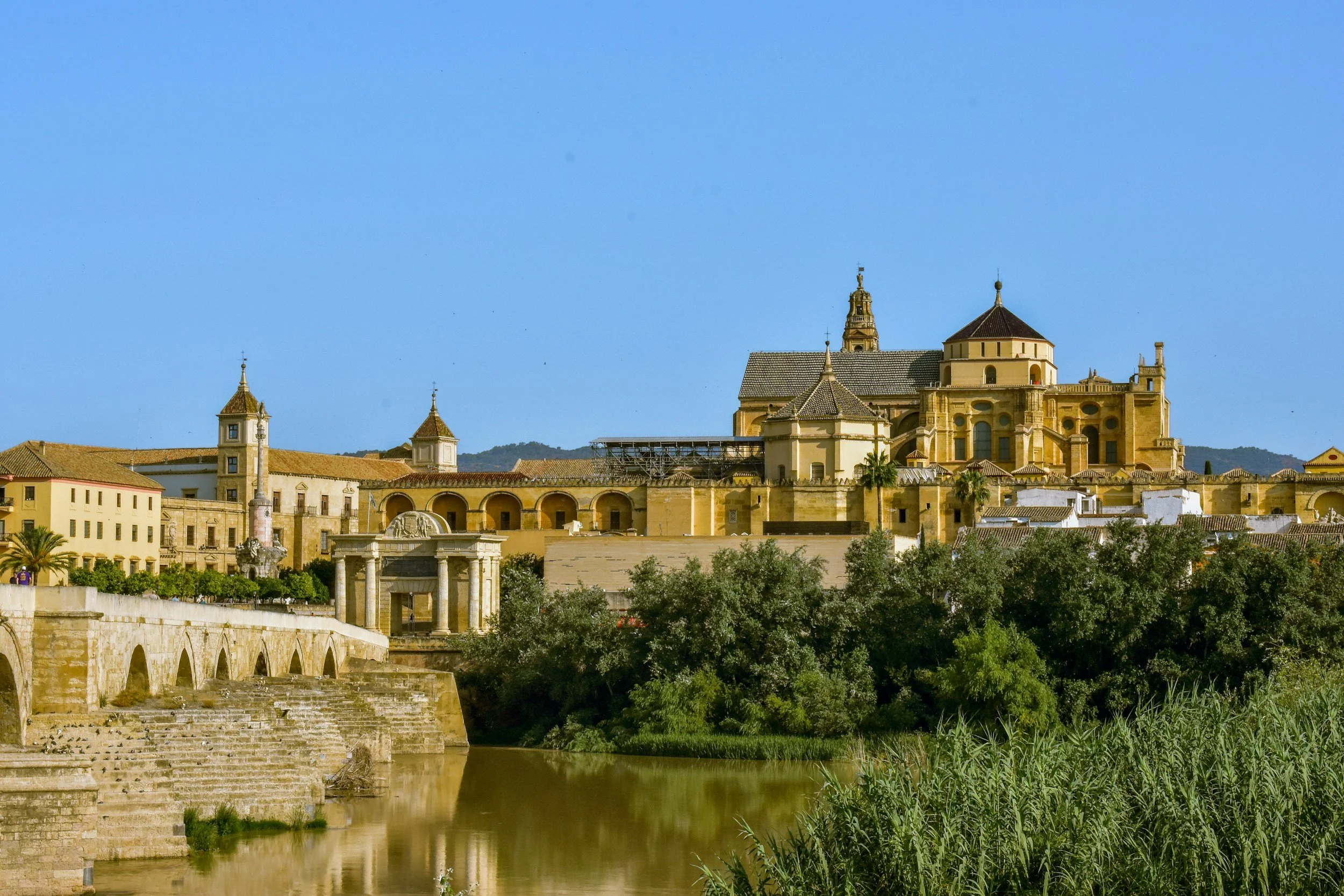
Back in Andalusia, you can find the city of Cordoba northeast of Seville. Much like its Andalusian counterparts, it carries a lot of significant history, and a fun fact is that it had about 500,000 residents when London only had about 10,000. Muslim, Jewish, and Christian scholars used to all work alongside each other here, and now it sits as a beautiful city worth adding to your itinerary.
Things to do:
Let’s start with the Mezquita-Catedral, meaning the Mosque Cathedral, which has one of the most iconic interior designs in the country, with 856 columns painted in red and white stripes. Spend a lot of time here, it’s very worth it. The Roman Bridge of Córdoba is right outside it, and if you walk across it to the other side of the river it makes for a great photo spot, plus you’re met with the old Torre de la Calahorra fortification at the end. Surrounding the Mosque-Cathedral is the Jewish Quarter, which has some really really nice old white lanes and plazas to explore, including the Synagogue of Córdoba tucked away here too. Then southwest of this is the 1300’s palace known as the Alcázar de los Reyes Cristianos which again, is worth going inside to see the interior and gardens.
How to get there:
The cloest airport is Seville Airport (SVQ) which is about 1.45 hrs away.
It’s easier to just take a train or a bus from any of the surrounding cities like Seville or Madrid.
7) Valencia
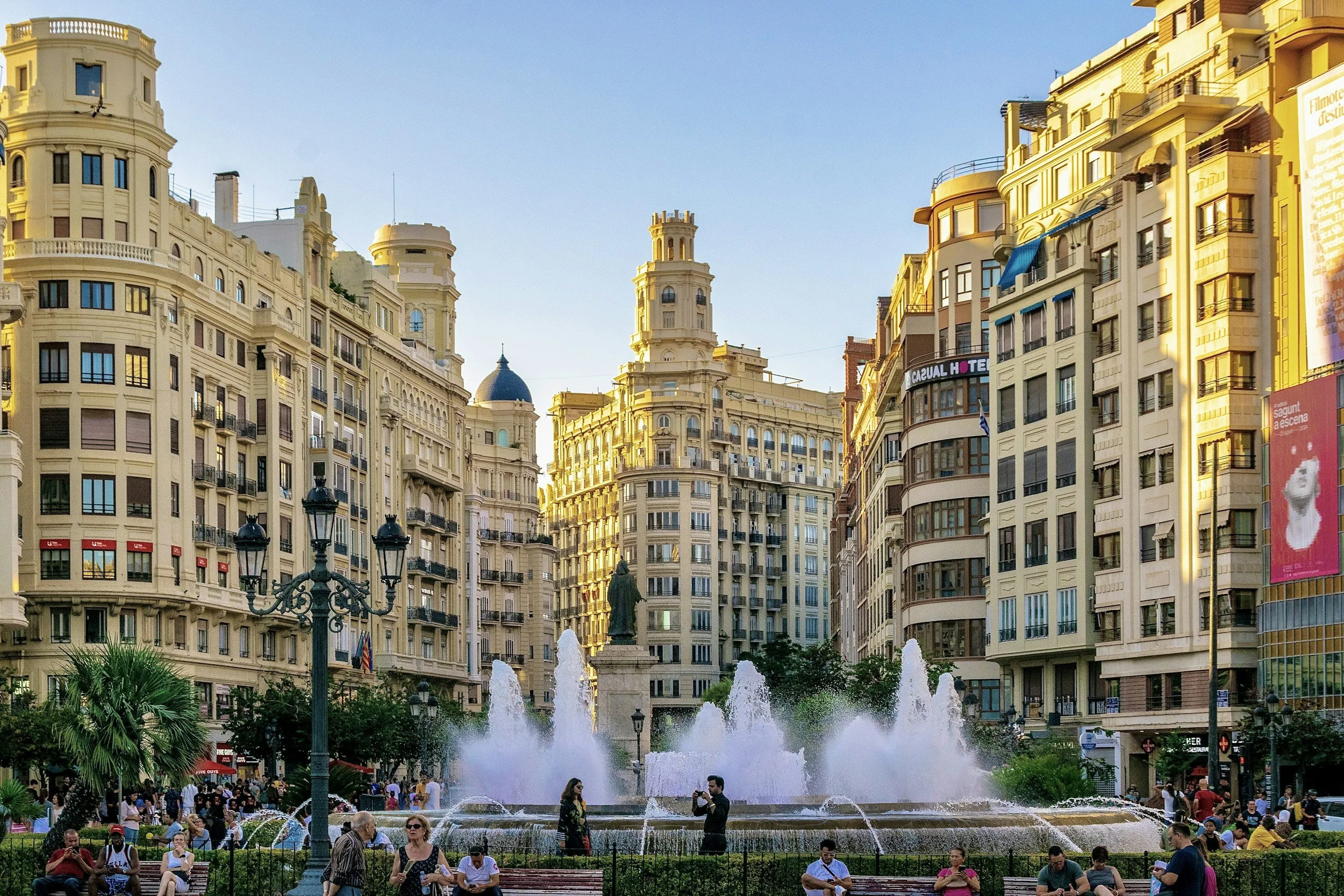
Valencia is Spain’s third largest city, so naturally it’s a pretty busy place found on the coast about halfway between Granada and Barcelona. It’s a big mix of historic buildings and more modern contemporary architecture all round the city so it’s pretty nice to walk through. It’s not for everyone, but it has big city atmosphere mixed with beaches and history which is pretty nice.
Things to do:
The main city center which you’ll be exploring isn’t actually by the waterfront, but it’s called Ciutat Vella and it’s a very walkable area including the Cathedral of Valencia and the El Micalet building. The Cathedral is also currently the leading candidate who claims to house the Holy Grail. And a short walk from the cathedral is the Llotja de la Seda, another fine Gothic building. Check out the Central Market while here too. One of the most unique parts of Valencia is the Turia Gardens, which literally runs like a big strip across the entire city ending at the Ciudad de las Artes y las Ciencias science museum. For swimming/beaches, Playa de la Malvarrosa and Playa de las Arenas are the main city beaches which get real vibrant in summer.
How to get there:
Valencia Airport (VLC) has direct flights from various major cities around Europe.
You can also take a train or bus from all the major cities including Seville, Barcelona and Madrid.
8) Bilbao
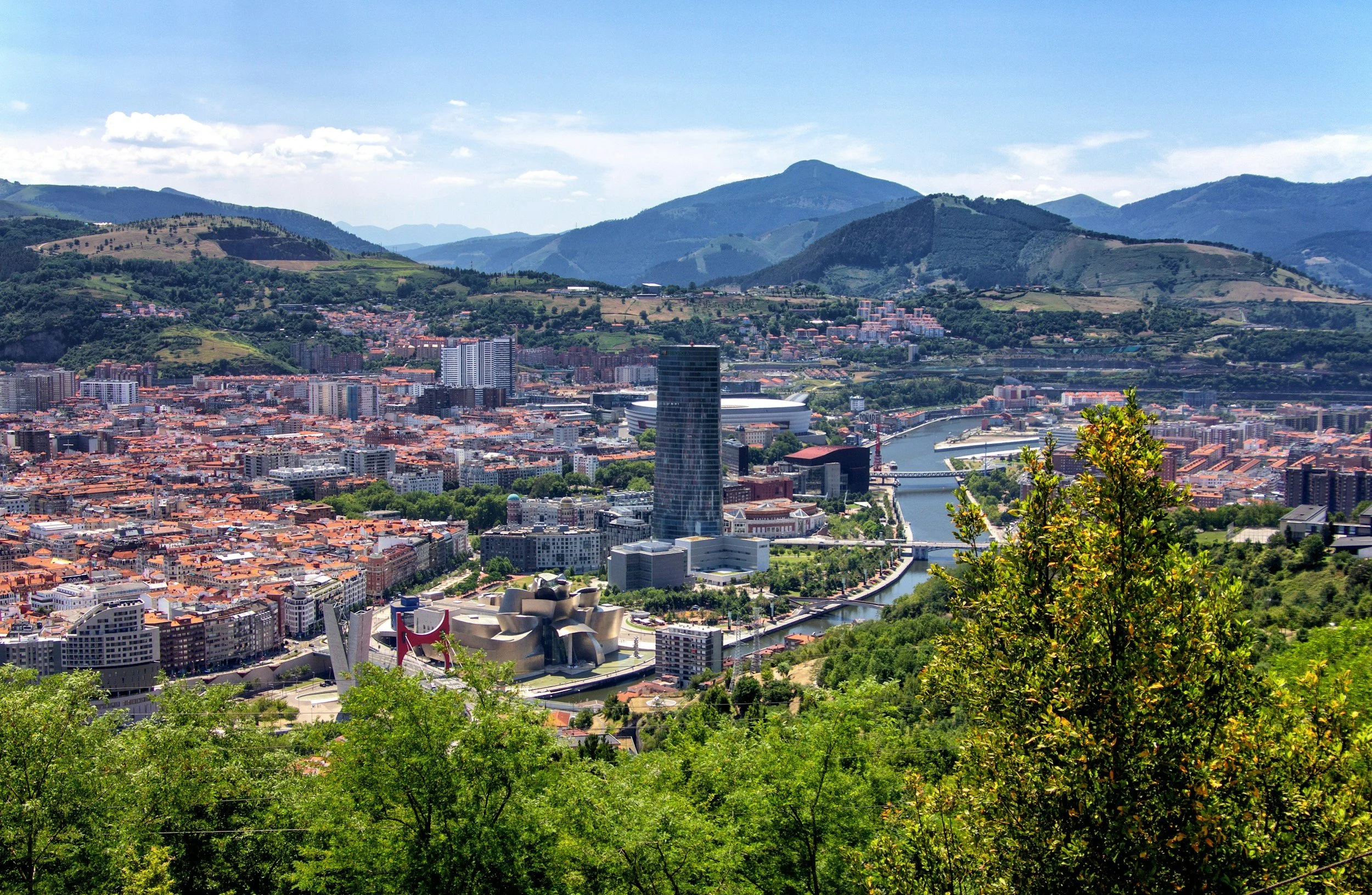
Following off the earlier mention of San Sebastian, the city of Bilbao is the capital of the Basque country. It’s definitely a pretty unique place, with the way to describe it being pretty modern and industrialized. It used to be a polluted, trash port city but the new urban planning which they call the ‘Bilbao Effect’ is why it looks like this today/
Things to do:
The Guggenheim Museum Bilbao is the starting point and centerpiece, sitting on the riverbank with it’s very modernized steel design. A good view of this building comes from the Puente de La Salve bridge. From here, you can walk along the Abandoibarra waterfront promenade to experience the feel of the city, and I’d say walk south until you to get to the small old town of Bilbao called Casco Viejo. as I said, it’s pretty small with the Bilbao Cathedral in the middle. On the edge of it is the Mercado de la Ribera, the main significant market you can check out too. And my last recommendation, take the cable car up Mount Artxanda for nice views of Bilbao.
How to get there:
Bilbao Airport (BIO) is a big airport with constant flights coming in from round Europe.
You can just take a train or bus mainly from places like Madrid or San Sebastian.
9) Mallorca
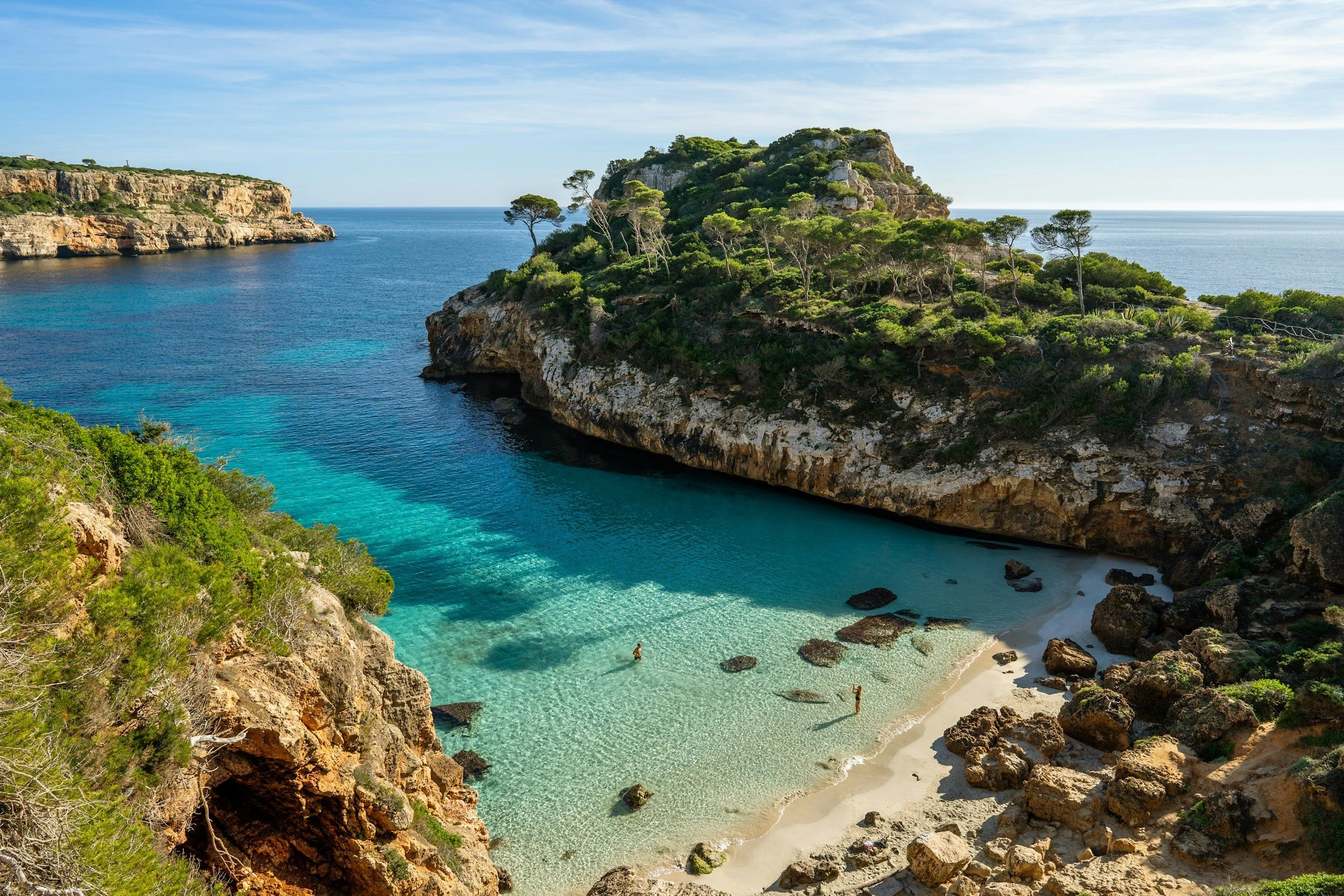
Despite the constant booming tourism levels, I’m still going to mention the island of Mallorca, as it has some of the most attractive beaches anywhere in the country. It’s the biggest of the Balearic Islands, and of course the most visited too. Although it’s overpopulated with tourists, there are still some great spots with less tourists around.
Things to do:
The top 3 places everyone goes to are Magaluf, Palmanova, and El Arenal. They are mainly just resort, beach style places so I don’t need to say much more. There’s also Palma which has an amazing Old Town and buildings like The Cathedral of La Seu. From Palma you can actually reach a lot of smaller villages with less people. You can take the train or bus to Sóller and Port de Sóller, Cala Figuera, or Artà, all lovely small Spanish island villages. To name actual beaches, you can find Playa de Palma in Palma, Platja den Repic near Port de Soller, Cala Mesquida near Arta, or Cala Mondragó near Mondrago. So overall, you can actually enjoy Mallorca without the crowds ruining your experience.
How to get there:
Palma de Mallorca Airport (PMI) is a very busy airport with flights from everywhere in Europe as it is a common holiday destination.
You can also take a ferry from Barcelona.
Support the Site
If these guides have helped your travels, consider buying me a coffee ~ it helps keeps the content free!
buymeacoffee.com/roamingideas