The Best Places to Visit in South Korea
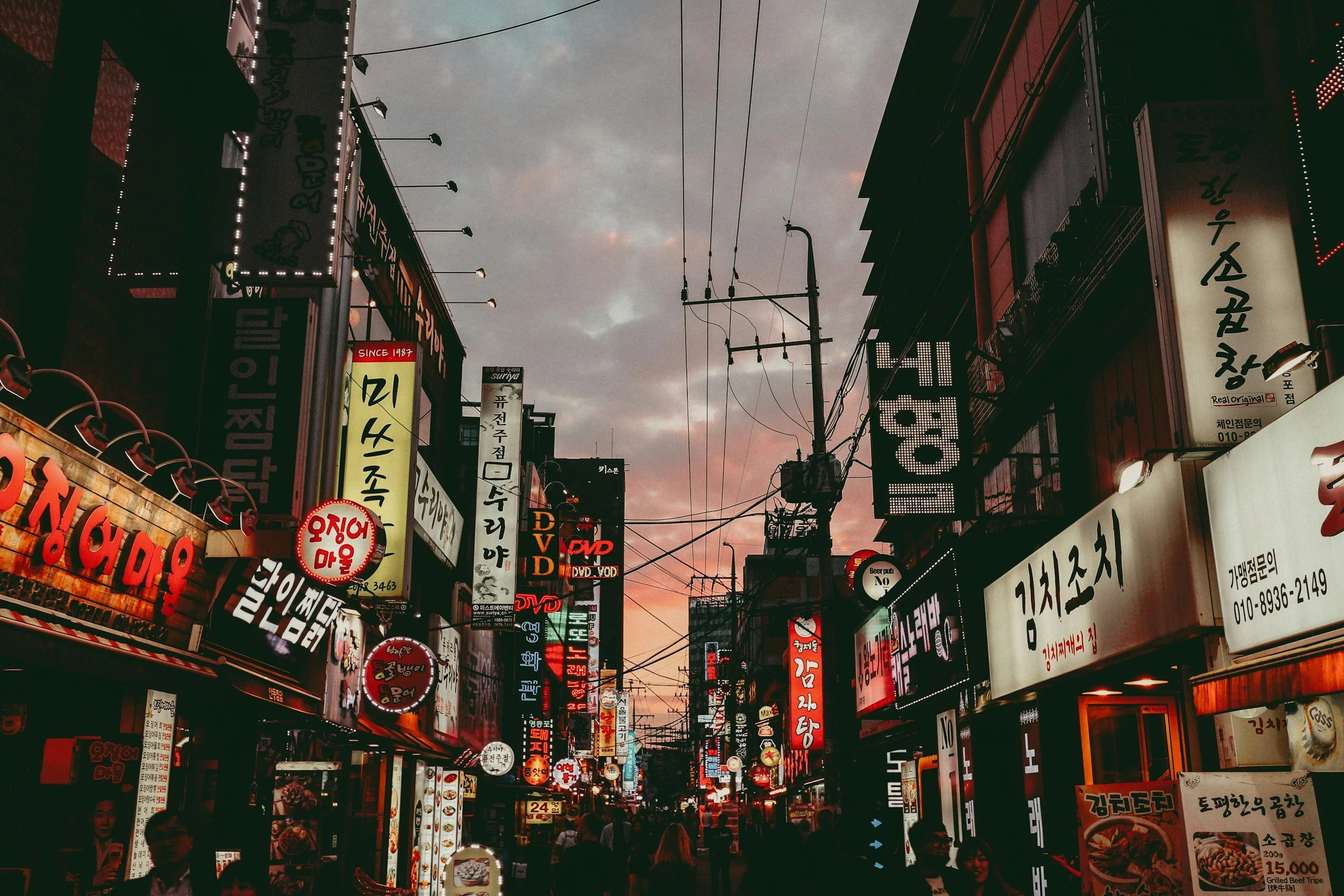
South Korea is one of Asia’s more advanced, high tech countries, occupying the southern half of the Korean Peninsula. It has a massive population of nearly 52 million people, with half the country living in the greater area of Seoul, the capital city. South Korea has a very mountainous landscape, and when you count that in with all of its bustling big cities, you can see where the travel appeal comes from. The cuisine of South Korea is famous all around the world - everybody knows about Korean BBQ and street food. South Korea is a great destination to visit when you are in East Asia, and it ticks all the boxes when it comes to culture, history and experience.
Capital: Seoul
Currency: South Korean Won
Language: Korean
When to visit: March to May & September to November
1) Seoul
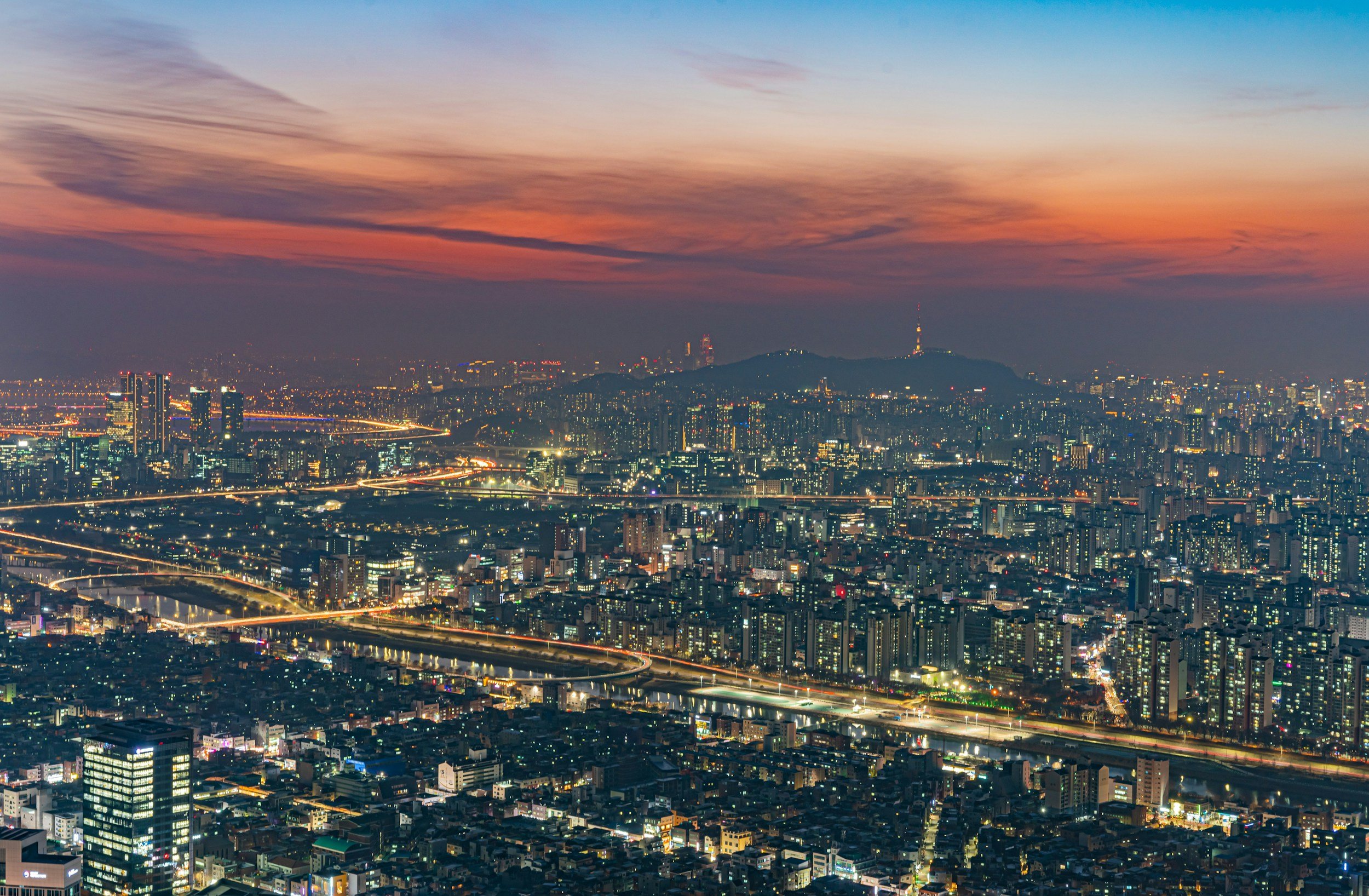
Seoul is the capital and largest city of South Korea, located in the northwestern part of the country along the Han River. It’s one of the world’s most populous and dynamic metropolitan areas, with about 9.7 million people in the city proper and roughly 25–26 million in the greater Seoul Capital Area, making it one of the largest urban regions on Earth. It’s a fast paced, efficient city with a world class subway system and a vary of neighborhoods.
Things to do:
There is so much to do in Seoul so let’s start with the historic center, in and around the Jongo-Gu district. The most popular is Gyeongbokgung Palace, Seoul’s grandest palace with a lovey throne hall and garden. Next, walk the narrow traditional Korean streets of Bukchon Hanok Village, which is filled with history. Another street you can walk down is Insadong, which has a lot of teahouses and eateries. Visit Jogyesa Temple, Seoul’s main Buddhist Temple. Outside the historic area, ride the cable car up Namsan Mountain, where the N Seoul Tower is. Also visit Myeongdong, Seoul’s energetic and vibrant street food and shopping area. It comes alive at night. Lastly, visit the trendy neighborhood of Hongdae. There is so much to see in Seoul you’d never get bored.
How to get there:
Incheon International Airport (ICN) is a big international airport with direct flights from nearly every region.
If in South Korea, high speed trains are available from all big cities straight to Seoul (Busan, Incheon, Daegu, etc).
2) DMZ
The DMZ (Demilitarized Zone) is the heavily fortified buffer zone that divides the Korean Peninsula between South Korea and North Korea. It was established on July 27, 1953, as part of the Korean Armistice Agreement that ended active fighting in the Korean War. It lets you see right over to the territory of North Korea. It stretches the length of the Korean Peninsula. It’s only about 50-60km from Seoul.
What you’ll see:
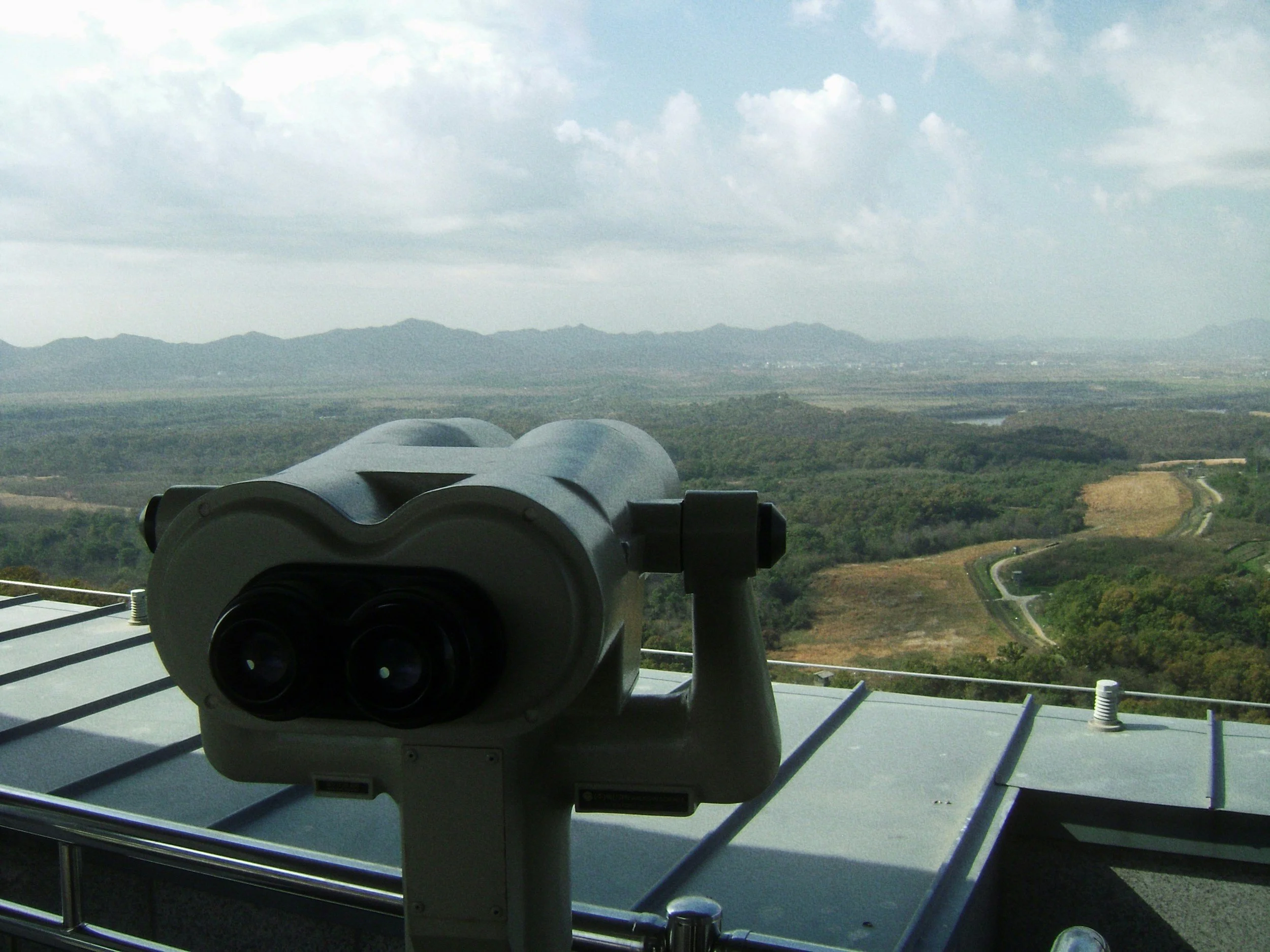
During your tour, there a few typical stops which you’ll see. Imjingak Peace Park is the first one, and is a symbolic park with peace statues, memorials and more. The Third Infiltration Tunnel is another, and it is one of four known tunnels dug by North Korea under the DMZ to infiltrate the South. Dora Observatory is another stop, which is the closest you can get to North Korea, and it’s where you look through the binoculars right over the border to North Korea’s fake propaganda village and land. These are just a few common places.
How to get there:
Because of the immense security levels here, you can only visit by guided tour from Seoul.
3) Busan
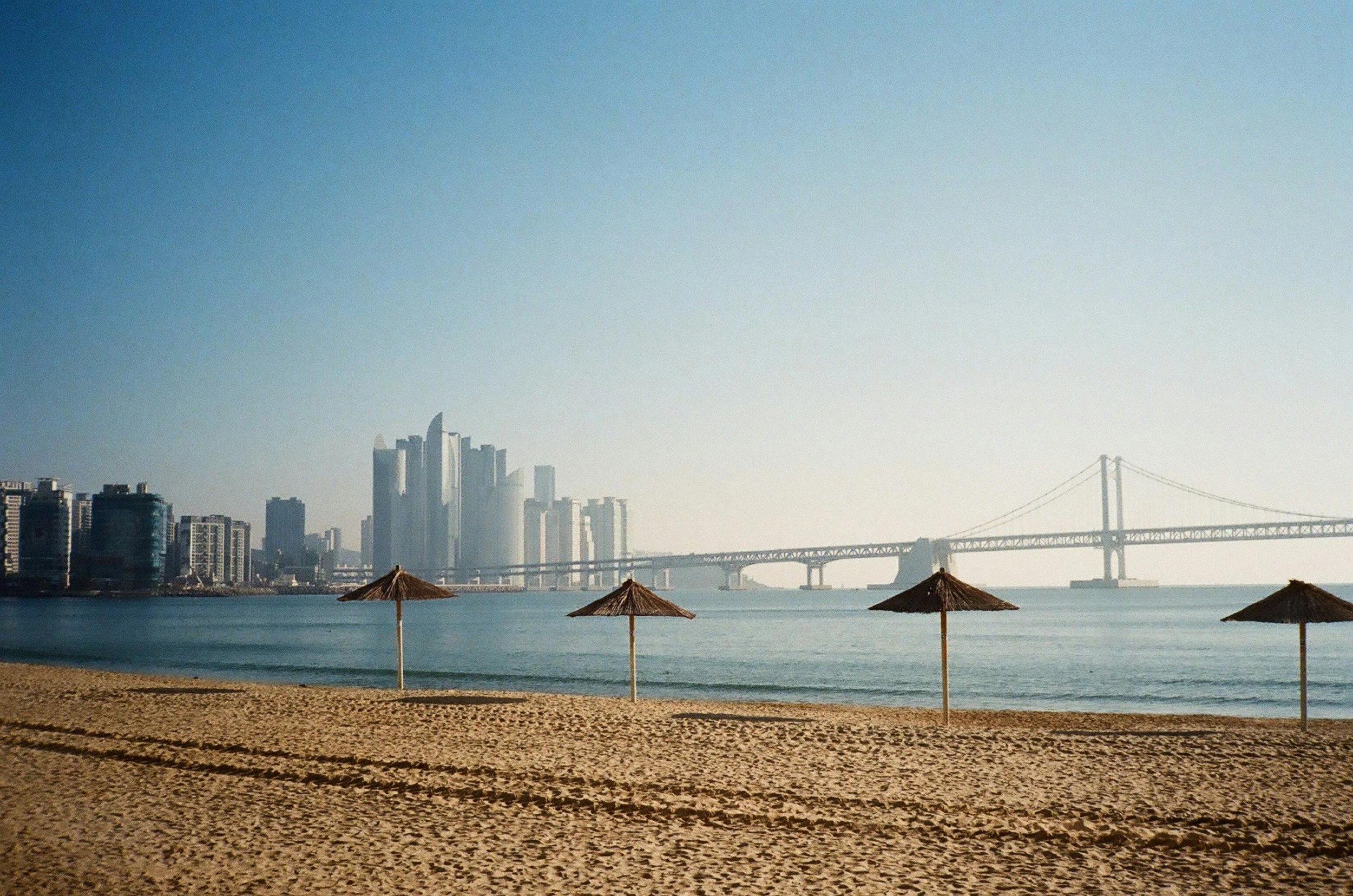
Busan is South Korea's second-largest city and its main port on the southeastern coast, facing the Sea of Japan. The city is surrounded by hills and is known for its beaches, too. It was a small fishing village until Japan developed it as a port in the late 19th century. Today, it’s Korea’s major port city and a popular tourist destination for those wanting a mix of cultural elements, modern skyscrapers, and beaches of course.
Things to do:
Busan has two major areas of the city, the first being Nampo-dong - the historic area. Around here you’ll find stalls, markets, historic buildings and more. Close by is also the iconic Gamcheon Culture Village. It’s the colorful hillside village with painted houses and layered streets you can stroll through and explore. The second area is around Seomyeon, the bustling downtown area of Busan. This area is the major commerical and transportation area of Busan and has a much different vibe to Nampo-dong. A bit further from both these areas you can find Haedong Yonggungsa Temple, a crazy temple built on rocks overlooking the ocean. Lastly, I have to list off the best beaches, so: Gwangalli Beach, Haeundae Beach, and Songdo Beach.
How to get there:
You can easily take a modern, high speed train from Seoul direct to Busan, they run very frequently.
Bus is also a cheaper option from Seoul, too.
You can actually take a ferry from Japan, specifically Fukuoka or Shimonoseki.
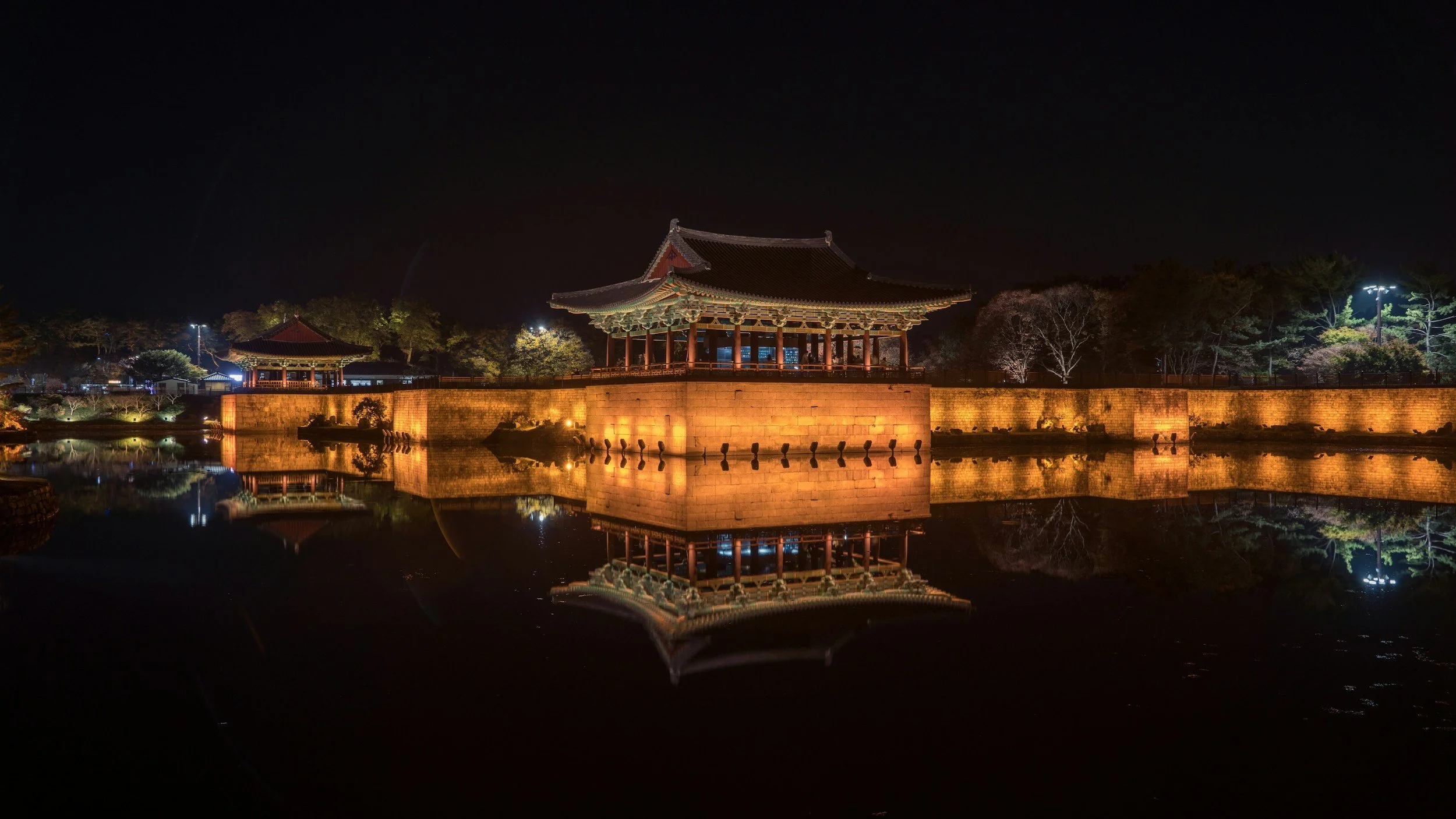
4) Gyeongju
Gyeongju is a historic coastal city in southeastern South Korea, a bit further north of Busan. It was the capital of the ancient Silla Kingdom, and is often called the “Museum without walls,” because it has so much historical sites inside the area which you can just visit. In fact, Gyeongju is home to multiple UNESCO World Heritage Sites, which is why it’s a major tourist destination.
Things to do:
Go and see the Daereungwon Tomb Complex for yourself, it contains Silla-era tumulus tombs, and is a serene and peaceful area. Also visit Cheomseongdae Observatory - it is Asia’s longest surviving astronomical observatory. One of Korea’s most beautiful Buddhist temples - Bulguksa Temple - is located here in Gyeongju, and is 100% worth visiting. Further uphill to that is Seokguram Grotto, an artificial grotto with a serene Buddha statue carved into granite. The last thing I recommend which you have to see, is Donggung Palace and Wolji Pond (visit at night, it is super nice).
How to get there:
You can utilize more of South Korea’s high speed trains by coming direct from Seoul or Busan.
Bus routes are often similar and cheaper, but slower.
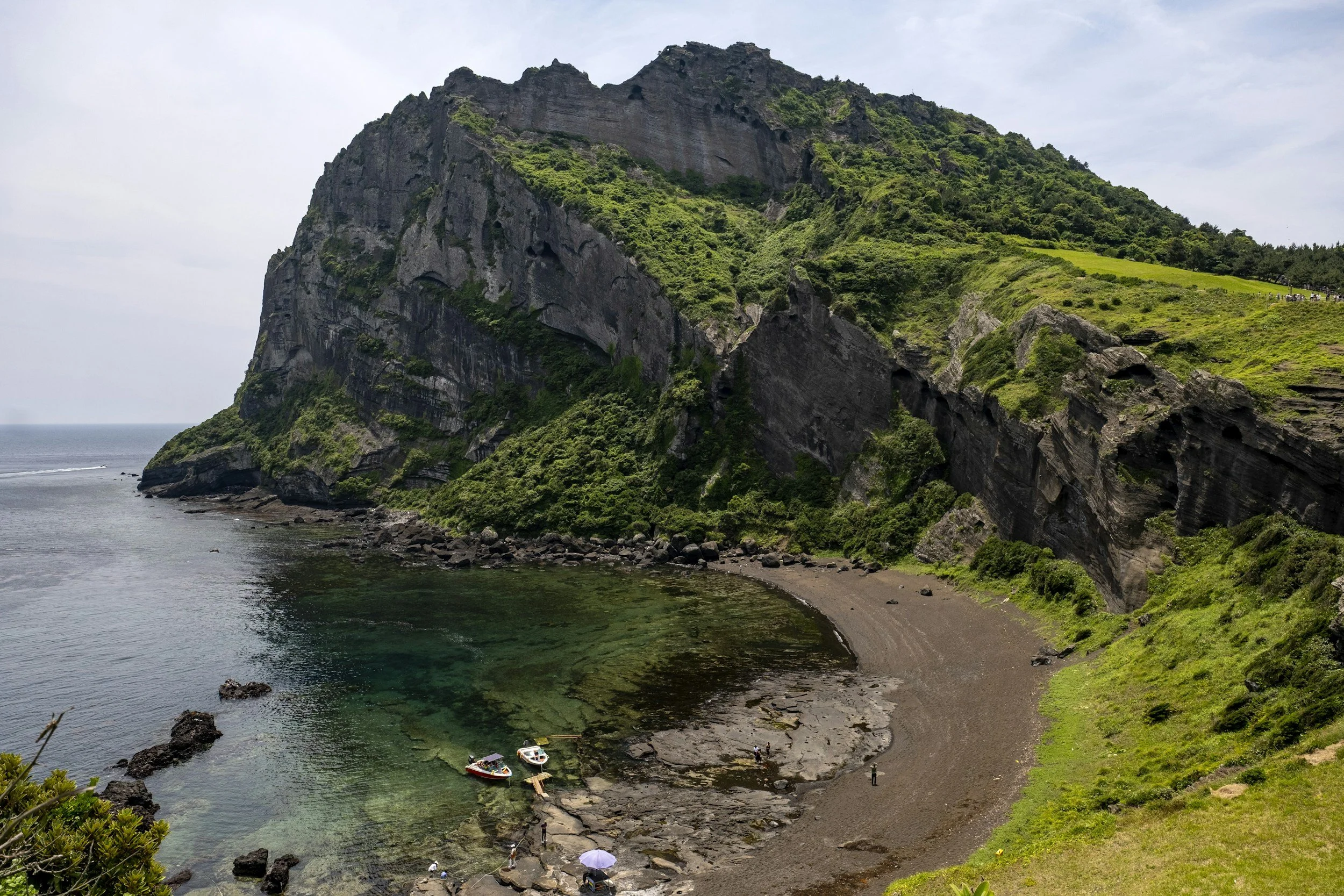
5) Jeju Island
Jeju Island is South Korea’s largest island off the south coast, and is filled with so much stuff: Lava tubes, craters, black sand beaches, waterfalls, and more. It’s geography somewhat resembles that of Hawaii. The island has a distinct culture and many traditions amongst the local people. So many people visit Jeju Island annually for it’s beaches and hiking options.
Things to do:
Here on Jeju you can hike South Korea’s highest peak: Hallasan Mountain. It sits at 1950m of elevation, with the best trails to the top being Yeongsil or Seongpanak. You should also visit the mountain named Seongsan Ilchulbong. Climb up the crater rim at sunrise for amazing views. It’s a great photo spot in general. On Jeju is also Manjanggul Lava Tube, one of the worlds longest lava tubes where you can walk through massive tunnels and lava formations. I’ll quickly name 2 beaches to visit: Hyeopjae Beach, and Hamdeok Beach - both great choices. And 2 waterfall spots: Jeongbang Waterfall, and Cheonjiyeon Waterfall. I really recommend visiting everywhere I listed here.
How to get there:
Jeju International Airport (CJU) has direct flights from almost every major South Korean city, as well as flights from around East Asia.
You can also ferry from mainland South Korea (from Mokpo).
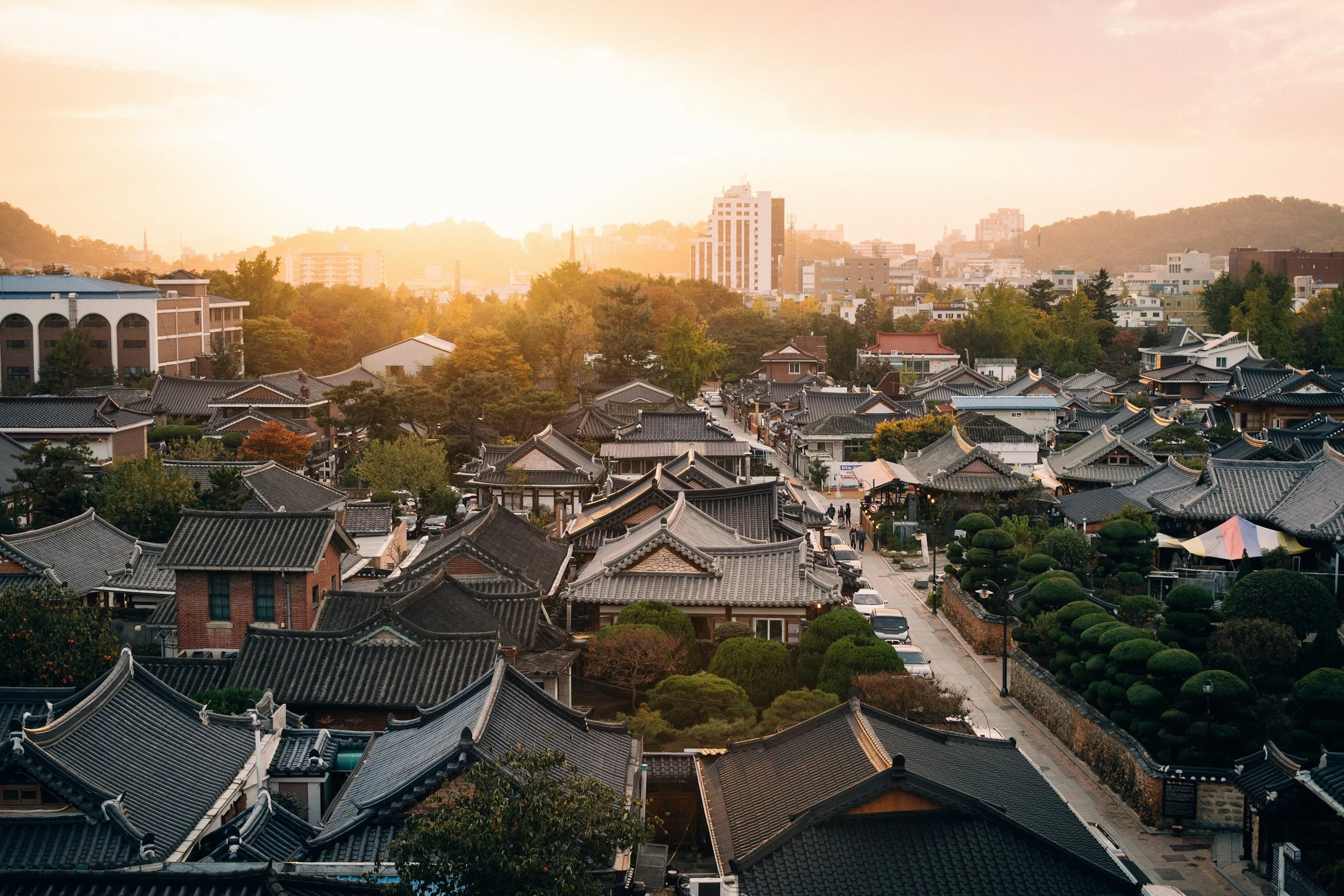
6) Jeonju
Jeonju is one of Korea’s most well-preserved traditional cities and the cultural heart of the Jeolla region. Over 650,000 people live here, and it’s known for its Hanok village area, which you’ll see in all the photos. It is incredible to see how they preserved such historic buildings all in one compact area, and it’s easy to see why it is a popular spot for traditional tourism in South Korea.
Things to do:
As mentioned, Jeonju Hanok Village is the main talking point. Walk the streets, there is over 800 preserved Hanok buildings in the area. Check out Gyeonggijeon Shrine, The shrine honoring King Taejo (founder of the Joseon Dynasty), as well as the Jeonju Traditional Culture Center. For views, climb the small hill to Omokdae Pavilion overlooking the village. Also, just outside the village is Jeondong Cathedral, a neo-gothic cathedral you can see.
How to get there:
High speed trains are available, mostly direct from Seoul and Busan.
Cheaper, yet slower bus options are available as usual.
Did this write-up help you?
Feel free to donate to me directly, and help keep the site running!
Thank you!!