The Best Places to Visit in Serbia
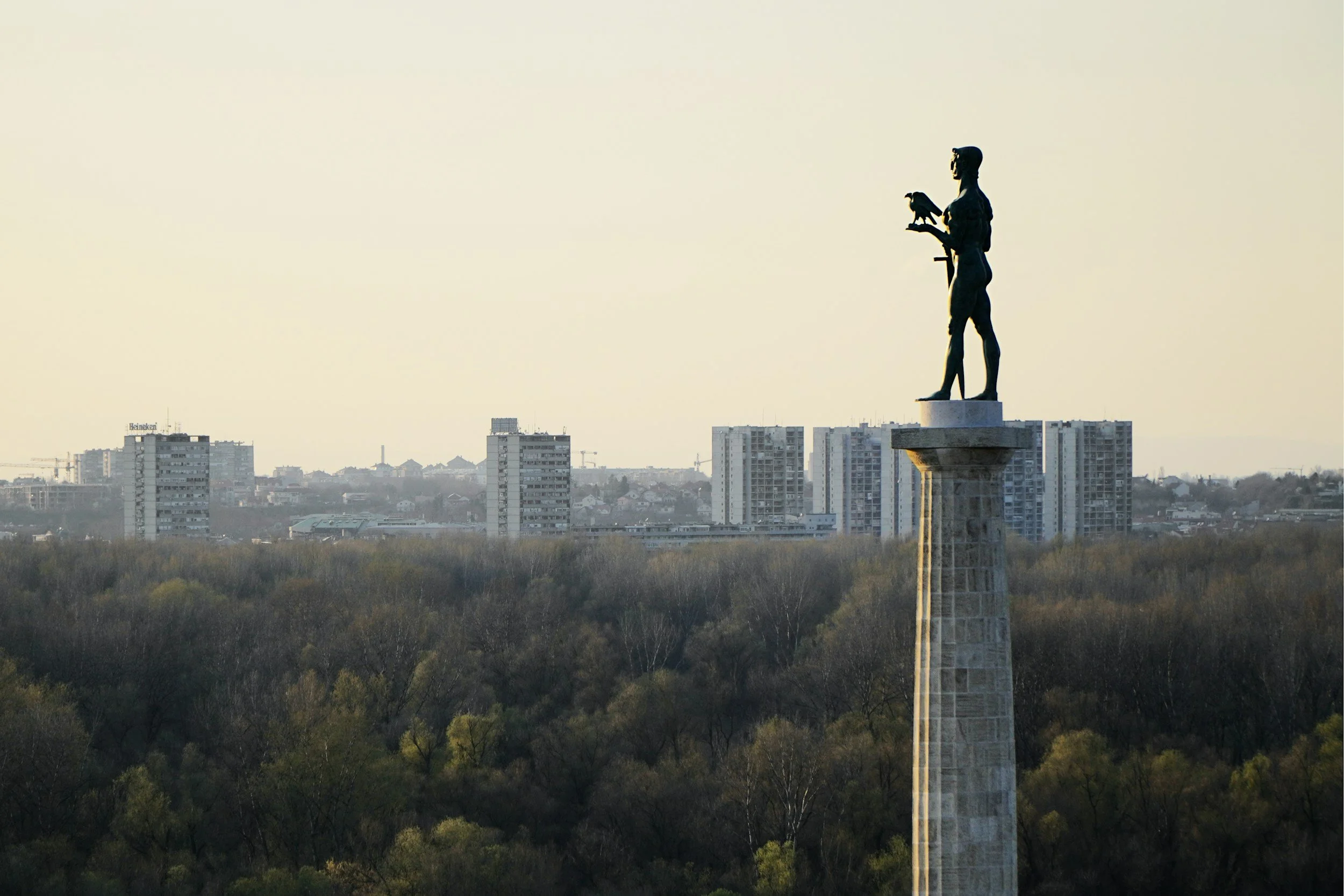
Serbia is one of the Balkan’s few landlocked countries, and a place pretty well known for national pride and culture. Almost 7 million people are estimated to live in Serbia, and if you look outside the capital you’ll likely find some pleasant hospitality from locals. It’s one of the lesser touristy places in Europe, but it has some nice city centers and a landscape filled with rolling hills and rivers. It’s a unique destination for sure, and if you want to feel that type of cold, Slavic vibe I would recommend visiting during a snowy period.
Capital: Belgrade
Currency: Serbian Dinar
Language: Serbian
When to visit: May to November
1) Belgrade
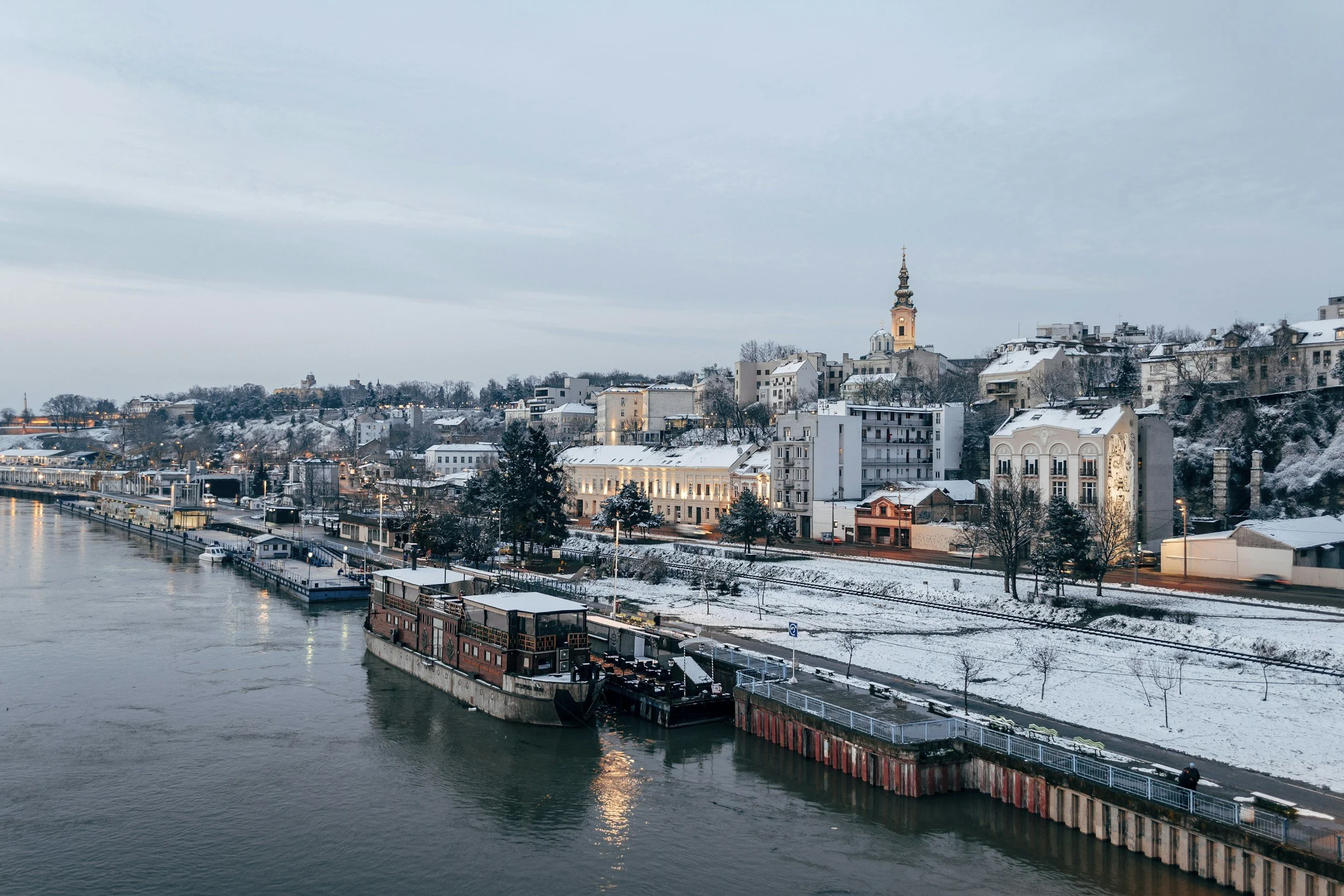
Serbia’s capital city of Belgrade is a raw, gritty and soulfol kind of place. Bohemian style streets run through the city, and historic sites can be spotted in many different places around the city. People who visit Belgrade have one of two things in mind; Some visit for the elegant city center, the churches, cathedrals, and all that stuff. Whereas some visit to see the brutalist architecture built as a result of post WWII effects. I can cover both here. The city also has free public transport mainly, so use it!
Things to do:
For those interested in the classical architecture, start with Belgrade Fortress (Kalemegdan Fortress), the ancient citadel overlooking the confluence of the Sava and Danube rivers. The park and surrounding area makes for a nice walk. After that (or on your way), walk to Skadarlija. It’s the popular vintage neighborhood, known as Belgrade’s Bohemian Quarter. You can find traditional taverns built amongt the streets. The main pedestrian street is Knez Mihailova Street which is the best place for shopping, street performers and all the kind of stuff you expect to see in a city center. I also have to mention the Nikola Tesla Museum, obviously. But lastly, walk into Republic Square, the central square with the National Theatre, National Museum, and Prince Mihailo statue. Now for those who want to visit the brutalist architecture Belgrade is infamous for, here’s my list of spots you can visit. Genex Tower (Western City Gate), Palace of Serbia, Novi Beograd (Blok 22 & 23 specifically), the Eastern Gate, Karaburma Housing Tower Building, Museum of Contempory Art, Avala Tower, and the Novi Beograd Town Hall.
How to get there:
Belgrade Nikola Tesla Airport (BEG) has some decent connection around Europe and is an option.
Train connections do exist, sometimes from Zagreb, Budapest, even Sofia.
Bus is the easiest, with buses from all around Serbia, plus Zagreb, Budapest and more.
2) Novi Sad
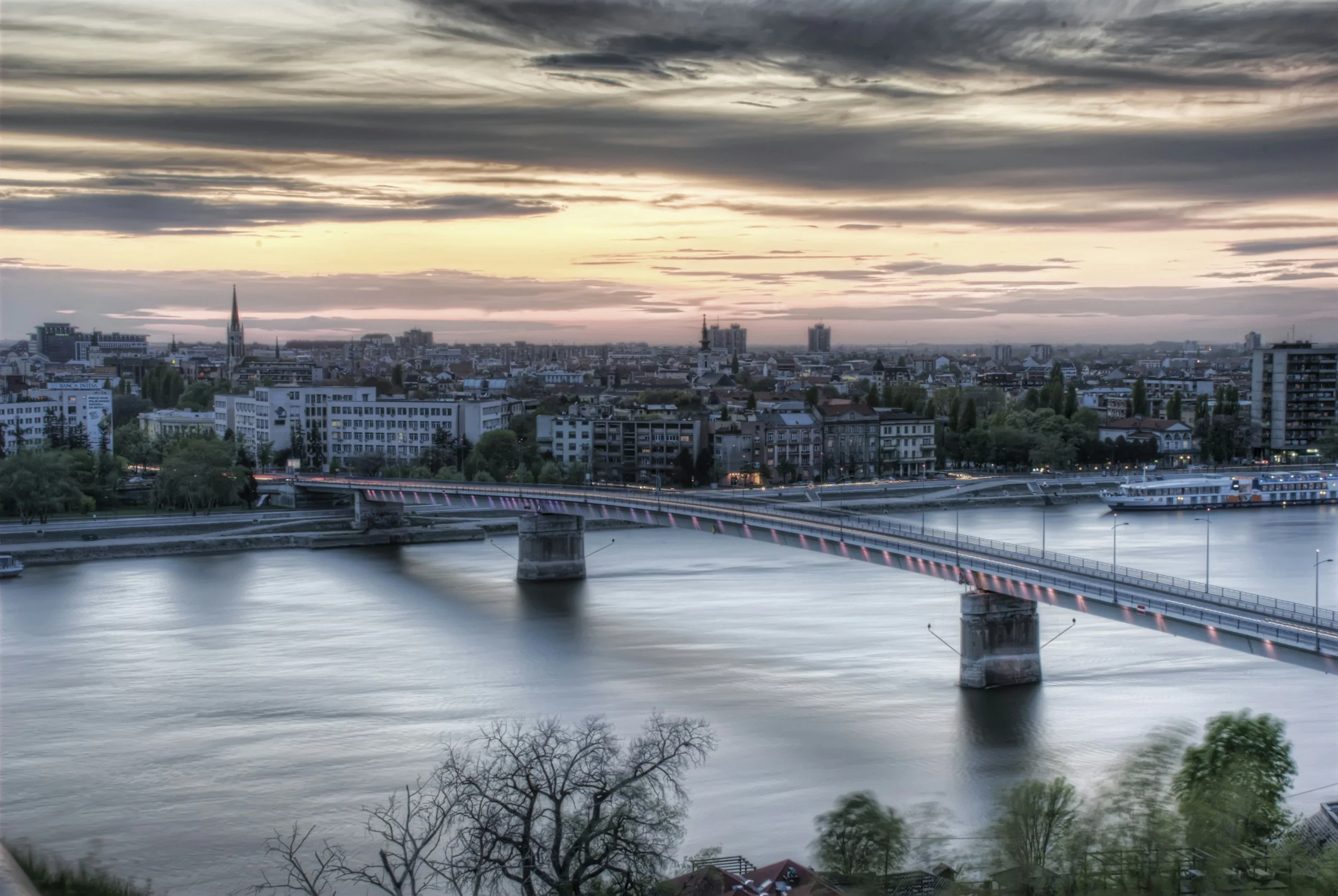
Novi Sad is Serbia's second-largest city, and is known as one of the most relaxed and cultured cities in the Balkans, with a strong Central European influence. It’s more walkable and refreshing than Belgrade which can feel quite grey. It’s built on the banks of the Danube, not too far north of Belgrade, so it’s an easy trip for tourists.
Things to do:
The coolest part of Novi Sad is Petrovaradinska tvrđava (Petrovaradin Fortress), and the clock alongside it. It’s an 18th century fortress built on a hill overlooking the Danube, so it’s a must visit here. It also looks great from down below by the river. Also go to Freedom Square (Trg Slobode), a beautiful central square highlighted by the Holy Name of Mary Catholic Church. While not the most scenic, Štrand Beach is still a beach and an option to relax. Mainly you should just walk round the streets of the city to experience a different aesthetic to what you will in Belgrade, and it’s an enjoyable experience.
How to get there:
Train is an option from Belgrade, there is about 35 options a day.
You can also simply take a bus from Belgrade and other Serbian cities.
3) Subotica
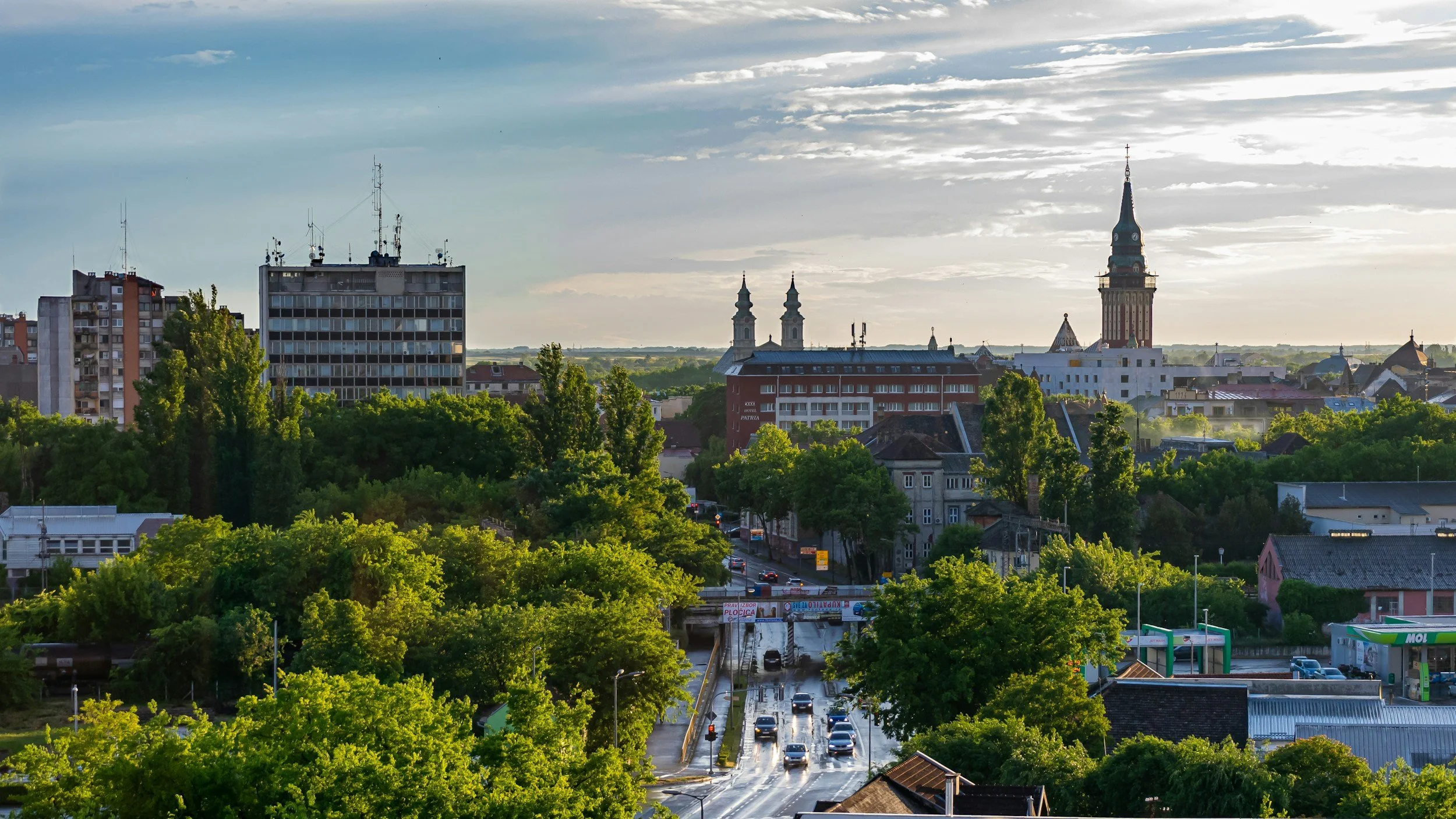
Subotica sits even further north than Belgrade and Novi Sad, basically right by the Hungarian border, so it has strong Hungarian, Serbian, and Central European influences. It’s a very popular Art Noveau city, emphasized by the architecture and vibe. It feels more authentic, with a population ~16x smaller than Belgrade. If you’re headed to or from Hungary, it is a place you could consider stopping.
Things to do:
The City Hall (Gradska Kuća) is a stunning art nouveau building, and if it’s open you can head up for views. Subotica also has one of the most fascinating synagogues, Subotica Synagogue. Continuing with the Art Noveau buildings, both Reichl Palace and Ferenc Raichle House are two iconic art nouveau houses with dazzling styles. You can also visit Cathedral of Saint Teresa of Avila, another display of Subotica’s architectural brilliance.
How to get there:
You can easily train from Belgrade.
Otherwise, take a bus from Budapest, Belgrade or Novi Sad.
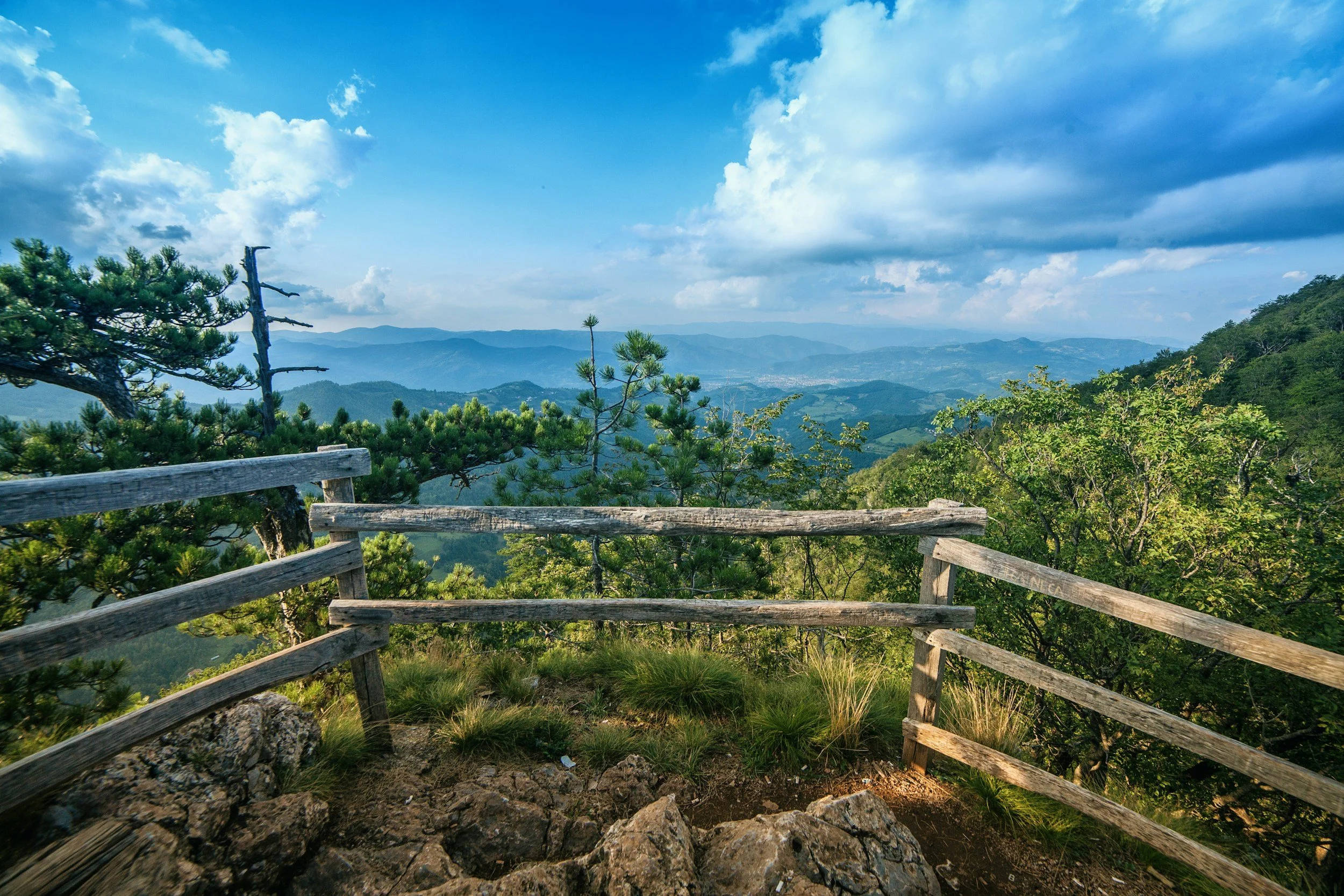
4) Tara National Park
Tara National Park is one of Serbia's most beautiful and wild national parks, located in western Serbia near the border with Bosnia and Herzegovina. It wouldn’t be a good list if there wasn’t a display of the country’s nature, so the obvious choice is Tara National Park. It’s about 25,000 hectares, and has some alluring rivers and canyons.
Things to do:
Serbia’s most amazing and breathtaking hike is the Banjska Stena Hike. It is extremely rewarding and unlike anything you’d ever expect from Serbia. It starts in the miniscule town of Mitrovac, and it isn’t even that hard (~4hrs). The Drina River is also beautiful, and experienced by guided boat experiences starting from different points around the park. Perućac Lake is an artificial lake on this river, and has some fishing and swimming spots too. Rača Monastery is also a Serbian Orthodox monastery you can visit, it sits 7km south of the town of Bajina Bašta.
How to get there:
You can take a bus from Belgrade to Bajina Bašta, but it’s best experienced with a car (you can maybe use taxis).
Support the Site
If these guides have helped your travels, consider buying me a coffee ~ it helps keeps the content free!
buymeacoffee.com/roamingideas