The Best Places to Visit in Saudi Arabia
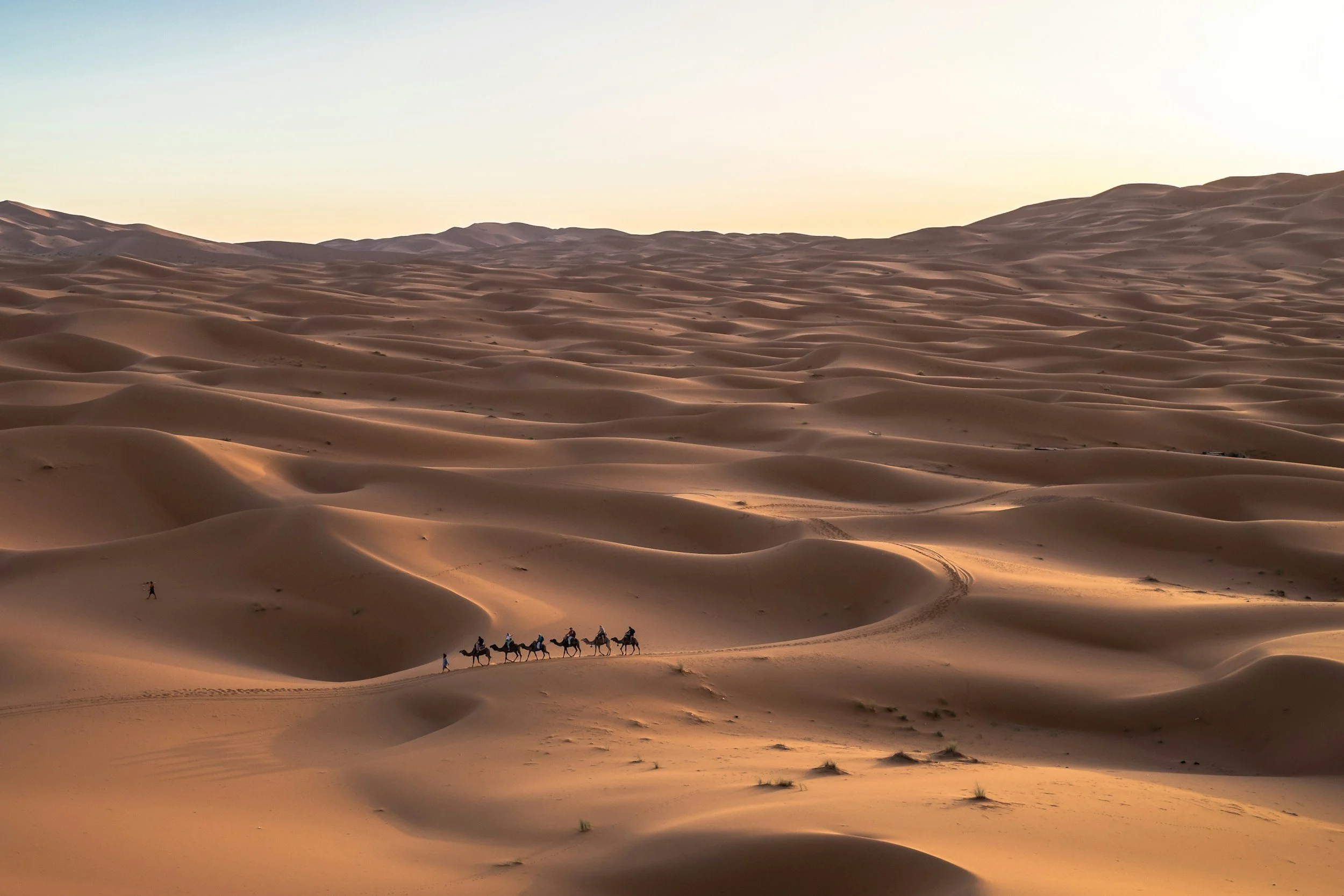
Saudi Arabia is one of the largest countries in the Middle East, covering most of the Arabian Peninsula with it’s desert-dominated landmass. The population is around 36 million people, and that includes many expats from other countries who move to some of Saudi Arabia’s ultra rich cities for opportunity. Saudi Arabia is literally the heart of Islam. Mecca and Medina are Islam’s two holiest cities, and Muslims travel from across the world throughout the year to visit and pray there. Outside all the cities is where you find the vast desert landscape and the dramatic natural areas. Saudi Arabia has a lot to experience, and note that Mecca (Makkah) is not included in this article as it’s not accessible for any non-Muslims.
Capital: Riyadh
Currency: Saudi Riyal
Language: Arabic
When to visit: November to March
1) Medina
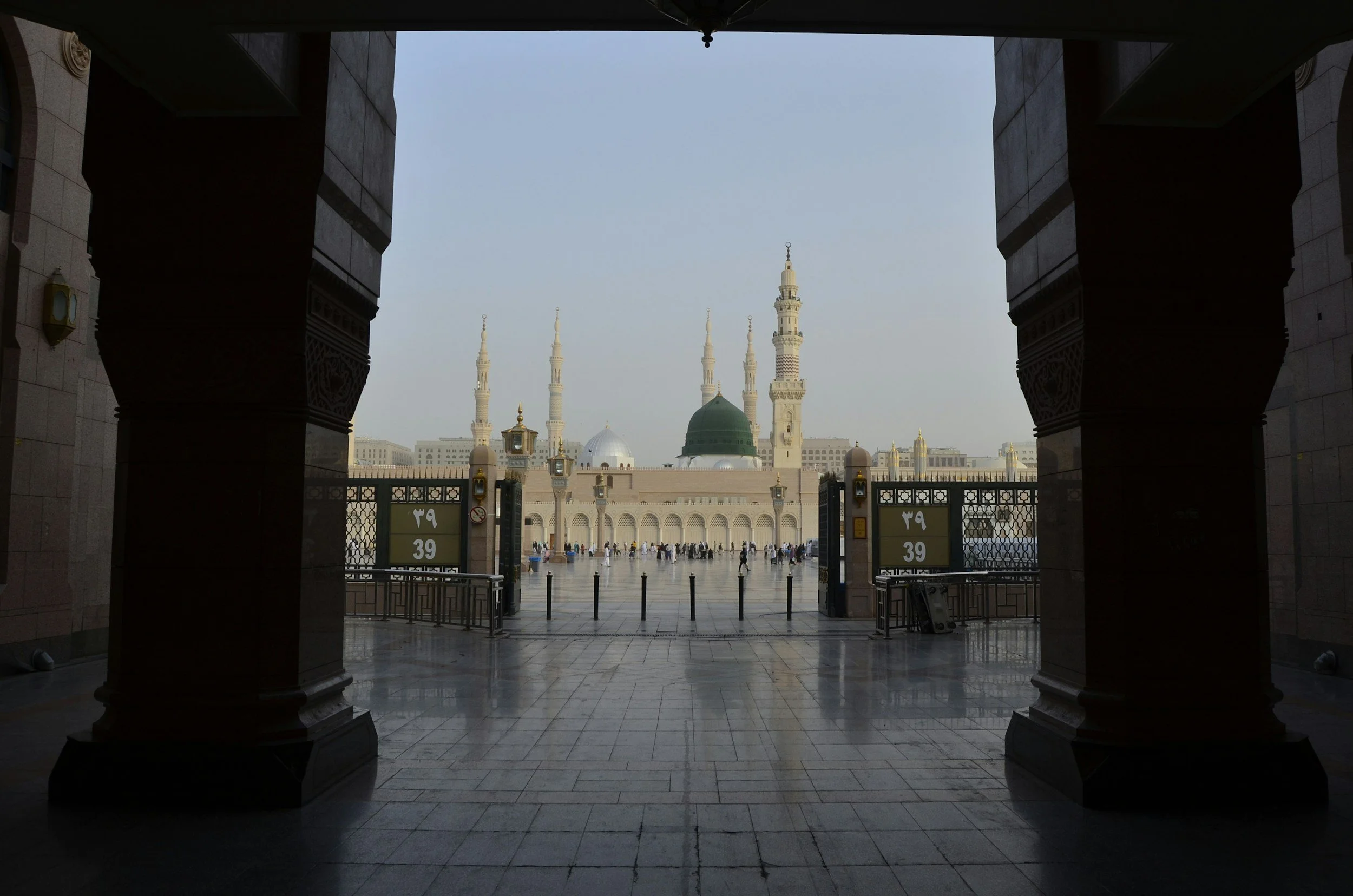
Medina is Saudi Arabia’s second-holiest city and one of the most spiritually significant places in the Islamic world. It’s a lot calmer than Mecca, and the cities importance comes from the history which states that in 622 CE, the Prophet Muhammad migrated here from Mecca in an event known as the Hijra, marking the beginning of the Islamic calendar. Access is still quite restricted for non-Muslims, but if you can get in you can see how important the city is to those practicing Islam.
Things to do:
The main site in Medina which is important for all is Al-Masjid an-Nabawi, the enormous mosque with vast marble courtyards and iconic retractable umbrellas that open during the day. Inside lies the Green Dome, beneath which the Prophet Muhammad is buried. If you are able to see it, even from outside the site, you can gage the immense size and amazing design. Directly next to the mosque is Al-Baqi Cemetery, which is where many of the Prophet’s family members and companions are buried. Spend a lot of time in the open courtyards around the mosque when you visit, it’s very interesting and busy. You can also find a lot of markets and shops around the city too, but it’s not the focus point.
How to get there:
Prince Mohammad bin Abdulaziz International Airport (MED) is the airport with direct flights usually from around the Middle East.
The high speed train route also connects Medina to Mecca, Jeddah, KAEC, and more.
2) Al-Ula
AlUla (Al-Ula) is an ancient city and region in northwest Saudi Arabia. It sits in a wide desert valley and the attraction comes from the sandstone cliffs which tower over you in dramatic shapes. It used to be a major stop on ancient trade and pilgrimage routes, and nowadays people come to have their desert excursion in Saudi Arabia and enjoy the remoteness of the cities near the oasis.
Things to do:
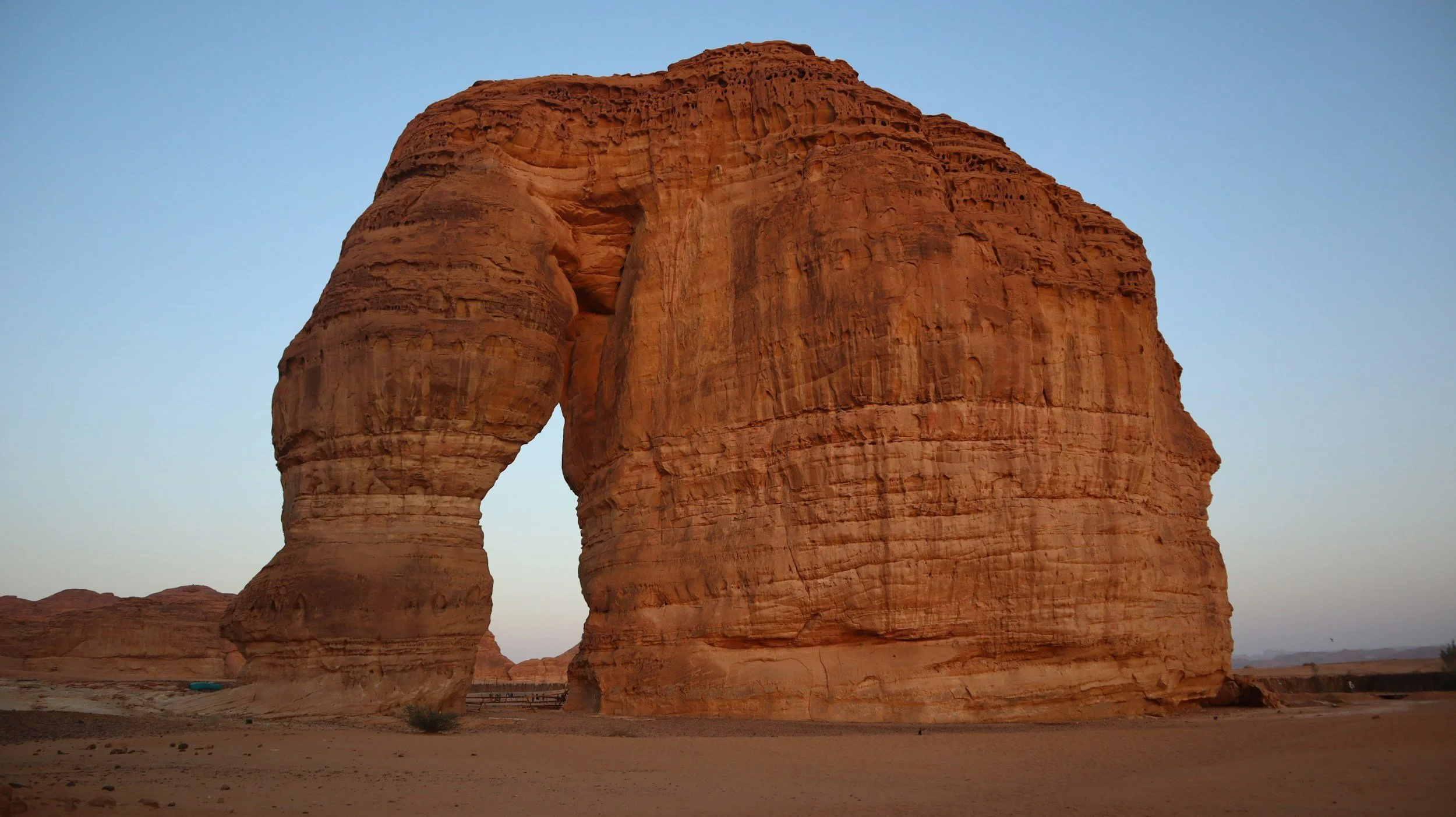
The city of AlUla in the region has some cool sites like the AlUla Old Town and the Market Street, but a lot of the exploration comes from out of the city. You’re going to need to board either shuttle buses, or have a guided tour driver. So here are the best sites and you can decide which ones to tick off your list. Firstly, we have Hegra, which is is AlUla’s standout site and Saudi Arabia’s first UNESCO World Heritage Site. It’s an Ancient Nabataean city carved into sandstone cliffs with a wide open setting, and the top spot of the AlUla area. South of that is Jabal Ikmah, which is the site where you can see ancient inscriptions and petroglyphs left in the past. They call it the ‘open library.’ Now for rock formations, the most famous is called Elephant Rock, and around the area you have other iconic ones like Vessel Hole Rock and Ice Cream Rock. And if you want a more cultural end to your visit, check out some of the museums in the city to learn more.
How to get there:
AlUla International Airport (ULH) has mainly season direct flights from other cities in Saudi Arabia.
3) Riyadh
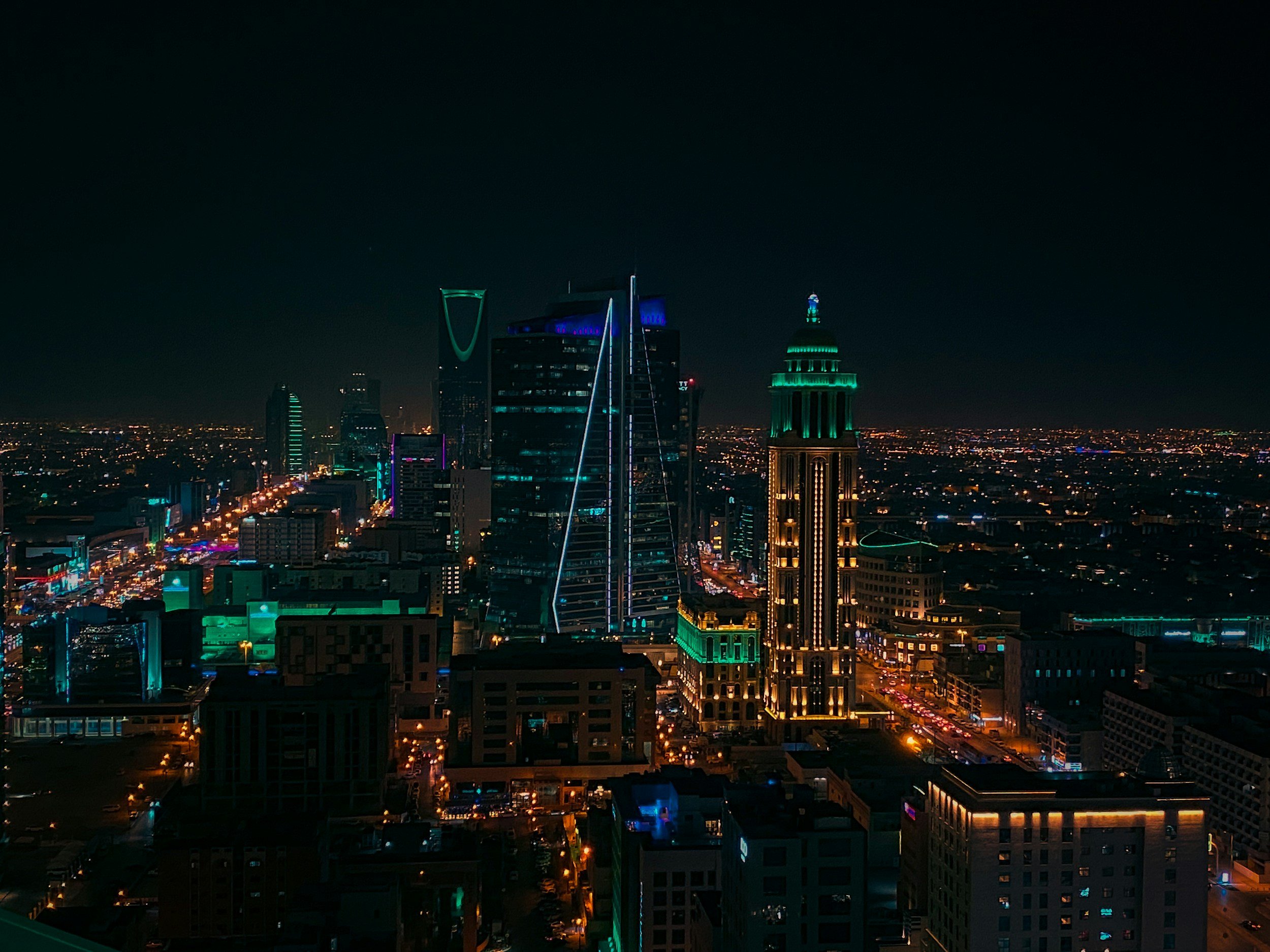
Riyadh is Saudi Arabia’s capital and largest city, sitting on a high desert plateau in the very center of the country. Believe it or not, it used to be a small desert oasis settlement, and now it’s the megacity of Saudi Arabia with skyscrapers in every direction and chaotic streets filled with traffic. Of course, there’s still classic sand colored traditional buildings around, but the scale of Riyadh is immense.
Things to do:
Since Riyadh is so massive, you’ll have to make use of public transport. Inside the city sits Masmak Fort, which is very important when it comes to the city’s history. It’s a mud brick fort built where Abdulaziz Ibn Saud recaptured the city in 1902, a key moment in the founding of modern Saudi Arabia. Next to it is also Alsafat Square, and the Dirah Souq, one of the best traditional markets in the city. You can visit The National Museum, which is actually a big area with a lot to see too. It also features the Murabba Historical Palace, Al Madi Mosque, a public library, open squares, the Riyadh Water Tower and a lot of cultural sites. For a more modern mosque, King Khalid Grand Mosque is also one of the city’s best with its beautiful stained glass design. Since Riyadh has got very modern, you’ll also be able to see the recognisbale skyscrapers in the skyline like Kingdom Centre Tower Sky Bridge, the Al Faisaliah Tower, and a bunch more stuff around the business area. It lights up well at night for sure.
How to get there:
King Khalid International Airport (RUH) is Saudi Arabia’s busiest airport, with pretty strong international flight connection.
You can also take trains from Dammam and Hofuf.
4) Jeddah
Jeddah sits on the Red Sea coast in western Saudi Arabia and feels noticeably different from most other cities in the country. It stretches wide across the coastline and also servers as an important port city for Saudi Arabia. It feels a lot more resort focused than somewhere like Medina or Riyadh, with many coming for nice seaside escapes.
Things to do:
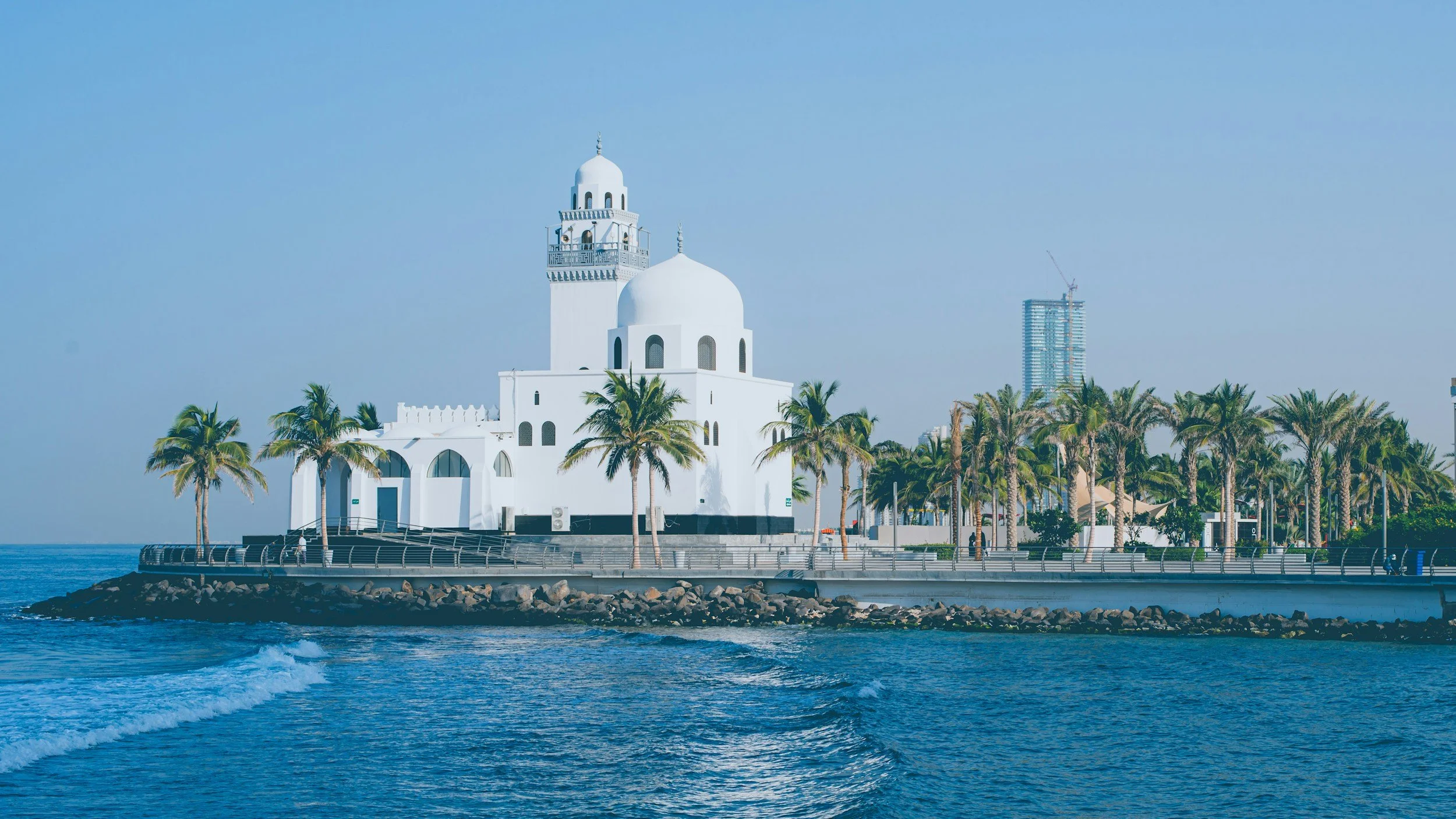
Jeddah’s essential old town is called Al-Balad, and it features many coral-stone buildings as well as some sites for tourists like the Bayt Nassif Museum and some old stone gates on the edges. Really, you should just spend a good bit of time wandering the streets as the architecture is very nice and unique. You can then walk or hang out on the Jeddah Corniche, which is the long waterfront promenade along the Red Sea with great vibes. It passes by Jeddah Beach. Quite far up north is Al-Rahma Mosque, also known as the floating mosque because when the tide comes in you cant see the sand beneath it. For those of you familiar with the water jet in Geneva, King Fahad’s Fountain is just like that but it reaches up to 312m, making it the largest in the world. In my opinion, the prettiest mosque in Jeddah is Island Mosque, which makes for some great photos if you get the angle right, so it’s a good spot to check out. Shop and eat in the lively streets, Tahlia Street being one of the more notable, and just enjoy the time by the Red Sea.
How to get there:
King Abdulaziz International Airport (JED) is the main gateway from the west, with a lot of flights from all continents.
You can also easily take a train from Medina or Mecca straight to Jeddah.
Support the Site
If these guides have helped your travels, consider buying me a coffee ~ it helps keeps the content free!
buymeacoffee.com/roamingideas