The Best Places to Visit in Peru
Peru is South America’s 3rd largest country behind Brazil and Argentina, and home to ~33 million people who live amongst the mountains and next to the coast of the Pacific Ocean. Historically, Peru was the heart of the Inca Empire, and its most famous site, Machu Picchu, sits high in the Andes and attracts millions of visitors every single year. The landscapes in general are so incredibly stunning, with multiple regions featuring the most beautiful lakes with snowy mountains as a backdrop. Peru is a great destination for travelers who love to adventure and explore, and you can find so much across the historic Spanish cities and dramatic nature spots.
Capital: Lima
Currency: Peruvian Sol
Language: Spanish
When to visit: May to December
1) Cusco
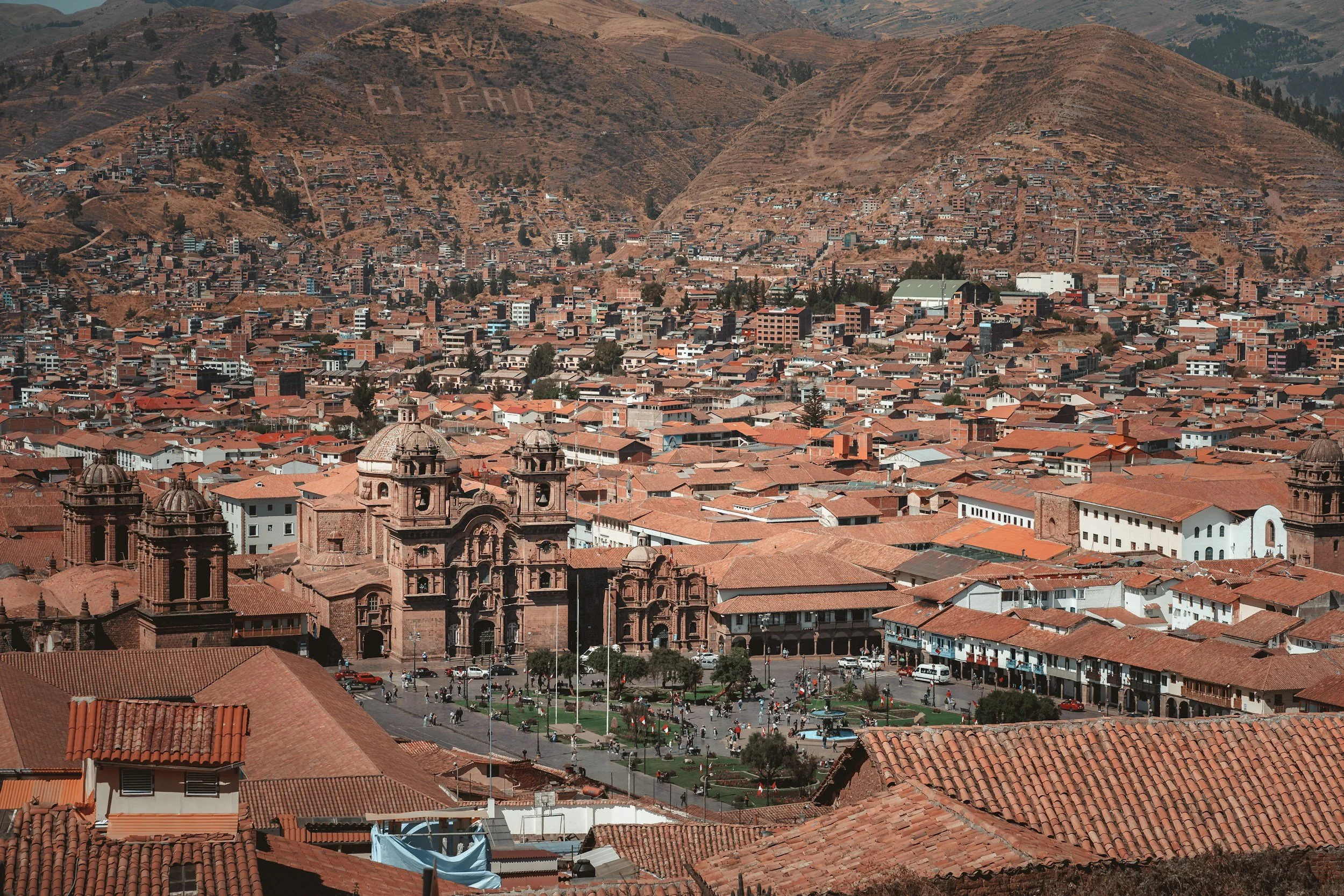
Cusco is a historic city in southeastern Peru, high in the Andes at about 3,400 meters above sea level. Once the capital of the Inca Empire, Cusco is often called the historical heart of Peru and remains one of the country’s most important cultural destinations. It’s the best base for visiting the highlights of Peru, many of which are situated close by.
Things to do:
All the awesome stuff is situated close to Plaza de Armas in the Historic Center, a place you can walk around and find old masterpieces like the Cusco Cathedral, Qorikancha, and the massive Inca complex of Saqsaywaman not far as well. Check out the San Blas neighborhood, starting in Plaza San Blas, and also make your way to the other side and walk through the vibrant San Pedro Market. Cusco is a great place to start in before heading out to Machu Picchu or the Rainbow Mountain, so enjoy the traditional architecture and spend some time shopping and eating in this beautiful, lively city before you head onwards.
How to get there:
Alejandro Velasco Astete International Airport (CUZ) has flights often from Lima and some other South American countries.
Hypothetically you can take buses around Peru but they are very long especially ones crossing the Andes.
2) Machu Picchu
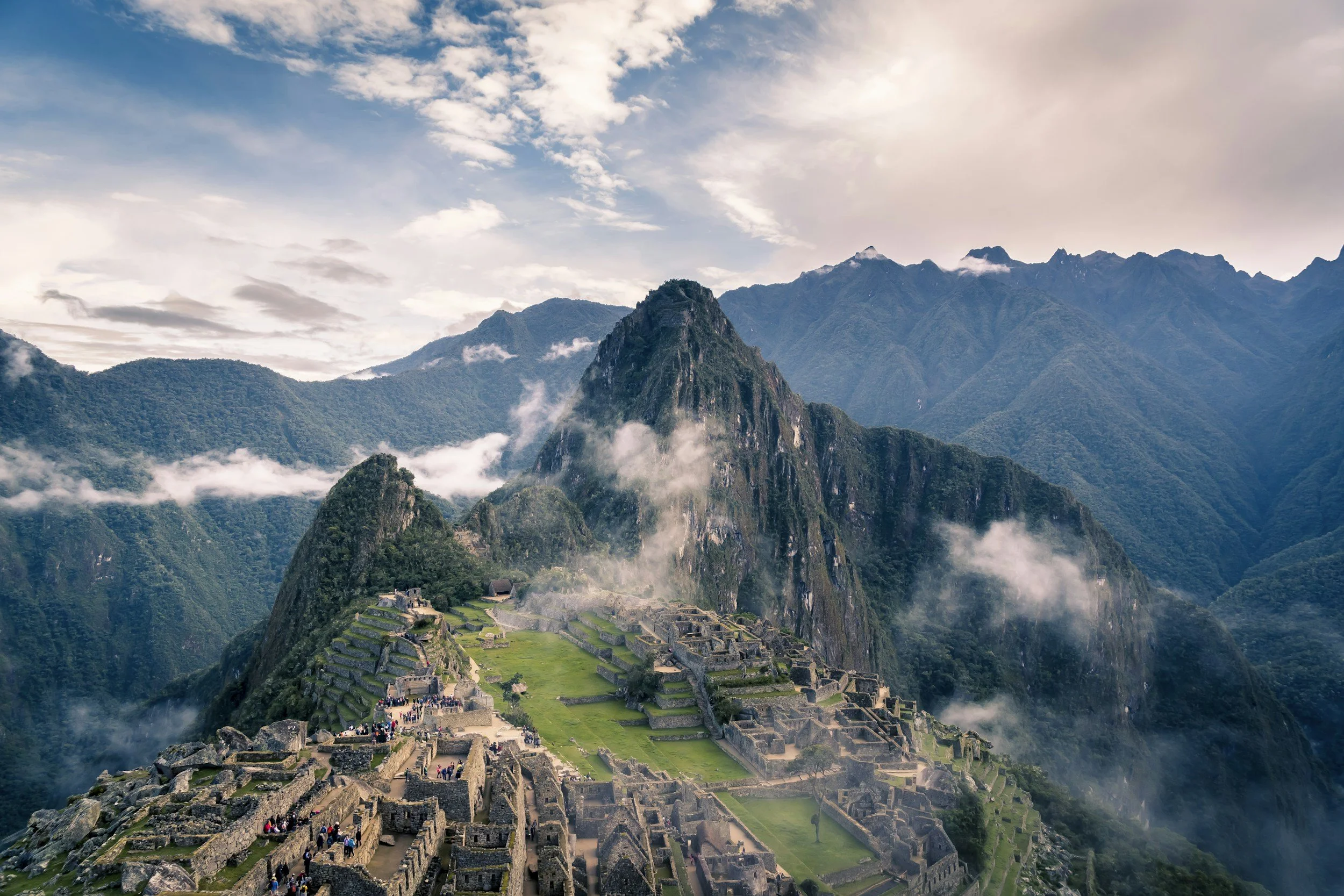
Machu Picchu is one of the most incredible and outstanding places in the entire world, cited as one of the seven wonders of the world. It’s an ancient Inca citadel set high in the Andes Mountains of Peru, about 2,430 meters above sea level. Machu Picchu was sad to have been built in the 15th century during the reign of Inca emperor Pachacuti, and is now open for everyone to experience the dramatic scenery of this historic site.
Things to do:
Machu Picchu is a big archaeological site with many things you can see once you get there. You’ll be able to find the Agricultural Terraces, the Temple of the Sun, the Intihuatana Stone, the Temple of Three Windows, and a bunch more stuff like the Sacred Plaza. There are a lot of different viewpoints you can view the sanctuary from, and you can even try hiking up Machu Picchu Mountain and seeing it from the highest spot, it sits in front of the site.
How to get there:
From Cusco, take a bus to Ollantaytambo then a train to Aguas Calientes before you shuttle bus up the mountain.
Otherwise, many hikers love to do a multi-day Inca trek via the Inca Trail, starting at Piscacucho Estacion.
3) Rainbow Mountain
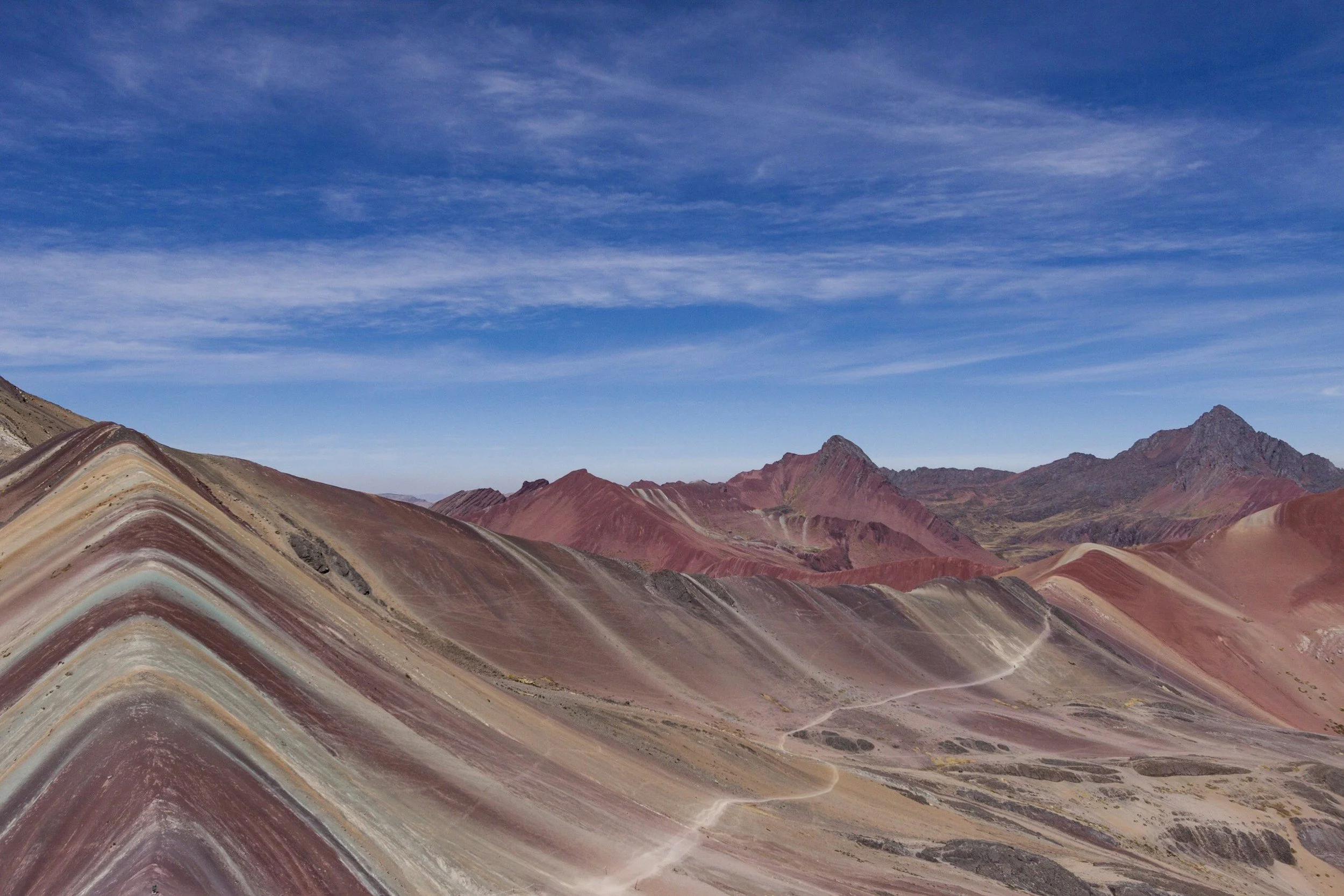
Rainbow Mountain, also known as Vinicunca or Montaña de Siete Colores, is a mountain in the Peruvian Andes sitting not far from Cusco. It’s a place people in Peru love to visit because of the phenomenal red, yellow, green, and turquoise bands which are the result of sedimentary layers that were exposed over time through erosion and tectonic activity. Most visit as a day trip from Cusco.
Things to do:
Going to the Rainbow Mountain you should be prepared to complete the Summit Hike, which has a trailhead often accessed via guided tours including transport. Usually you’ll be picked up from Cusco and taken to the trailhead (Phulawasipata trailhead), before you hike up which usually takes about 2-3 hours. Just make sure you have already acclimatized to the elevation. Otherwise, you can take a Horse Ride up the trail which stops just before the final peak. After you finish, you’ll be at the Summit Viewpoint and can see the stripes.
How to get there:
Book your tour from Cusco and then hike from the trailhead and back down. Overall it should take 5-7 hours.
4) Lima
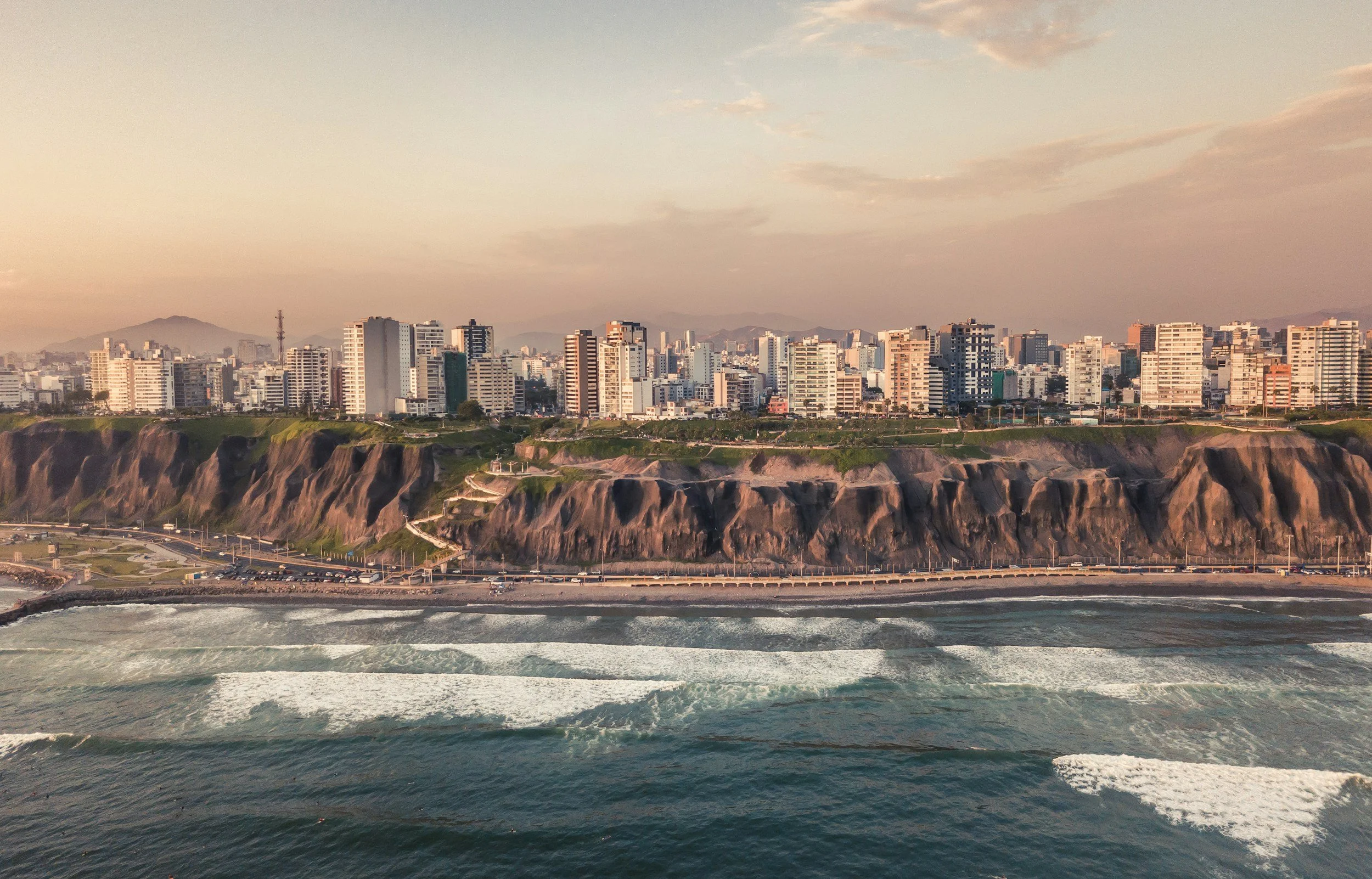
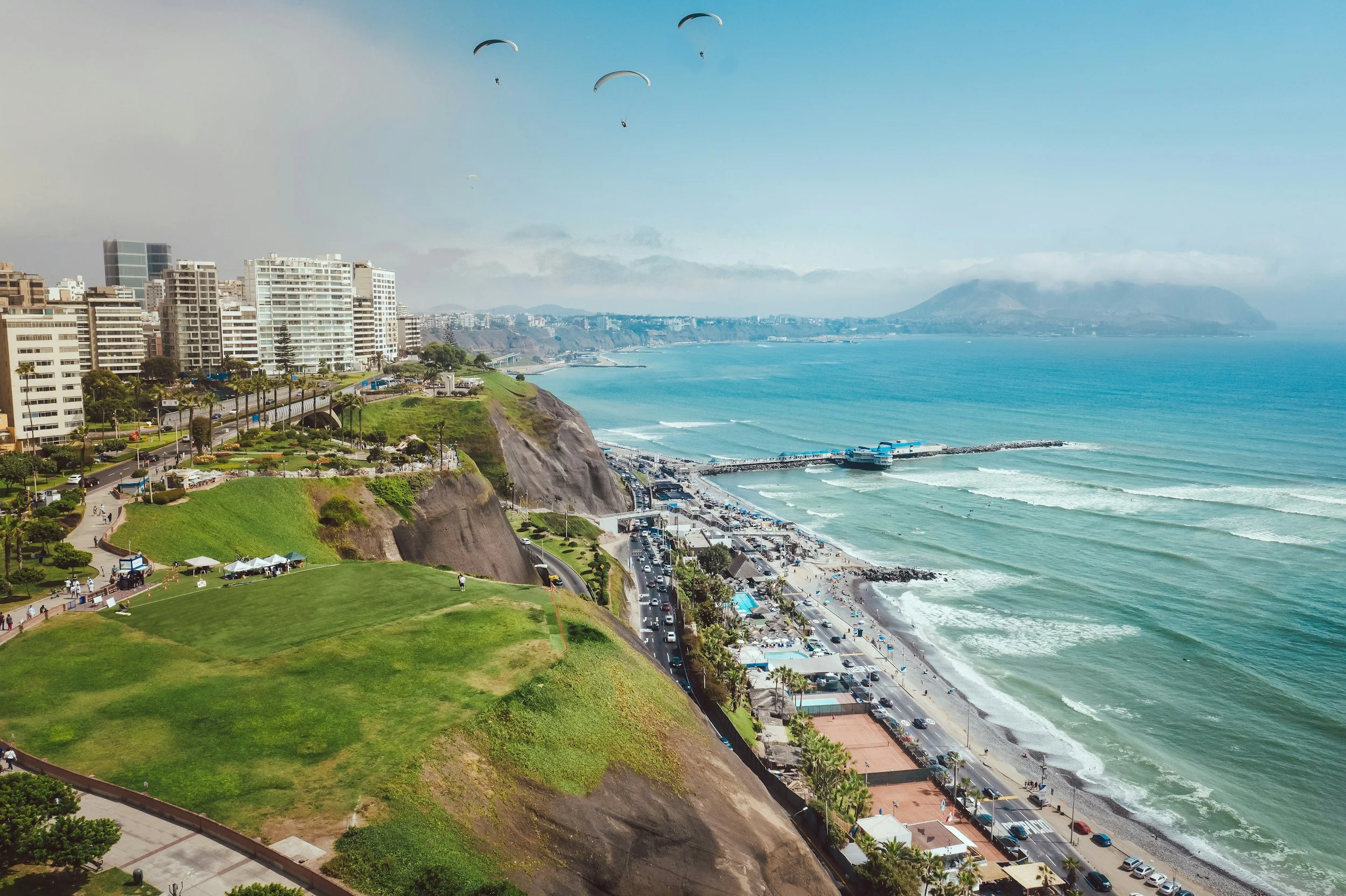
Lima is Peru’s big, coastal capital city with a population of around 10 million people, and the hub for basically everything important in Peru. It’s pretty well-known for the fact that the city is built upon some dramatic cliffs overlooking the ocean, so some of the districts in Lima are really very beautiful and have a great atmosphere.
Things to do:
Cercado de Lima is the main center area of the gigantic city, and it’s mainly anchored around Plaza Mayor which is overshadowed by the stunning Cathedral of Lima. It’s also walking distance from a plethora of sights, including the Basílica and Convent of San Francisco (which also features Catacombs), the Basilica and Convent of Santo Domingo, and the lovely San Martin Square, too. There are plenty of churches and plazas in this region of Lima, and it’s very large so you can spend a lot of time exploring. After you see this part of the city, head out to the shore where the Miraflores district is. It’s the best place to see the coastal cliffs, plus you can walk through Parque del Amor (Love Park) which is the most serene and scenic way to experience the seaside. Inland in Miraflores is also Huaca Pucllana, which is actually remains of an ancient adobe Pyramid in Lima. From there, you can explore the sandy shores of Lima, or visit another neighborhood like Barranco and its Bohemian style, or Pueblo Libre, home to the historic Museo Larco.
How to get there:
Jorge Chávez International Airport (LIM) is a major international airport handling flights from all around the Americas.
Otherwise you can take a long distance bus from many places around Peru.
5) Ausangate
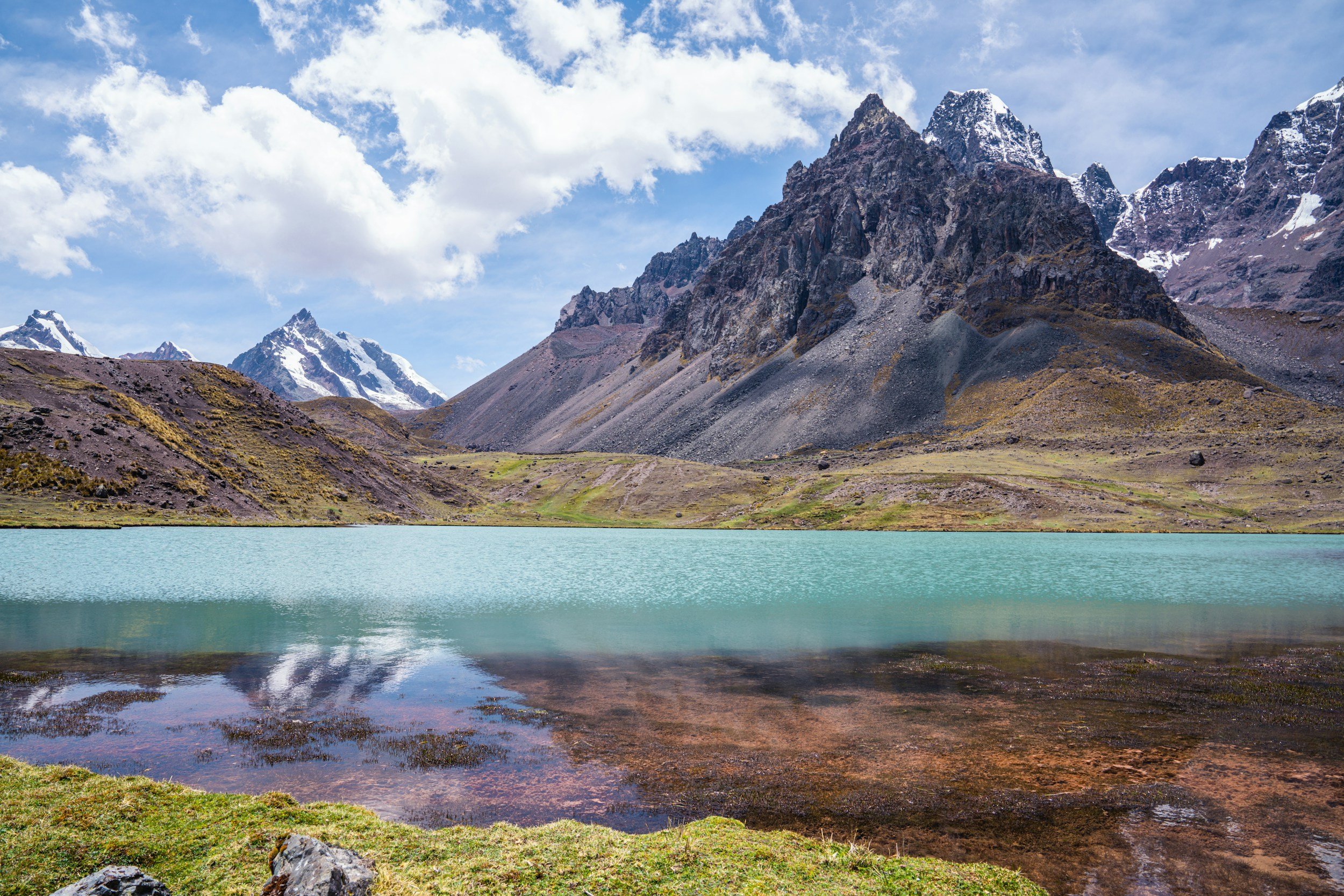
Ausangate is a towering glaciated peak in the Peruvian Andes, reaching approximately 6,384 meters above sea level. Located southeast of Cusco, Ausangate is the highest mountain in the Vilcanota range and is surrounded by extremely beautiful blue lakes, grasslands and even more snow capped mountains. All in all, it’s an incredibly stunning region.
Things to do:
Ausangate is very remote, so to visit this you’ll need to be content with completing a 5-7 day trek through some of Peru’s most beautiful natural landscapes. The main trekking area usually starts near the villages of Tinke or Pacchanta, where local communities live and alpacas and llamas are common to see. From there, the classic Ausangate Trek winds through spectacular valleys, glacial lakes, and snow-capped peaks, with the mountain looming in the distance throughout. The most outstanding parts of the trek are the Laguna Humantay, Laguna Sibinacocha, and the waters and village of Upis. You’ll be around mountains the entire time and see a lot of wildlife. It’s extremely challenging so prepare well.
How to get there:
If you have no car, you need private transportation or a tour guide to take you to the trailhead from Cusco, which is very common.
6) Cordillera Blanca
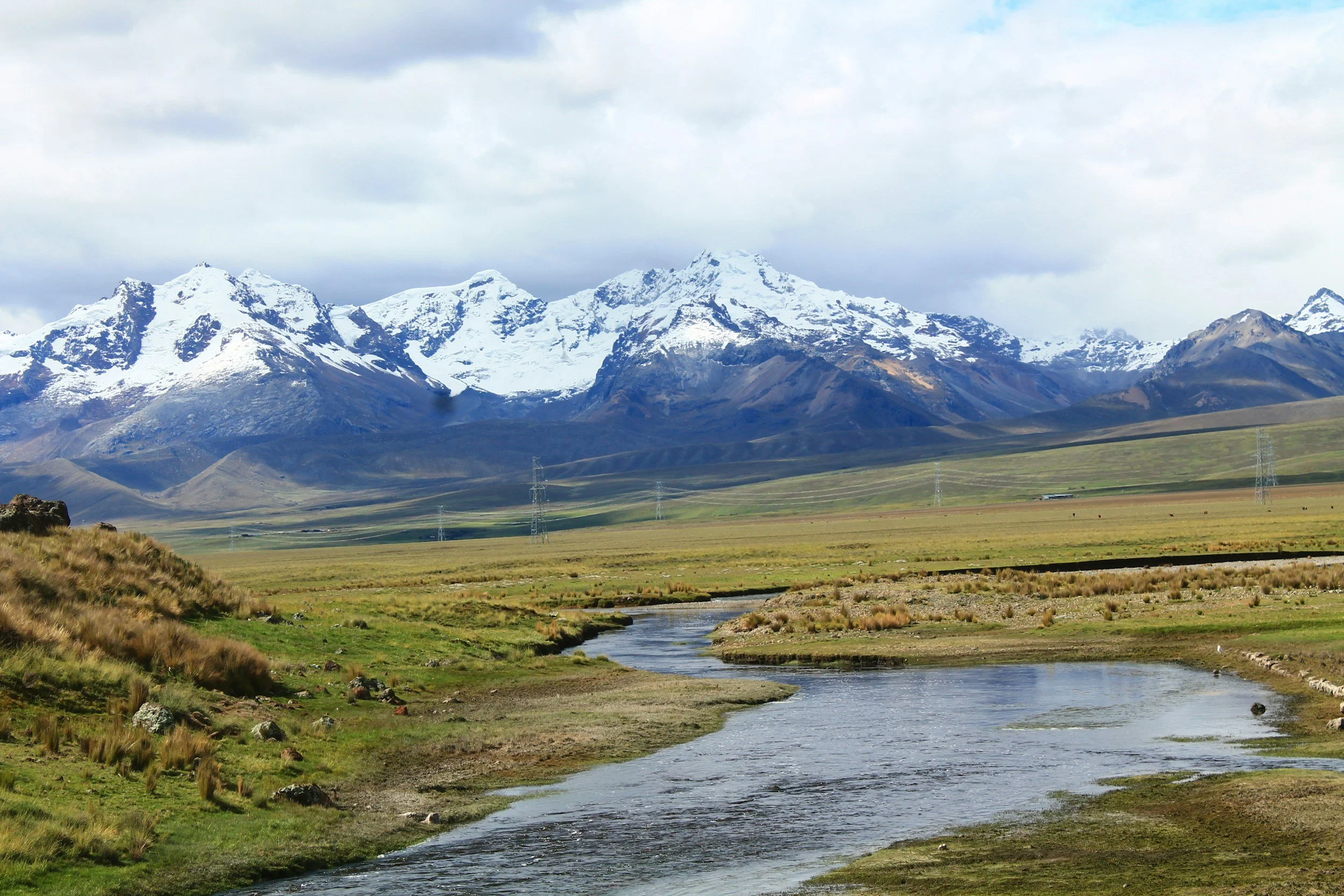
Out in northern Peru is a small city called Huaraz, which serves as the main gateway to Cordillera Blanca, the highest tropical mountain range in the world. Huaraz itself a big tourism hub, with some nice streets and lively markets, but it isn’t the highlight by any means. Cordillera Blanca is a world class hiking region filled with glaciers and lakes, crazy mountains (the most iconic being the peak of Huascarán), and a bunch of valleys containing wildlife. If you get the chance to head out here and hike, it’ll be a once in a lifetime experience.
Things to do:
In Cordillera Blanca, there are several official treks to choose from. The most famous and popular is the Santa Cruz Trek, which takes about four days to complete and covers most of the region’s breathtaking sights. To start, you need a minibus from Huaraz to the trailhead, and you can either do the trek with a guide or on your own. Either way, it is an incredible experience, walking through peaceful mountain passes and wide alpine meadows. You can extend the trek with extra stops to make it last longer and see more, with common additions including Laguna 69 and the Ulta Valley (Laguna 69 can also be done as a standalone day hike). Another shorter but physically demanding day hike option is the Pastoruri Glacier, which offers spectacular views of the massive glacier. Out of all the treks, the most challenging and epic is the Huayhuash Circuit. It takes over ten days to complete, covering around 130 kilometers, and passes through endless mountains and high-altitude lakes. No matter which trek you choose, make sure to acclimatize properly before starting.
How to get there:
You’ll need to take a bus from Lima to Huaraz, which takes the whole day. From there, use minibuses and shuttles to get to trailheads.
Support the Site
If these guides have helped your travels, consider buying me a coffee ~ it helps keeps the content free!
buymeacoffee.com/roamingideas