The Best Places to Visit in Oman
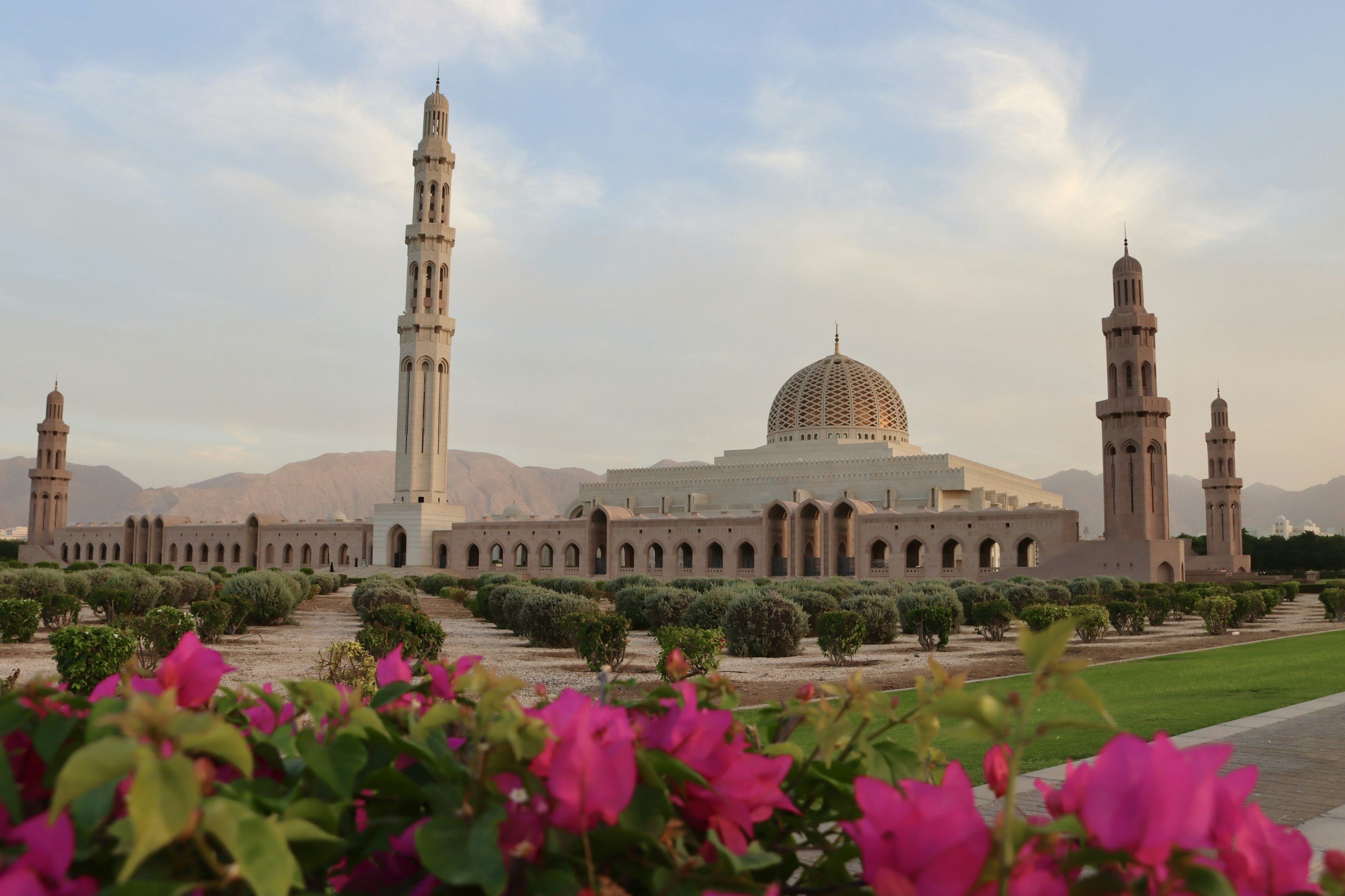
Oman is one of the most underrated travel destinations in the entire world. Many just assume that it’s another classic gulf country like the UAE or Qatar, but it’s nothing like its neighbors. The country has no skyscrapers at all, and is sparsely populated. The landscape opens up quickly, with vast desert covering a lot of the country, beautiful canyons dotted around the nation plus some incredible coastal areas. The cities feel quite elegant and calm, however they aren’t very public transport friendly so it’s best to rent a car when you visit this beautiful country. It may feel traditional and reserved, but it’s just as wealthy as the countries around it, only the identity is stronger.
Capital: Muscat
Currency: Omani Rial
Language: Arabic
When to visit: October to March
1) Muscat
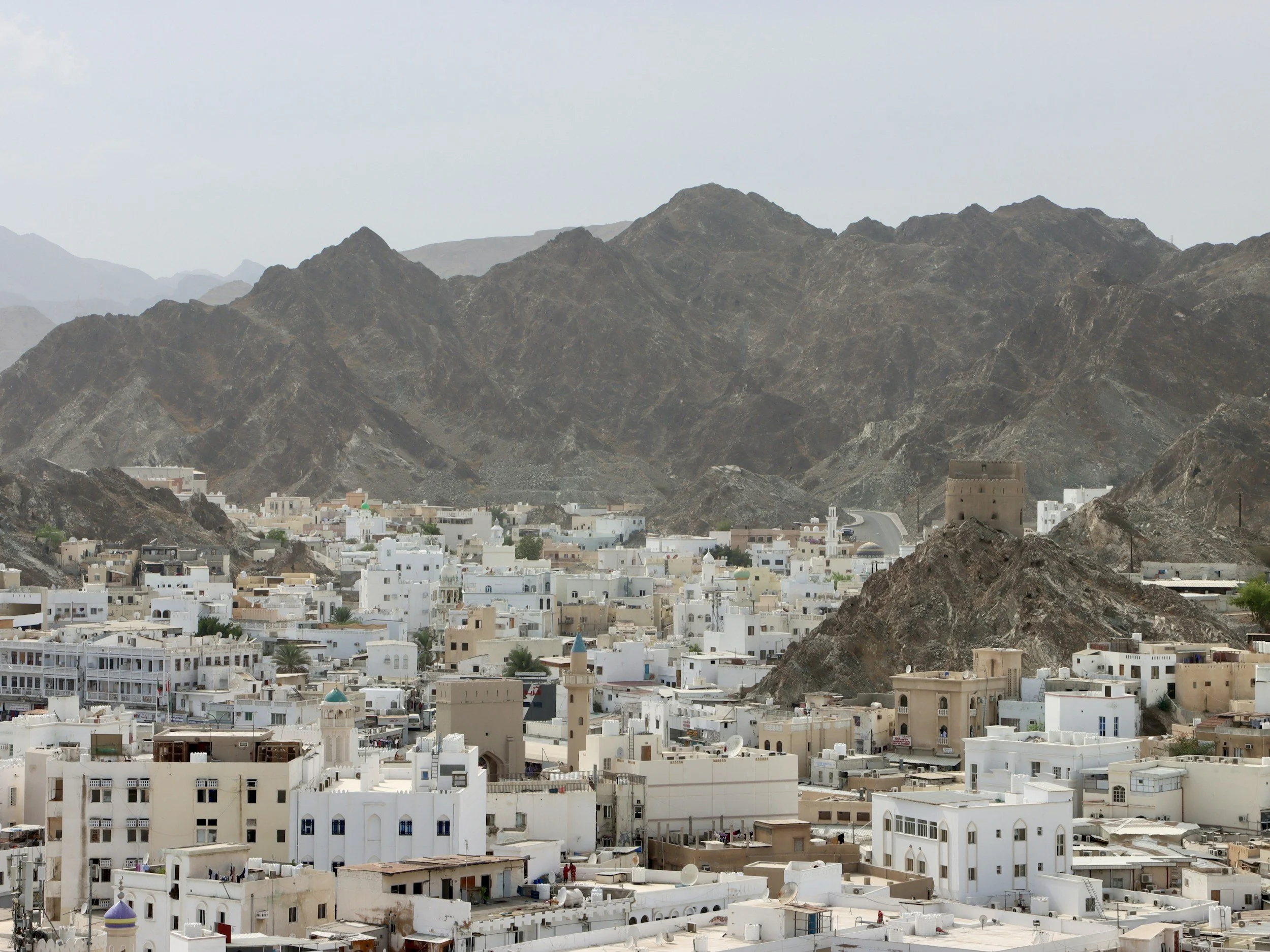
Muscat is a prime example what happens when you follow the ‘no skyscraper’s rule. It’s Oman’s capital city, and everywhere you look you’ll see traditional, low rise buildings running all along the coast of the Gulf of Oman. They are distinctive with their white and sand colored style, which is actually encouraged when constructing new buildings. Muscat’s metropolitan area is home to around 1.5–1.7 million people, which is roughly a third of Oman’s total population. Despite that, it rarely feels crowded.
Things to do:
Muscat is stretched very far a long the coast, and nothing is really close together at all so as mentioned you will probably need a car. All the way out in the east is Old Muscat, which is where the original historic city of Muscat was built. Inside is also Al Alam Palace, the ceremonial palace of the Sultan. It sits at the center, flanked by two Portuguese-era forts. You can’t enter the palace, but the area is quiet, scenic, and good for a short walk. The Mutrah Corniche is the massive long waterfront promenade which curves along the waterfront, with fishing boats, the harbor, and mountains rising behind the road. It’s one of the best views you can get of Muscat. Check out Mutrah Souq for a classic market experience as well. Perhaps one of the main highlights in Muscat is Sultan Qaboos Grand Mosque, found in the cities central area, and it is the most important religious building in Oman too, so definitely worth a visit.
How to get there:
Muscat International Airport (MCT) has flights from Europe, and more often the Middle East.
You can take some buses from other cities in Oman.
2) Nizwa
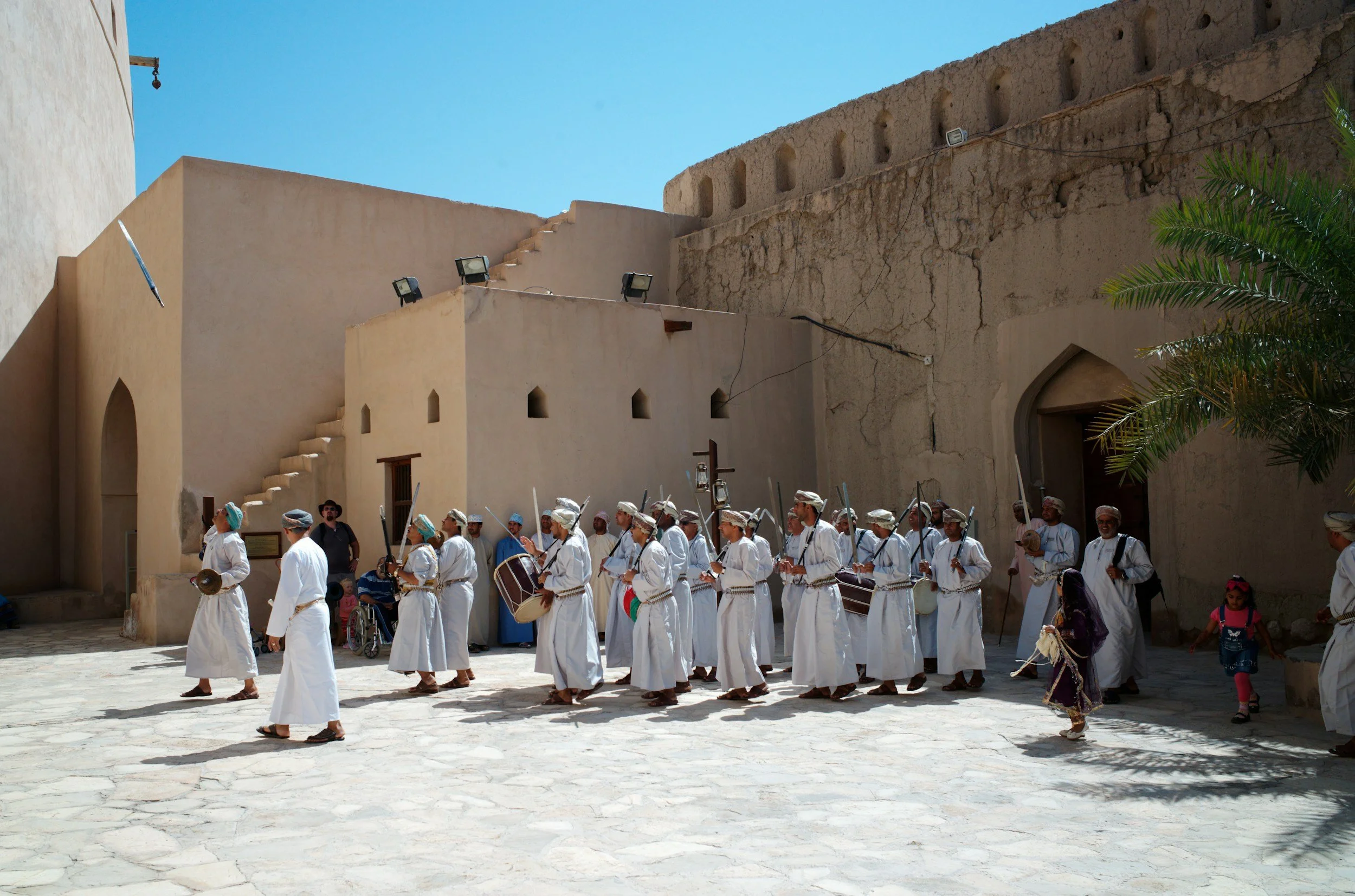
Nizwa sits in the interior of northern Oman, at the edge of the Hajar Mountains, and feels very different from the coastal cities. It’s one of the country’s oldest and most historically important towns, and probably the 2nd best city destination after Muscat. It has all the stuff you want to see in an Arabian city, from Souq's to historic forts and architecture.
Things to do:
The star attraction is of course Nizwa Fort, which was built in the 17th century designed for defense in Oman. Climb to the top for sweeping views over the oasis, date palms, and mountains. It’s one of the best fort experiences in the country. Right next to the fort is Nizwa Souq, a lively Souq and one of the oldest in the country which you have to explore. All of this stuff is mainly in the compact area of Nizwa Old Town, which also has places like Nizwa Museum and the Al-Okor Ancient Neighborhood. And for day trips, about 40 minutes to the west is the town of Bahla, which features the absolutely massive Bahla Fort (the largest fort complex in the country).
How to get there:
If you don’t have a car, take a bus with Mwasalat bus company from Muscat to Nizwa.
3) Wadi Shab
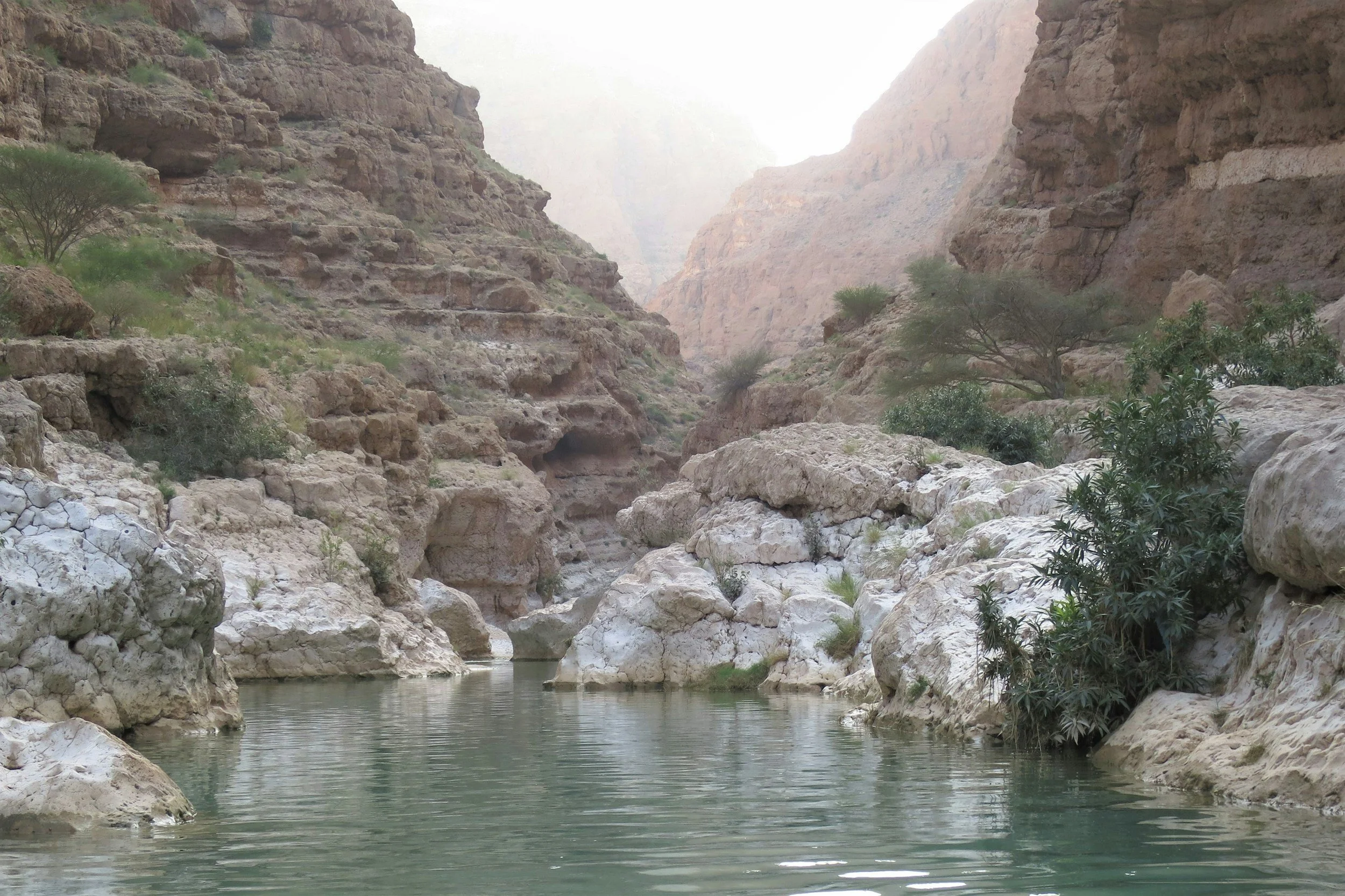
Wadi Shab is a dramatic river valley carved through limestone mountains, where sheer rock walls funnel you toward bright turquoise pools and hidden waterfalls. In my opinion it’s one of the best natural spots in all of Oman, and overall just a serene spot. To get here requires a combination of boat rides and a short hike, but it’s beautiful and it feels like you are in a movie when you step by the water.
Things to do:
Your visit starts with a short boat ride across the river mouth from the roadside parking area. After the 1-minute long boat trip, you take the hike through the canyon and the palm groves (it’s easy to do), and there you reach the first set of pools. You can then swim through a series of long, calm pools between high canyon walls. It’s an absolutely beautiful location and the water is simply amazing with its emerald color.
How to get there:
It’s not the most accessible without a car, so you’d need a tour guide if you don’t have one.
4) Salalah / Wadi Darbat
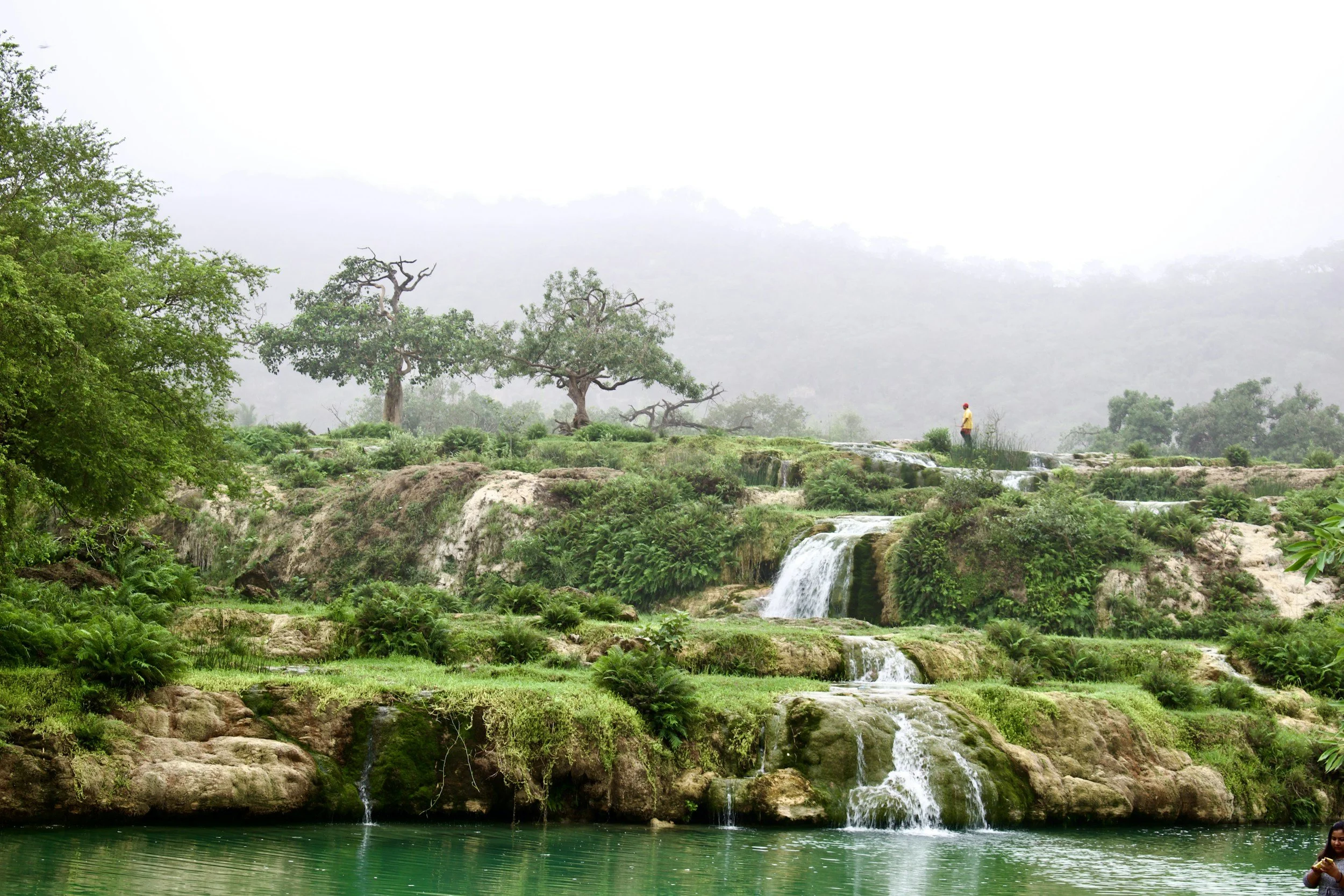
Salalah is Oman’s southern capital and one of the most unexpected places in the country. It’s the 2nd largest city in terms of metropolitan area size in Oman, and historically, it was more connected to Africa and India as opposed to the gulf, which explains some of the landscape and fruits that grow here. 30 minutes outside the city is Wadi Darbat, the beautiful area in all the photos with the misty waterfalls, lush green landscapes and turquoise colored lakes.
Things to do:
The city of Salalah itself is pretty large, and while it isn’t the main reason people go it still has some sights like the Sultan Qaboos Mosque and some beaches stretching along the waterfront. Al Baleed Archaeological Park is on the eastern side of the city, and it’s a place where you can see remains of an ancient port city that once played a major role in the frankincense trade. You can walk among stone ruins with the sea beside you, and visit the excellent Museum of the Frankincense Land, which gives context to why this region mattered so much historically. The part of Salalah you have to be priorisiting is Wadi Darbat, which transforms into one of the most magical valleys during khareef season. In there, you have to see the Darbat Step Waterfalls plus any of the peaceful lakes in the area.
How to get there:
Salalah Airport (SLL) does actually have some domestic flights from Muscat, but then you’ll still need a taxi or car to get to Wadi Darbat.
5) Wahiba Sands
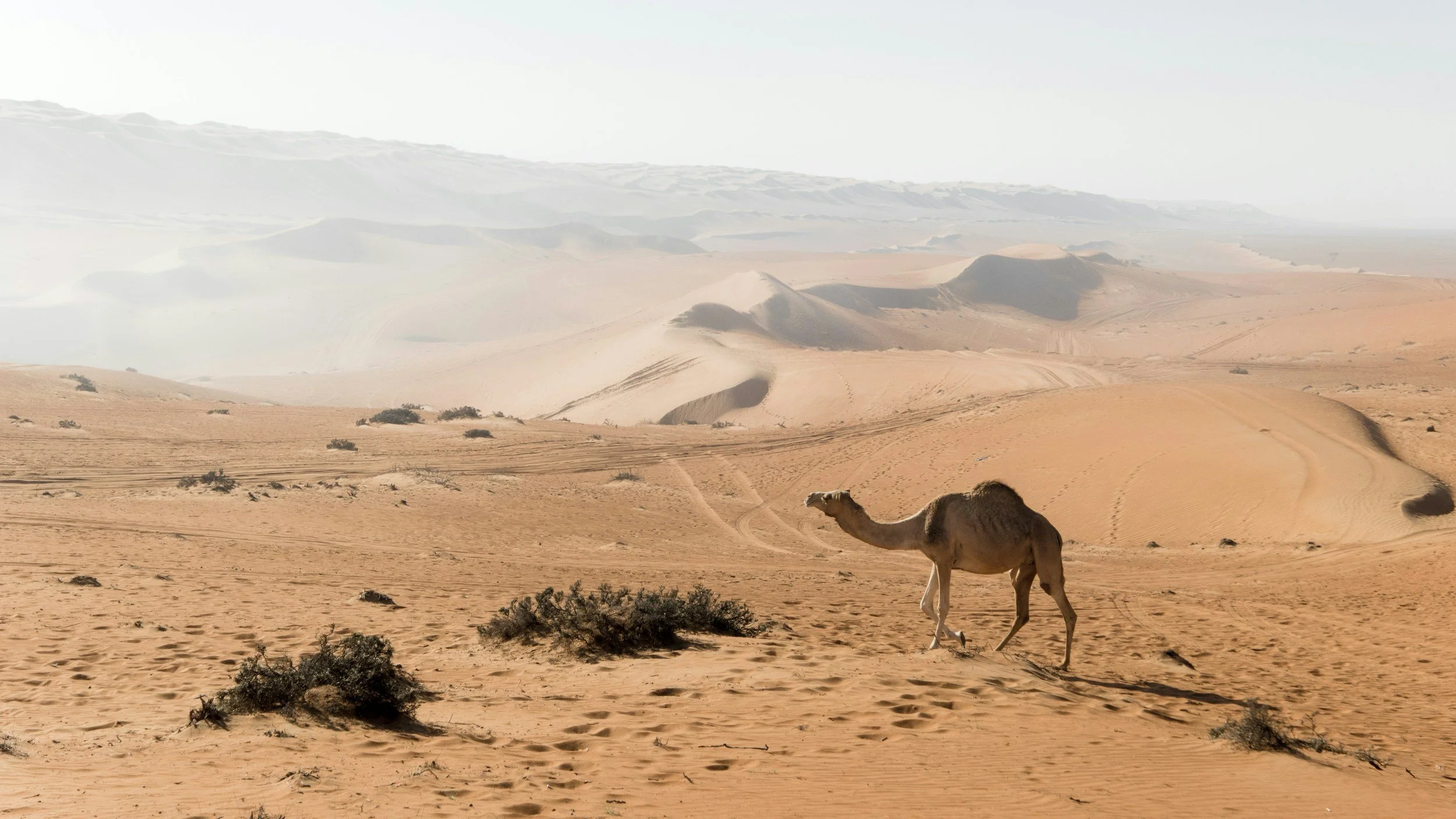
Wahiba Sands is the classic desert stop of Oman, stretching across eastern Oman between the coastal plains and the interior mountains. There isn’t many ways to describe it - it’s a classic Middle Eastern desert stretching across roughly 12,500 square kilometers, populated by Bedouin families who have lived here for generations.
Things to do:
If you booked a tour or a desert camp for the night, you’ll likely travel independently to the edge of the desert near Bidiyah, before a local 4WD driver takes you into the dunes. The tours will include things like dune driving, a stay in the camps, and even a visit to the locals who still live traditionally in the desert. Every tour is kind of it’s own thing, so you can decide what you want to do before you book, or independently explore once you get yourself to a desert camp.
How to get there:
You will need to drive yourself to Bidiyah and then organise with your guide or camp owner how to get to the camp.
Support the Site
If these guides have helped your travels, consider buying me a coffee ~ it helps keeps the content free!
buymeacoffee.com/roamingideas