The Best Places to Visit in Mexico
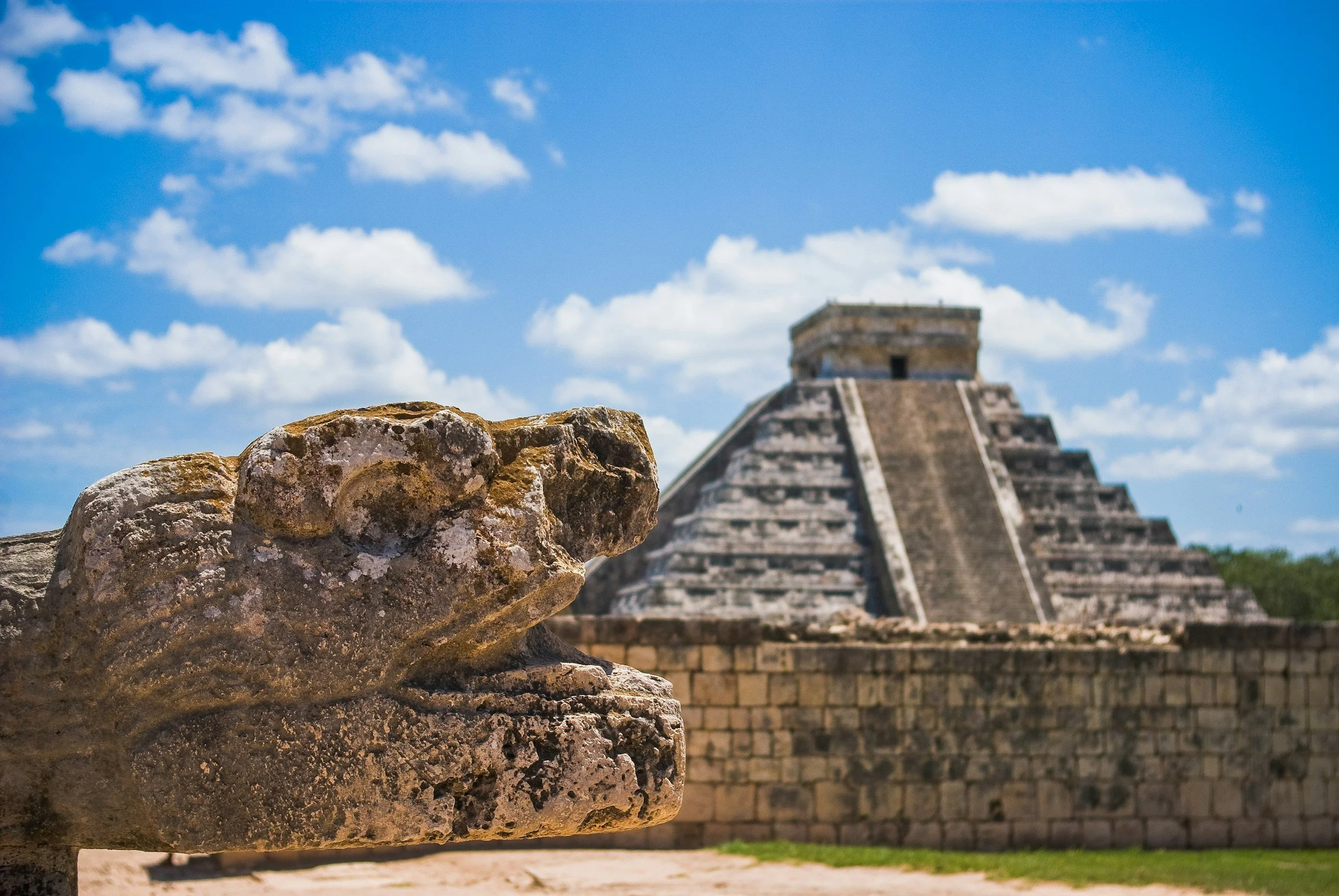
Mexico is one of the greatest travel destinations on the planet, and it's easy to see why. Ancient ruins, colonial towns, incredible beaches, and food that will genuinely change your life, which is all part of the appeal. As we know, it is a very very big country so you won't see everything in one trip, but maybe that's part of the appeal? Getting around is pretty easy compared to a lot of Latin America, with buses and domestic flights connecting most places without too much hassle. Nobody regrets their trip to Mexico, and when it’s sunny and you can feel the hospitality from the people, it is one of a kind.
Capital: Mexico City
Currency: Mexican Pesos
Language: Spanish
When to visit: November to April
Looking for somewhere to stay?
Find the Best Hostels in Mexico→
1) Mexico City
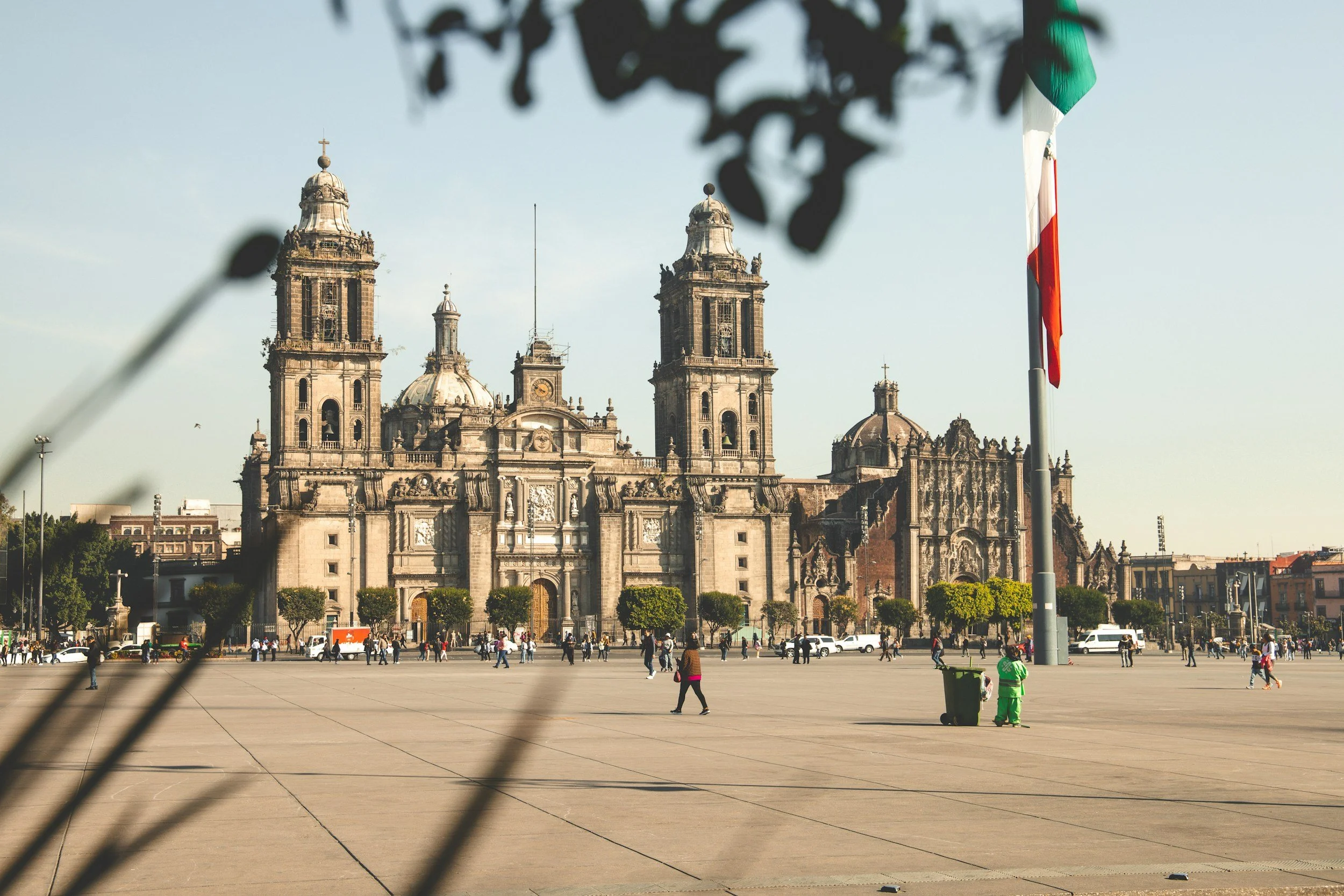
I simply have no choice but to start with one of the most vibrant, and highest capital cities in the whole world, Mexico City. The city is home to around 22 million people in its greater metropolitan area, making it one of the largest urban centers in the western hemisphere. There is really just so much to explore here amongst the neighborhoods, and whilst it isn’t for everyone it’s still iconic.
Things to do:
Start in the Historic Centre because there is simply nowhere else to begin. The Zócalo is massive, one of the biggest city squares in the world, and standing in the middle of it with the Metropolitan Cathedral on one side and the Palacio Nacional is very cool. Right next to the cathedral are the ruins of the Templo Mayor, the central temple of the Aztec capital. From there head west to Chapultepec Park, which is enormous and has a lot going on inside it. The Museo Nacional de Antropología sits within the park and is genuinely one of the best museums in the world. Chapultepec Castle is up on the hill above, so if you want views then go there. For some extra neighborhoods to explore, go out to Coyoacán or Polanco. And lastly, you must go to Xochimilco, which is a network of ancient canals left over from Aztec times, and where you hire a colorful flat bottomed boat and drift through the waterways.
How to get there:
The city has 2 airports, MEX and NLU so you can fly into either internationally or domestically.
You can also take a bus from almost all the major cities within reasonable distance.
2) Cancun
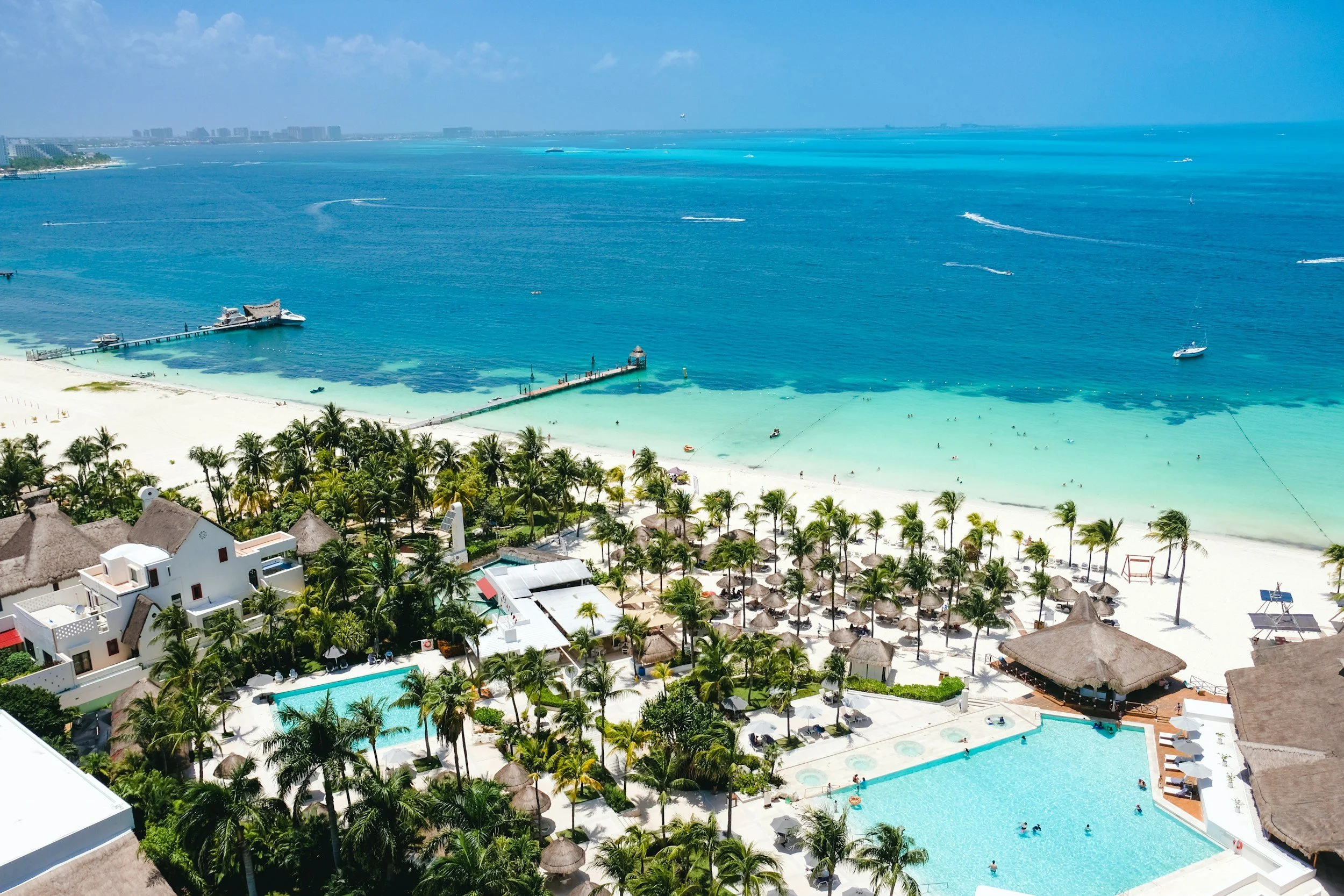
Cancún is a resort city on the northeastern tip of the Yucatán Peninsula in the state of Quintana Roo, sitting on the edge of the Caribbean Sea. It is Mexico's most visited tourist destination and one of the most popular beach destinations in the entire world, drawing millions of visitors every year thanks to the gorgeous beaches.
Things to do:
The beaches are obviously the main draw and the Zona Hotelera has some genuinely beautiful stretches of sand. Playa Delfines is one of the best, but you have options everywhere. Snorkeling and diving here is also world class, and with a day trip you can venture out to Mesoamerican Barrier Reef. You can even visit the Museo Subacuático de Arte, a unique underwater museum sitting literally on the seafloor. There isn’t really much else to mention for Cancun specifically, as it’s more of a kick back and relax spot while you make the most of the sunshine and beauty.
How to get there:
Cancún International Airport (CUN) has flights from multiple continents and is very well connected and organised.
You can also take a bus from all the popular and major cities and destinations in Mexico, again within reasonable distance.
3) Chichén Itzá
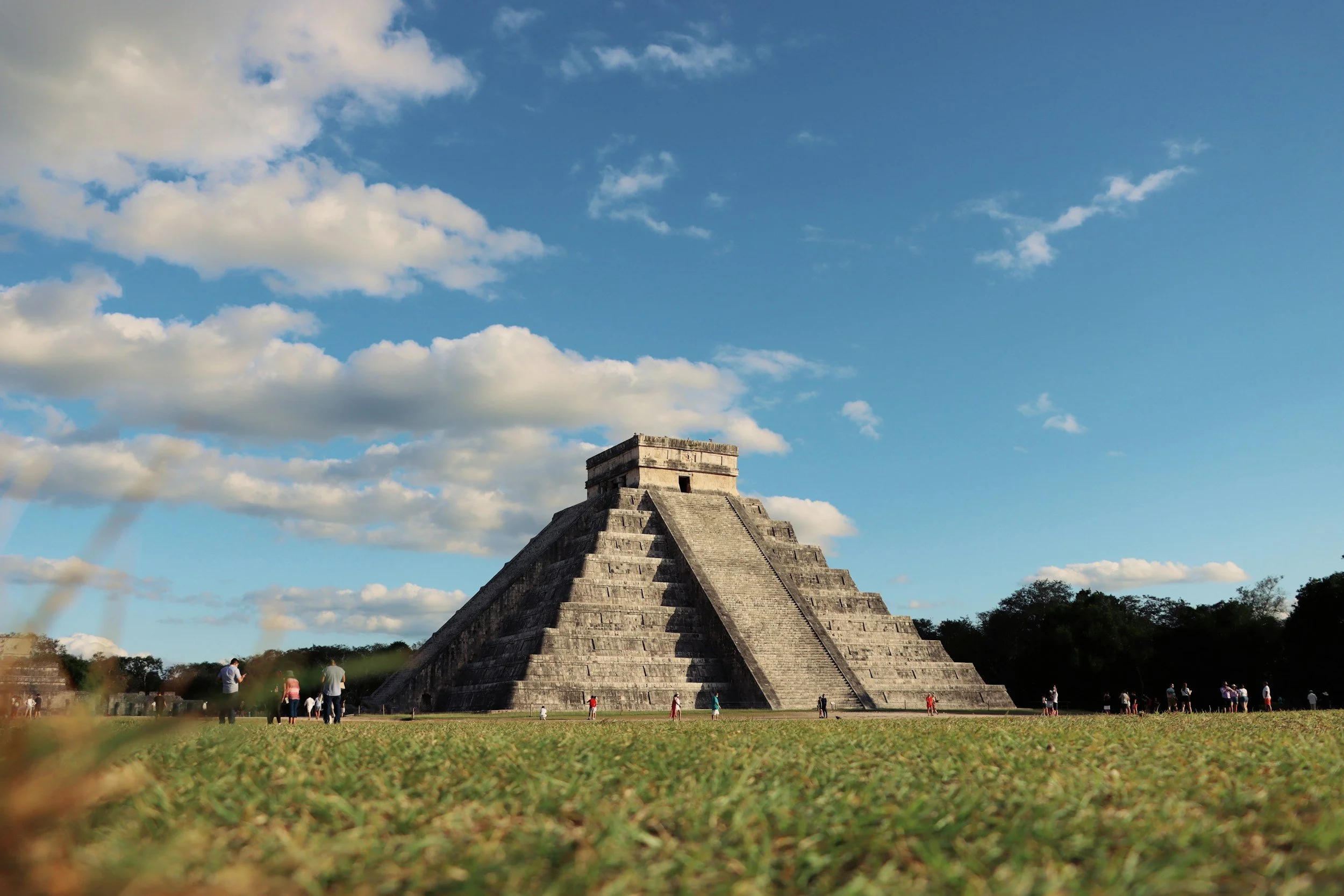
As you probably know, Chichen Itza is one of the New Seven Wonders of the World, and former major political, religious, and commercial center for the Maya people. The whole archaeological site covers around 10 square kilometers and is a must visit in Mexico.
Things to do:
Since the main thing to do is just walk and explore the whole area, I’ll name the main things to be looking out for. The El Castillo Pyramid is obviously the main draw, and the scale of it is massive. Once you have a good look, find the Sacred Cenote, a large natural sinkhole around 60 meters in diameter that was used by the Maya for ritual offerings and ceremonies. Then check out my favorite, The Great Ball Court on the western side which is the largest ball court ever found in the Americas. Furthermore you have stuff like The Temple of the Warriors and its surrounding Group of a Thousand Columns, plus the El Caracolobservatory, but you’ll see it all as you explore all day.
How to get there:
The best and easiest way is to take a bus from Cancun or Merida, to the village of Pisté.
4) Tulum
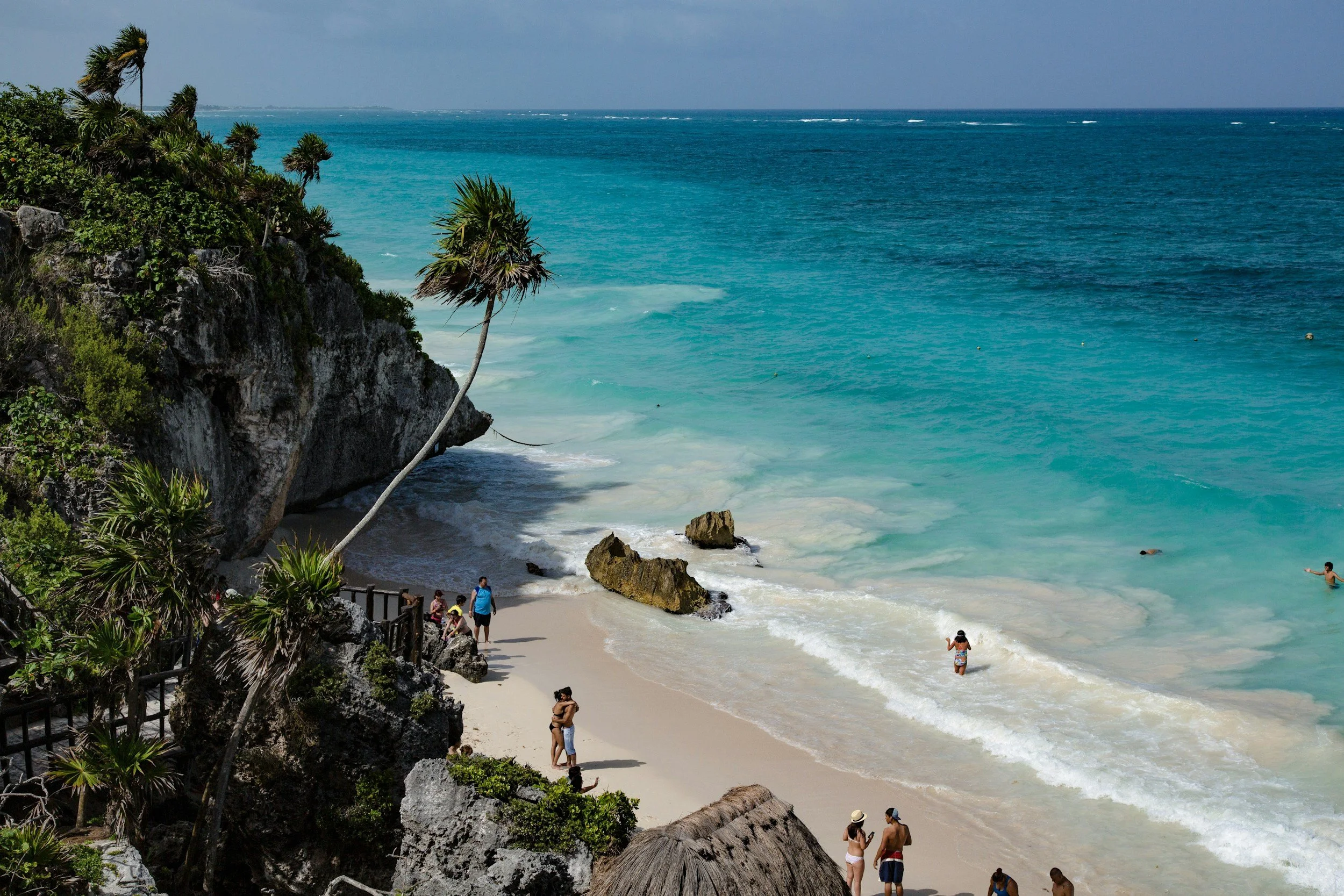
Tulum is a small town, again on the Caribbean coast of the Yucatán Peninsula south of Cancun. Recently it has gained a very very positive reputation amongst backpackers and travelers, because the beaches here are beautiful and the resort industry is booming. Unfortunately this has driven up the cost, however it remains stunning nevertheless.
Things to do:
I know I was just talking about the beach, but I’ll start by telling you to go to the Tulum Ruins, where you’ll find yourself a walled city perched on a clifftop with the Caribbean stretching out below. This is quite literally a one in a kind place to see. The size and scale of these ruins are insane. The cenotes around Tulum are some of the best on the peninsula and are a must. Gran Cenote is the most popular, but Cenote Calavera and Cenote Dos Ojos are both excellent and slightly less visited too. Then to top it all off, Tulum’s coastline has massive stretches of ethereal white sand is so popular so you have to go swimming here if the weather insists. Themain free beaches are Playa Paraíso and Playa Santa Fe, but depending on where you stay (or pretend to stay) your options widen.
How to get there:
Tulum International Airport (TQO) is fairly new but has some connection around Mexico and nearby countries.
You can otherwise just take a bus from all the main towns and cities along the coast and inland.
5) Oaxaca
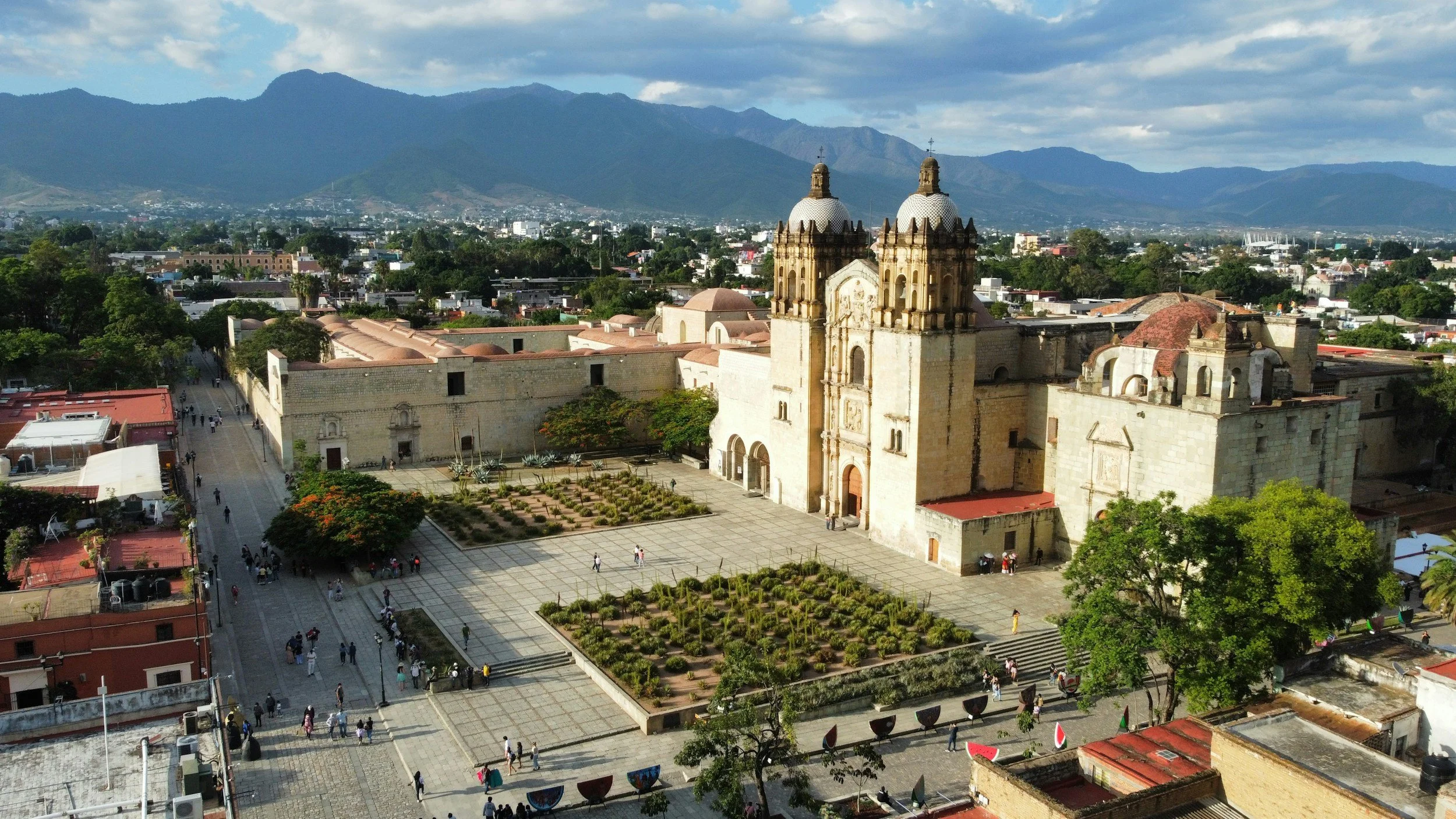
Oaxaca is a big Mexican state south of Mexico City, also containing the city of Oaxaca inside. The whole place is a beautiful mix of colonial architecture blended with indigenous culture which is why a lot of people like to travel here for an authentic side of Mexico. Overall it is a destination rich in history.
Things to do:
I’ll start with the city, then move to the rest of the state. In Oaxaca city, start in The Zócalo, Oaxaca's central square and one of the best central squares in the country. There is often markets and music here. Right beside it sits the Catedral de Oaxaca which is also a significant building. A short walk from the Zócalo, the Templo de Santo Domingo de Guzmán is the most impressive building in the city, not just on the outside but the inside too. Plus, attached to it is the Museo de las Culturas de Oaxaca, which houses an outstanding collection of Zapotec and Mixtec artefacts. You can really spend a lot of time walking the streets and markets (such as The Mercado Benito Juárez and the Mercado 20 de Noviembre by the main square), and of course trying the food. Outside the city, Monte Albán is the single most important archaeological site in the state and one of the great ancient cities of Mesoamerica, so definitely spend a day getting up there cause it’s almost like a mini Machu Picchu. Then a couple spots further away include the unique Hierve el Agua pools, and the towns like Puerto Escondido on the coast of Oaxaca with amazing beaches.
How to get there:
Oaxaca International Airport (OAX) has lots of flights which are mainly domestic from around Mexico.
Otherwise you can take a bus from Mexico City, or other nearby cities like Puebla or Veracruz.
Once in Oaxaca you can take buses or shuttles around the state easily.
6) Guadalajara
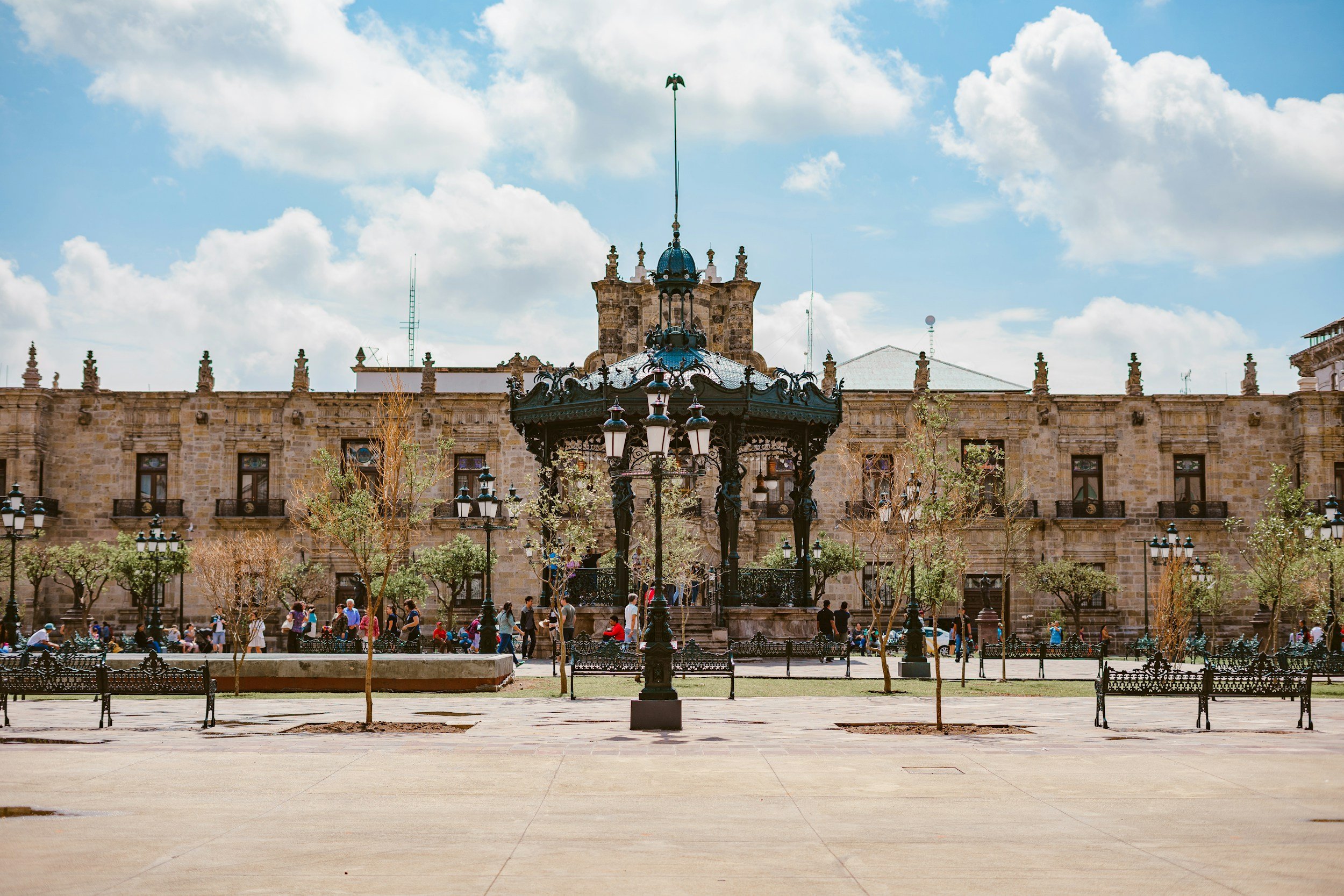
Guadalajara is Mexico’s second biggest city, and a lot of people would describe as a very traditional Mexican city. You can find a lot of pride for the city in the people who live here, and they call it Tapatío identity. You can spend a good bit of time here exploring the historic and cultural artifacts, and then taking day trips to nearby cool spots.
Things to do:
Once again, start in the historic center of the city. You can find Guadalajara's Cathedral dominating the area, with Plaza de la Liberación and the Palacio de Gobierno right nearby. After you walk around the main area of the city to get a feel for the atmosphere, go out to the Mercado San Juan de Dios, which is just east of the historic center, and one of the largest covered markets in Latin America so definitely worth a visit. Then there are a couple other neighborhoods which I would go to, such as Tlaquepaque and Tonalá, both really really great for Mexican craft culture. And lastly, no visit to Guadalajara is complete without making the trip to Tequila, the town around 60 kilometres northwest of the city known for the production of Tequila and a great place to experience via a tour. The Tequila Express tourist train runs from Guadalajara on weekends which makes it easy. Actually I do have one more spot and that is the massive Lake Chapala south of the city and the largest natural lake in Mexico.
How to get there:
Miguel Hidalgo y Costilla International Airport (GDL) has flights from all across the continent.
If in Mexico you can easily take buses from every major city.
7) San Miguel de Allende
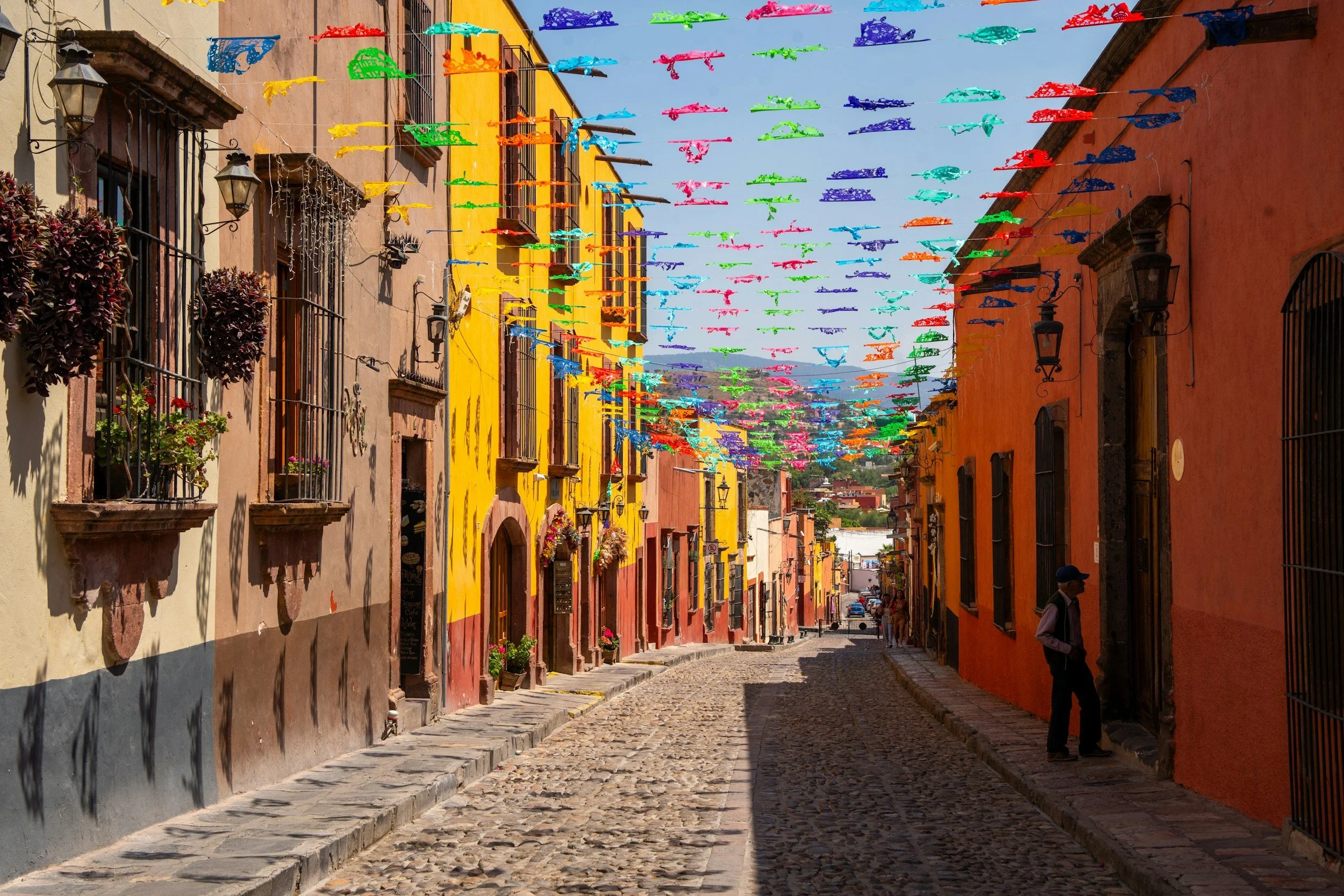
San Miguel de Allende is a small colonial city which a lot of people haven’t heard of, and you can find it a decent distance northwest of CDMX. The appeal amongst travelers is the extraordinarily well preserved historic areas of the city, and in fact the entire historic centre is a UNESCO World Heritage Site.
Things to do:
Really just spend some time wandering the city center and make sure to take in every corner of the streets. First you’ve got the lovely plaza around Jardín Allende which has the Parroquia de San Miguel Arcángel rising directly above it, but from there you can wander any street as they are all filled with so much color and vibrancy. Calle Umaran, Calle Mesones, and the streets around the Parque Juárez to the south of the center are all particularly charming, but the ones closest to the plaza are incredible too. And to top it all off, a short walk uphill from the center is the Mirador viewpoint above the city, which gives a panoramic view over the rooftops and spires. I do have to recommend a day trip to Guanajato which literally may be better than San Miguel itself. It is ALSO a UNESCO World Heritage city, but it’s built into a narrow ravine, with a maze of underground tunnels serving as the main road network - definitely spend a night or two there even, if you can make the time.
How to get there:
Guanajuato International Airport (BJX) is close by and you can use that to get to the city.
San Miguel is well served by long distance bus from cities like Mexico City, Guadalajara, etc
8) Copper Canyon
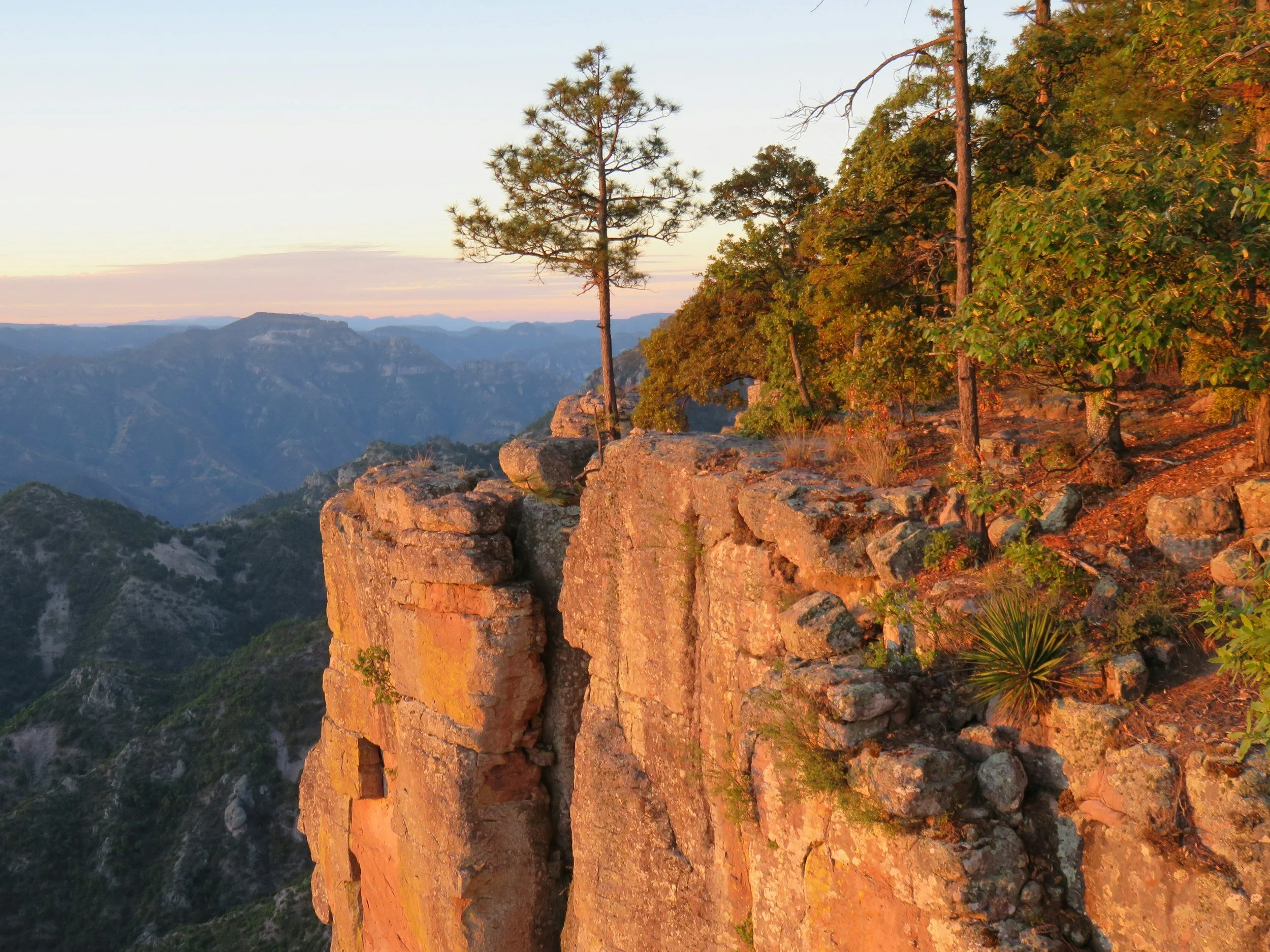
Last but not least is the Copper Canyon, which is a vast network of canyons in the Sierra Madre Occidental mountain range in the state of Chihuahua in northwestern Mexico. It’s actually way larger and way deeper than the Grand Canyon, so I have to include on the list just as you should try include it on your itinerary.
Things to do:
Hands down the best way to experience the Copper Canyon is through the El Chepe railway journey, which runs between Chihuahua in the east and Los Mochis on the Pacific coast in the west, and the stretch through the Sierra Madre and into the canyon system is genuinely one of the most breathtaking rail journeys in the world. The main stop along the route and the best base for exploring the canyon is Creel, a small mountain town on the canyon rim where you can stop and see the viewpoints.
How to get there:
Fly or bus into Chihuahua (CUU) or Los Mochis (LMM), and then get on the El Chepe train and venture inwards.
Support the Site
If these guides have helped your travels, consider buying me a coffee ~ it helps keeps the content free!
buymeacoffee.com/roamingideas