The Best Places to Visit in Mali
Note: Many Governments around the world have issued a Do Not Travel warning against Mali, due to high crime risks and terrorism.
Mali is one of West Africa’s historic countries, which is very large in both size and population (a lot of it is the Sahara Desert, though). Up in the north is where you find the sparsely populated sandy Sahara, whereas down in the south of the country is the country’s lifeline, supporting cities, agriculture, and trade. Nearly 23 million people live in Mali, and it used to be home to one of the richest empires in the world - The Mali Empire. Today, it isn’t exactly thriving to that level due to security issues and political challenges. Those who do make it to Mali will realize it’s not really about sightseeing, but more about seeing real West African culture and living styles, as they explore some of it’s renowned settlements.
Capital: Bamako
Currency: West African CFA Franc
Language: French, Bambara (+12 more)
When to visit: November to February
1) Timbuktu
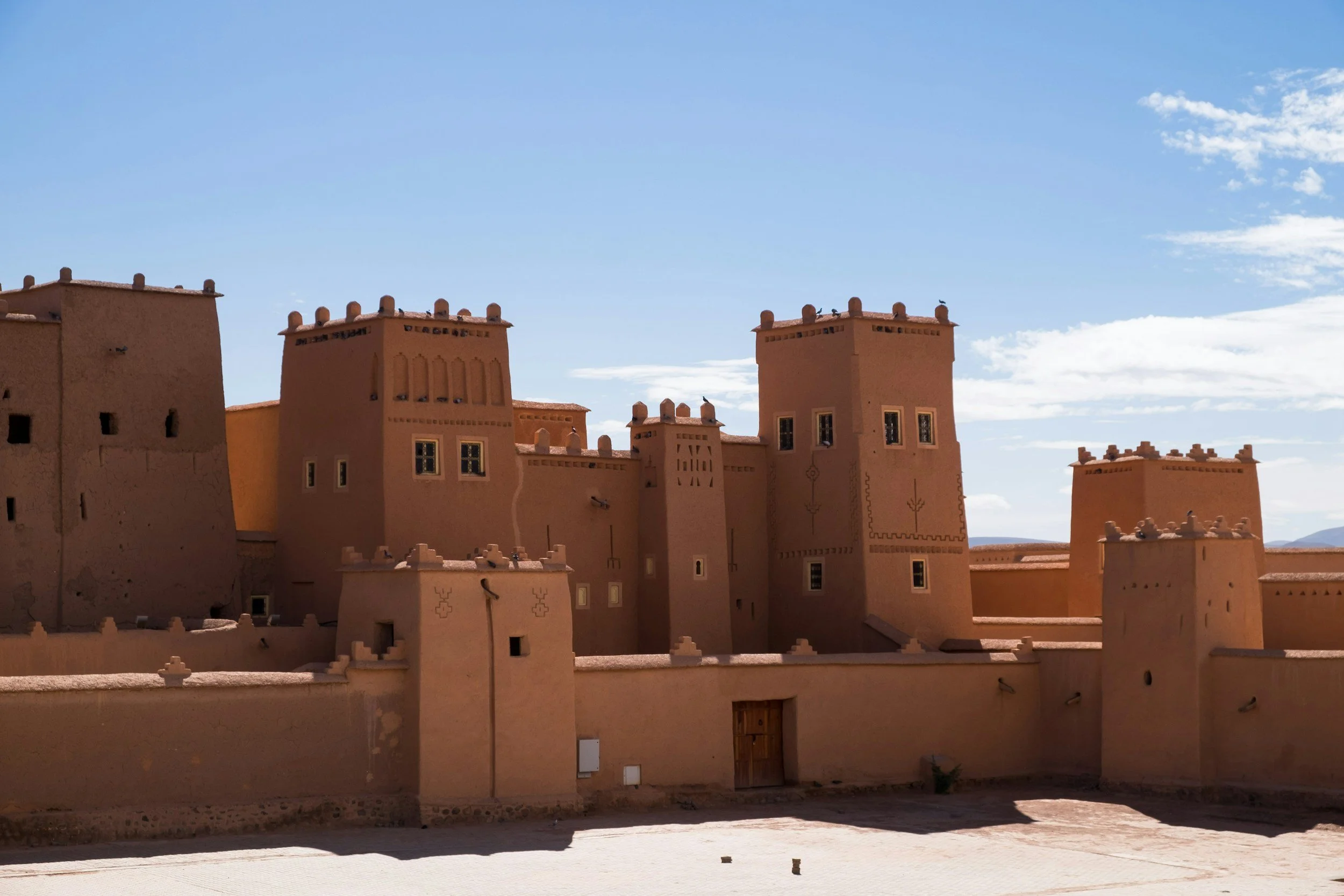
The name ‘Timbuktu’ is pretty iconic around the world. It’s a city on southern the edge of Mali’s Sahara area, and for centuries it was one of the most important intellectual and trading centers in the Islamic world. The city is built almost entirely out of mud-brick, and over 30,000 people still call it home. Thousands of handwritten manuscripts were produced and collected here, and scholars from all across the Islamic world came here to study.
Things to do:
Timbuktu is pretty small and most highlights are close together, so it’s easy to walk around and take as long as you want to understand the importance of the city. The most iconic building is Djinguereber Mosque, which dates back to the 14th century and is built out of mud-brick with the wooden beams sticking out (classic Sahelian architecture). You can then also visit Sankore Mosque, and the university area around it. This was the heart of Timbuktu’s scholarly life, and the place many traveled to for study. Tens of thousands of handwritten texts on science, religion, law, and philosophy originated or were kept in Ahmed Baba Institute next door. Simply just walk through the sandy streets of the city and live the experience in one of the world’s most remote places.
How to get there:
Timbuktu Airport (TOM) exists, but flights from Bamako are often cancelled due to a lot of factors.
2) Djenné
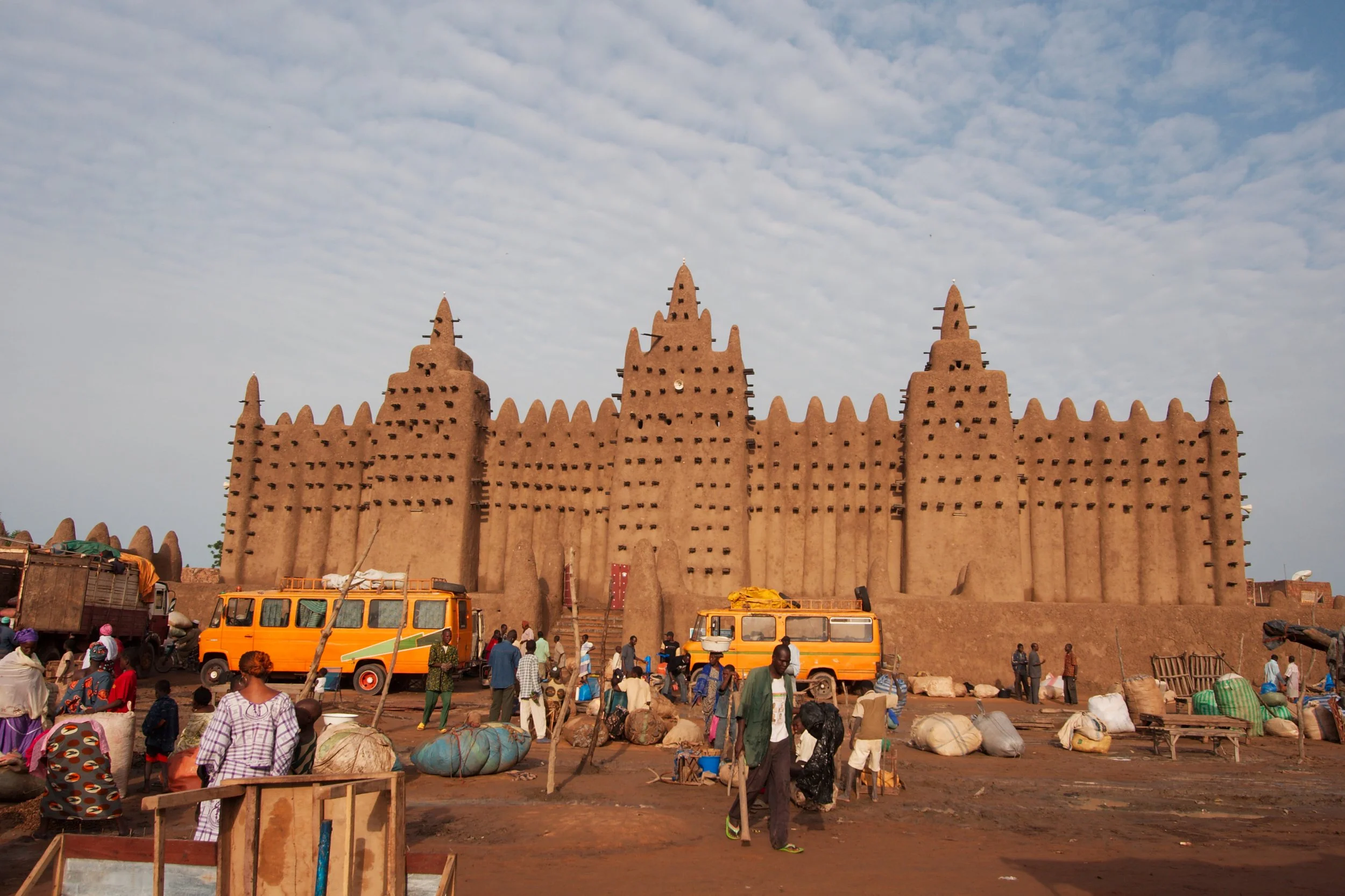
Djenné is another one of the oldest continuously inhabited towns in sub-Saharan Africa, and it’s set in the floodplains of central-eastern Mali. The town sits near the Bani River, so during the rainy season the surrounding land floods, turning Djenné into an island. The reason many head to Djenné whilst in Mali is because it’s home to the largest mud-brick building in the world.
Things to do:
The mud-brick building in question is the Great Mosque of Djenné. It’s the center of the city and the most important building here. When you head to the area you can see how important of a site is for Muslims. Other than that, spend some time actually exploring the rest of the city. You can see houses that people live in in Mali, plus the old town streets and some markets which often occur at specific days of the week. Realistically to just see the dominating mosque takes a day.
How to get there:
The most common way is to take a minivan or private vehicle from Bamako to Mopti, then continue to Djenné.
3) Bamako
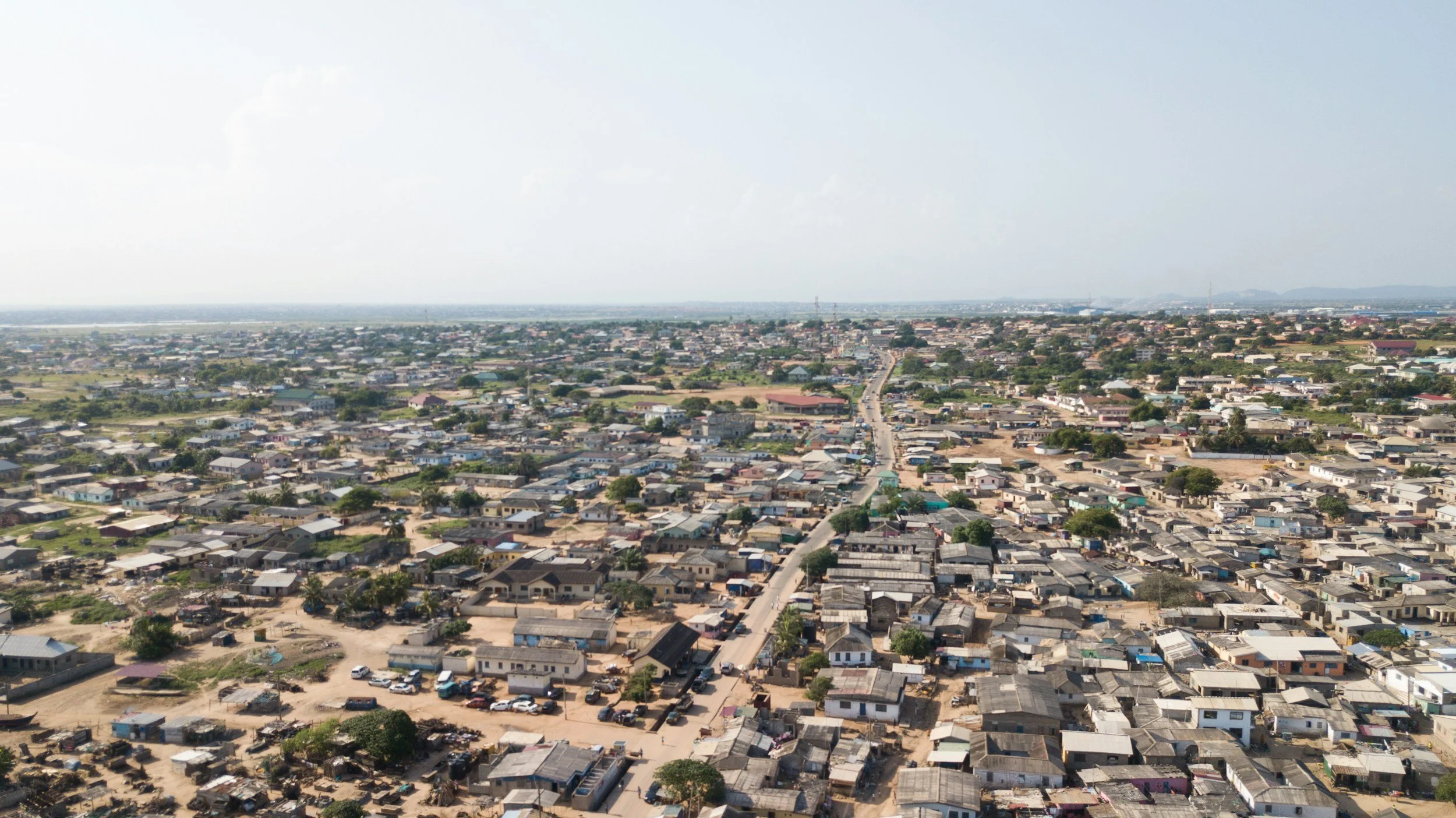
Now we can talk about Mali’s capital - home to all the political, economic, and cultural relations of the country. It’s a million times busier and more lively than the last two cities mentioned, and isn’t really the biggest historical site at all. It’s found in southwestern Mali along the Niger River and is going to be a necessary stop as it’s likely your entry to the country.
Things to do:
Since you’re in Mali’s capital city, you may as well see what the National Museum of Mali features. It’s definitely the best way to understand more about the country. Then walk into Marché Rose, also known as the Pink Market, which is one of Bamako’s busiest markets and pretty chaotic. Walk around Bamako’s streets in and around the Central Mosque area. You can find some pretty nice buildings, like the Sacred Heart Cathedral plus some spaces for Malian music.
How to get there:
Bamako–Sénou International Airport (BKO) is Mali’s international airport. You can find flights from other West African capitals a lot.
There is technically a train line from Senegal to Mali but I wouldn’t rely on that at all.