The Best Places to Visit in Lebanon
Note: Many Government Travel Advisories worldwide advise against travel to Lebanon due to civil unrest, and terrorism crimes committed by Israel.
Lebanon is a small, yet resilient Middle Eastern country with coastline on the Mediterranean Sea, and it holds a bit of a rough history. Nearly 6 million people live here, and those who visit Lebanon often write home about the incredible hospitality they experienced from the Lebanese, as well as the world class food and culture. After independence, Lebanon was a prosperous banking and trade hub, but it experienced a long civil war, as well as a war with its neighboring country, and the 2019–2020 economic collapse. Regardless, it has never lacked culture and passion.
Capital: Beirut
Currency: Lebanese Pound
Language: Arabic
When to visit: April to May, October to November
1) Beirut
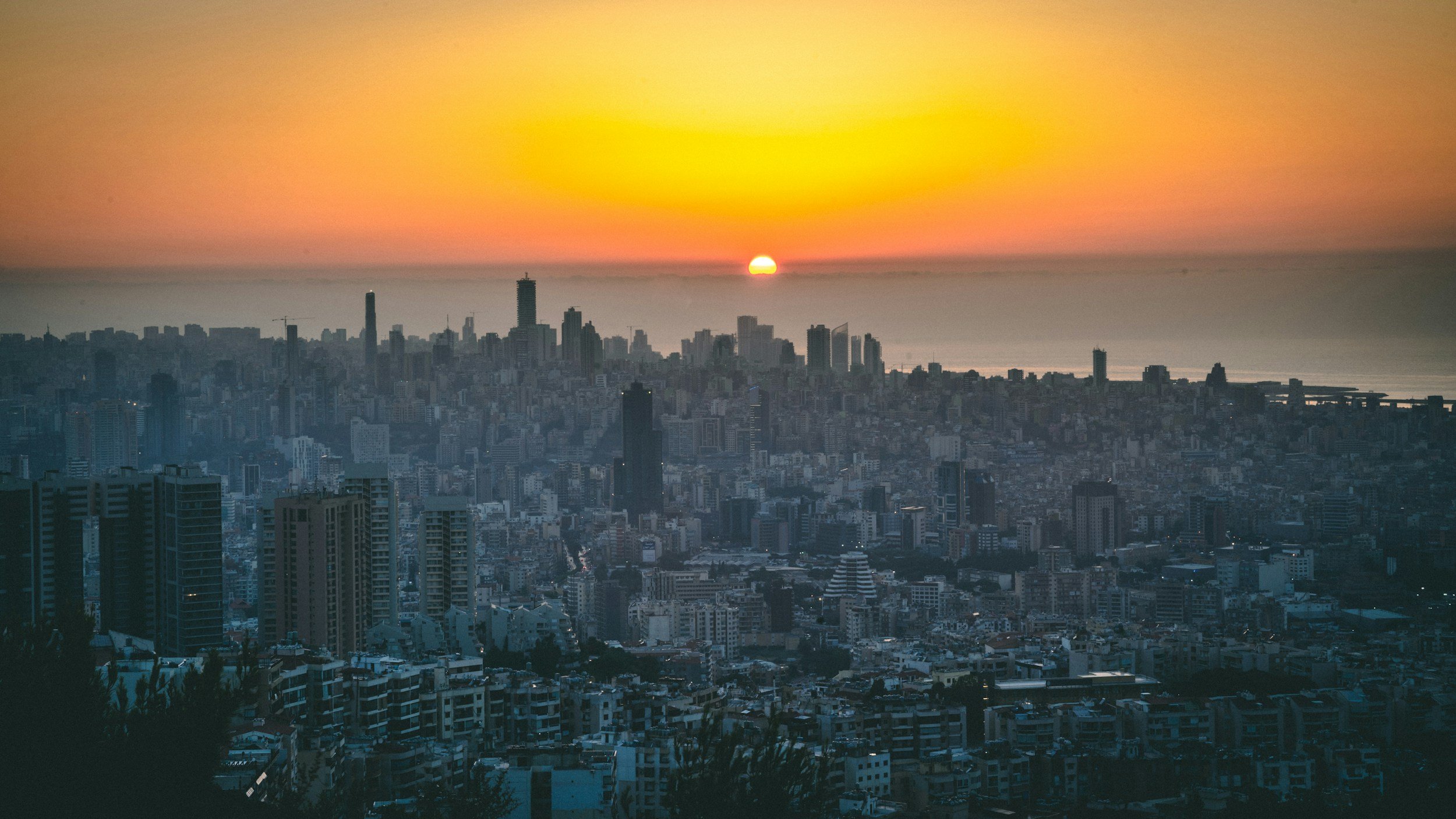
Beirut is Lebanon’s large capital city built on hills overlooking the sea, with a population of around 2.5 million people. The city is super lively, with a very electric feel at night and amazing food and restuarant spots everywhere. It feels very authentic was you walk through the streets. It’s been through all kinds of hell in the past, but the locals are super nice and the rebuilt areas are unique to walk through.
Things to do:
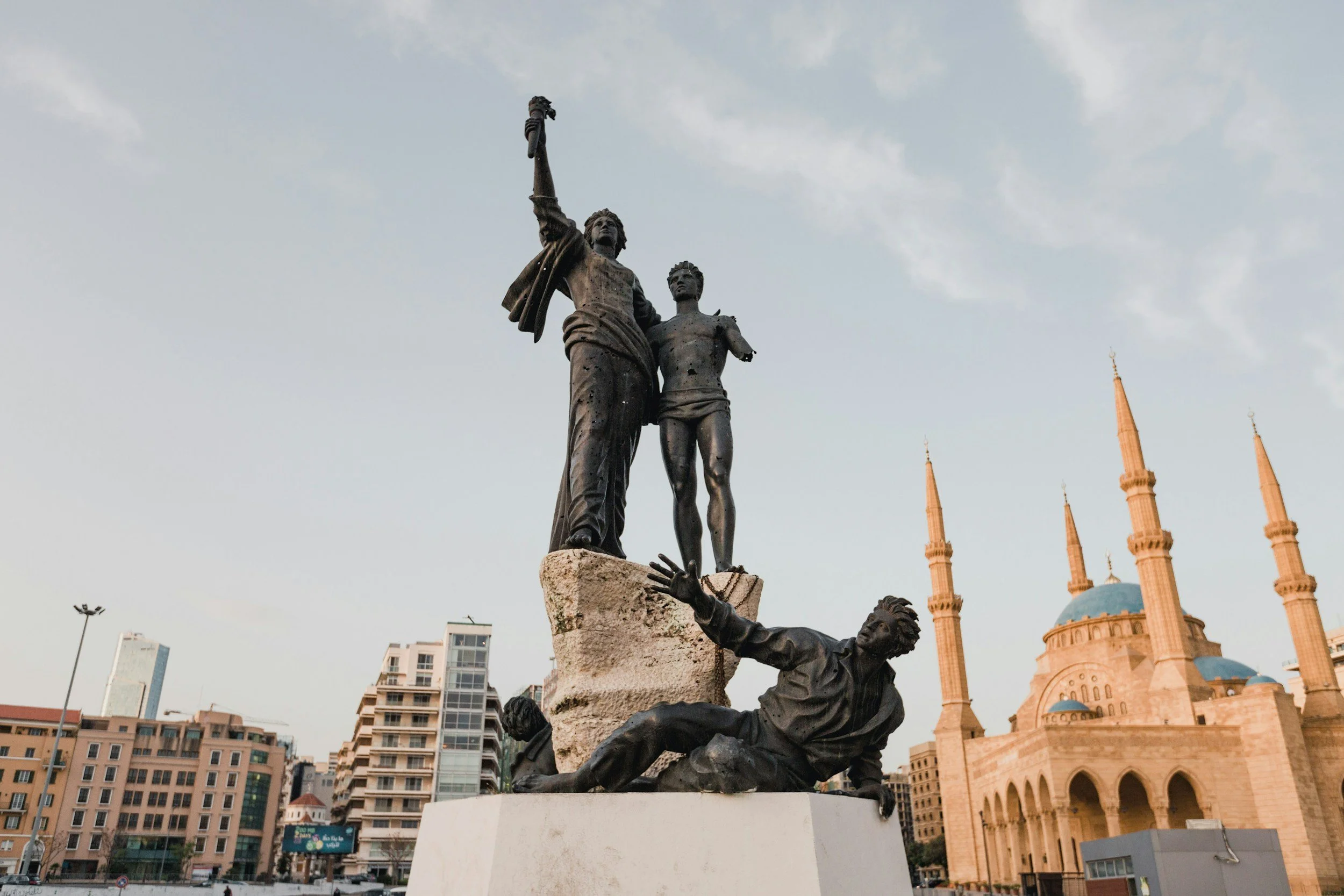
Downtown Beirut is the best area to be - it’s been reconstructed and is filled with souks, mosques and more. Make sure you see the Martyrs' Square, and the Martyrs' Statue monument commemorating executed nationalists from 1916. Zaitunay Bay is the nice waterfront area which is a great place to hang out when it’s sunny (which is a lot). If you want more of Beirut’s waterfront, walk the Beirut Corniche which is around 5km long. Another main street which is a good area is Hamra Street, it’s got a lot of hotels, restuarants, all that kind of thing. Raouche is a great neighborhood to visit on the west coast of Beirut. There is iconic twin rock arches rising from the sea, as well as a lot of activity around the upscale apartment areas. And in terms of day trips, try Jeita Grotto, a natural wonder.
How to get there:
Beirut–Rafic Hariri International Airport (BEY) is the only international airport, and the best place to fly from is the Middle East.
There is also often buses from other Lebanese cities and towns.
2) Byblos
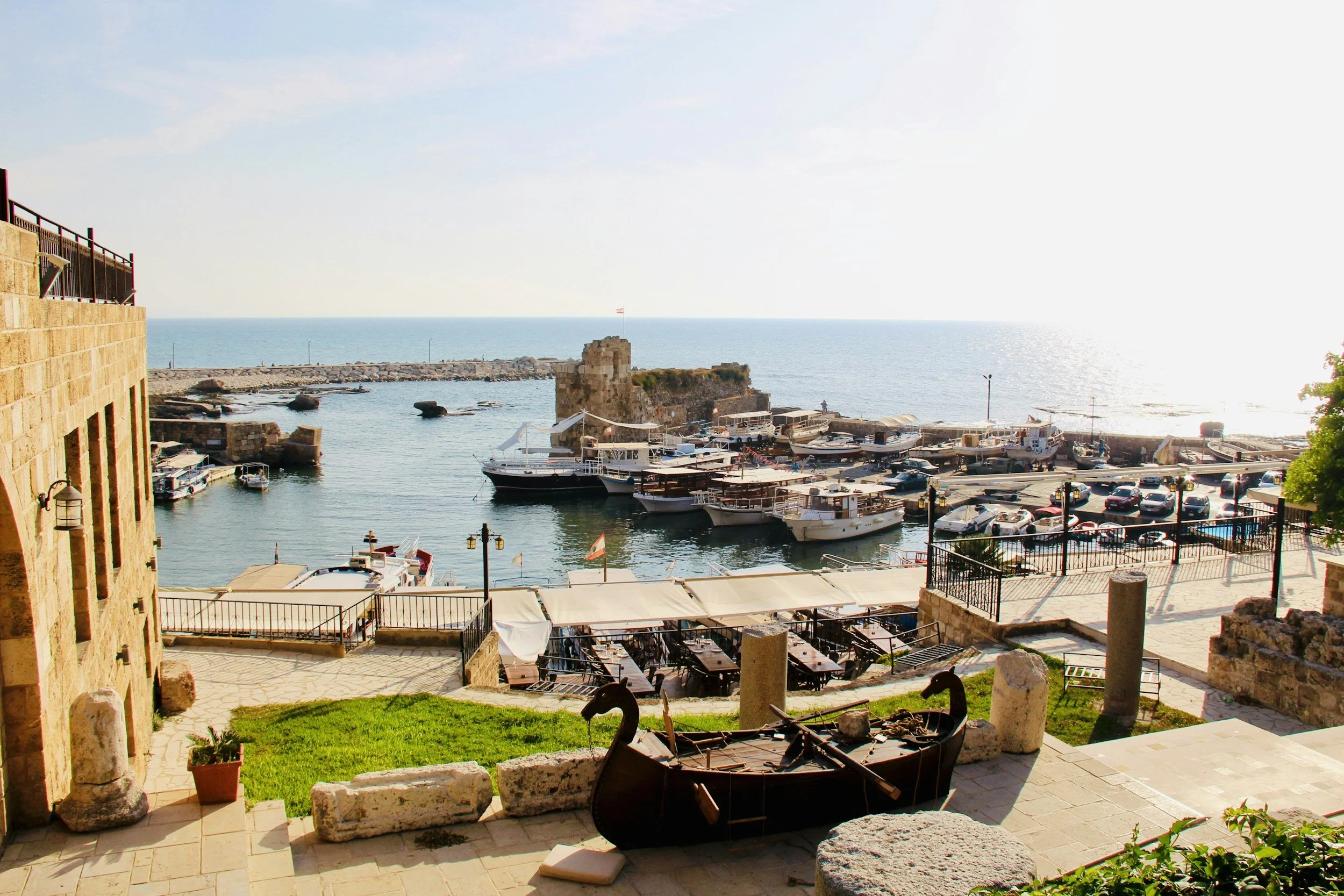
Byblos is one of the oldest continuously inhabited cities in the world, located on Lebanon's Mediterranean coast about 37 km north of Beirut. It's a UNESCO World Heritage Site, and one of Lebanon's most historic places you can visit. It’s a small town with only about 50,000 people, so it’s super charming with the amazing mix of ancient ruins and a dazzling seaside.
Things to do:
The top attraction is of course Byblos Citadel & Archaeological Site, a place where you can walk through 7,000 years of civilizations all at once. While it is small, it has Phoenician temples, Roman theaters, Byzantine churches, and medieval walls. Next to it is the classic Old Souk, where you can get your Lebanese shopping fix in. Not far is a walk to the Marina, where the little fishing harbor sits giving it a great atmosphere.
How to get there:
Take a local minibus/van from Beirut, it takes under an hour.
3) Tyre
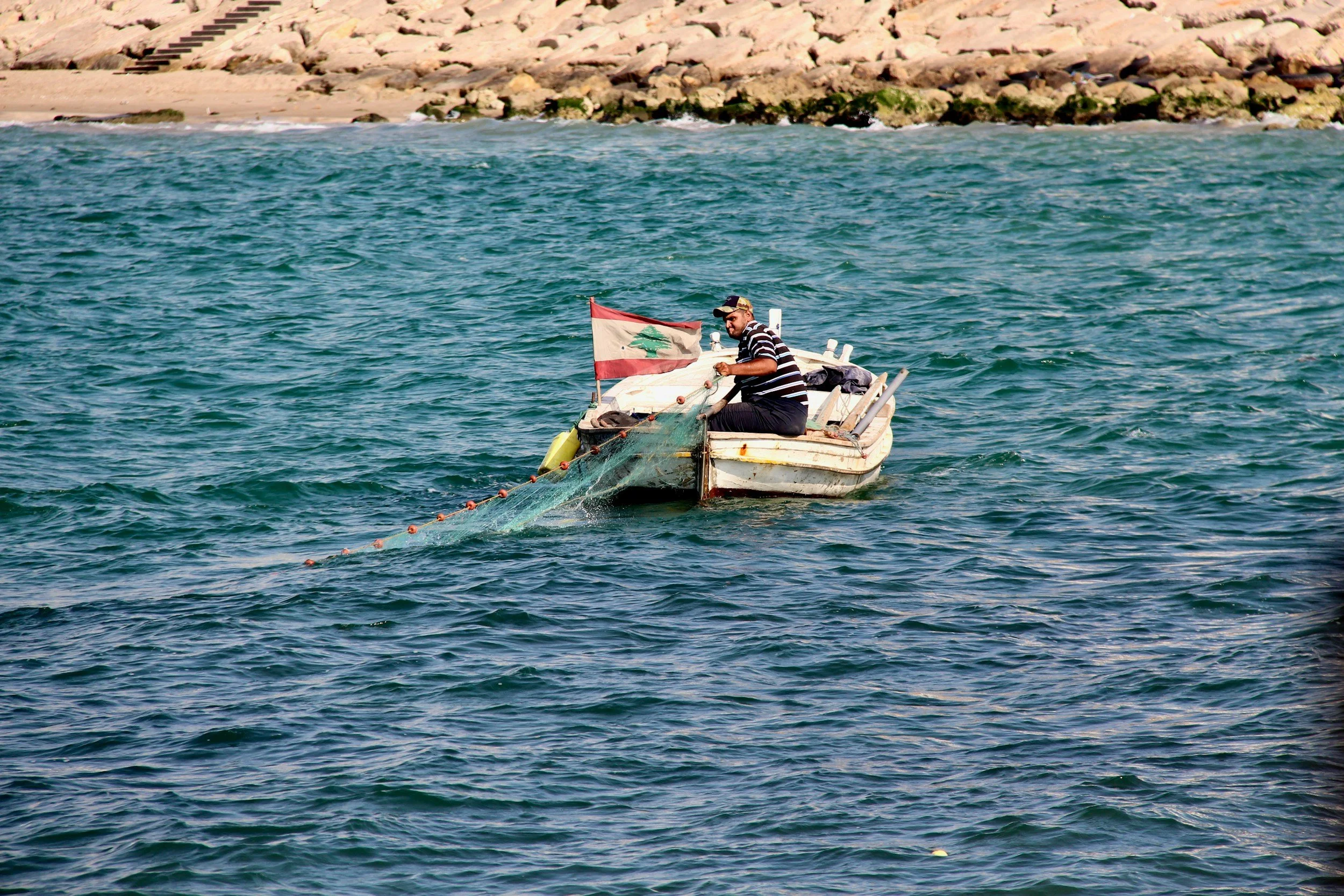
Like Byblos, Tyre is one of the oldest cities in the world and one of Lebanon's most important ancient sites. It’s another quiet little coastal town with a world heritage site and amazing views overlooking the sea. The ancient Phoenician heritage here is strong, and you can feel it all over the city.
Things to do:
There are so many ancient sites, so I’ll list a few of the best world-renowned ones. The first is the Necropolis of Tyre, which is close to the Tyre Hippodrome and the Arch of Hadrian. Closer to the coastline you have the Tyre City Roman Baths, and the very iconic ruins of the Temple of Melqart, too. After spotting all the incredible sites, you can relax at one of Tyre’s amazing beaches.
How to get there:
Again take a local minibus/van from Beirut, they leave when full.
4) Baalbek
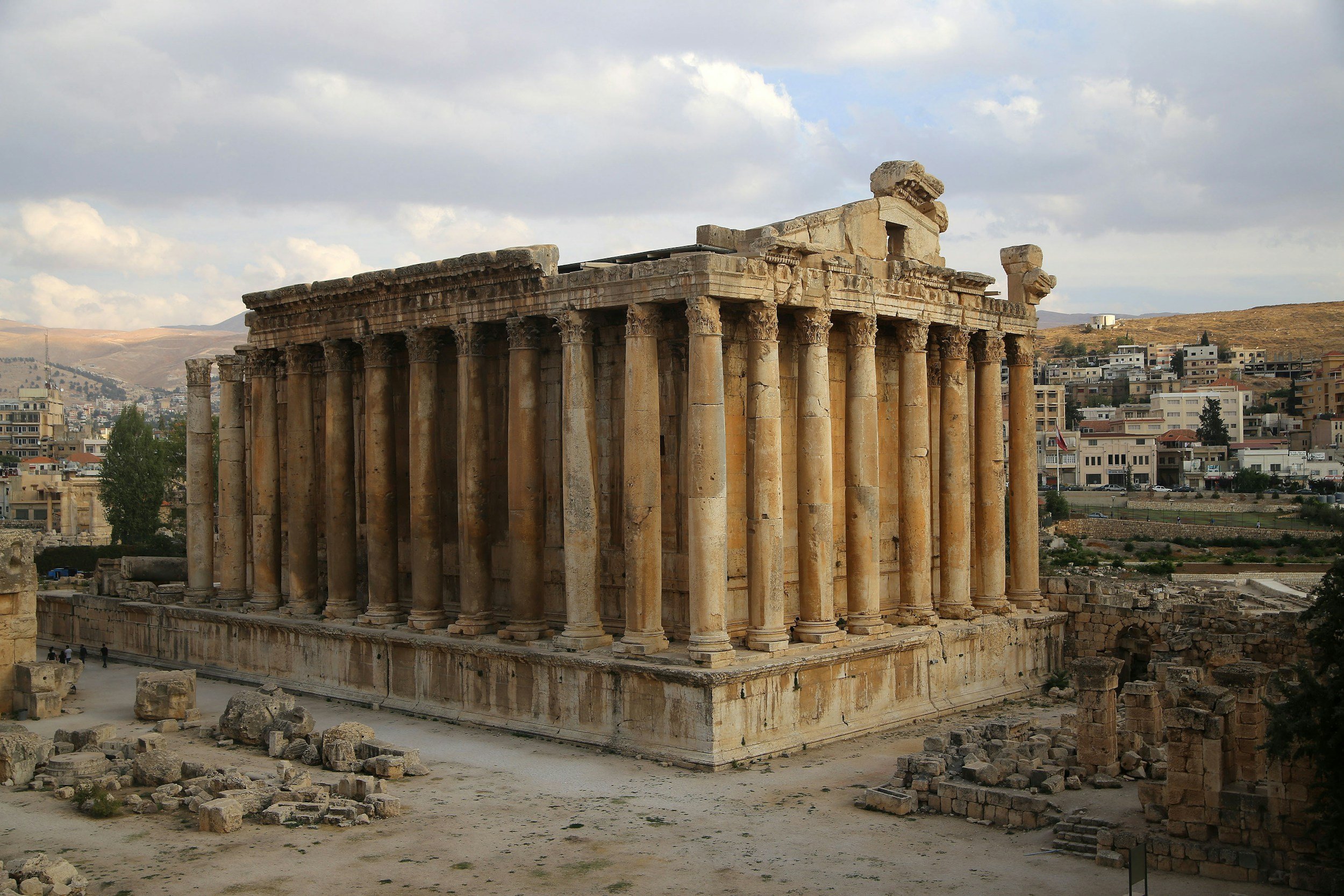
Baalbek has been a UNESCO World Heritage Site since 1984, and is home to some of the world’s most impressive ancient Roman sites. You’ll find some of the largest stone blocks ever used in construction in the old, huge Roman architecture the city is iconic for. It’s about 85km northeast of Beirut and 100% worth going out of your way to check out.
Things to do:
Baalbek is quite literally home to the biggest Roman temple ever built in history, the Temple of Jupiter. There are 6 columns still standing, but for tourists it can be disappointing as there is known to often be scaffolding over it. However, right next door is the Temple of Bacchus, a way better preserved temple, with intricate carvings on walls and ceiling. Down the road is the Temple of Venus in Heliopolis, which is a bit smaller but still impressive. About 1km away is the Roman Quarry, and the monolith named Stone of the Pregnant Woman, which weighs 1000 tons. Overall, the city is literally a giant museum and maybe the best spot in Lebanon’s north.
How to get there:
As usual, Again take a local minibus/van from Beirut. It is further off the coast this time.
Support the Site
If these guides have helped your travels, consider buying me a coffee ~ it helps keeps the content free!
buymeacoffee.com/roamingideas