The Best Places to Visit in Iran
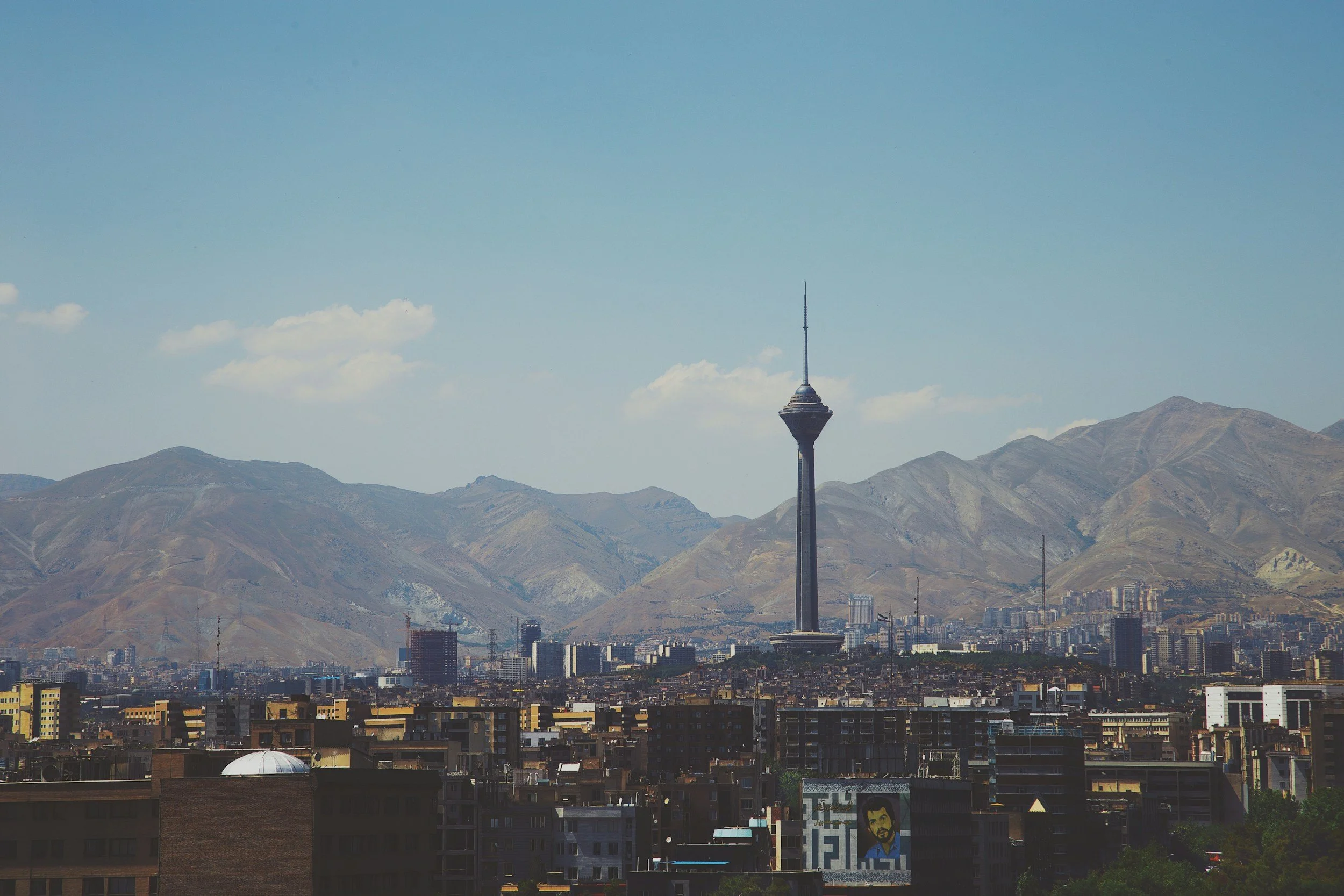
Note: Governments such as the US and UK advise against all travel to Iran due to risk of civil unrest and terrorism.
Iran, historically known as Persia, is a large country in West Asia, located at the crossroads of the Middle East and Central Asia. It has a population of roughly 90 million people, making it the 17th most populous country in the world. Iran’s geography is remarkably diverse, ranging from towering mountain ranges and vast deserts to long coastlines along the Persian Gulf and Gulf of Oman in the south, and the Caspian Sea in the north. Iran is also one of the world’s oldest civilizations, with a history stretching back thousands of years. For centuries, it played a crucial role during the height of the Silk Road, as its central location made it a key link between East and West. Today, this long history is reflected in Iran’s rich cultural traditions and its many striking historical sites, offering visitors a deep and eye-opening look into the past.
Capital: Tehran
Currency: Iranian Rial
Language: Persian
When to visit: March to May & September to November
1) Isfahan
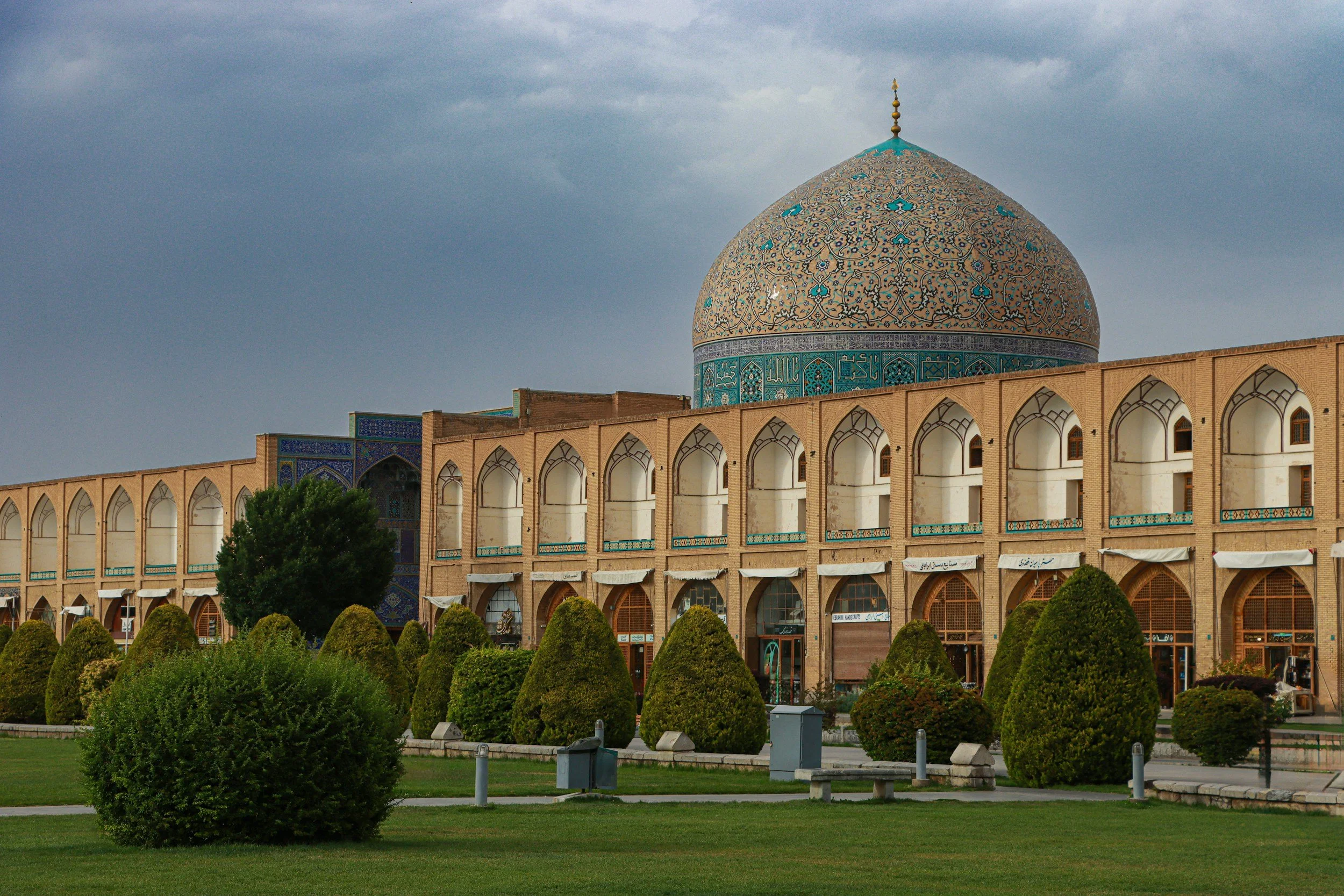
Isfahan is one of Iran’s most popular and historic cities, found in Central Iran.It thrived around the 16th century when it was the capital of the Safavid Empire. You’ll see big open spaces complimented by some of the cities most beautiful mosques and palaces. Isfahan is very historically significant, and when French writer Renier visited this city back in the 16th century, he described Isfahan as ‘half the world' as he recognized it’s ancient importance. This title still sticks today.
Things to do:
Isfahan is home to the UNESCO World Heritage sight of Naqsh-e Jahan Square. Inside you’ll see mutliple of its mosques and palaces, as well as the grand bazaar where locals sell their crafts and nescessities. The best mosque in thw square is Shah Mosque, known for its incredible interior architecture. Some other mosque recommendations are Jameh mosque, and Sheikh Lotfollah mosque.
How to get there:
Isfahan International Airport (IFN) serves domestic flights, with the most common and ideal route being from Tehran.
Alternatively, you can take a train from any of the large cities.
If a train doesn’t interest you, long distance bus has many options connected around the country.
2) Tehran
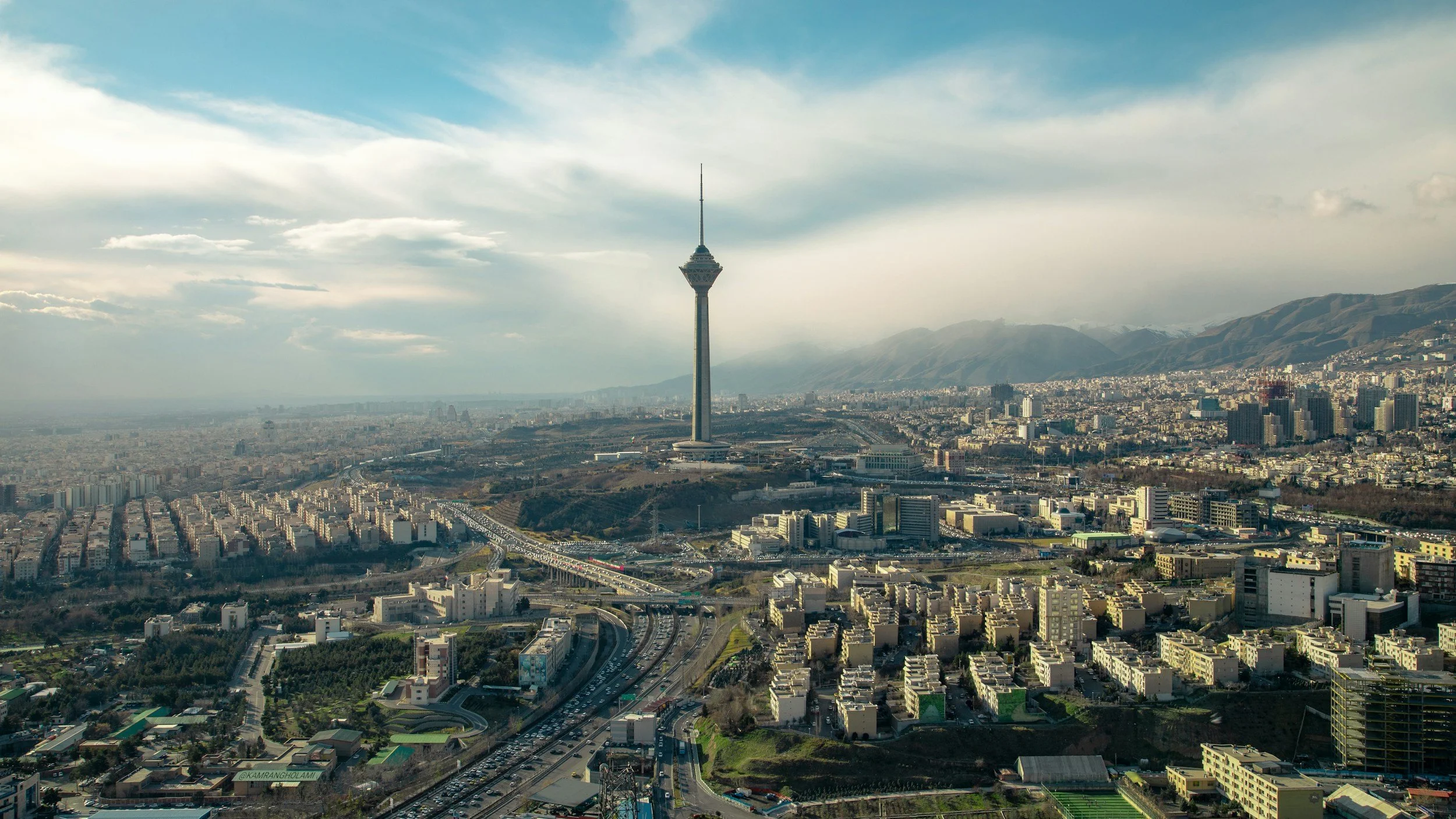
Tehran is Iran’s busy capital city and home to a population of around 9 million people. The city sits at the feet of the Alborz Mountains making it a great option for those who love cities, nature and adventure. It’s the main center of the country for all kinds of government related activity, such as economics and politics. It’s got some historical museums and al types of neighborhoods to explore during your time there.
Things to do:
Make sure you visit the royal complex of Golestan Palace, a UNESCO World Heritage site. Of course you also have to find yourself in the historic Grand Bazaar, where beautiful architecture houses chaotic foot traffic and local shops. If its too busy for you, Tajrish Bazaar could be a quieter option. You literally cannot miss Milad Tower, it’s Iran’s tallest building, found in the north-west of the city. You can get nice pictures of it, but you can also go up it and experience an incredible view. National Museum of Iran would be my museum recommendation.
How to get there:
Tehran’s airport is called Mehrabad Airport (THR), and is the countries main international hub with flights mainly from the Middle East, Asia and some of Europe.
Train connects Tehran with most other major cities in Iran, as does bus.
3) Shiraz
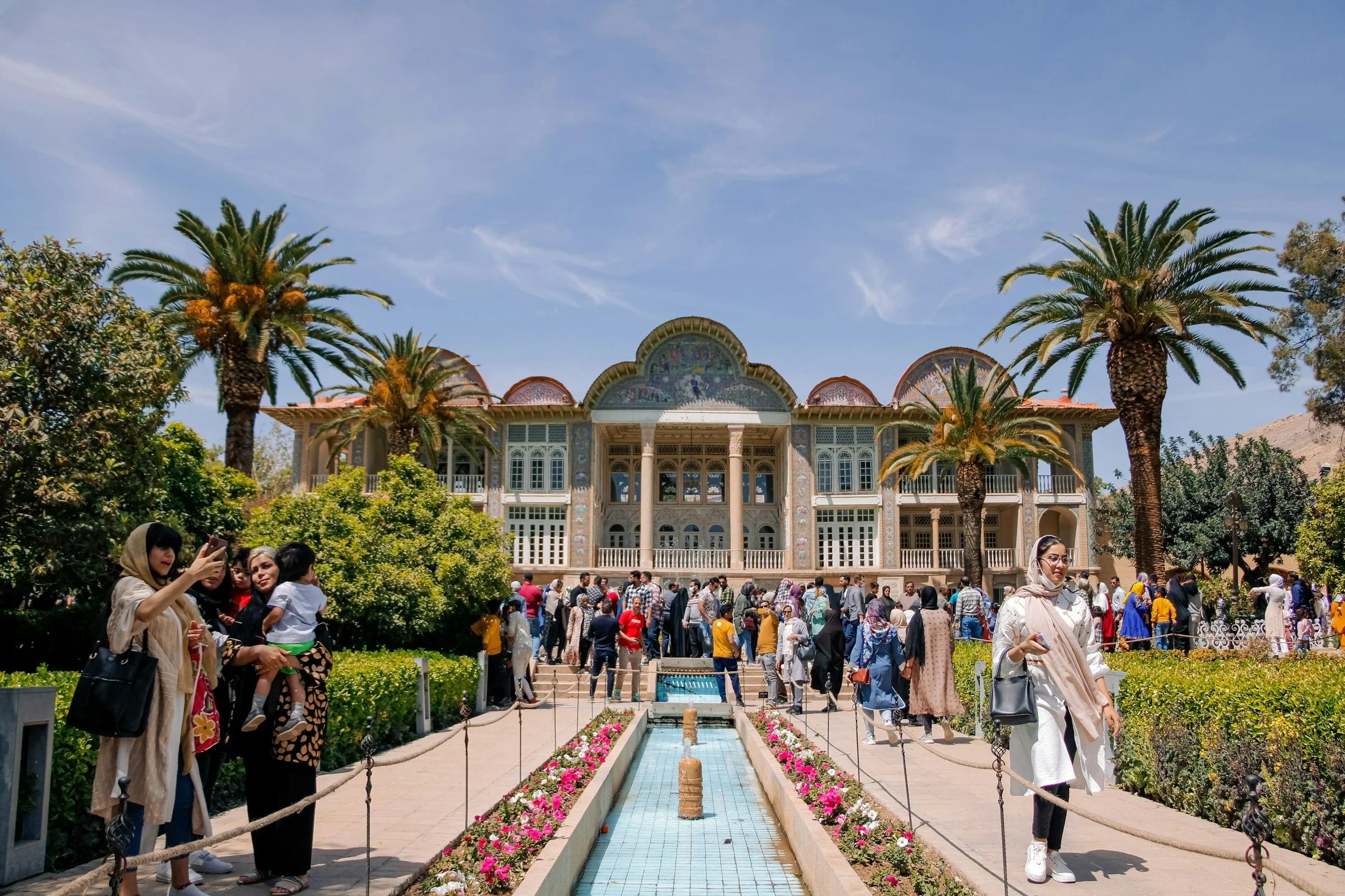
Shiraz is one of Iran’s biggest cities with a population of nearly 2 million people. It’s found in the South-west of Iran, built upon a seasonal river. It’s a significant city for literary works and poetry, being home to two of Iran’s greatest poets in history. You’ll find a lot of color in the city, as well as an abundance of charming gardens.
Things to do:
Eram Garden is the classic tourist destination of Shiraz, featuring a typical Persian garden decorated with fountains and colorful plants. In terms of cultural sites, go to Hafez Tomb and Saadi Tomb. Both tombs have a strong connection with the cities Poetic history. Vakil Baazar is the cities Bazaar, featuring an impressively large mosque as well (Vakil Mosque).
How to get there:
Shiraz is quite far from cities like Tehran, so Shiraz International Airport (SYZ) is a good gateway with domestic options.
Long distance train and bus take upwards of 12 hours.
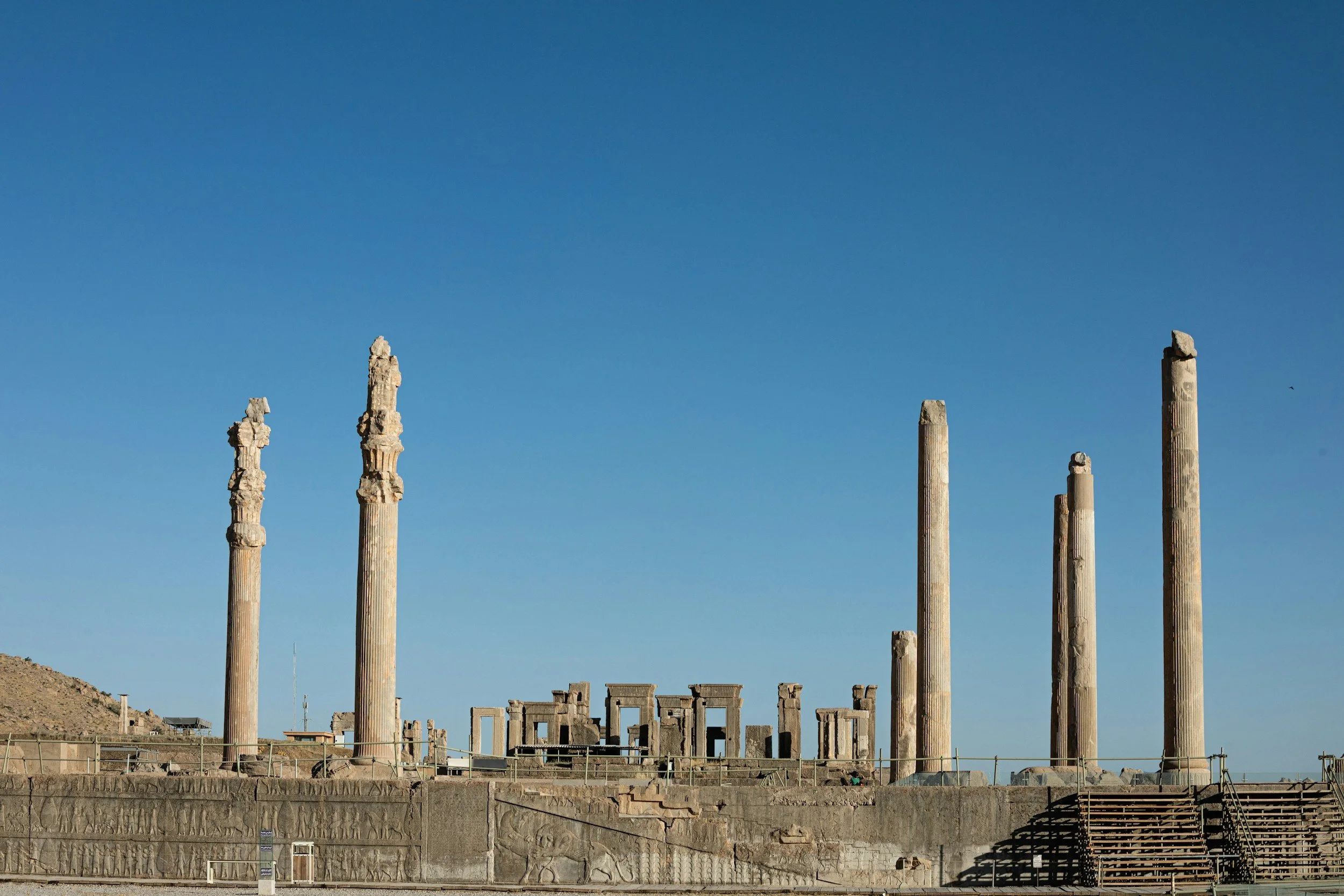
4) Persopolis
Persepolis was the ceremonial capital of the Achaemenid Persian Empire, located about 60km to the north east of Shiraz, making it possible for a day trip. It’s essentialy a historical museum showcasing the ancient city which served as royal gathering place and complex. It was actually burned and destroyed by Alexander the Great, but the ruins are preserved to this day allowing us to see the true strength and power that the Persian Empire withheld.
What you’ll see:
Giant stone staircases littered with ancient carvings, complimented by the old columns towering over 20 meters high. The intricate carvings of the ancient city are truly worth marvelling over.
How to get there:
Organize transport with a company or agency from Shiraz, they often come with an informative guide.