The Best Places to Visit in Iceland
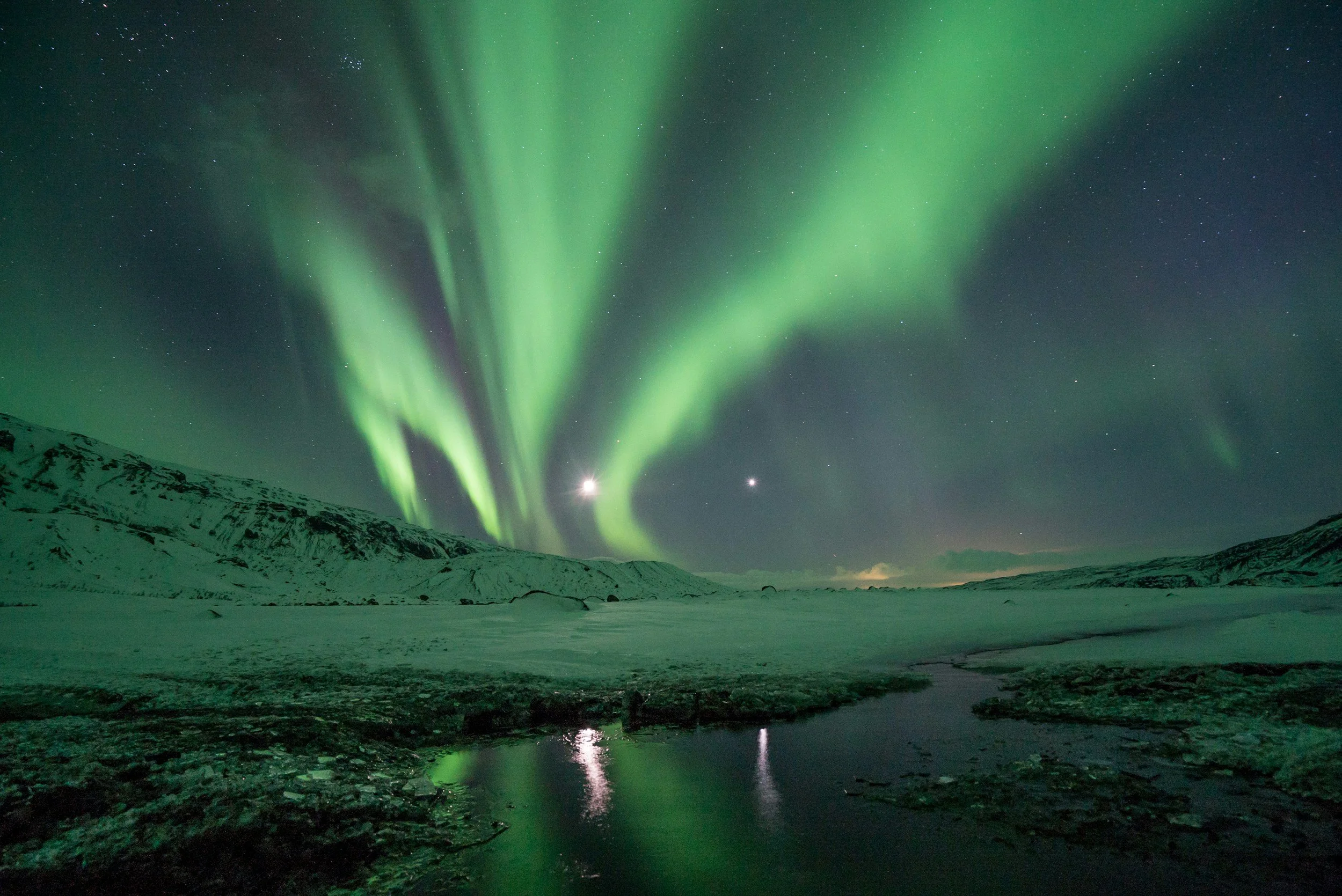
Iceland is often hailed as Europe’s most breathtaking destination, a land where dramatic waterfalls, volcanoes, and glaciers are littered across the entire country. Many travelers consider it one of the world’s greatest road trip experiences, it truly is a place that feels remarkably untouched and wild. Visiting Iceland is a true luxury, with its remote, almost mystical landscapes capturing the imagination like no other. Despite its small population of around 370,000 people, the country’s subarctic, volcanic climate makes visiting Iceland feel so unbelievably magical.
Capital: Reykjavik
Currency: Icelandic Krona
Language: Icelandic
When to visit: June to August
1) Skógafoss
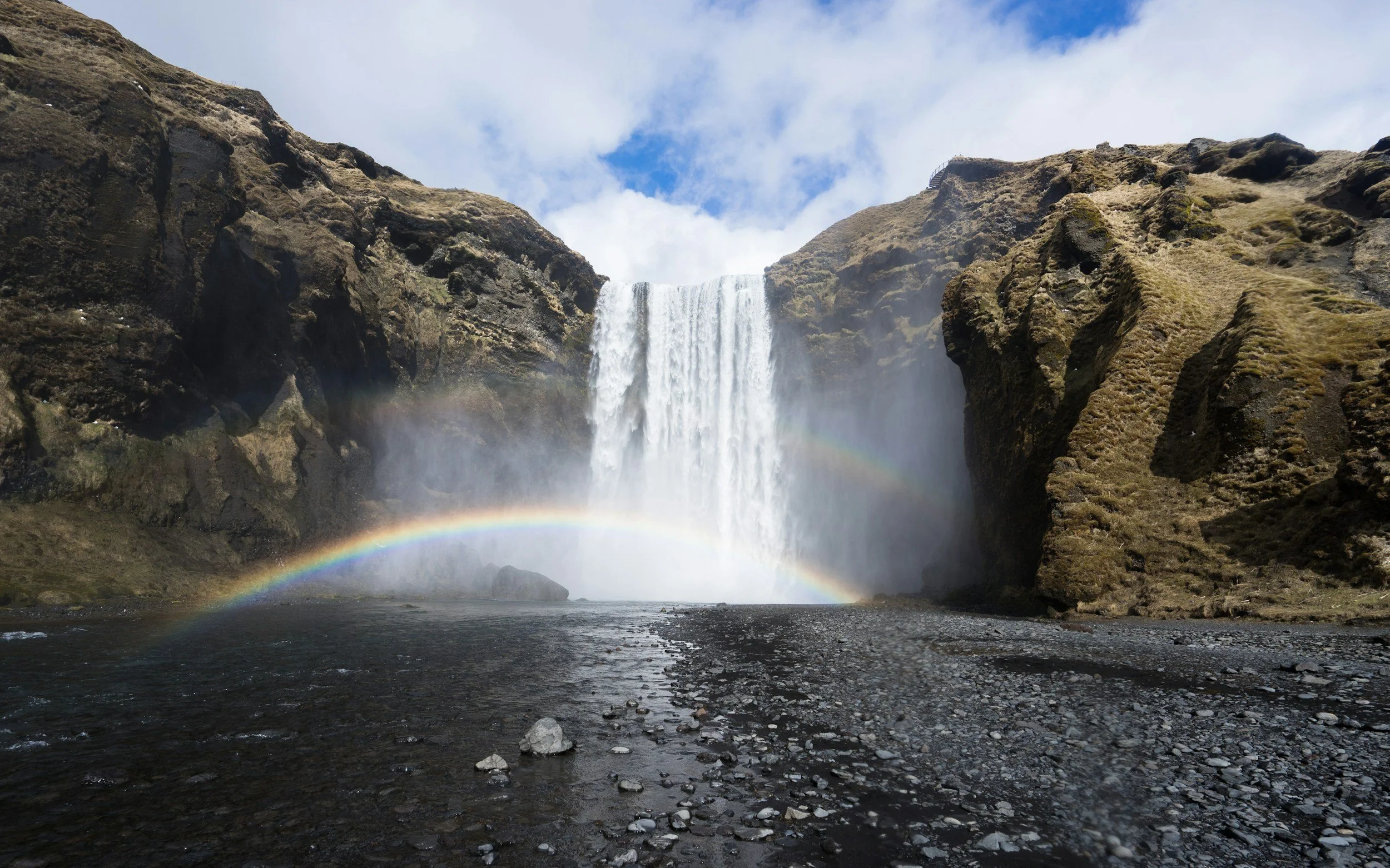
Skógafoss is one of, if not the most impressive waterfall in Iceland. It’s towers 60 meters high and stretches 25 meters wide. It’s very common to see aesthetic rainbows form in the mist of the waterfall. The reason it happens is because the water from the waterfall hits the rocks below with such impact, mist rises into the air and combines with the shining sun. An old myth is that a treasure chest was hidden behind the waterfall by a Viking settler.
Where is it:
Skógafoss is located in Southern Iceland, very close to the coast. It is easily accessible from Iceland’s main highway, and the town of Skógar is located essentially right next to the waterfall, and it contains a nice museum.
How to get there:
The location is about a 2.5 hour drive from Reykjavik, and it lies along Iceland’s Route 1. You cant miss the signage on the road.
2) Jökulsárlón
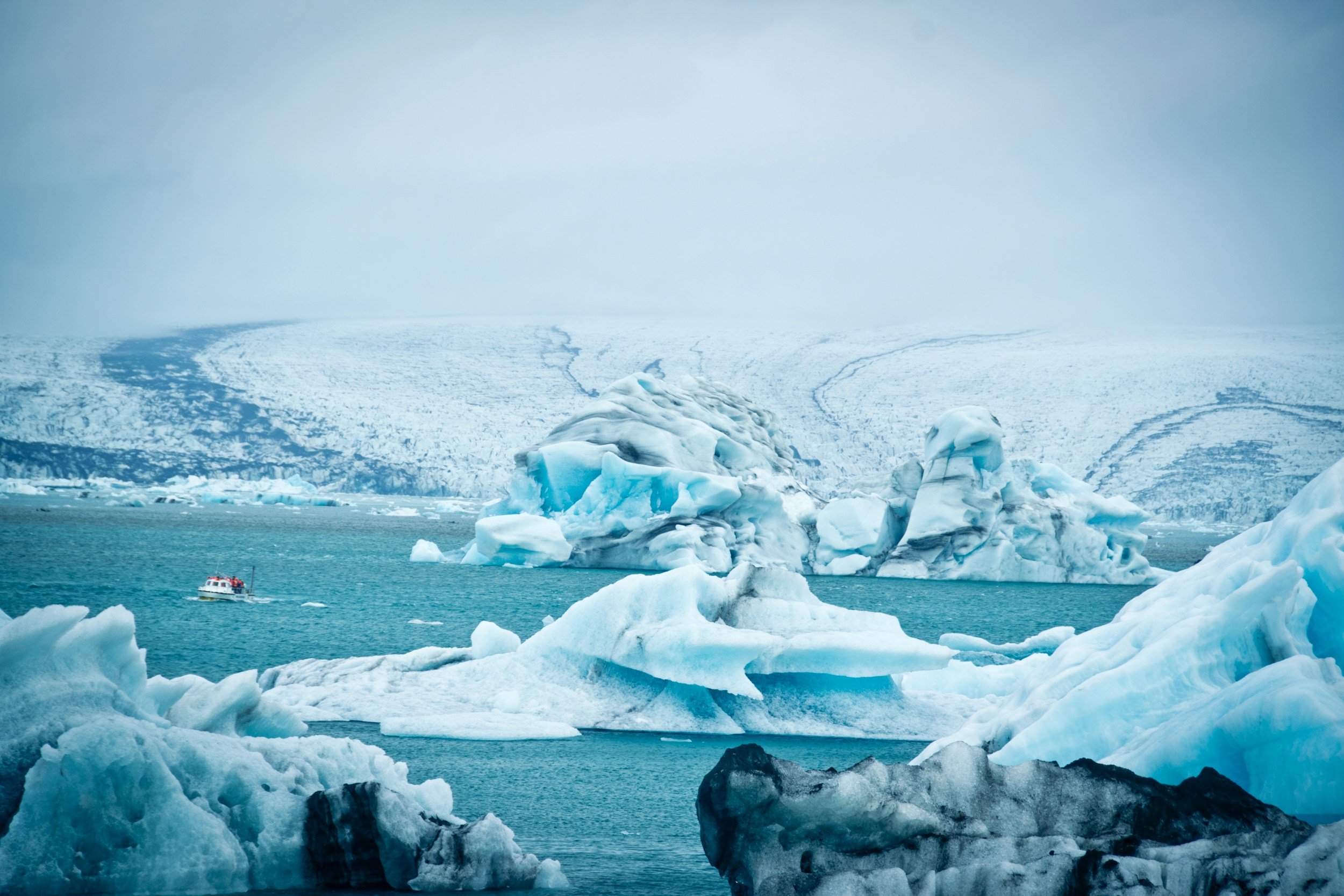
Jökulsárlón, otherwise known as the ‘Crown Jewel of Iceland’s Glaciers,’ is a decently sized glacial lagoon filled with floating icebergs that have broken off from the nearby Breiðamerkurjökull Glacier. Because of climate change, the lagoon grows every year. Regardless, it is one of the top spots to visit in Iceland; you’ll see beautiful blue water, endless floating icebergs, and extraordinary views from the black sand beach: Diamond Beach. You may even see some seals if you’re lucky.
Where is it:
The lagoon is located in southeastern Iceland, and there aren’t many nearby towns. It’s about a 5-6 hour drive from Reykjavik.
How to get there:
If you’re carrying on driving down Route 1, you’ll drive right by it. It’s a simple destination to reach.
3) Reykjavik
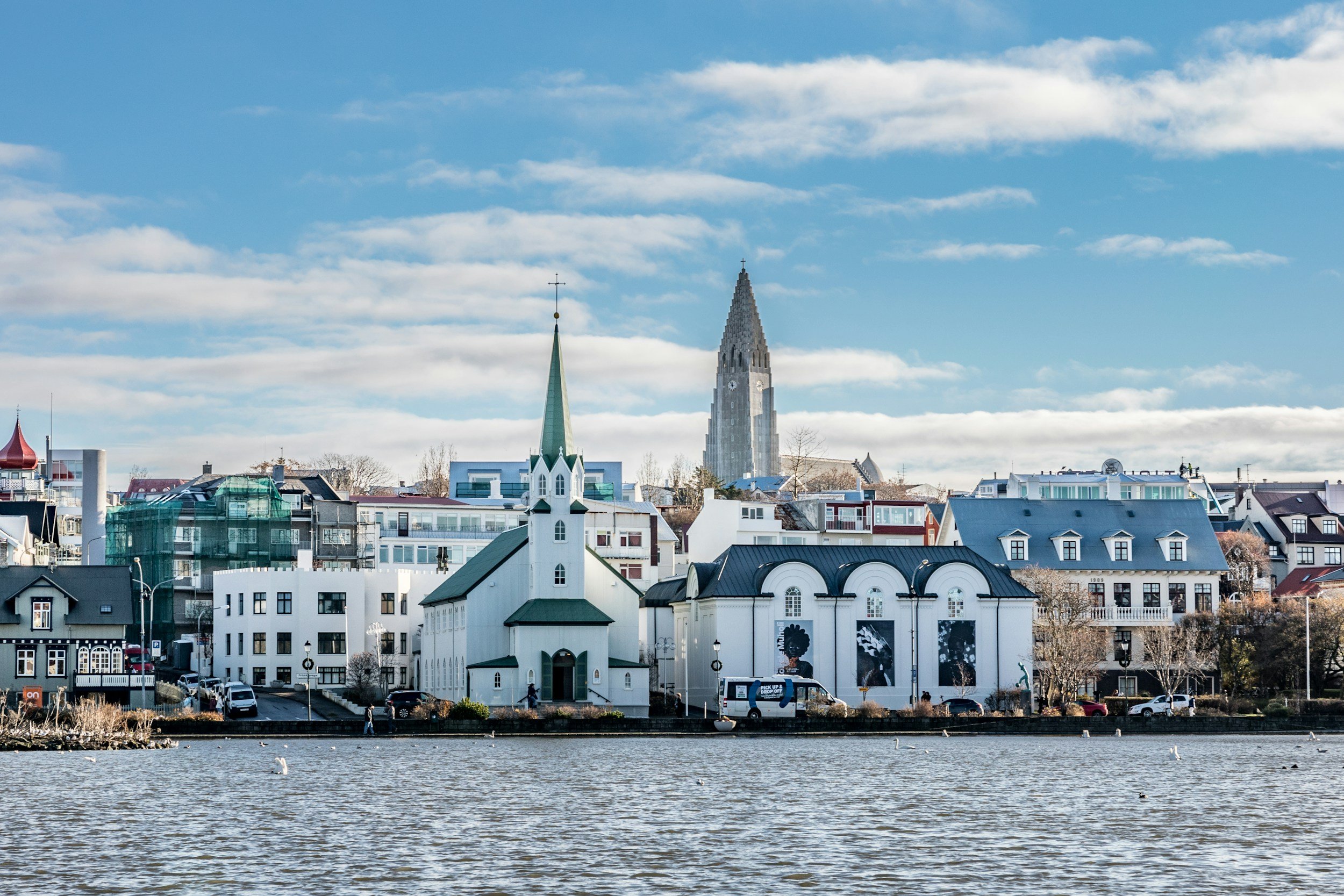
Reykjavik, the capital and largest city of Iceland, is located in the southwestern part of the country, on the northern shore of Faxaflói Bay. With a population of around 140,000 people, it is the cultural, political, and economic center of Iceland. The charming streets are a great vibe, and walking past the colorful houses and art is an endearing experience. Reykjavik is actually the northernmost capital city in the entire world, and has a rich Viking history.
Things to do:
Most photos you’ve seen of Reykjavik probably featured Hallgrimskirkja, the famous church you can climb for views of the city. See the beautiful Sun Voyager sculpture and visit the rainbow street for nice pictures. Spend your time wandering round Iceland’s capitals city center.
How to get there:
Iceland’s main airport - Keflavík International Airport (KEF) - connects most of Europe to Iceland.
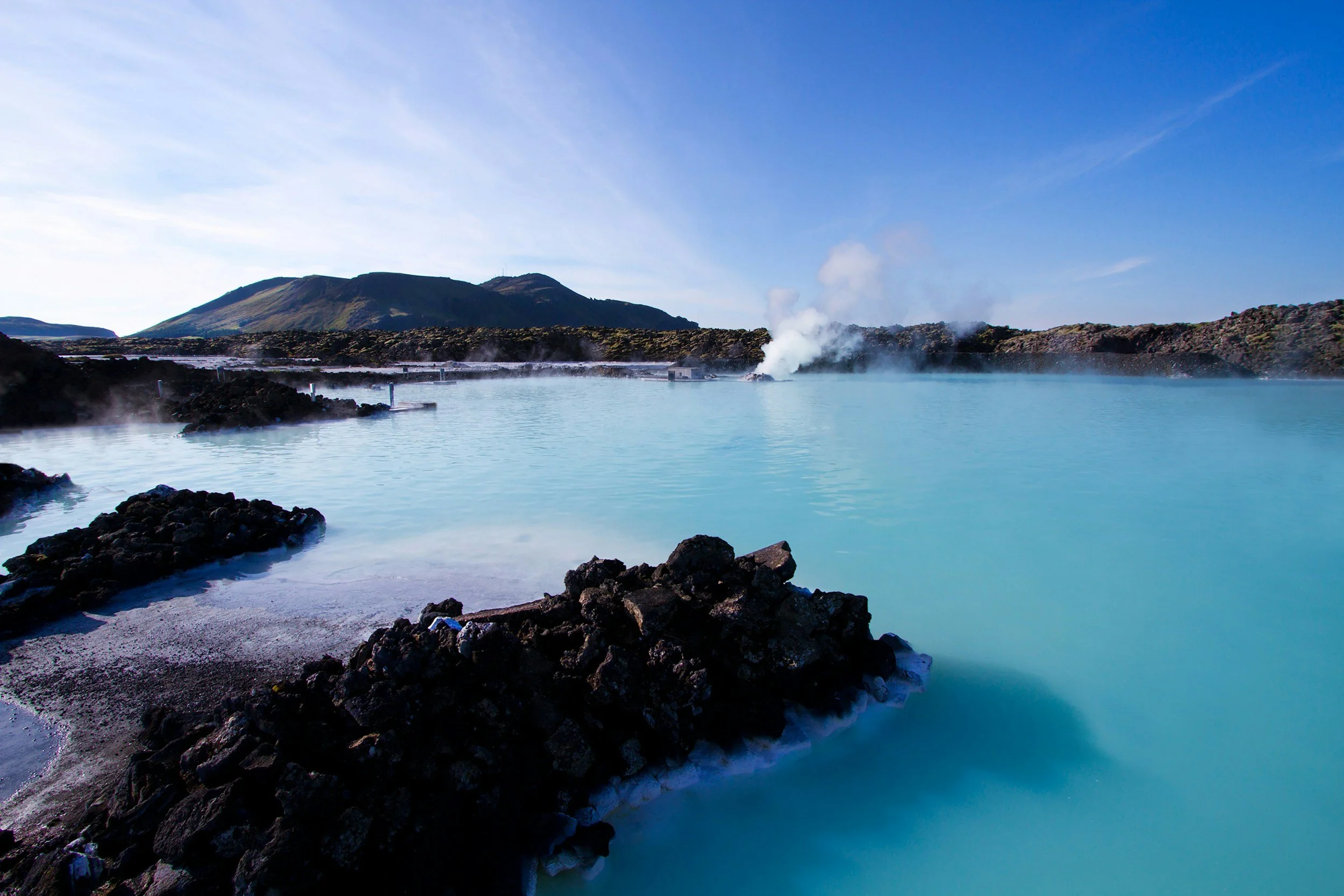
4) The Blue Lagoon
The Blue Lagoon is one of Iceland’s top experiences. It’s a geothermal spa with naturally heated water that’s rich in minerals like silica and sulfur, which are known for their skin‑benefiting properties. The lagoon’s milky-blue color comes from the way sunlight reflects off the water. Visitors from around the world come year‑round to relax and soak in its warm, soothing waters.
Where is it:
The Blue Lagoon is located in southwestern Iceland, in a lava field near the town of Grindavík on the Reykjanes Peninsula. It is about 45 minutes from Reykjavik.
How to get there:
You can drive on route 41, or go with one of several shuttles from companies in Reykjavik.
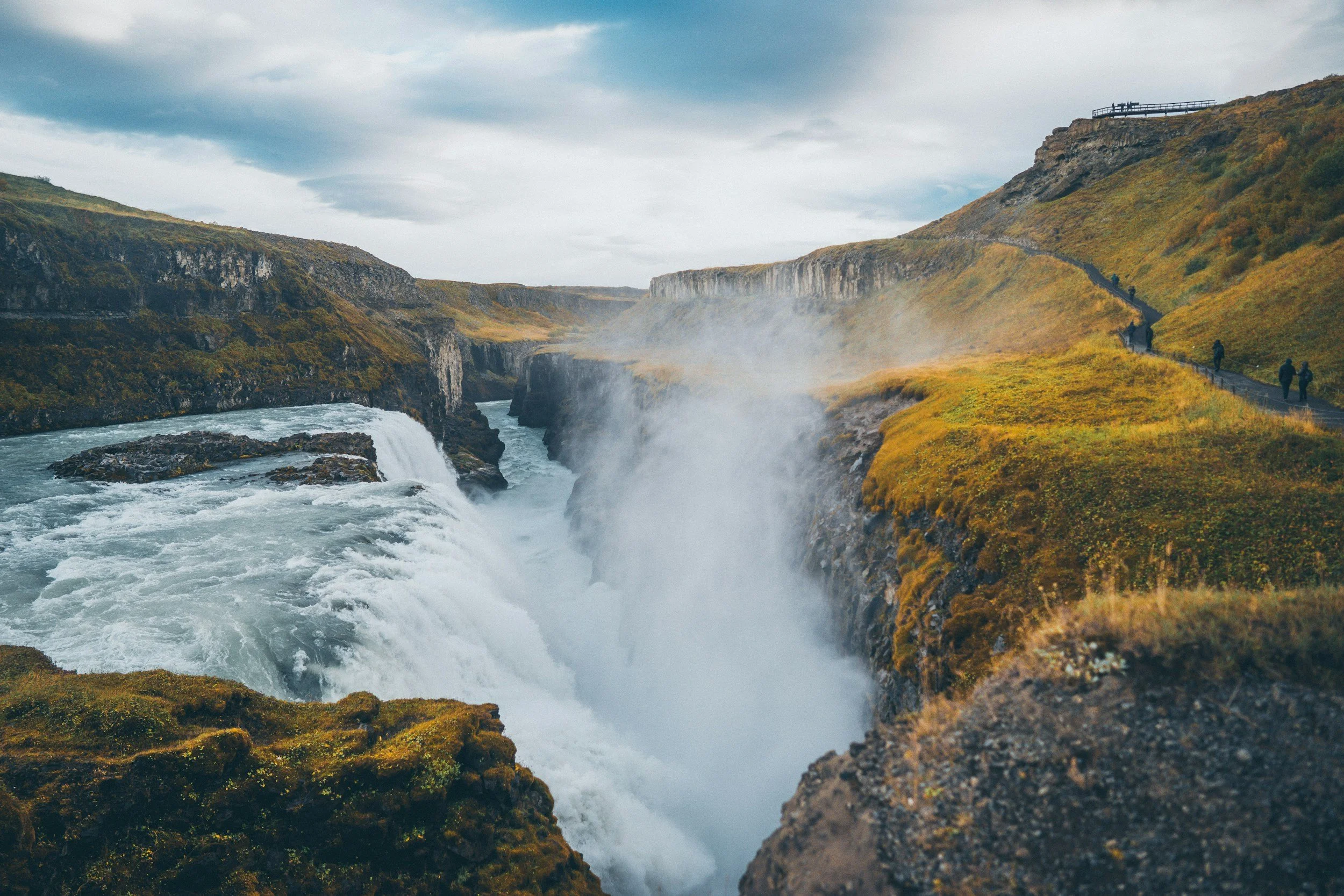
5) Gullfoss
Gullfoss in English means ‘Golden Falls.’ Meltwater from the Langjökull glacier feeds this enormous, two-tiered waterfall on the Hvěá River. From many perspectives, the river appears to disappear into the Earth because it abruptly plunges into a deep, winding canyon rather than straight down a cliff. It’s a perfect stop on your Iceland road trip.
Where is it:
The falls sit in Iceland’s Southern region, slightly inland. It’s about 120km East of Reykjavik and is a part of the classic ‘Golden Circle Route’ most tourists complete.
How to get there:
You can drive for about 2 hours combining Route 1 + Route 37.
Otherwise you can book a Golden Circle Tour starting in Reykjavik.
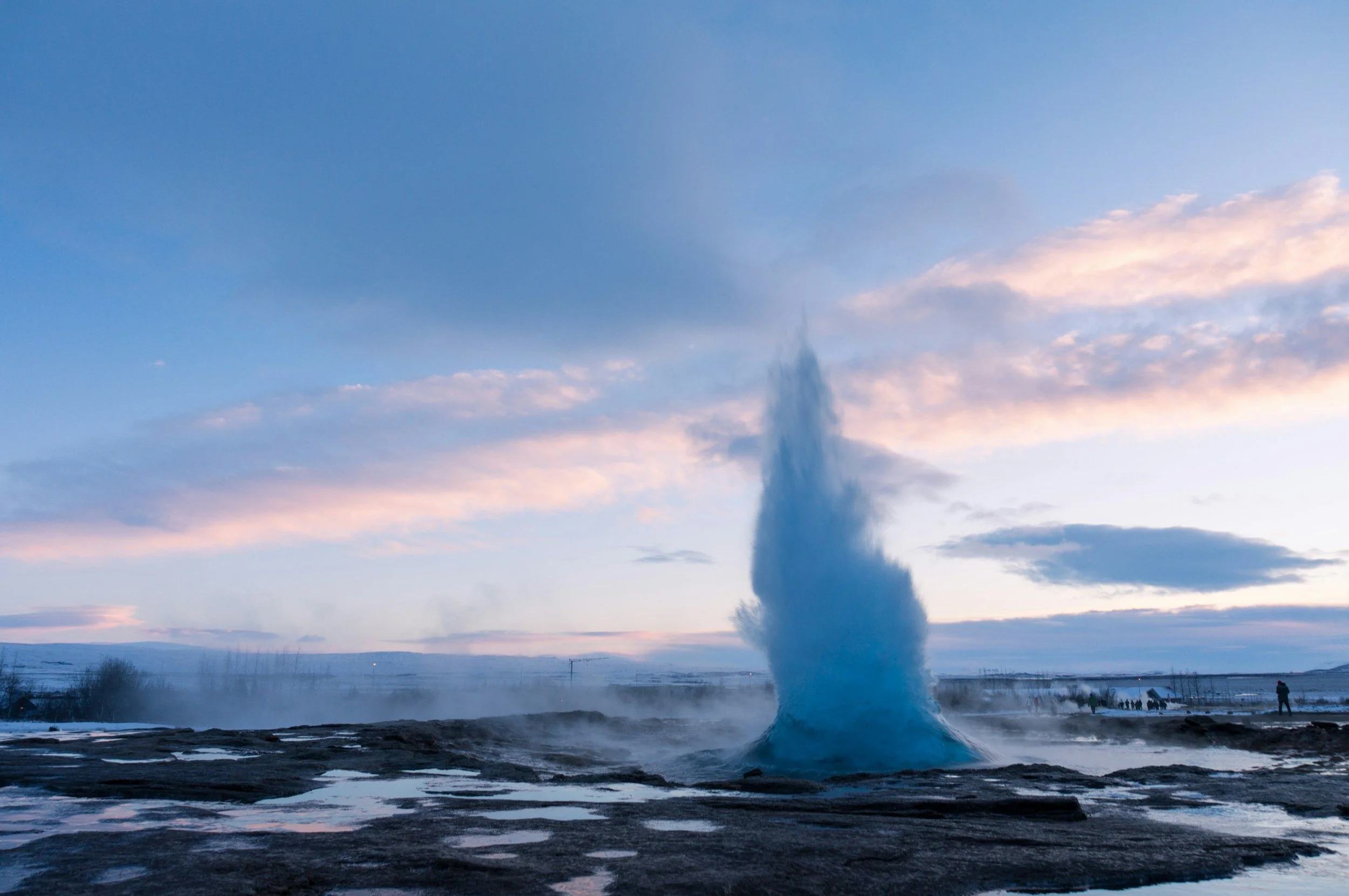
6) Geysir
Just below the surface, tremendous volcanic heat is responsible for the Geysir Geothermal Area - a landscape of hot springs, steaming vents, and exploding geysers. The original Great Geysir is dormant in the area, but overall the whole place is very active. You’ll smell steaming sulfur and bubbly pools of mud, and the whole area is acutally of historic importance as the Great Geysir is the reason for the global term of ‘Geyser'.’
Where is it:
Geysir is actually only about a 10 minute drive from Gullfoss, in southwest Iceland. It is also one of the main stops on the Golden Circle route, which is why its location to Gullfoss is very hepful.
How to get there:
From Reykjavik, you can drive for about 2 hours combining Route 1 + Route 37. From Gullfoss you can drive south on Route 35 for ~10 min.
Otherwise you can book a Golden Circle Tour starting in Reykjavik.
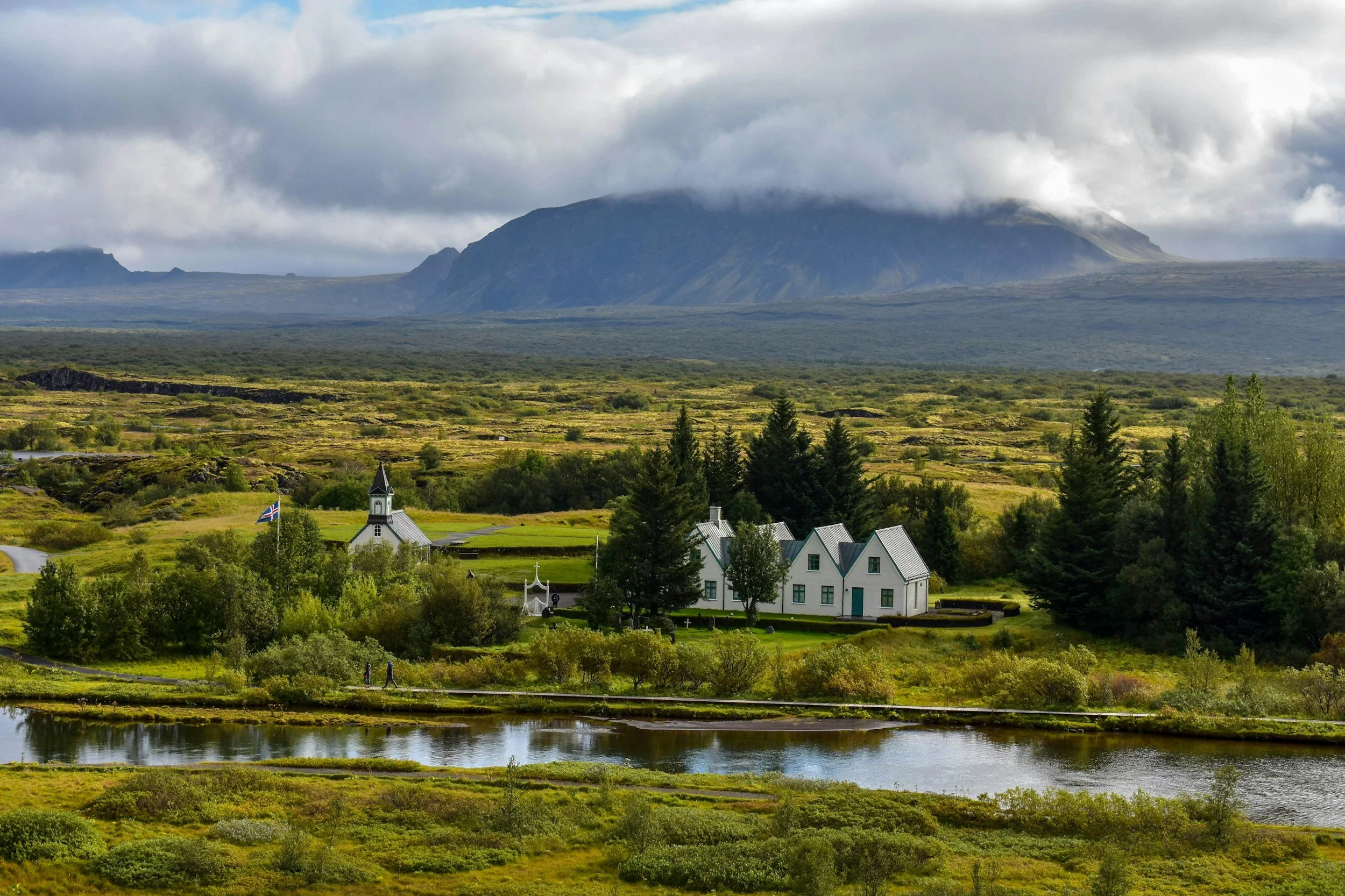
7) Þingvellir National Park
Þingvellir is a national park and UNESCO World Heritage Site which sits in a broad rift valley created by the North American and Eurasian tectonic plates slowly pulling apart. It’s the final stop on the Golden Circle route (or first depending on where you start), located 45 minutes from Reykjavik and 1 hour from Geysir. It’s one of the few places in the world where a tectonic plate boundary is visible on land.
What you’ll see:
While you’re in the national park, make sure you see Almannagjá gorge, which is a dramatic rift you can walk through. Iceland’s largest natural lake, Þingvallavatn, is also found here. The high cliffs around make for a beautiful backdrop, proving this place to be incredibly photogenic and just stunning all around. Make sure you see the historical Alþingi sites, dating Iceland’s governmental history back to 930 AD. You’ll find walking trails connecting all these places.
How to get there:
From Reykjavik, drive combining Route 1 + Route 36. From Geysir you can combine Route 35 + Route 36.
Otherwise you can book a Golden Circle Tour starting in Reykjavik.
8) Kirkjufell Mountain
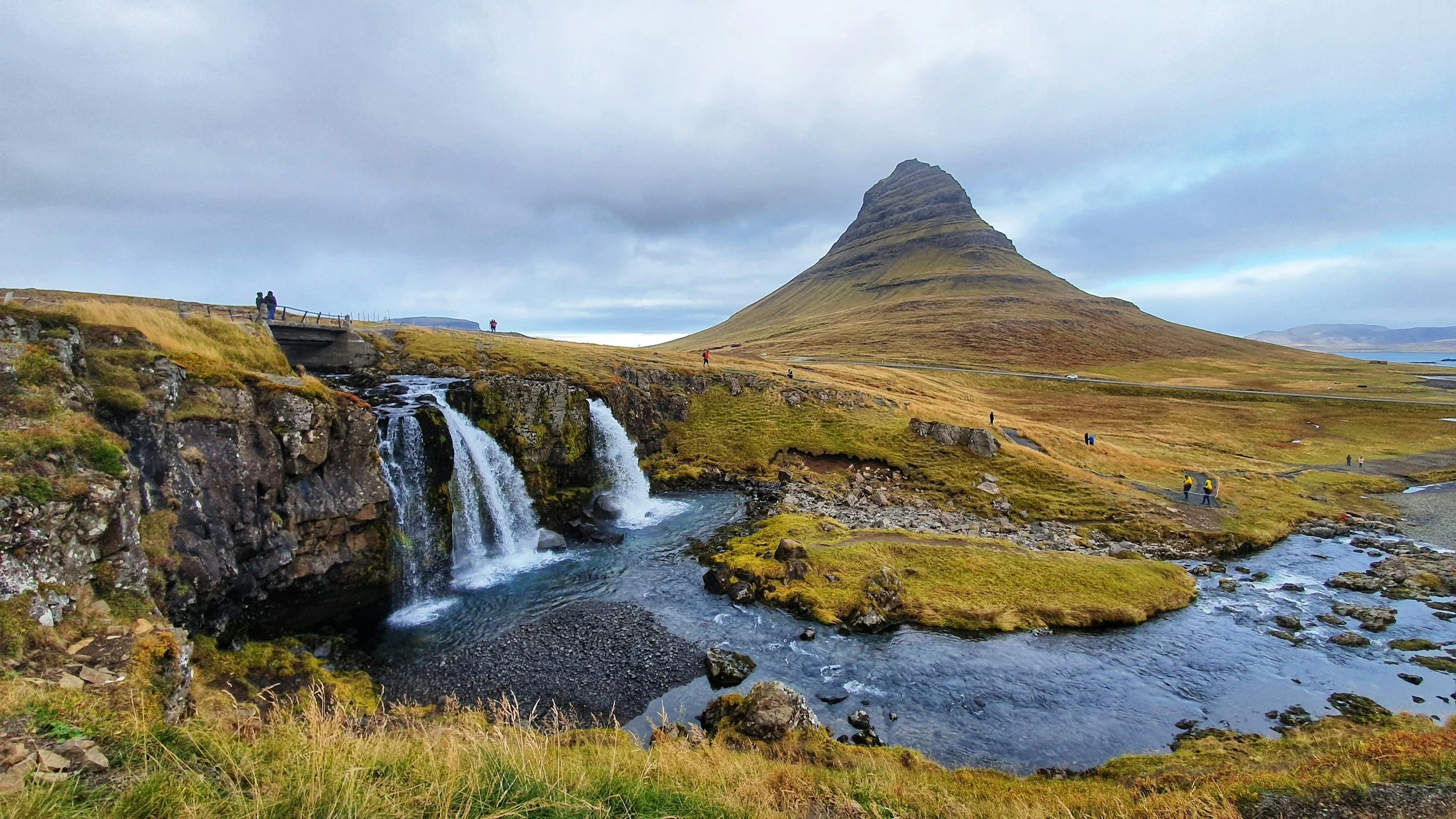
Kirkjufell Mountain is one of Iceland’s most iconic and photographed natural landmarks, famous for its unique shape and pretty waterfall in front of the mountain. The English translation means ‘Church Mountain,’ and it’s cone shape is the reason it stands out to be such a tourist hotspot when in Iceland. It creates the perfect backdrop for photographers, and became even more famous after its feature in Game of Thrones.
Where is it:
Kirkjufell is in western Iceland, on the Snæfellsnes Peninsula. It’s about a 2 hour drive from Reykjavik, and the town of Grundarfjörður is found close by.
How to get there:
When driving, you can combine Route 1 + Route 54 and follow signs for the landmark.
Otherwise you can book a guided tour starting in Reykjavik.
9) Reynisfjara
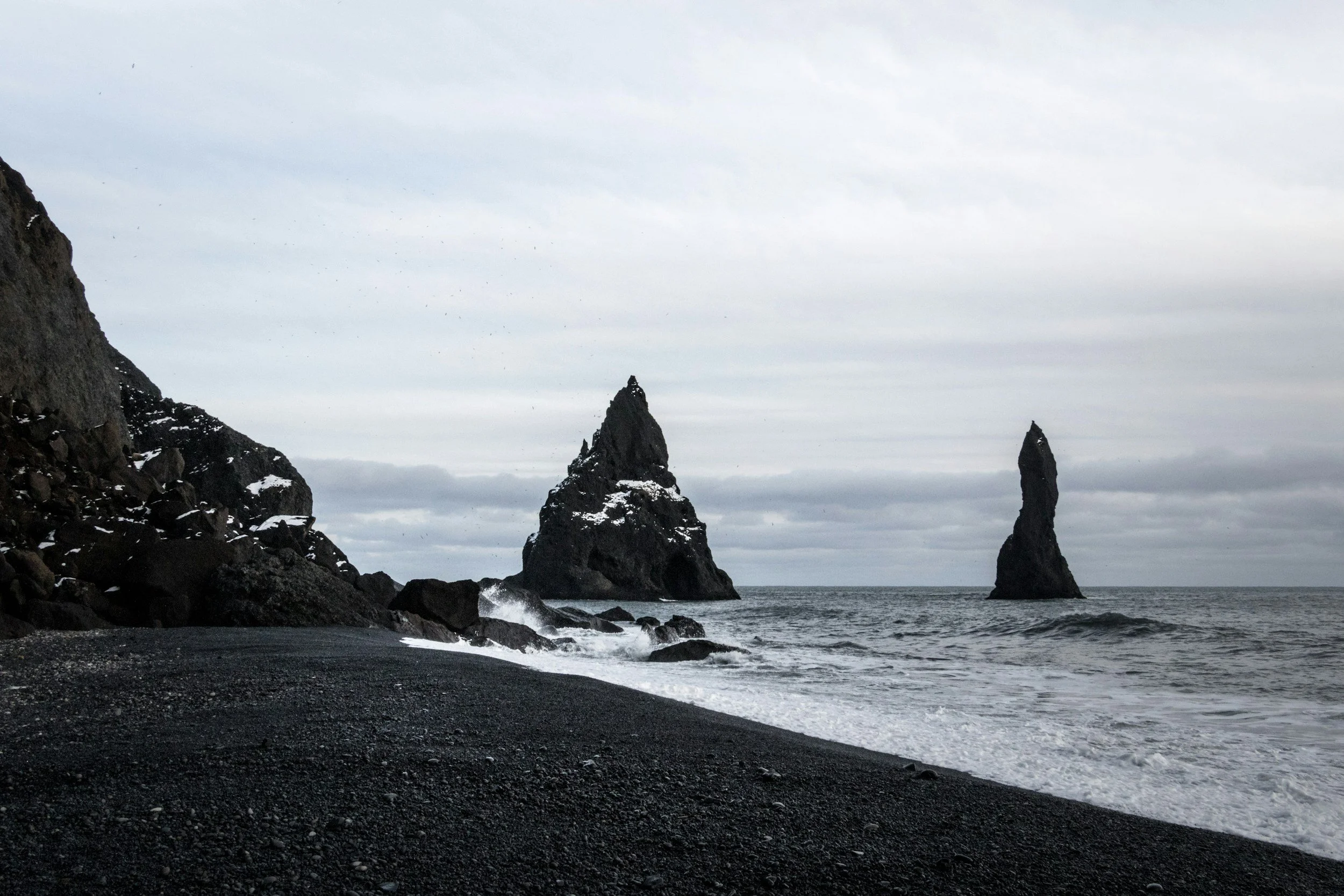
Reynisfjara is the best black sand beach to visit when in Iceland, world-famous for the dramatic scenery and caves lingering on the outside. It’s of course a spectacular sight, but there is safety concerns on the beach for those getting to close to (or in) the water. The waves are very powerful and unpredictable and have led to many emergency rescues and fatalities. Make sure when you are getting sight of the beautiful beach and its basalt sea stacks, you stay safe. The beach has been featured in Game of Thrones, Star Wars and more.
Where is it:
Reynisfjara is on Iceland’s southern coast, right along the Atlantic Ocean. It’s found pretty much next to the stunning Icelandic village of Vik, and about 180km from Reykjavik.
How to get there:
Drive on Route 1 until you reach Vik, where you can then follow the signage.
10) Seljalandsfoss
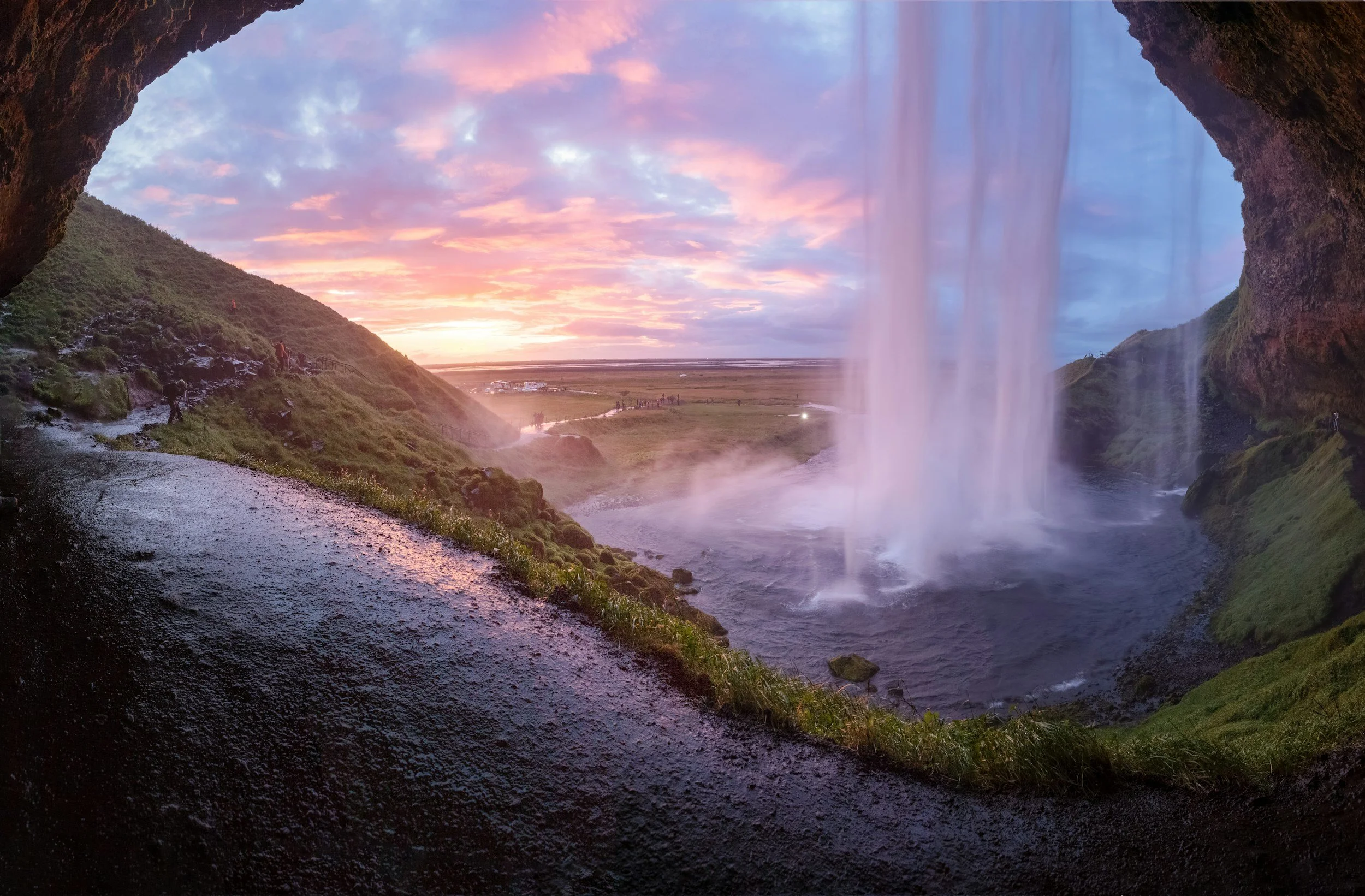
Seljalandsfoss is another classic famous Iceland destination, known for its unique section of the waterfall where you can walk behind and capture stunning views. It is 60 meters tall, and surrounded by lush green hills and continous streams. It’s amazing with a sunset or sunrise and if you’re road tripping through all the famous sights this is a must visit.
Where is it:
It’s also on Iceland’s south coast pretty close to Skogafoss (about 30 minutes to the east).
How to get there:
Drive on Route 1, about 120km if starting at Reykjavik.