The Best Places to Visit in Hungary
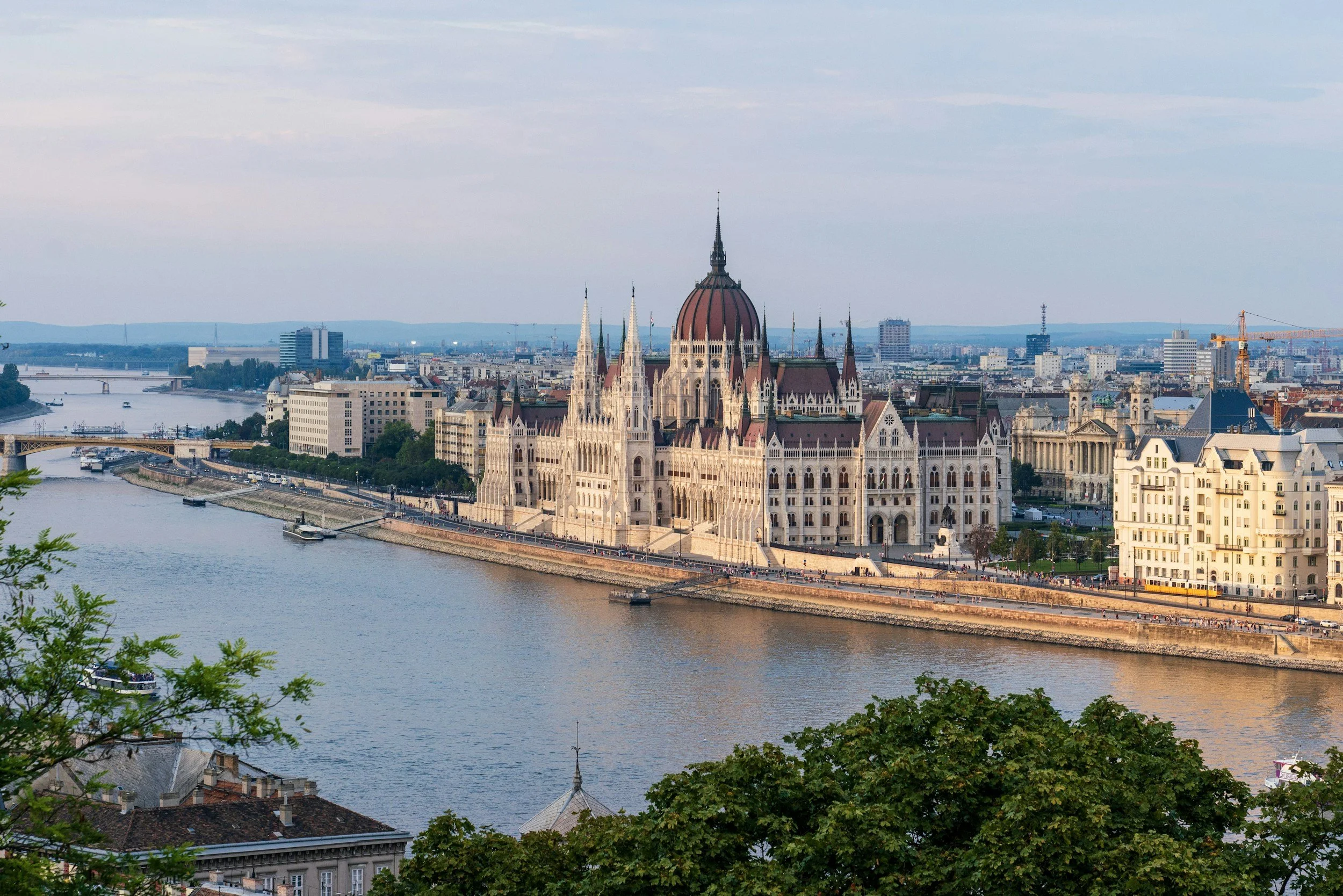
Hungary is a landlocked country in Central Europe, sharing a border with 7 different countries around it. The Danube River cuts right through the country splitting the capital city in half. The population of Hungary is almost 10 million people, and despite being a part of the European Union, they use their own currency, the Forint (HUF). The landscape around the country is mostly flat plains with the occasional small set of hills. Whilst the bulk of the tourism comes from Budapest, the capital, Hungary has a lot more to offer around the rest of the country. After years of different rule in the land ranging from The Ottoman Empire to Austria-Hungary, it now stands as the heart of central Europe as its own country under democratic rule.
Capital: Budapest
Currency: Hungarian Forint
Language: Hungarian
When to visit: April to October
1) Budapest
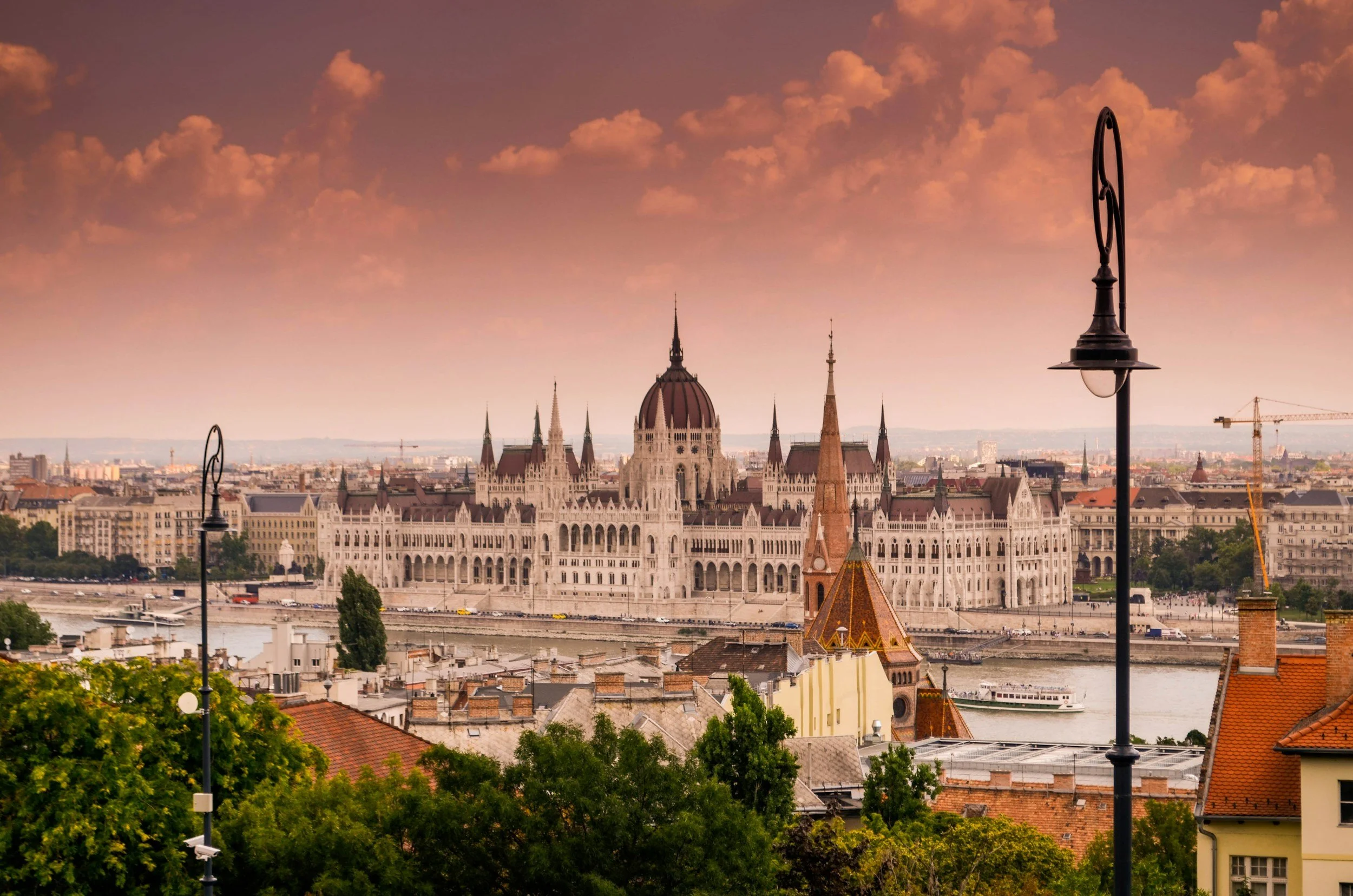
Budapest is Hungary's capital and by far its biggest city, home to about 1.78 million people (around 3 million in the wider metro area). It's built right along the Danube River, which splits it into two distinct parts: hilly Buda on the west bank and flat Pest on the east. The two sides only became one official city in 1873, and that division still shapes how the place feels. Its an incredible city, with walkable streets and such amazing architecture along the entire river. There is so much history and grand design packed into Budapest and it is by far one of Europe’s greatest cities.
Things to do:
Of course, if you’re in Budapest you are going to have to see the truly spectacular Parliament Building. It’s beautiful in the day, and at night it lights up which is truly a once in a lifetime sight. Walk over the iconic Chain Bridge which originally connected the two sides of the city. Also, enjoy the cities iconic thermal baths. Széchenyi is the largest and most popular, with outdoor pools open year-round. You definitely have to also visit the Buda Castle, the historical castle and palace complex of the Hungarian kings in Budapest. The castle holds nice views of the city. Other than all of that, just walk alongside the Danube and admire the cities architecture and streets.
How to get there:
Budapest Ferenc Liszt International Airport (BUD) is the cities airport. It’s a major hub in Europe, with connections sometimes reaching out to the Middle East / Americas.
By train, Budapest has direct connections from big surrounding cities very often; (Vienna, Bratislava, Debrecen).
FlixBus can get you to Budapest from almost any surrounding city.
Check routes here, or book with Omio.
2) Lake Balaton
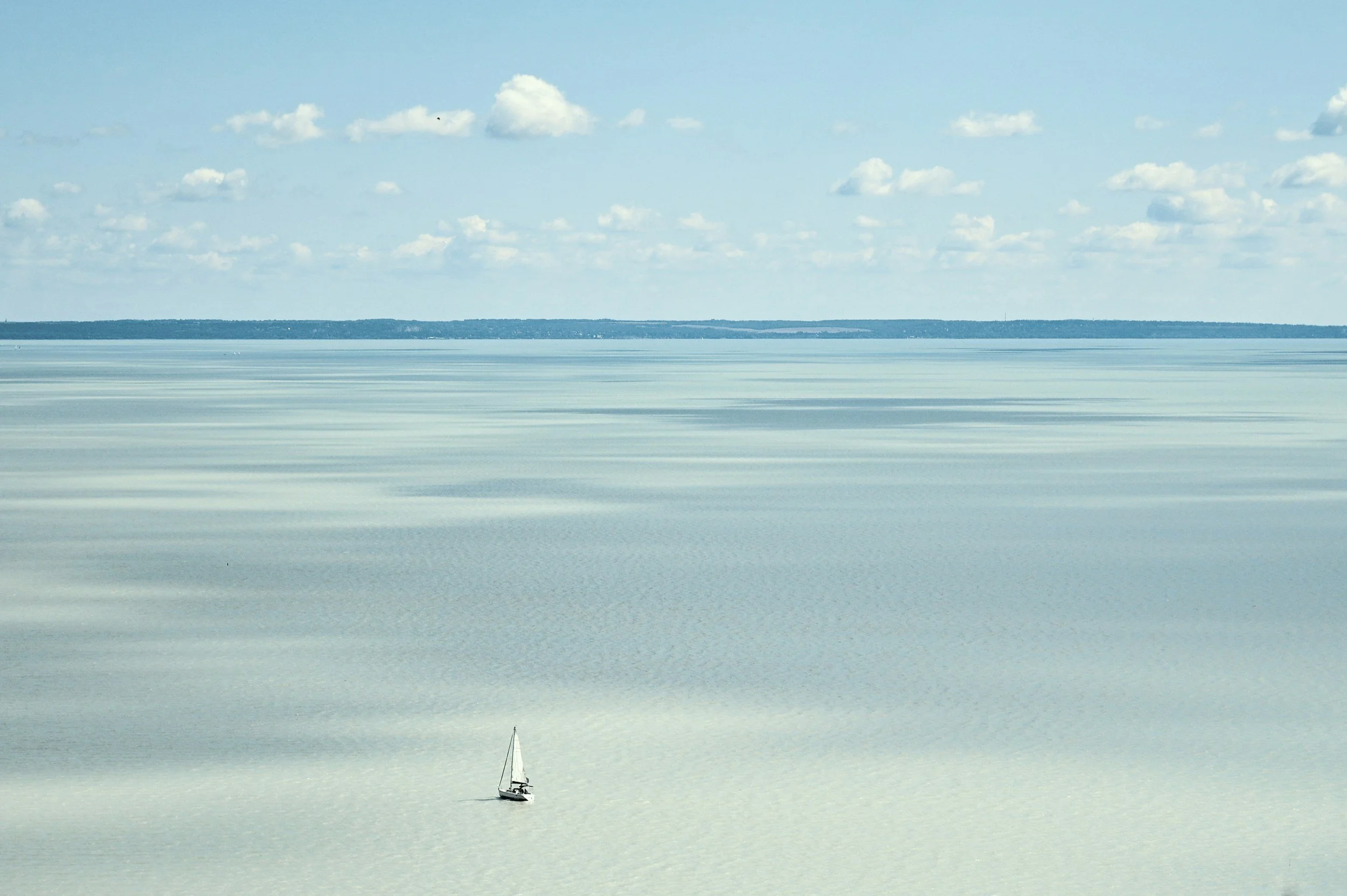
Lake Balaton is Hungary's largest freshwater lake and often called the "Hungarian Sea.” It is a long, shallow body of water in the western part of the country, stretching about 77 km east-west and up to 14 km wide at its broadest point. It covers around 592 km² and sits in a gently rolling landscape of vineyards, small hills, and volcanic soil, making it feel more like an inland sea than a typical lake.
Things to do:
Around the lake you’ll find many charming cities and towns. The best ones to visit to accommodate your stay at Lake Balaton are; Siófok, where the entertainment is, Balatonfüred, where the culture is, and Keszthely, the spot for history. Make sure you find surrounding beaches and go for a swim! Another must see spot by Lake Balaton is Szigliget Fortress, an incredible 13th century fortress with views of the lake. My final recommendation would be to see Tihany Benedictine Abbey, an old majestic monastery.
How to get there:
From Budapest, trains run direct to; Siófok, Balatonfüred, Keszthely, Tihany and more.
3) Pécs
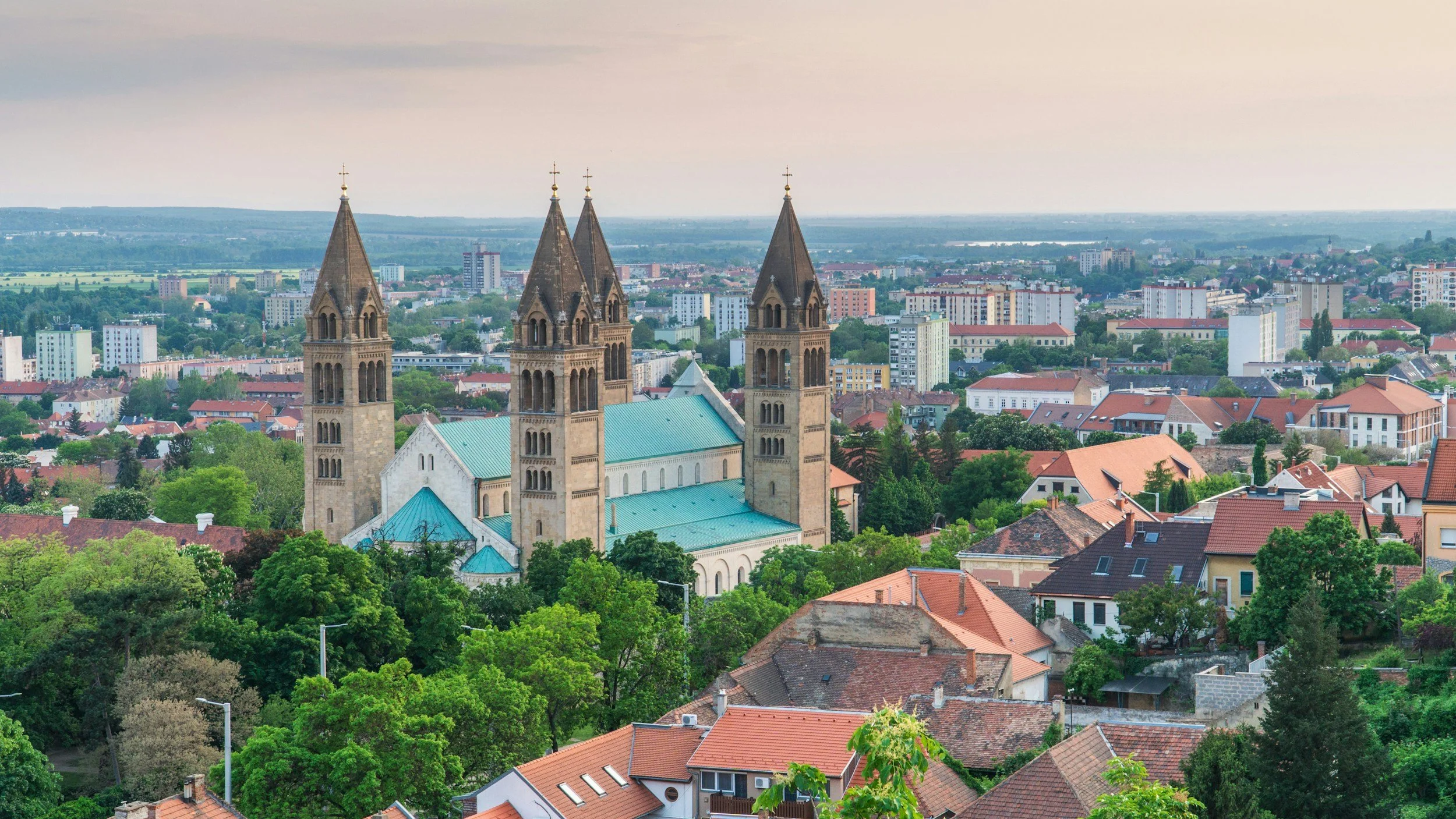
Pécs is a historic city in southwestern Hungary, the fifth-largest in the country and the seat of Baranya County. It sits at the southern foot of the wooded Mecsek Mountains with a population of ~150,000. Pécs has one of the longest continuous histories in Hungary, starting as the Roman town of Sopianae in the 2nd century AD. Nowadays, it’s a culturally significant spot to visit with a mixed blend of empirical influence.
Things to do:
Walk through and see Széchenyi Square, the cities main square and the heart of the town. After that, head to Zsolnay Cultural Quarter. There is beautiful ceramic architecture in this area, alongside many museums and galleries. One of the cities oldest attractions is the Christian Necropolis, featuring underground burial chambers and chapels from the 4th century. Lastly, just enjoy your stay by wandering the rest of the Old Town streets.
How to get there:
Direct trains run daily and frequently from Budapest.
4) Sopron
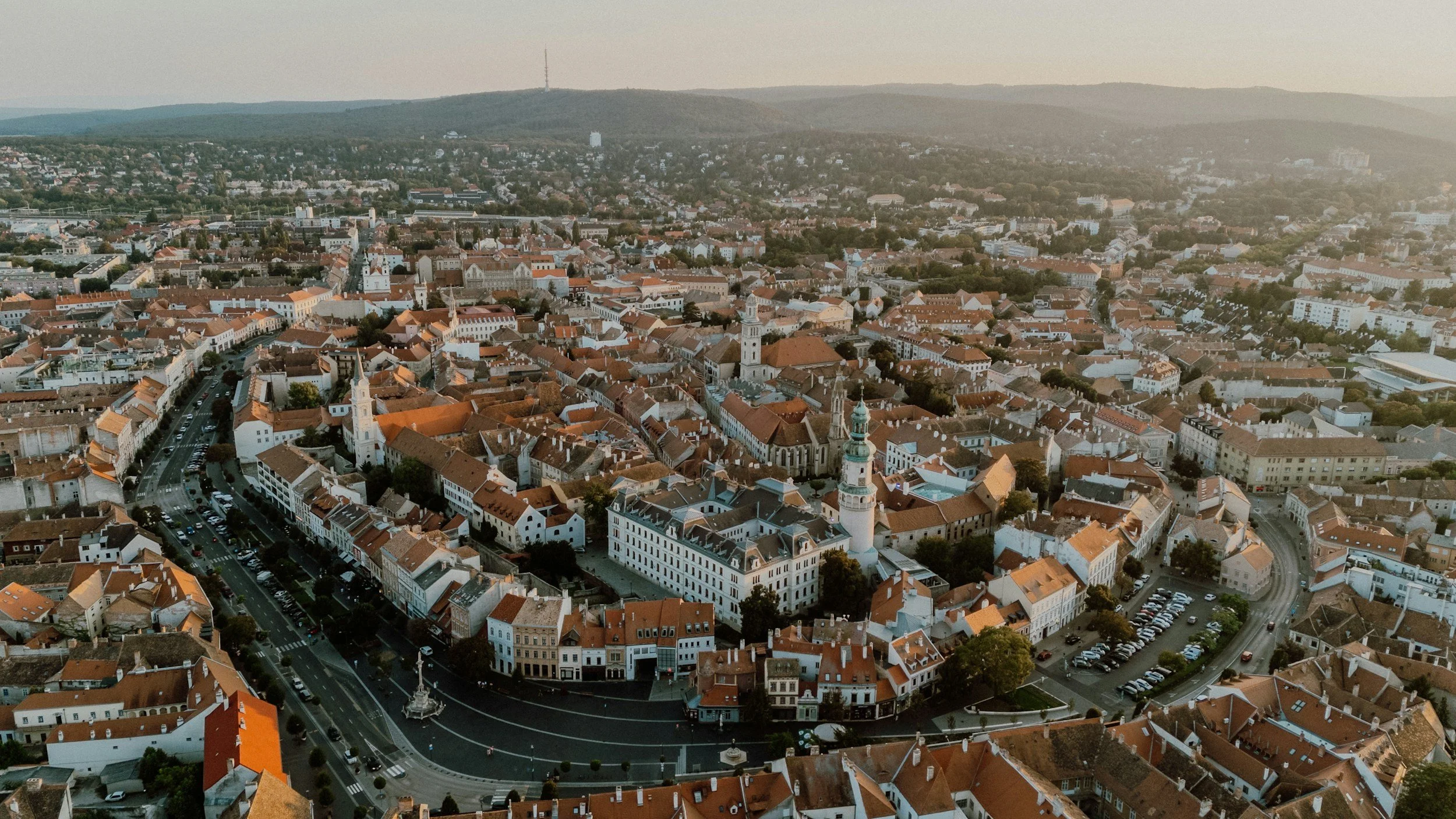
Sopron is a small, historic town in northwestern Hungary, right on the border with Austria (about 5 km from the frontier). It's often called one of the prettiest and best-preserved towns in the country, with a medieval core that survived the major wars and changes of the 20th century almost untouched. Most people who visit Hungary don’t even know this place exists, but it is 100% a great place to stop in the country.
Things to do:
The heart of Sopron is in the Old Town, so you have to walk through here and experience the culture and history of the city. Inside, you should climb the 60-meter high Firewatch Tower for niceviews of the town. Thanks to the preservation of the town, you can also walk the City Walls, which have a few accessible sections. Other attractions in and around the Old Town include the Goat Church and St. James Chapel.
How to get there:
The easiest trains come direct from Vienna, however there may be options from Budapest or Gyor when in Hungary already.
FlixBus operates routes from all over the region in countless cities and towns.
5) Eger
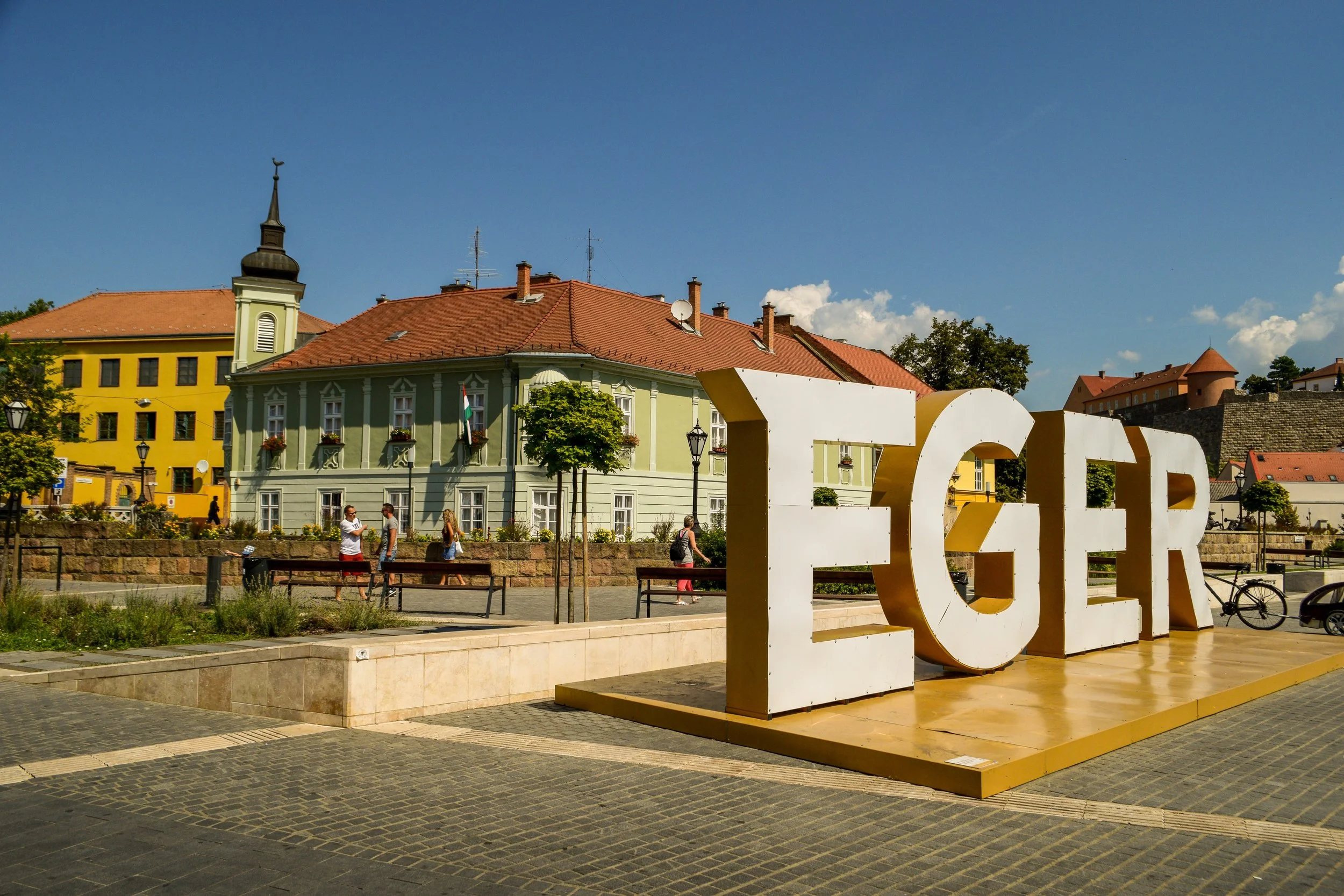
Eger is one of the countries most charming smaller cities in the country, found northeast of Hungary. Eger is famous for its Baroque architecture, and is often called the "Baroque capital of Hungary.” Historically, Eger is best known for its 1552 siege, when a small garrison held off a massive Ottoman army for weeks, a heroic story that's still celebrated today. I would definitely encourage people in Hungary to visit Eger, it’s unique and off the beaten track.
Things to do:
The towns biggest landmark is Eger Castle, it’s filled with cool architecture, museums, and underground passages. Other than that, stroll round Dobó István Square, it has a statue of Captain István Dobó, the castles defender, inside. Lastly, you should climb the tall Ottoman Minaret for an interesting perspective on the town. You can definitely appreciate the history here in Eger.
How to get there:
Take a direct train from Budapest, they run frequently.