The Best Places to Visit in Estonia
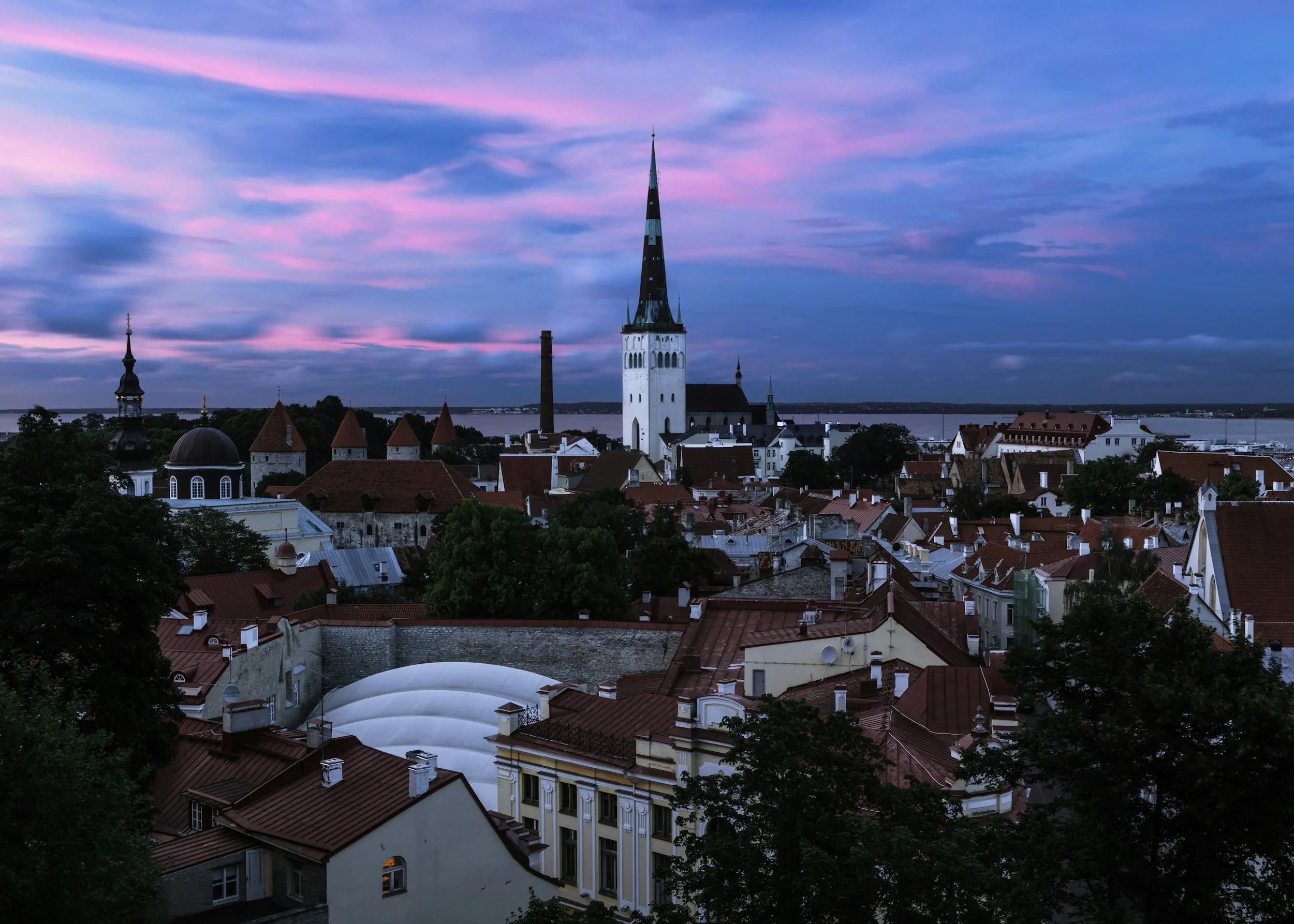
Estonia is a small country in northern Europe and one of the three historic Baltic states. Beyond the capital, it feels calm and understated, with a total population of just 1.3 million people, giving much of the country a peaceful, uncrowded atmosphere. The landscape is pretty varied; A lot of it is large stretches of flat, green pine forests, however there are some beautiful islands that many visitors come specifically to explore. Estonia also changes dramatically with the seasons. In summer, the days are long and bright, and the coastline comes alive, while winter transforms the country into a fairytale scene, with snow-covered cities and bitterly cold temperatures. Whichever season you visit, Estonia has a quiet charm that makes it an easy country to fall in love with.
Capital: Tallinn
Currency: Euros
Language: Estonian
When to visit: May to December
1) Tallinn
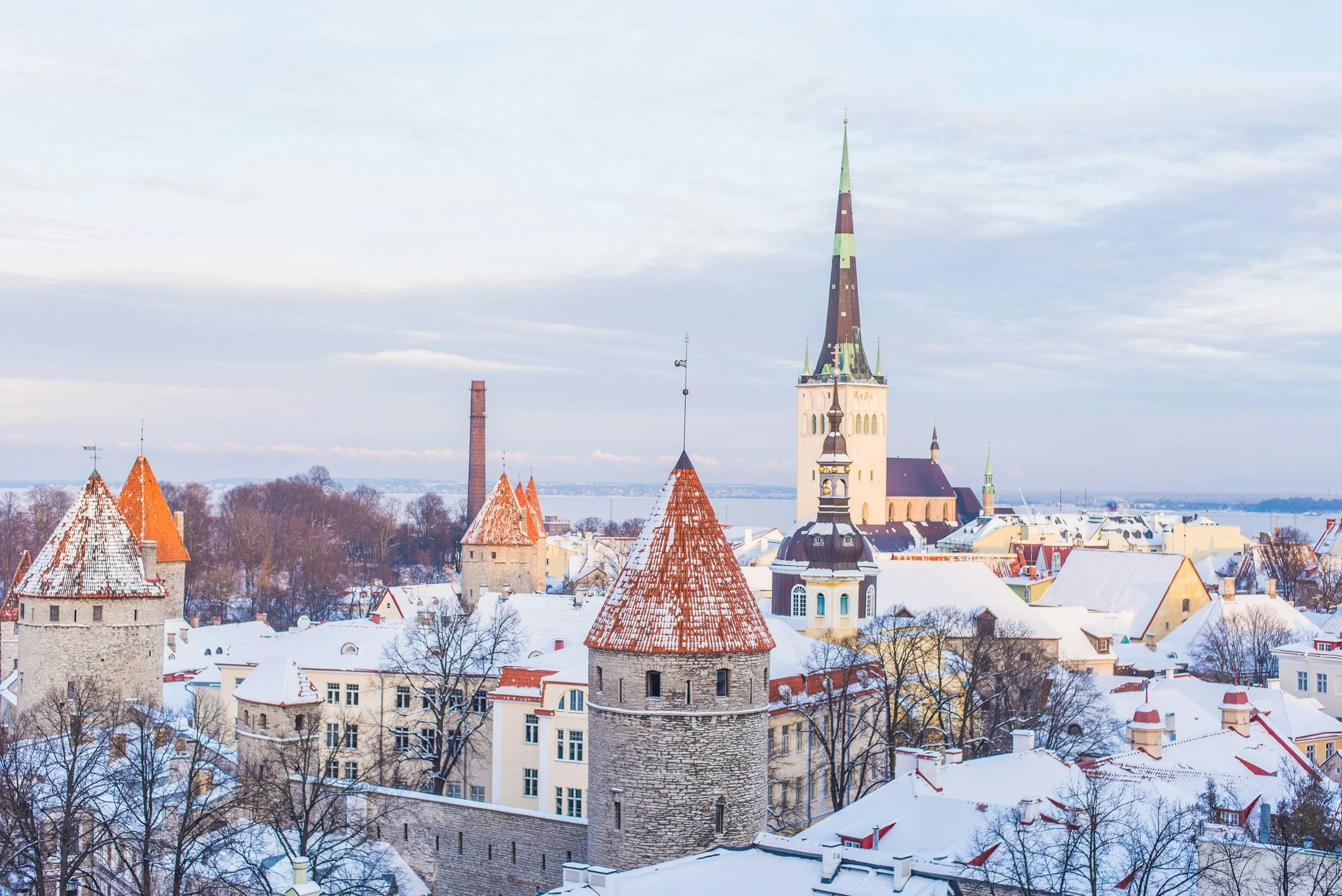
Tallinn is the capital and cultural heart of Estonia, and one of the best-preserved medieval cities in Europe. It sits on the northern coast of the country along the Baltic Sea, directly opposite Finland giving it a long history as a trading port between Scandinavia and mainland Europe. The medieval sectors of the town are really stunning, and I’d recommend you visit when it’s snowy and get the true Baltic winter experience.
Things to do:
Obviously the number one attraction is Tallinn Old Town, a place where cobblestone streets wind past merchant houses, and the stunning old architecture fills the streets and plazas. It’s one of Europe’s best old towns, and make sure you visit Alexander Nevsky Cathedral, the most stunning cathedral and building in the city. The Town Hall Square is also a great place to hang out, and it’s where both locals and visitors gather and walk through. Rising above the old town is Toompea Hill, a place you can get long views over the red rooves of Tallinn all the way to the Baltic Sea. Walk the stairs up, go to Bishop's Garden Viewing Platform, and just enjoy. And finally, make sure you venture further out to Kadriorg Park, as Kadriorg Art Museum and the entire area is so peaceful and the building is glamorous.
How to get there:
Tallinn Airport (TLL) offers a lot of options for direct flights all around Europe.
You can also take a bus from other cities in the Baltics, and sometimes even trains from the capitals.
Ferries from Helsinki are always frequent and available, too.
2) Saaremaa
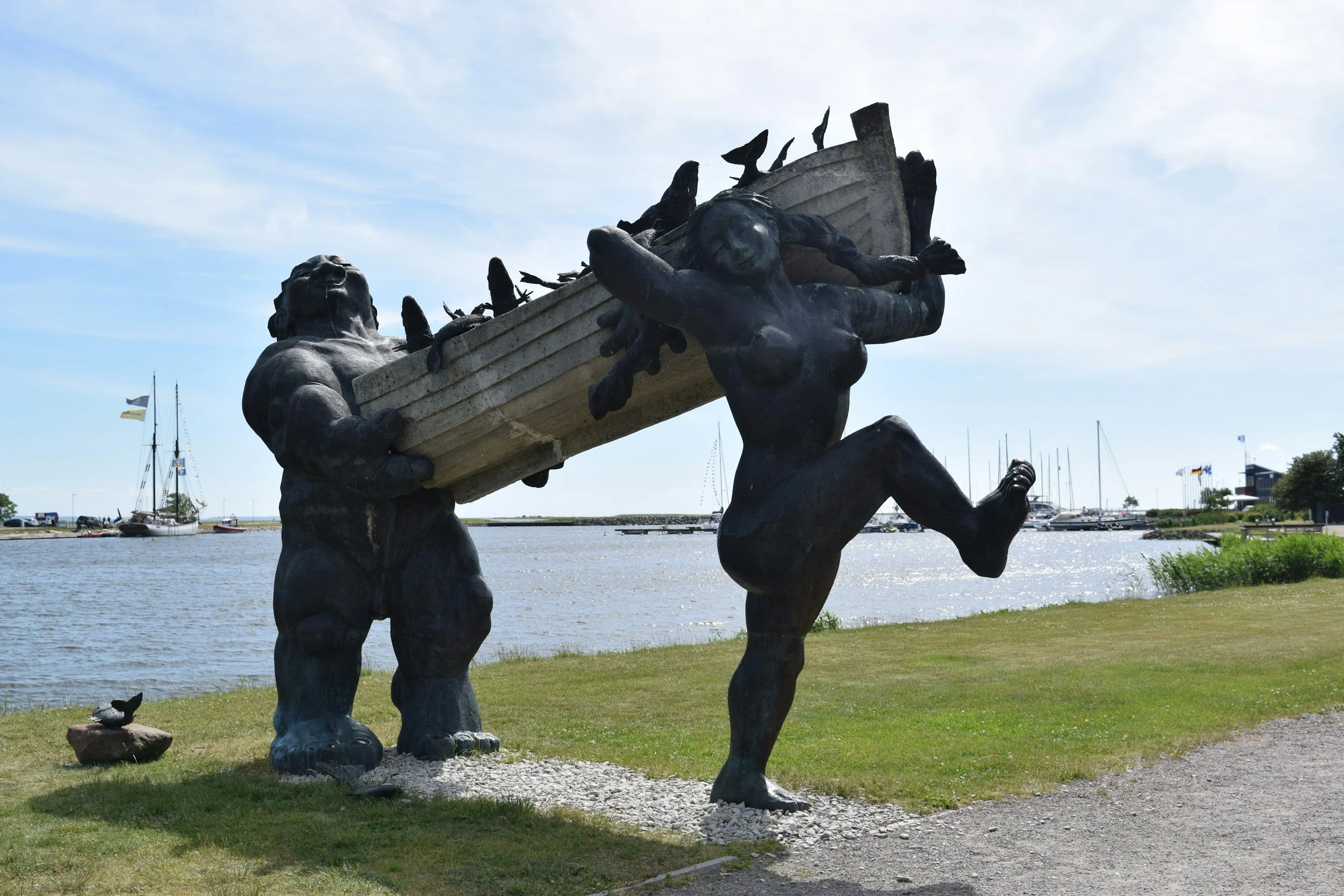
Saaremaa is Estonia’s largest island and one of its most distinctive regions, sitting quietly in the Baltic Sea off the country’s western coast. The island is large by Estonian standards, but lightly populated, with around 30,000 residents, most of whom live in small towns or rural villages. You can see the strong Viking influence of the island, and tourists love to come to see more of Estonia and it’s landscape.
Things to do:
The main settlement on the island is the town of Kuressaare, which is small and peaceful, yet home to the incredible Kuressaare Castle which is the most iconic sight on the island and one of the best-preserved castles in the Baltics. The design is just very cool, and feels very ‘Baltic.’ Check out Kuressaare Old Town too, although it’s pretty unhurried and slow-moving, adding to the island’s dynamic. Scattered across the island, historic wooden windmills and stone-fenced fields give Saaremaa its classic look, and you can see this at Angla Windmill Park up in the islands north if you’d like. Head up to the very north by the coast, to the spot named Panga Cliff. It rises sharply above the sea and is one of Saaremaa’s most impressive natural viewpoints. I doubt you’ll see many tourists on the island in general, so just enjoy the peace to be honest.
How to get there:
You can fly from Tallinn to Kuressaare Airport (URE), or take a ferry from Virtsu or Kuivastu.
3) Tartu
Tartu is Estonia’s second-largest city, and definitely the youthful ‘student city’ of the country. It is situated in the east of the country, and has a population of around 100,000 people. The University of Tartu was actually founded here all the way back in 1632, and has been the heart of Estonia’s education for a long time. The city is shaped around the university life and Estonian culture is strong here.
Things to do:
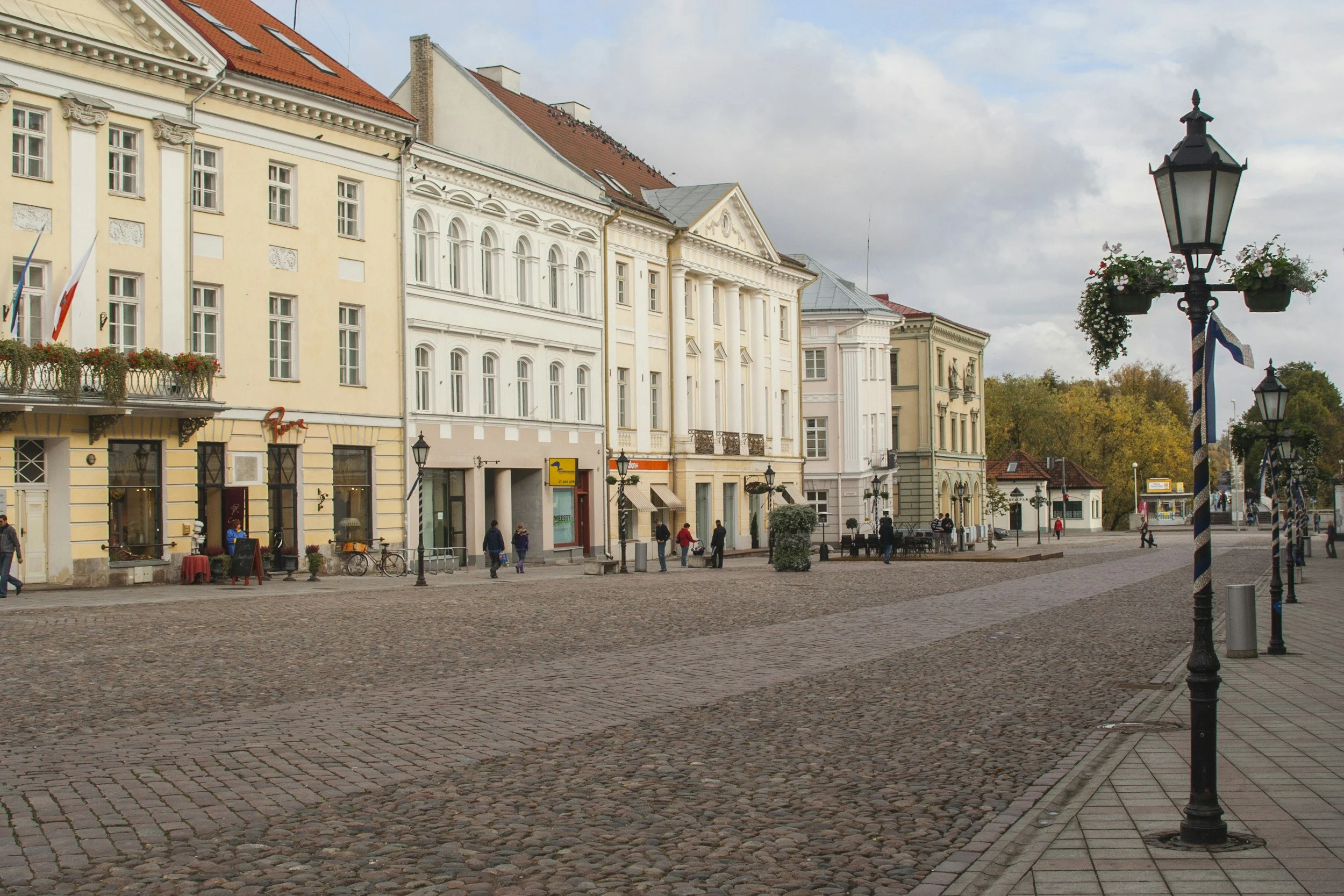
Town Hall Square is Tartu’s social heart, filled with a bunch of colorful neo-classical buildings and lovely cafes. If you’re here, it probably means you have been or should be exploring the Tartu Old Town too. Not too far you’ll find the main building of the University of Tartu, which as I mentioned is very important to the city and Estonia as a whole. Behind it is Toome Hill, which also features the Tartu Cathedral and the University of Tartu Museum. This big green space is definitely not somewhere to miss in Tartu, it has some peaceful views and places to relax. If you walk along the Emajõgi River, you’re going to see a lot of different statues, buildings and churches, and realistically it’s one of the best ways to get a feel for the city in my opinion.
How to get there:
You can easily train from Tallinn, or bus from Tallinn, Riga, and other Estonian cities.
4) Pärnu
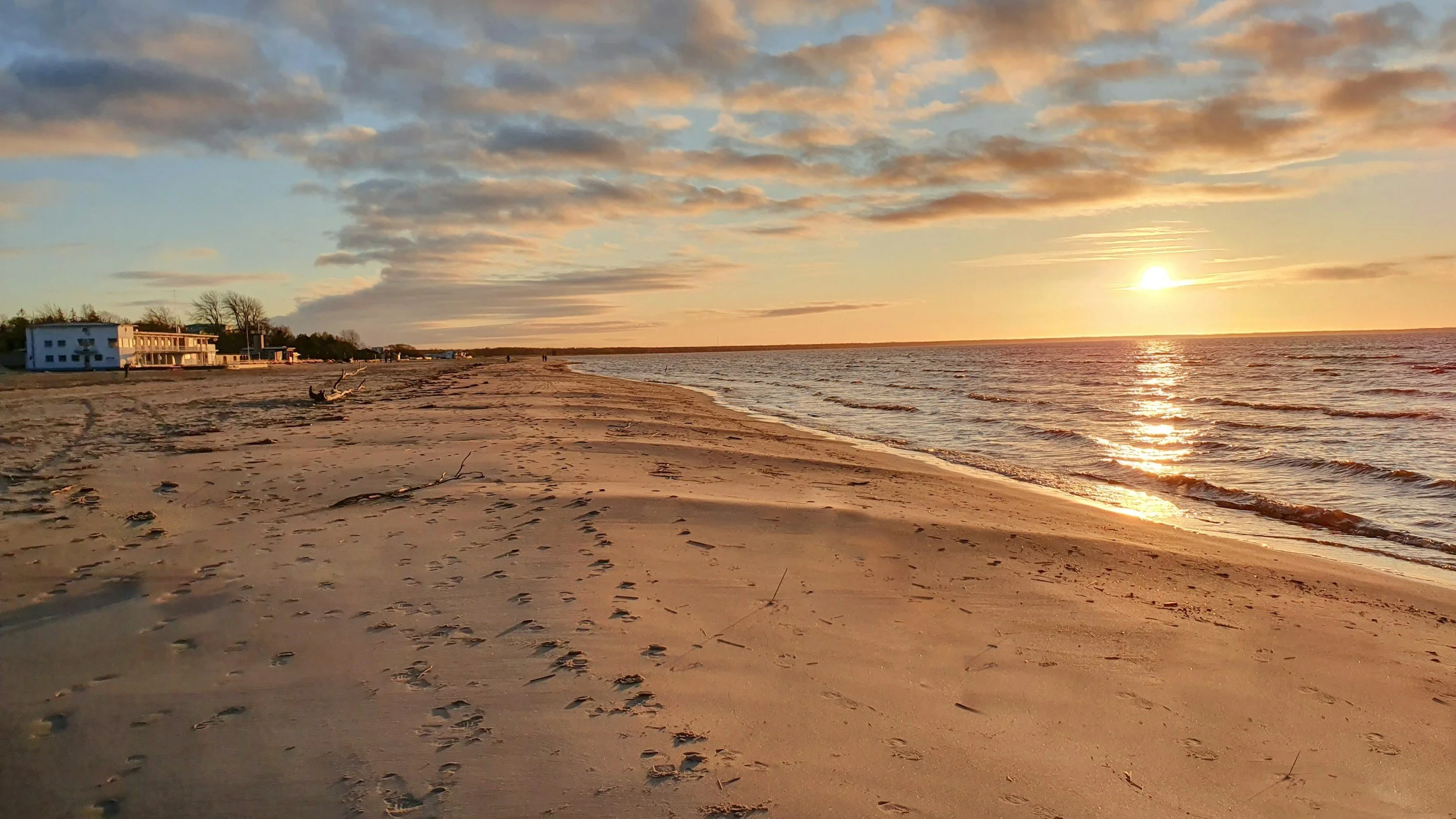
Pärnu is Estonia’s best-known resort town, located on the southwestern coast along the Baltic Sea. It’s long been considered the country’s summer capital, drawing locals and visitors alike when the weather warms and the coastline comes to life. It’s the top city to experience the Baltic Sea, but I definitely wouldn’t head here in winter.
Things to do:
Obviously, everyone is here for Pärnu Beach, the nice sandy beach with the promenade running behind it, allowing you to have your peaceful summer walks, or whatever you want to do. Then of course in the city is the small and compact Pärnu Old Town, so walk the streets of that, check out the Town Hall, the cobblestone streets, and everything else. Pärnu Mud Baths doesn’t sound appealing, but it’s actually an amazing piece of architecture reflecting the long standing spa tradition of the city. I’d definitely go and have a look, and try a mud bath if you really want. Pärnu isn’t exactly the top spot for sightseeing, but it’s nice to be able to get some beach time if you are in Estonia and crave the sand.
How to get there:
You can easily take a bus from the big cities in both Estonia and often Latvia too.
Support the Site
If these guides have helped your travels, consider buying me a coffee ~ it helps keeps the content free!
buymeacoffee.com/roamingideas