The Best Places to Visit in England
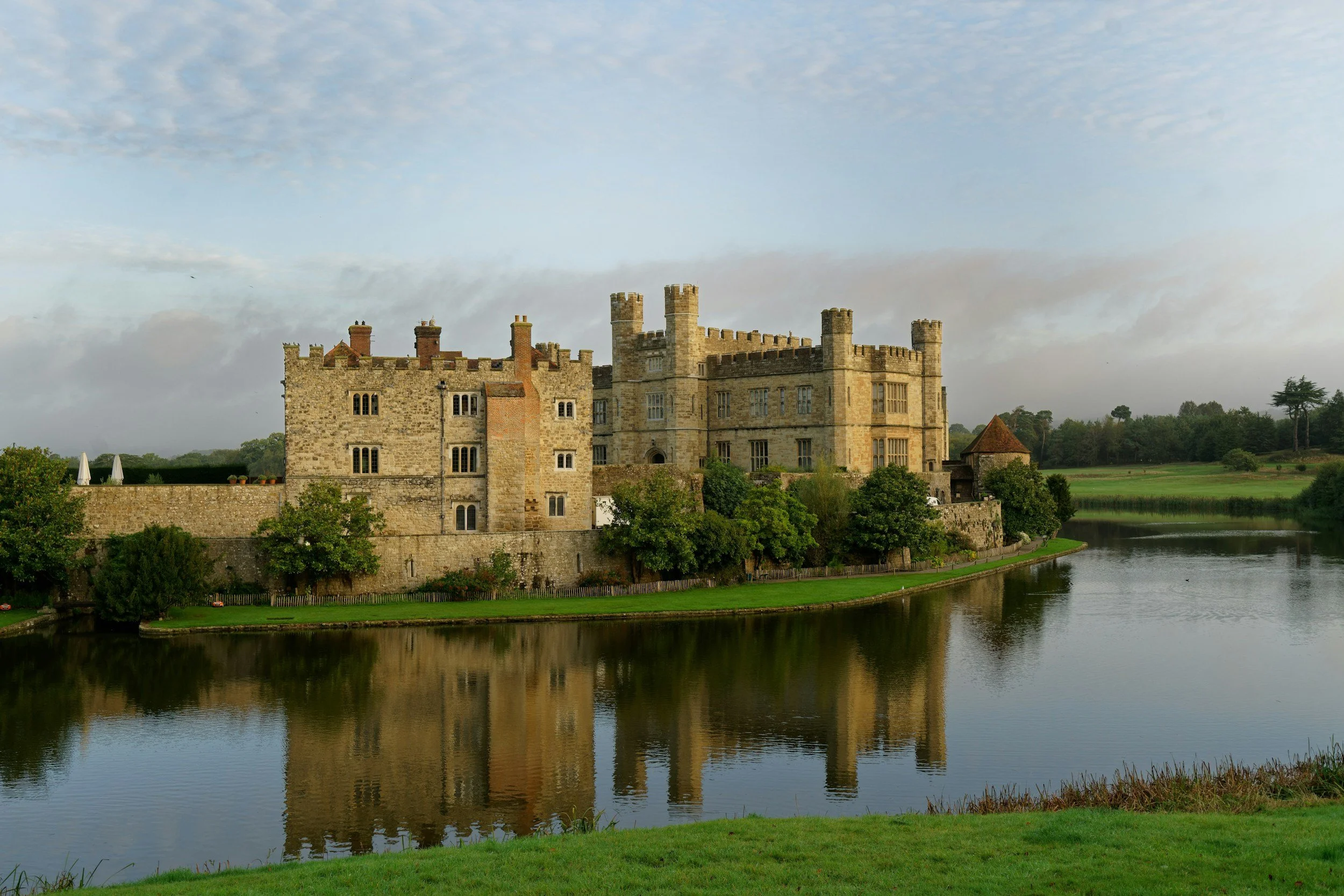
England is one of the world’s most influential, important and historic countries. It’s the largest and most populous part of the United Kingdom (alongside Scotland, Wales, and Northern Ireland), sitting on the island of Great Britain in northwestern Europe. It’s densely populated, diverse and is filled to the brim with architectural marvels and beautiful landscapes. The culture in England is the type which nobody can hate - Pubs, Sunday roast, medieval tradition, football, and history. It’s pretty much guaranteed that you’ll find at least one place in England you fall in love with, doesn’t matter if you like big city vibes or the small cottage aesthetic. 57 million people call England home, and this number is growing rapidly.
Capital: London
Currency: Pound
Language: English
When to visit: May to September
1) London
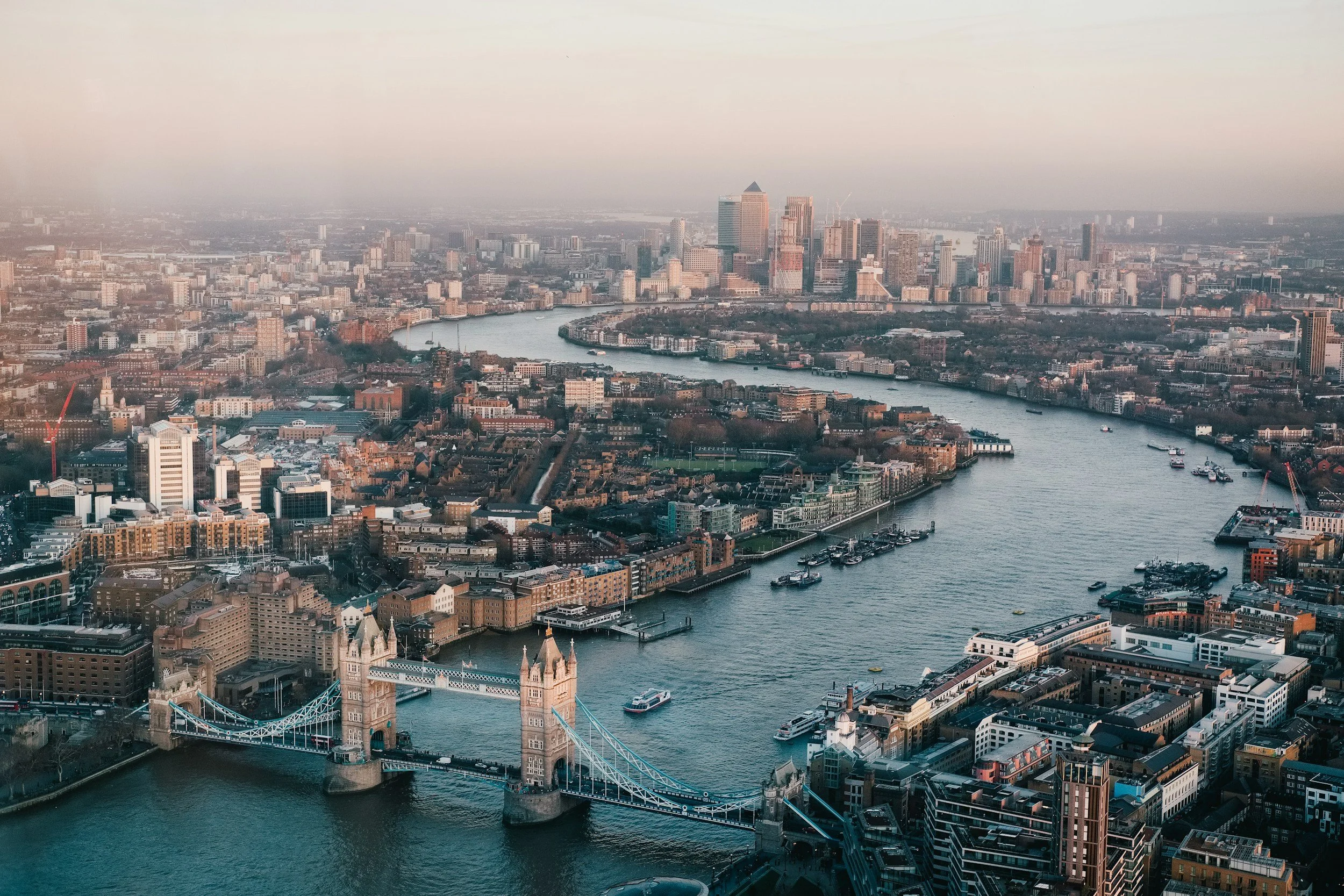
It would be a crime if I didn’t include the greatest city in the world on this list - LONDON. It’s the capital of England and the UK, sprawling across the River Thames with a population of around 9 million locals. Europe’s biggest city by population, but when you head out to the different neighborhoods it doesn’t feel like it at all. There is so much to see and do in London, and for anyone who lives here I am truly jealous because it is an incredible city overflowing with history.
Things to do:
Start in Westminster, where you’ll see the iconic Westminster bridge, London Eye, Big Ben, Houses of Parliament, Westminster Abbey, and basically a historic building on every street. From there, walk east along the Southbank for great views and immersion into the city. In the City of London area, see important buildings like St. Pauls Cathedral, Tower of London and Tower Bridge. Enough of the architecture, the best areas for electric London vibes are Covent Garden, Soho, Camden Market, and Notting Hill. These places all come to life as the day progresses, especially on weekends. Make sure you visit any of London’s world class museums (British Museum, Natural History Museum, etc). While those are some of the basics, you could genuinely spend forever walking through London and see something new every day.
How to get there:
London has 6 airports, but the most common for international connection are LHR, LGW, STN, and LTN. London is probably the most accessible city in the world.
You can otherwise take a train, National Express or FlixBus from around the UK and cities like Paris, Brussels or Amsterdam.
2) Bath
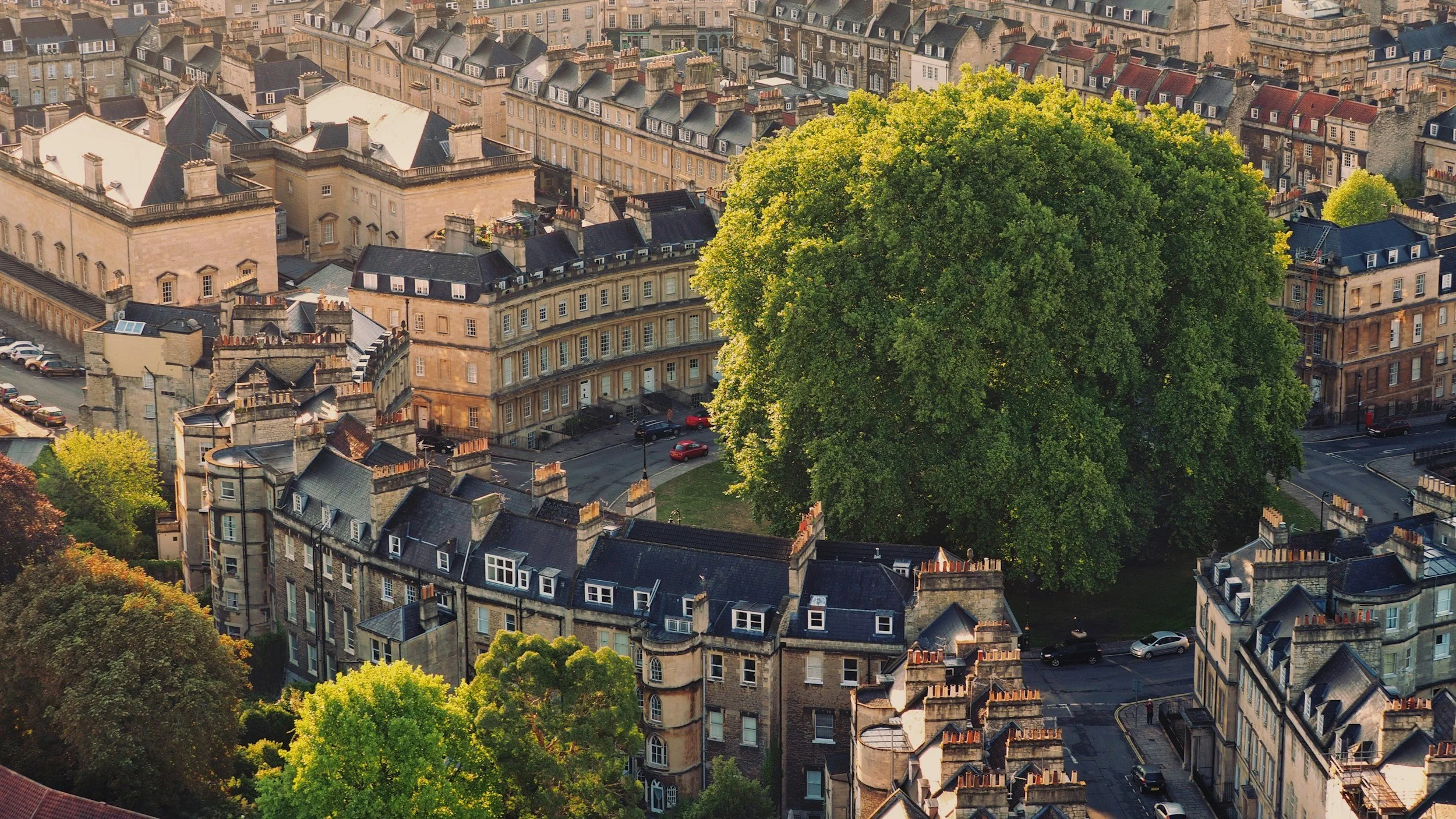
Bath is an elegant and historic city in Somerset, England (about 10 minutes on the train from Bristol). The city revolves around its natural hot springs, which are the only ones in Britain. The Romans built a massive bath complex here around 60–70 AD, and the ruins are still one of the best-preserved Roman sites in the world. Bath has been a tourist hotspot for centuries, and it’s obvious why as walking around the city center feels a bit like you’re in a novel.
Things to do:
The must see is of course the Roman Baths. Get your ticket and head inside to see the temple ruins. Right next to the Baths is Bath Abbey, an incredible Gothic Cathedral you can climb up for views. Dont forget to see Pulteney Bridge, one of four remaining bridges in the world with shops built into it. Walk up towards Royal Crescent & The Circus, which are Georgian architectural masterpieces. Have a picnic on the crescent, if you would like to as well.
How to get there:
You can easily take the train from London or Bristol to Bath.
A cheaper alternative is National Express Coaches, connecting Bath to all around the UK.
3) Lake District
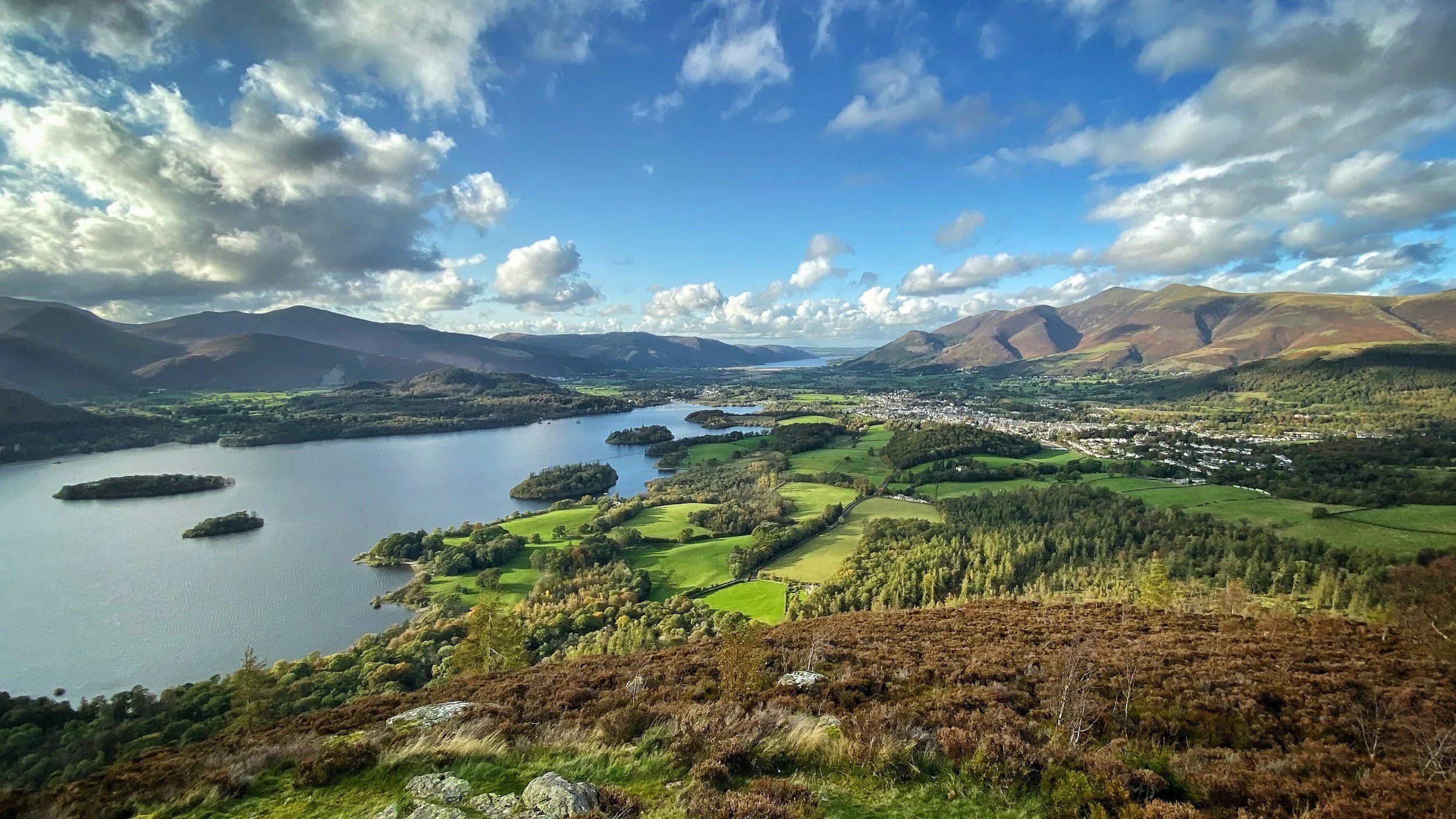
The Lake District is a compact National Park Located in northwest England roughly 2.5 hours drive from Manchester. In 2017 it became a UNESCO World Heritage site, recognized for both its natural beauty and its huge influence on literature, art, and the Romantic movement. Incredibly, the park is about the same size as Luxembourg, and is built around 16 major lakes.
Things to do:
There is a big amount of variety in the Lake District when it comes to hiking options, so here’s one hike for each difficulty level. Starting with beginner, I'd recommend the Blea Tarn Trail, or the Catbell Walk, both offering amazing views for the time taken. For moderate hikers, check out the Angle Tarn Circular, or Aria Force via Gowbarrow Park. Lastly, for some more challenging tracks, I’d say the most rewarding are Old Man of Coniston via Dow Crag, or the Fairfield Horseshoe.
How to get there:
Stagecoach is the best operator for transport in and around the Lake District, so check the website to see accessible routes.
4) Manchester
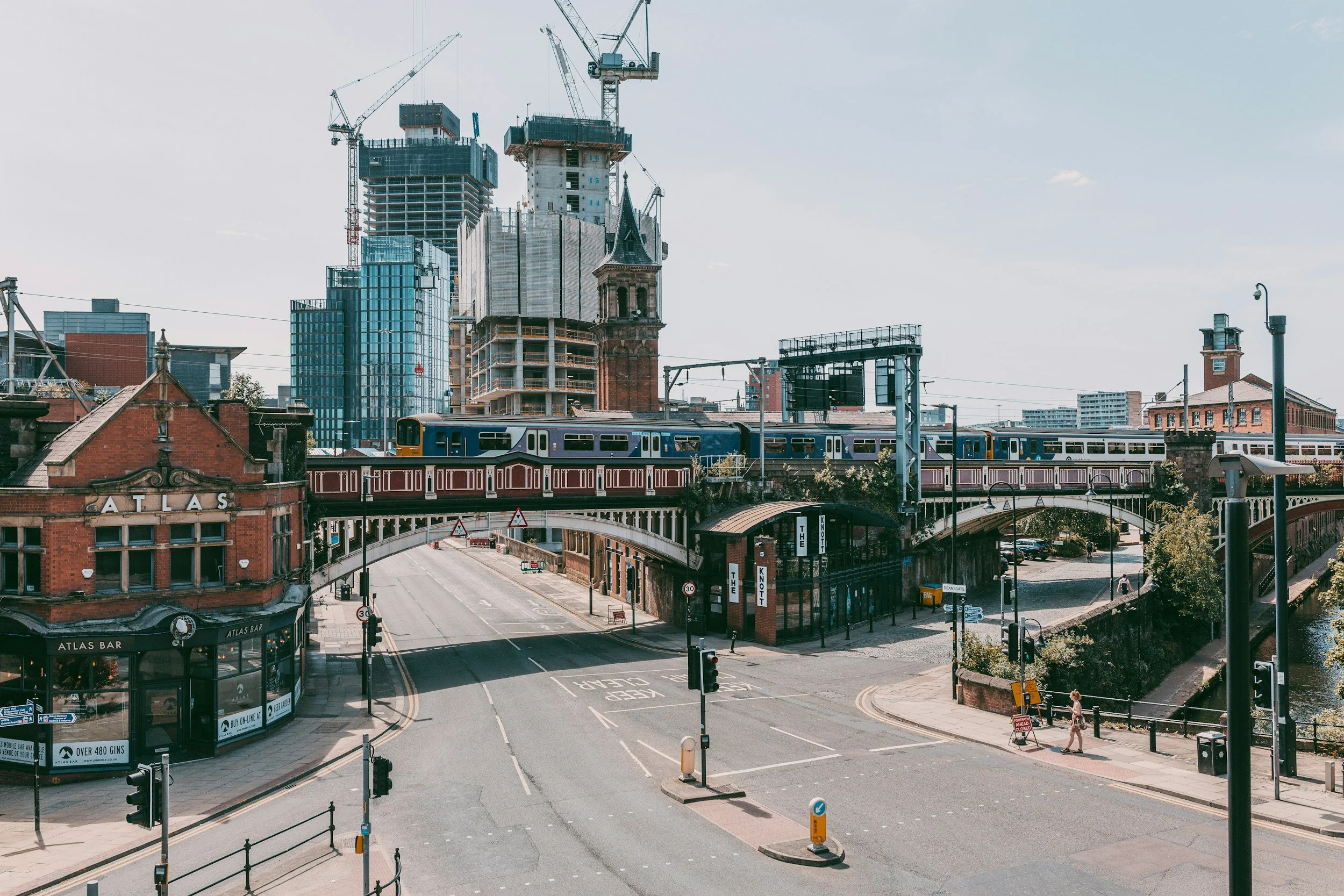
Manchester is a classic British Industrial city, sitting in the northwest of England, right in the heart of Greater Manchester, about 2 hours by train from London or 50 minutes from Liverpool. Not only that, but it’s also the UK Music capital, has a great food scene and a strong northern spirit. Manchester contains many red-brick Victorian buildings, massive old mills converted into lofts and offices, and canals that still run through the city center. Overall it’s an English city with a lot to unpack and explore.
Things to do:
Start in the heart of Manchester, the Northern Quarter. Here, you’ll see all kinds of stuff like vintage stores, art pieces, trendy bars and things of all sort. Close by is the super cool neo-gothic John Rylands Library, and all around the Deansgate area is super cool in general. A bit further out southwest is The Quays, a modern waterfront area where you can find the Imperial War Museum across the canal, definitely a great spot. Of course, if you like football you’re also in the home of Manchester City and Manchester United.
How to get there:
Manchester Airport (MAN) connects Manchester very well with Europe.
You can take trains from all around the UK.
National Express Coaches are a cheaper, yet slower option too.
5) Liverpool
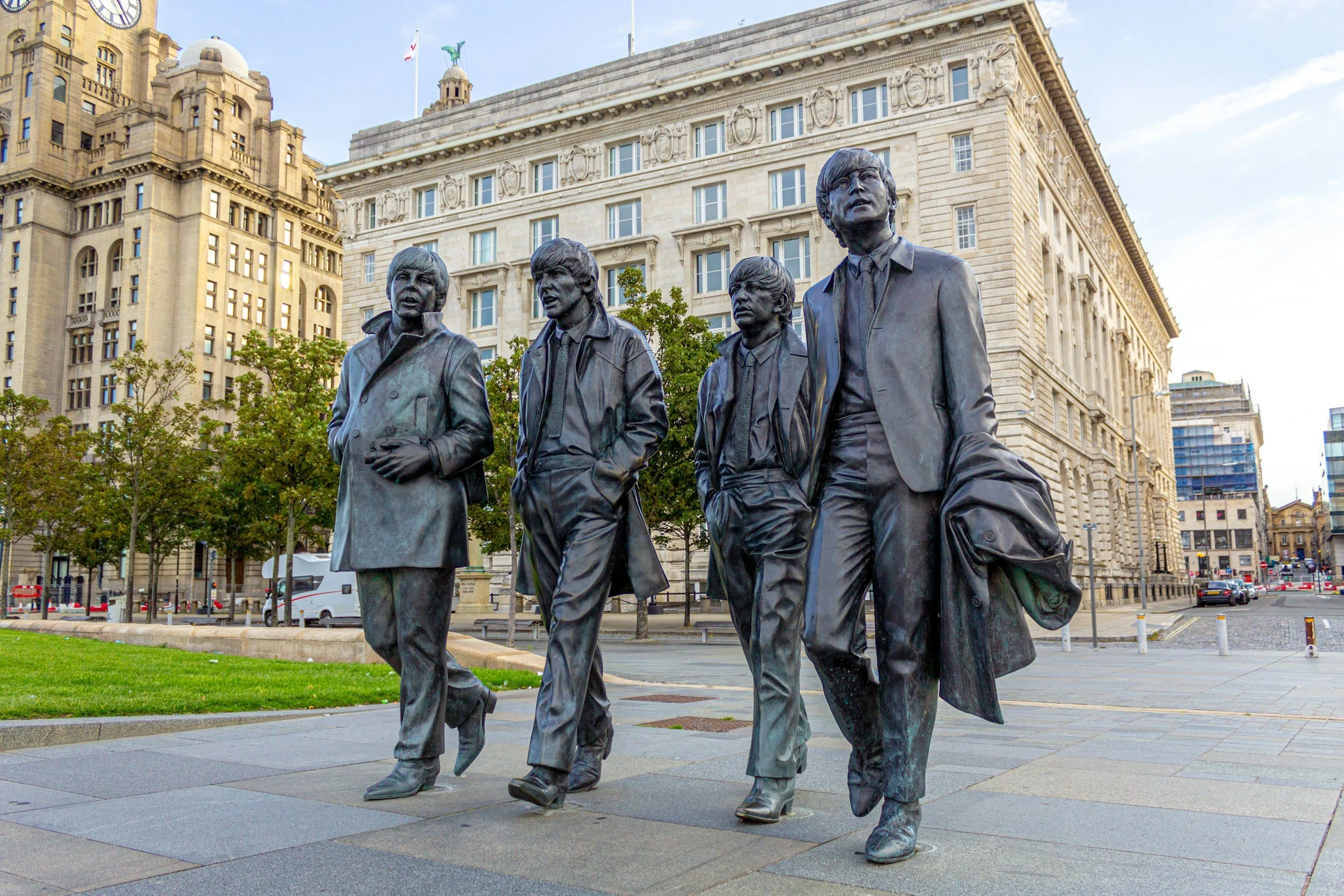
Liverpool is an amazing city on the northwestern coast of England, filled with passionate, friendly people and a massive music and arts history (home to the Beatles). It’s England’s fifth biggest city with just over 500,000 people and an incredible amount of diversity and multiculturalism. It gets super lively down by the waterfront, and the nightlife in the center is extremely energetic.
Things to do:
Make sure you head down to the waterfront, where you’ll see the Three Graces, (Royal Liver Building, Cunard Building, Port of Liverpool Building). You’ll also see the statue of The Beatles down there, as well as the Museum of Liverpool. And if you do love The Beatles, go to the The Beatles Story Museum, taking you through an immersive journey of The Beatles History. For more Beatles stuff, visit The Cavern Club where they played nearly 300 gigs. If you're into football, a stadium tour at either Anfield or the Everton Stadium is a good idea (Anfield is better).
How to get there:
Liverpool John Lennon Airport (LPL) has connections to a good selection of places around Europe.
You can train from many major cities in the UK (London, Manchester, etc).
Alternatively you can take a National Express Coach for cheaper.
6) Peak District
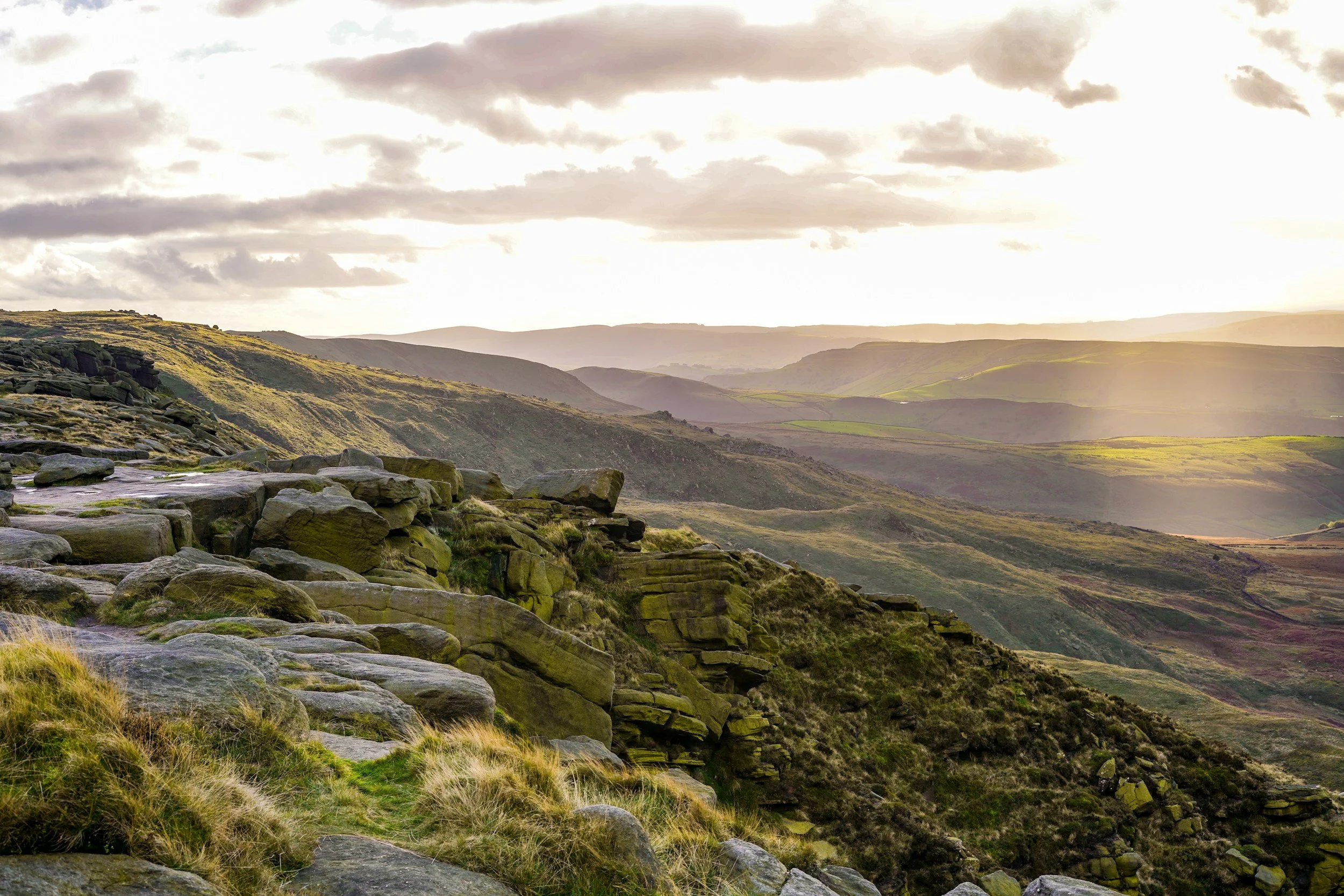
Peak District National Park the first national park in the UK (designated in 1951) and still one of the most loved. It sits right in the middle of the country, straddling Derbyshire, Staffordshire, Cheshire, Greater Manchester, South Yorkshire, and West Yorkshire, whilst possessing some of the countries best nature. Despite the name, the landscape is more about the vast moorland and dramatic valleys with limestone rocks.
Things to do:
Once again, starting with a relatively easier hike, the Dovedale & Thorpe Cloud Circular offers some great views. For some moderately harder ones, try the Mam Tor to Lose Hill walk from Castleton, or the Froggatt Edge & Wood Circular. For a challenging one with some steep and rocky parks, try the full Kinder Scout Circular.
How to get there:
Stagecoach is the one of the best operators for transport in and around the Peak District, so check the website to see accessible routes.
7) Oxford
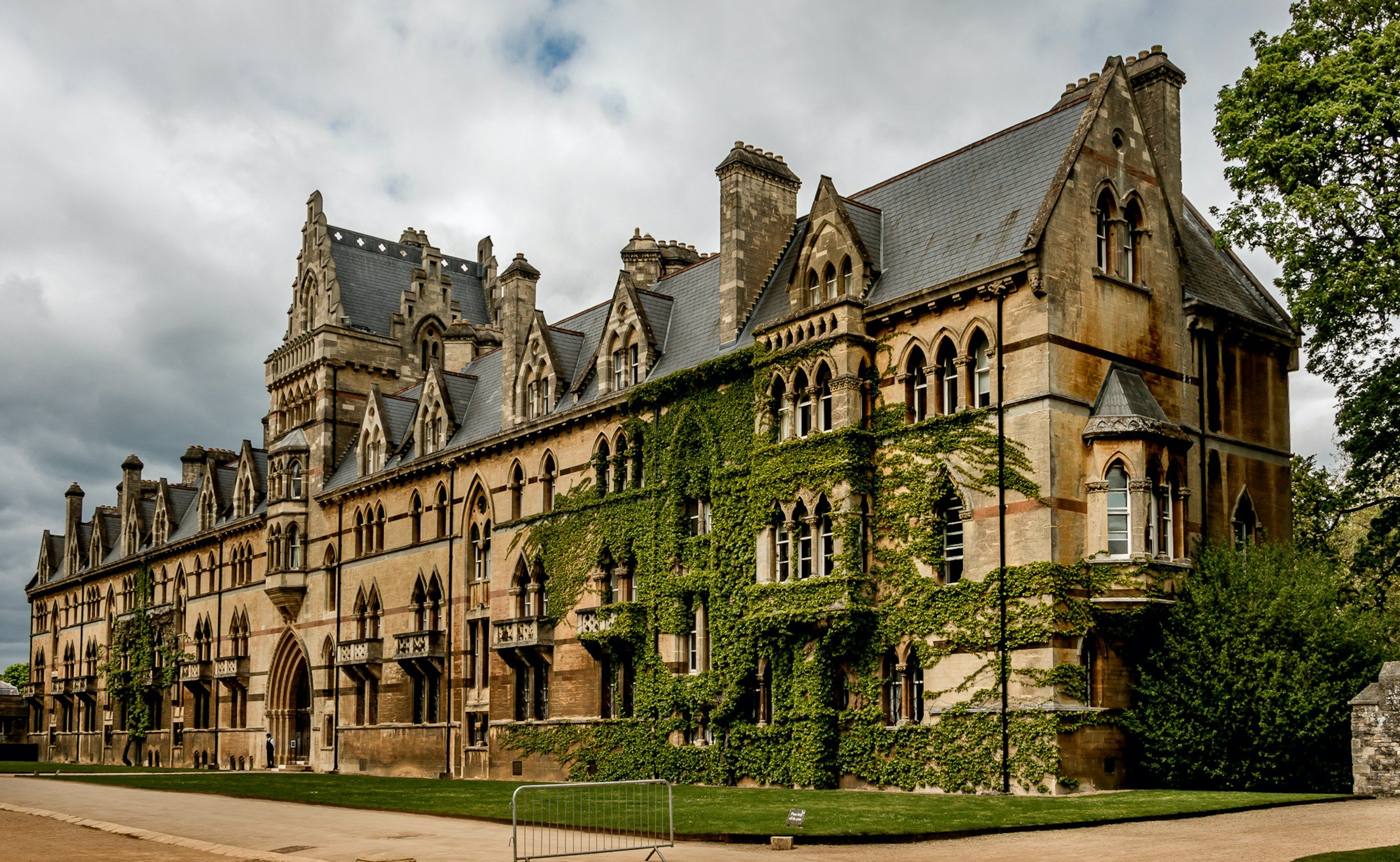
Oxford is the oldest university town in the English-speaking world, and walking its streets still feels like stepping into a living history book. It’s only about an hour northwest of London, yet possesses a unique, student-centered vibe. All of the college buildings feel like architecture from a fantasy film, and Oxford just has it’s own timeless feel.
Things to do:
Christ Church College is probably the most famous of the Oxford Colleges, with the Christ Church Cathedral being the iconic monument in the area, as well as the Tom Tower welcoming you to the Tom Quad. However one of the most iconic buildings in Oxford is the Radcliffe Camera, with the Bodleian Library being next door (UK’s 2nd Largest Library). You can also go inside Oxford Castle & Prison, and see the 11th-century crypt. Also walk through The University Parks, or go to Headington Hill Park for some views (Great at Sunset). Ashmolean Museum is the oldest university museum in the world, filled with info too. Lastly, for shopping check out Covered Market and Blackwell’s Bookshop.
How to get there:
You can easily take a train from surrounding cities like London, Bristol, Birmingham, etc.
Otherwise check out National Express for the cheaper options.
8) Cornwall
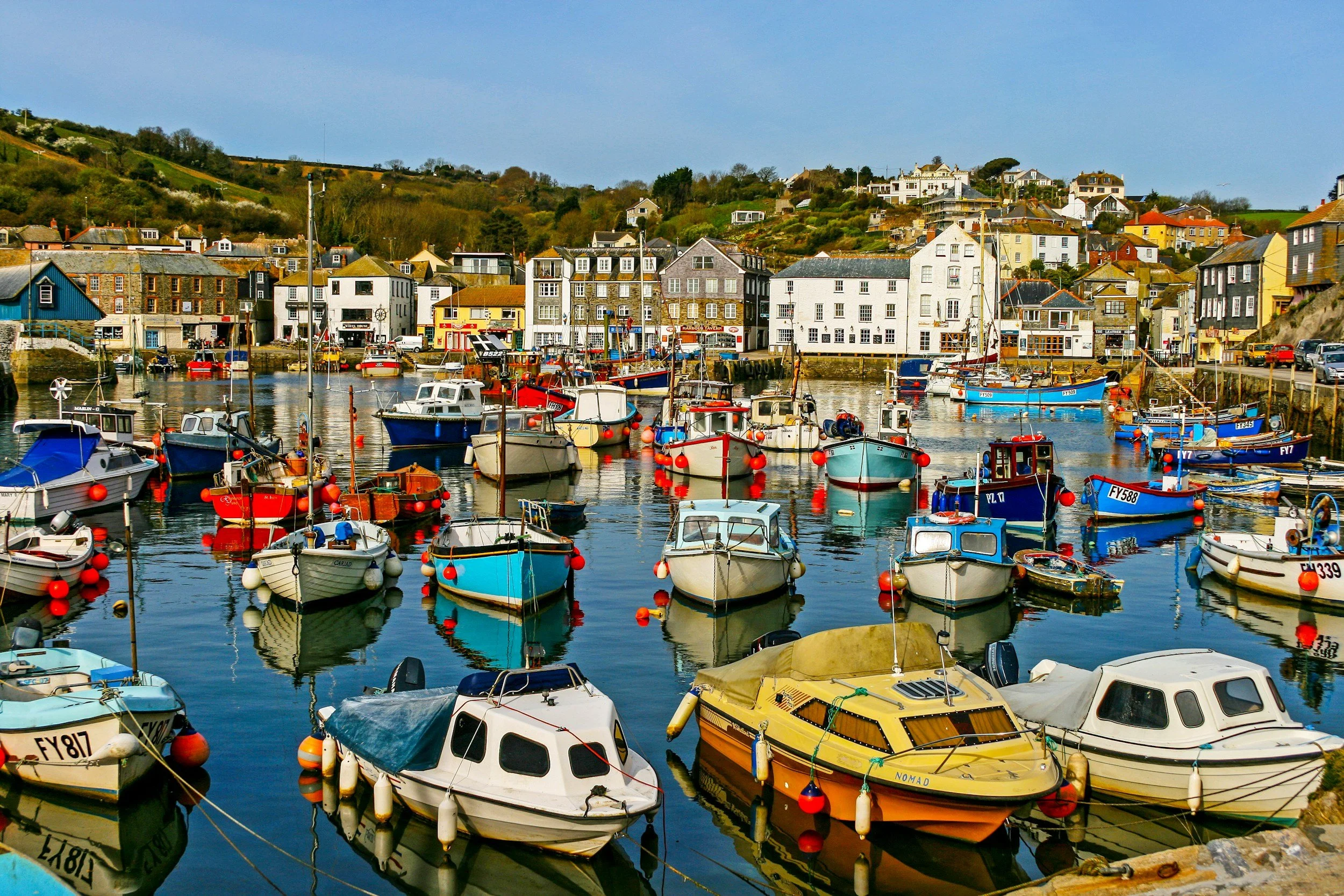
Cornwall is that far southwestern corner of England that feels like a different world from the rest of the country, thanks to its jagged granite cliffs, hidden coves, white-sand beaches and so much more. It’s dotted with so many tiny fishing villages and even palm trees grow here in this county. It’s by far the best destination in the UK for the seaside and surfing.
Things to do:
The best towns in Cornwall for tourists are as follows, starting with St Ives. In this town check out the beautiful beaches, hidden coves and the pastel, narrow streets making the city as photogenic as it is. Next is Padstow, the food capital. Here, check out all the seafood shops, the harbor, and definitely Prideaux Place. Thye last town reccomendation I have is Falmouth, a super historic port town with a strong maritime background and some great beach choices. Other standout places in Cornwall (besides the popular towns) are St Michael’s Mount, Land’s End, Tintagel Castle and Lizard Peninsula. A lot of lists, I know.
How to get there:
You can train to Plymouth from further north in the UK, and then take a couple of changes to get to one of the Cornish towns.
To get around Cornwall, check out Transport for Cornwall.
9) York
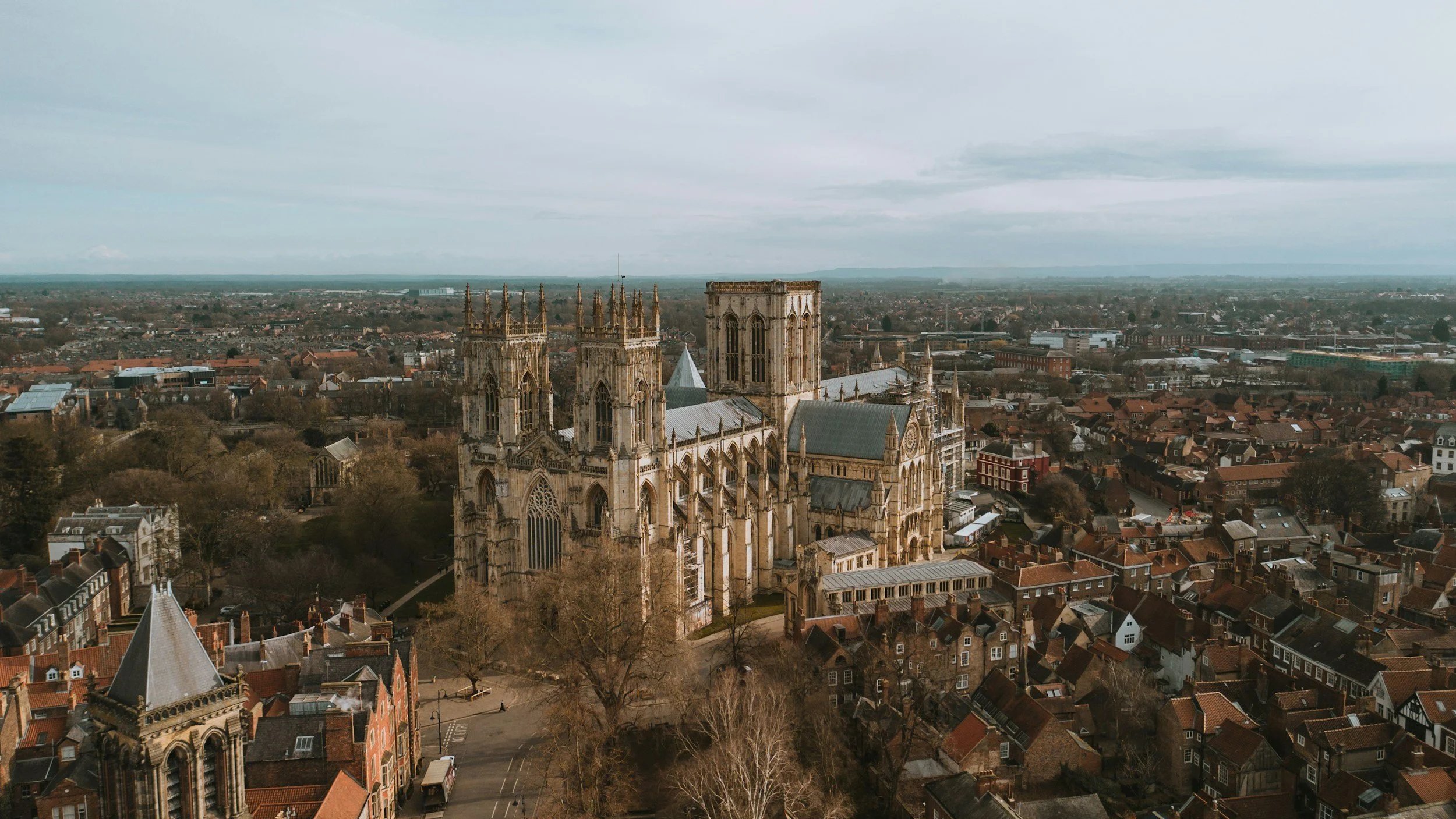
York was founded by the Romans in 71 AD, and it’s very clear to see as all of the Roman walls and medieval streets still stand strong today. York is only about 2 hours north of London on the train, in the county of North Yorkshire. It attracts tourists from all around who come to see the Gothic architecture and some of the best-preserved medieval city walls in Europe.
Things to do:
As mentioned, walk the City Walls, which are almost all intact and walkable. But the most iconic building in the city is York Minster, one of the greatest Gothic cathedrals in the world complete with incredible stained glass and great views. Walk down The Shambles, the narrow, cobbled street with overhanging timber-framed buildings. Another historic landmark is Clifford’s Tower, built in the 13th century with The Castle Museum next door. There is so much to see in York when you walk down the historic streets.
How to get there:
You can train from many major cities in the UK (London, Manchester, Birmingham, etc).
Alternatively you can take a National Express Coach for cheaper.
Did this write-up help you?
Feel free to donate to me directly, and help keep the site running!
Thank you!!