The Best Places to Visit in Egypt
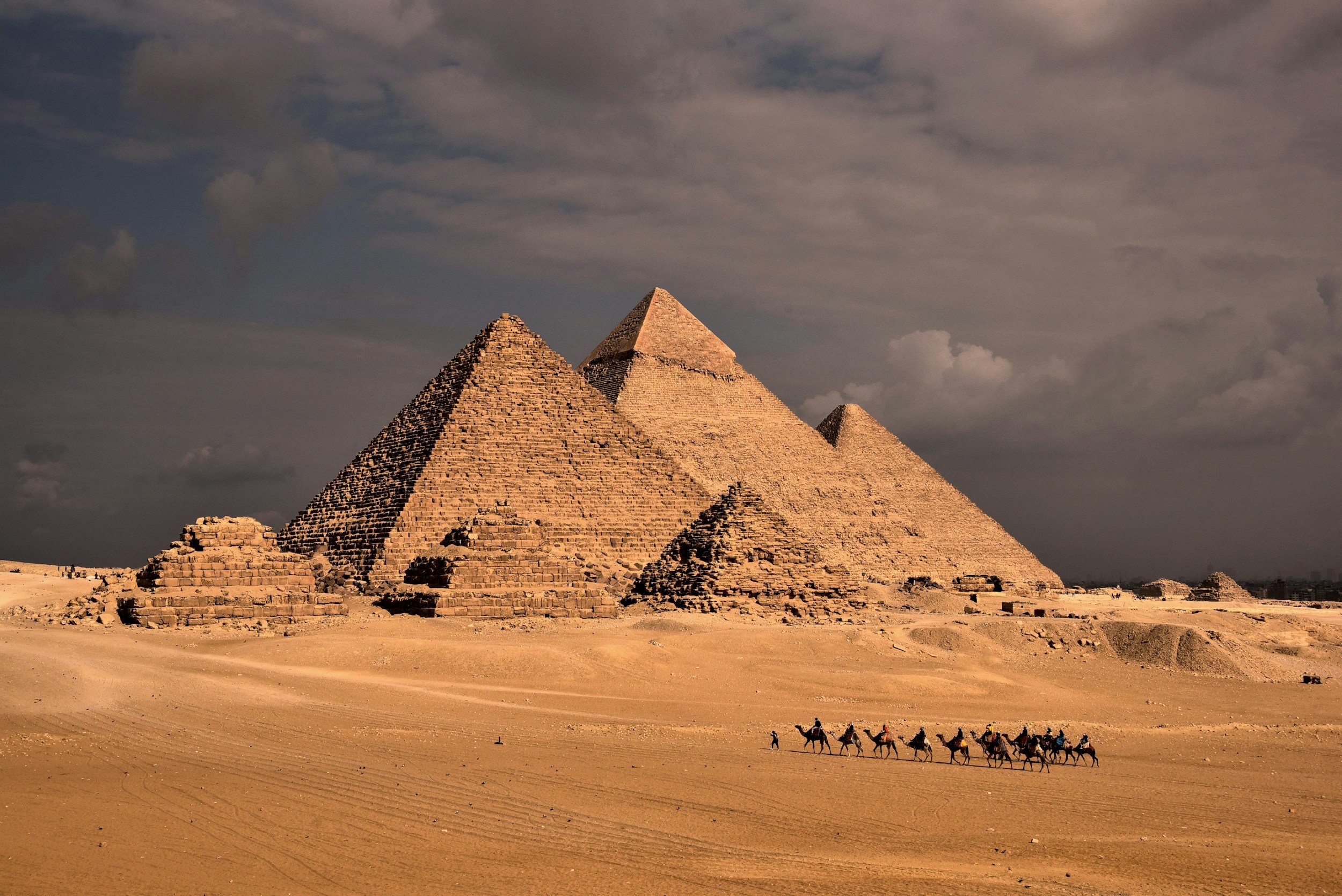
Egypt is basically THE country when it comes to world history. Everyone ever knows about the pyramids, temples, tombs, and the Pharaonic civilization which goes back 5,000+ years. Everything in the country revolves around the iconic Nile river. In the past, all the cities were built on its banks and all the settlements depended on it for trade as well. Nowadays, visitors come from all around the world mainly to see the Ancient Pyramids, but there is so much to offer in the country, and those who just stop in for Giza see just a small sliver of the history that comes out of Egypt.
Capital: Cairo
Currency: Egyptian Pound
Language: Arabic
When to visit: October to April
1) Giza
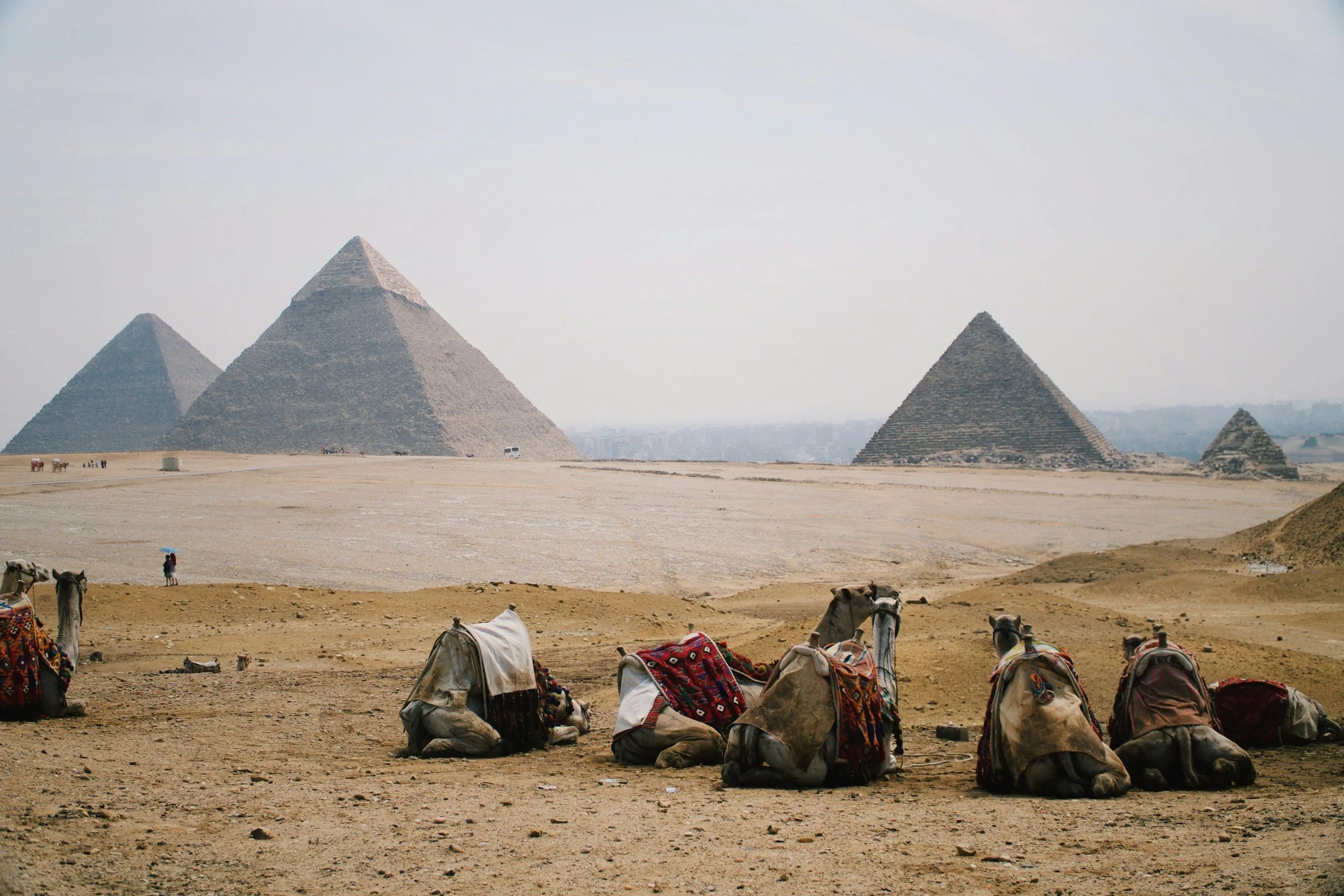
Giza is one of the most famous places on Earth - not because of the city itself, but because it sits right beside the most iconic ancient monuments ever built. It lies on the southwest of the Nile river, and right across the water is Cairo, the capital. They are not the same city, and contrary to popular belief all the ancient sites are not out in the middle of the desert, they sit right next to the city.
Things to do:
Everything in Giza is about the Giza Plateau, which is where all the ancient famous sites are. You have the 3 main Pyramids of Giza: The Pyramid of Menkaure, The Pyramid of Khafre, and the biggest being The Great Pyramid of Giza. You can walk between them freely, just watch out for scammers. Right next to all of them, is one of the most iconic statues on earth: The Great Sphinx of Giza. You can check out all the viewpoints in the area which offer the best angles for photos. There is many more sites in the Plateau as well not just Pyramids. You’ll find many tombs and museums there too. Overall, it’s not a peaceful area. There’s loads of tourists, people trying to sell you stuff and it’s just really busy in general.
How to get there:
You can fly into either Sphinx International Airport (SPX) or Cairo International Airport (CAI) and take a shuttle to Giza.
You can take buses from other cities in Egypt too, like Alexandria or Luxor.
2) Cairo
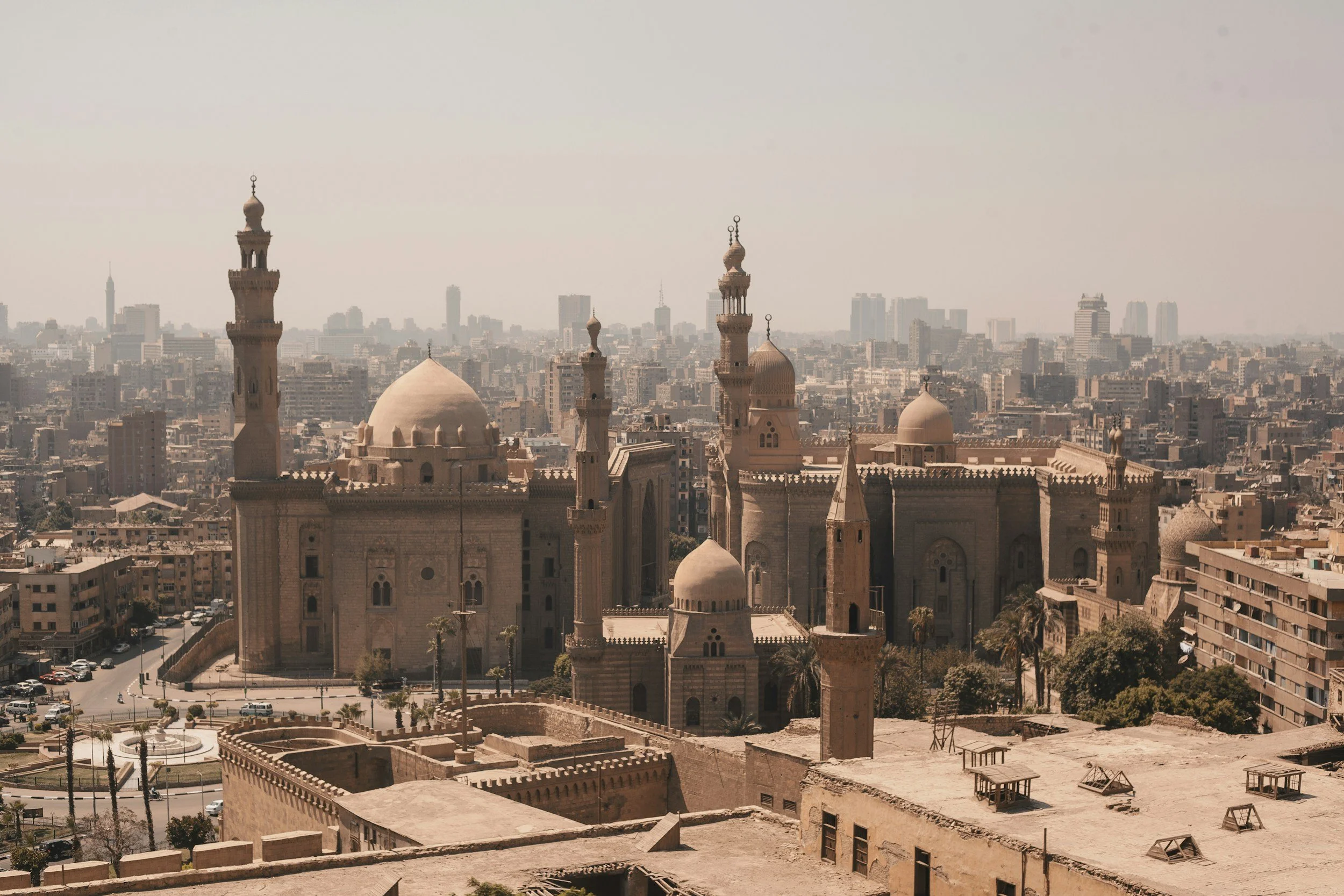
Cairo is Egypt’s great megacity capital, sitting on the east side of the Nile mirroring Giza. It has well over 20 million people in the greater metro area, making it the largest city in the Arab world. It’s the political and cultural heart of Egypt, and for most travelers it’s the gateway to everything, from the pyramids to Upper Egypt.
Things to do:
Cairo is a great spot for museums to learn more about Egypt. The three best ones are the Egyptian Museum, Abdeen Palace Museum, and the National Museum of Egyptian Civilization (known especially for the halls of mummies). They are all actually very thorough and educational, so definitely check either out. One of the most important historic spots in Cairo is the Saladin Citadel, which is a medieval fortress overlooking Cairo complete with walls, mosques and the palace. On a clear day, you can even see the pyramids in the distance. The big region simply called Islamic Cairo is the one of the world’s richest concentrations of medieval Islamic architecture, and some of the best things you can see around here include Al-Azhar Mosque, the Sultan Hassan Mosque, Khan el-Khalili Bazaar, and a bunch of beautiful streets and plenty more mosques too. It’s a big area so you can find clusters of sights together and walk between them. For the opposite vibe, in the southern parts of the city you have Coptic Cairo - an area showing the Christian heritage of the city which you can see amongst the Hanging Church and the Fortress of Babylon. Of course, you can also hang by the Nile or visit any other neighorhoods around the city (Downtown, Zamalek, etc.).
How to get there:
Fly into Cairo International Airport (CAI), it is one of Africa’s busiest airports in general.
There is also day trains or sleeper trains from Alexandria, Luxor and Aswan. Otherwise just bus from any other Egyptian city.
3) Luxor
Luxor is often just described to be a big open museum. It sits far down the Nile, and has a bunch of ancient artifacts and historic pieces which attracts many tourists who travel far and off the beaten path to see them. Luxor is important for the country, as it preserves Egypt’s New Kingdom golden age which spanned from 1550-1070 BCE. You will literally see the core of Ancient Egypt here.
Things to do:
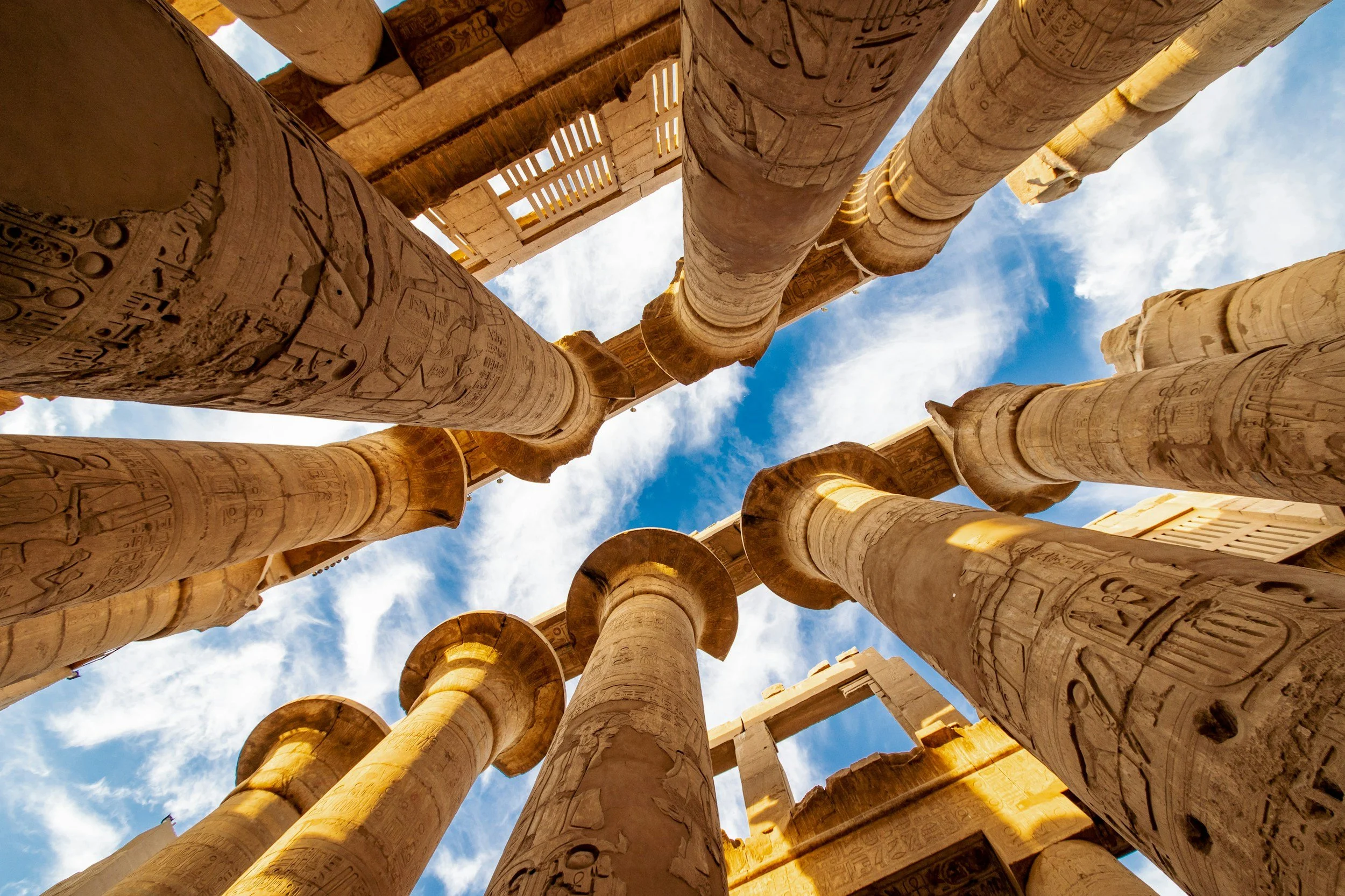
Since most of Egypt’s greatest monuments are found here, there is a lot to get through. On the East River bank, you’ll see things like the Karnak Temple Complex, which is a huge area containing massive columns, chapels, carvings and so so much ancient buildings over 2000 years old. This is THE must visit of the city. A highlight of the area is Valley of the Sphinx’s, one of the coolest parts of the complex in my opinion. Close to Karnak is Luxor Museum, which also features some high quality statues and mummies inside. You must then visit Luxor Temple, and see all the stuff surrounding it too. It was constructed around 1400 BCE, and the Valley of the Sphinx’s connects from Karnak to here, as they are the two main temples of the ancient city. That’s not all for Luxor - head across the river and you’ll see Valley of the Kings, which is the site where New Kingdom Pharaoh’s are buried, including the ever-important Tutankhamun. It’s not just kings though, as Valley of the Queens is basically connecting up to it and is a burial site for over 90 queens. You cannot visit these two sites without noticing the Mortuary Temple of Hatshepsut as well. It stands out on the western bank and the scale is striking. While there is so many more spots on both sides of the river, the last one I’ll mention is the Colossi of Memnon, simply because it is just very cool, so have a look at that.
How to get there:
You can fly from Cairo to Luxor International Airport (LXR) easily.
Otherwise take a very cheap bus to Luxor from other major cities along the Nile including Cairo.
4) Abu Simbel
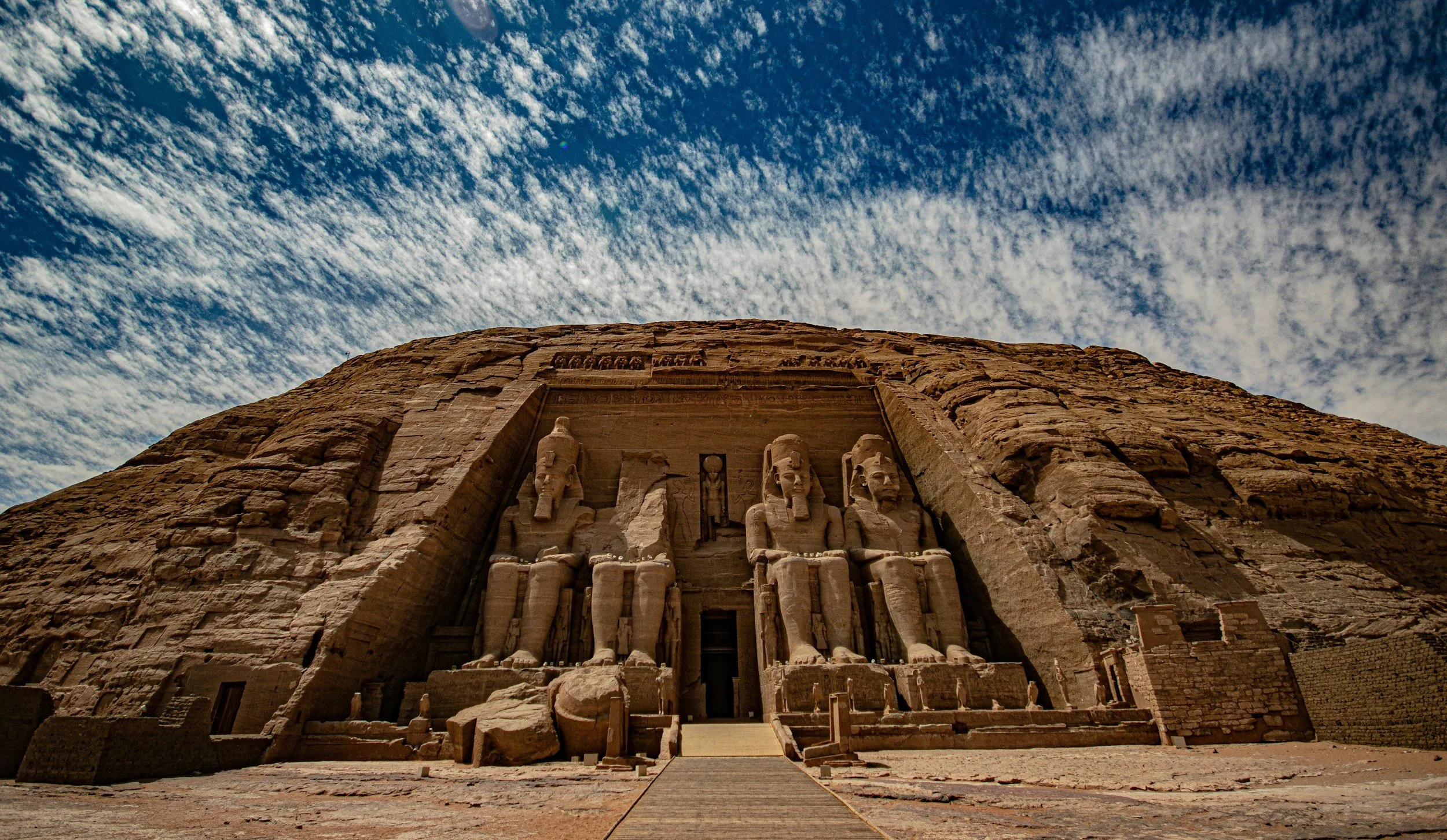
Abu Simbel sits so far south of Egypt, it basically touches Sudan. It sits past where the Nile ends and basically dissolves into lakes, with Lake Nasser being the one bordering the small settlement of Abu Simbel. What everyone comes to Abu Simbel for is the massive temple sites right outside the village, carved during the 13th century BCE. The structures are just massive in scale and so surreal.
Things to do:
The main temple I’m talking about is the Great Temple of Ramses II, where four colossal seated statues of Ramses II dominate the cliff face, each carved directly from the rock and facing east toward the rising sun. Despite the sheer size, they are so insanely detailed and have been constructed and polished very well over the years. The Temple literally sits right on the lakefront as well. That isn’t even everything as well, as a short walk away lies the Temple of Nefertari. It’s a smaller, yet just as impressive temple dedicated to Queen Nefertari and the goddess Hathor, and it has an atmospheric interior too. The whole area around Abu Simbel and its temples is simply insane and so striking to see.
How to get there:
Abu Simbel Airport (ABS) may be very small, but it still has direct flights from Aswan available.
There may also be buses from Aswan too, but it depends on the time of the year.
5) Aswan
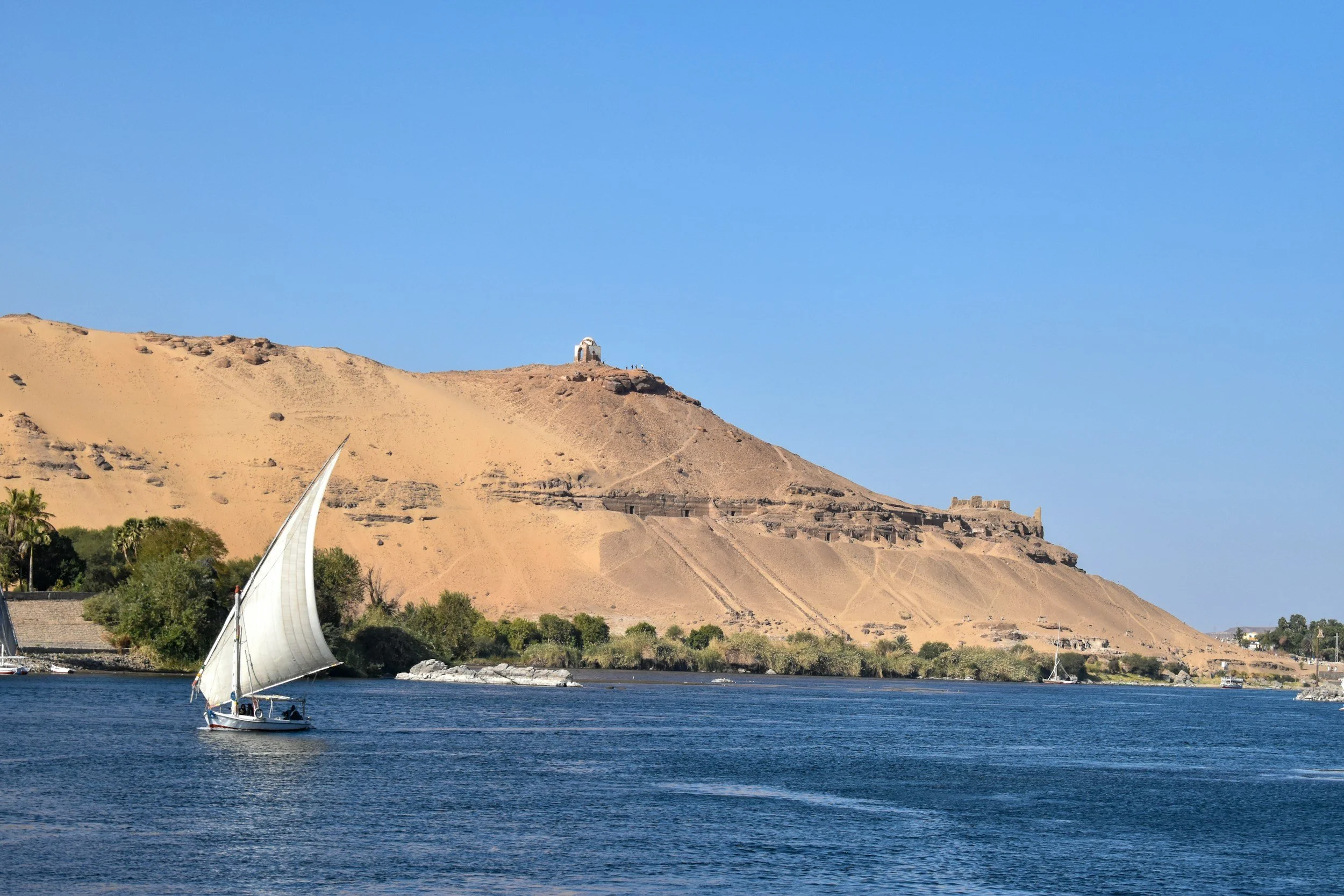
Aswan sits at the southern edge of Egypt, basically in the middle of Abu Simbel and Luxor. You’ll find the atmosphere here is noticeably different to the bigger Egyptian cities, as it has a bit of a warmer climate meaning you’ll see palm trees line the riverbanks and the traditional sailboats fly past. People visit Aswan for the unique Nubian culture and more serene and scenic feel compared to some of the other places.
Things to do:
Aswan has a quite a few islands, but the one with the most sites is Elephantine Island, where you can find the Aswan Museum, the Elephantine Island Pyramid, the Temple of Satet, and a bunch more of everything. There is not too much to see on the mainland, besides some of the local souks and food spots, plus the Unfinished Obelisk, which was abandoned mid-carving after cracks appeared in the stone. It sounds random, but it is cool to see how they worked on these structures. The traditional sailboats I mentioned are called Felucca’s, and a ride on one is essential in Aswan. They pass through all the islands and villages, and if you get one to take you south you can find Aswan’s best attraction - Philae Temple. Philae sits on an island in the Nile and is dedicated to the goddess Isis with its elegant carvings and beautiful setting in general.
How to get there:
Aswan International Airport (ASW) has domestic flights from mainly Luxor and Cairo, but there is some other seasonal options.
You can also just take a train or bus from the main cities down the Nile, from Cairo to Luxor.
Support the Site
If these guides have helped your travels, consider buying me a coffee ~ it helps keeps the content free!
buymeacoffee.com/roamingideas