The Best Places to Visit in Ecuador
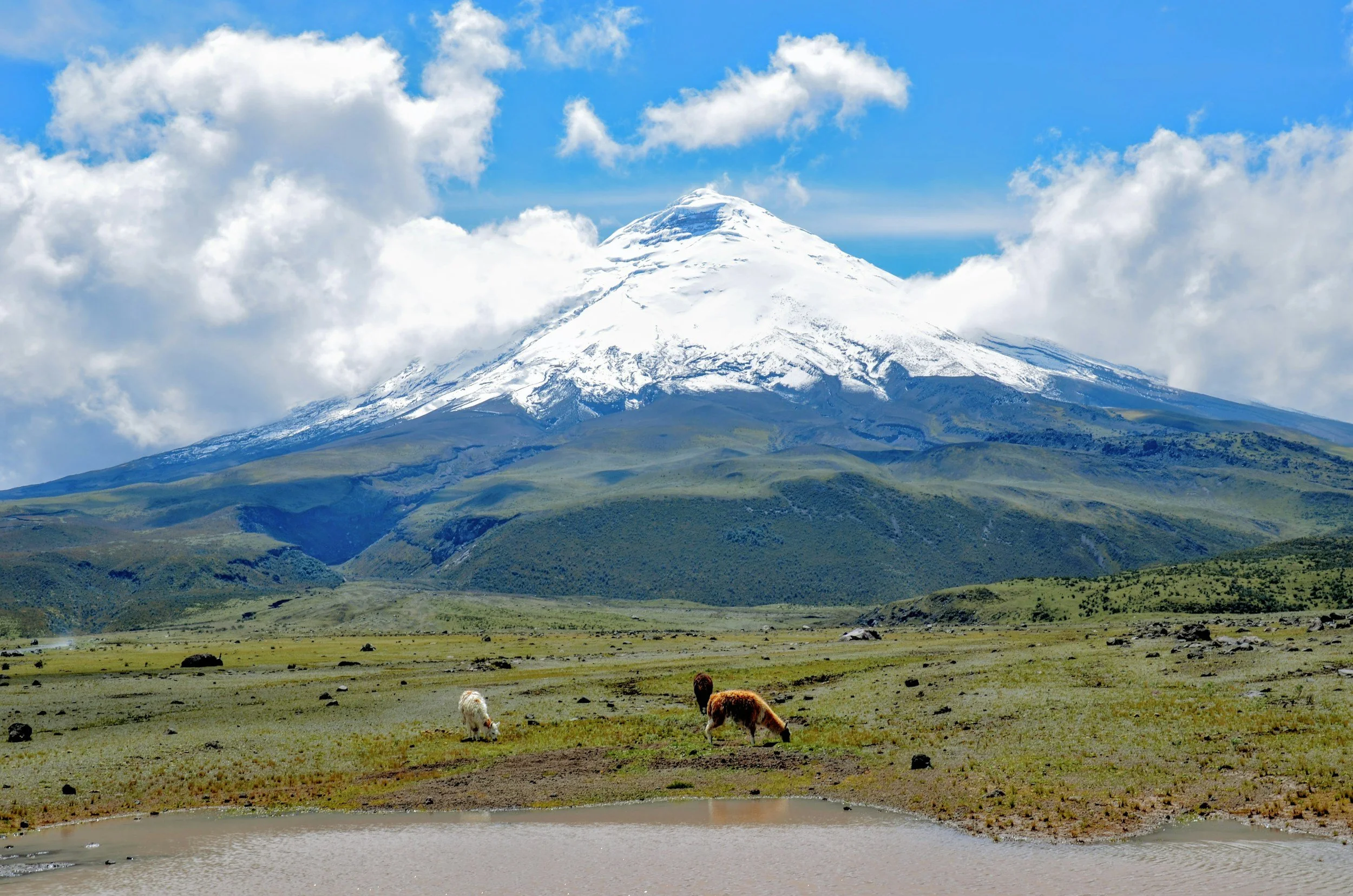
Ecuador is a relatively small country located in line with Earth’s equator (where Ecuador gets it’s name from). Although it isn’t as large as most of its neighboring countries, the diversity of the countries landscape is remarkable. You’ll find outstanding mountains, tranquil beaches and of course, the Amazon Rainforest. Ecuador is home to numerous UNESCO World Heritage sites, and is filled with lots and lots of culture and history. The country is home to ~18 million people, and the primary language is Spanish, it’s all you’re likely to hear on the streets. Ecuador has something for all types of travelers.
Capital: Quito
Currency: US Dollar
Language: Spanish
When to visit: June to September
1) Galapagos Islands
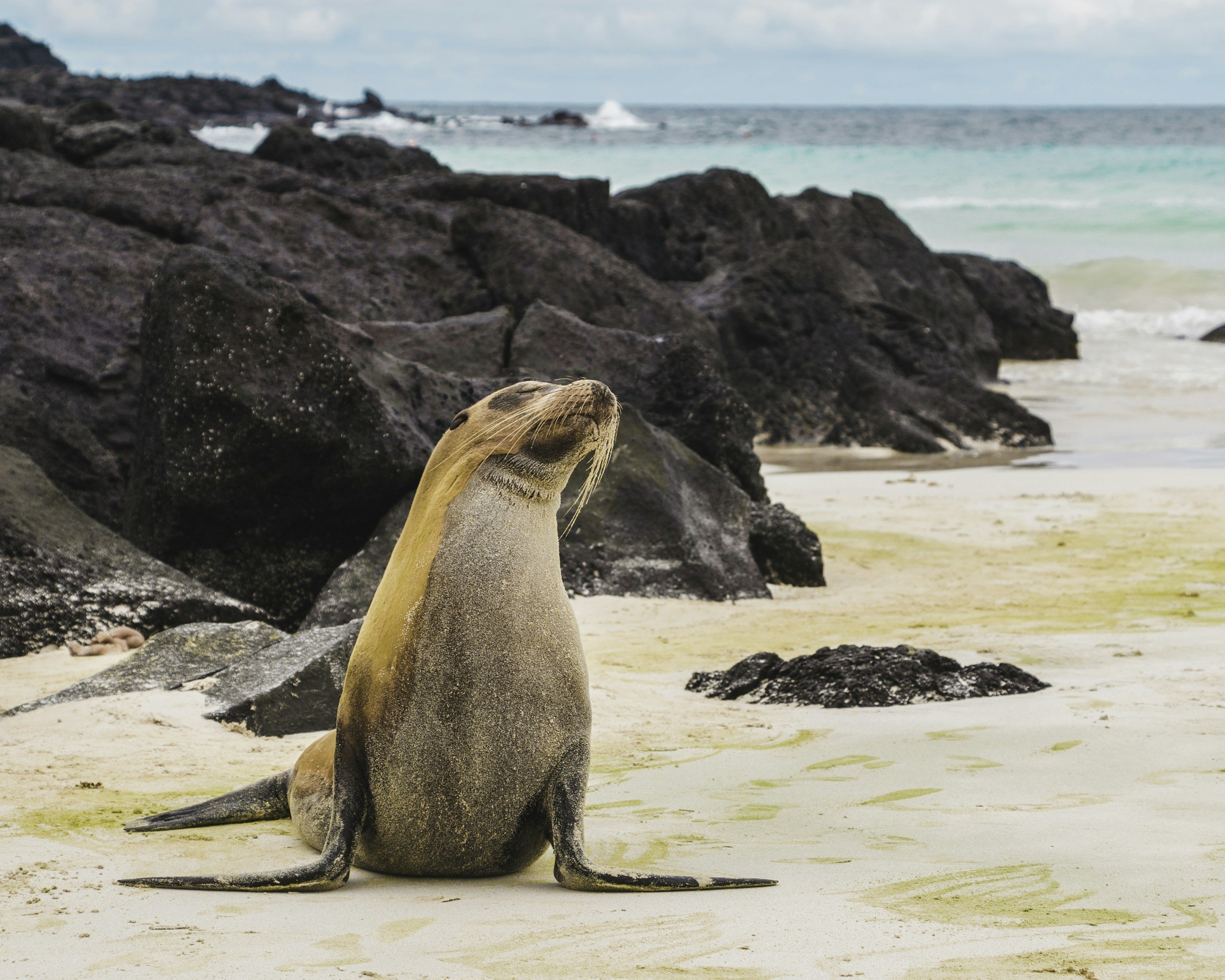
The Galapagos Islands are a volcanic archipelago owned by Ecuador, about 1,000km west of the mainland, in the pacific ocean. They are an extremely famous group of islands, and are known for a lot of different reasons. Some may know the Galapagos as the inspiration for Charles Darwin’s theory of evolution. He visited here in 1835, and after observing all the different kinds of species and how they adapted to their environment, the islands now feature in his published works. Most people on the other hand know of the islands for their unique beauty and native animal species found nowhere else on earth. If you ever get the chance to visit here, consider yourself very lucky.
Things to do:
Obviously, you have to see all of the wildlife with your own eyes. Look out for Giant Tortoises, Seals, Iguanas, Penguins while you walk around. Make sure you go snorkeling and swim with sea turtles and sea lions too. For a hike, you can trek up Sierra Negra Volcano, found on the island of Isabela. It is one of the worlds largest volcanic craters. Dragon Hill is also a beautiful photo spot, as is Bartolomé Island.
How to get there:
Fly from major cities in Ecuador such as Quito or Guayaquil. It takes about ~3hrs.
2) Quito
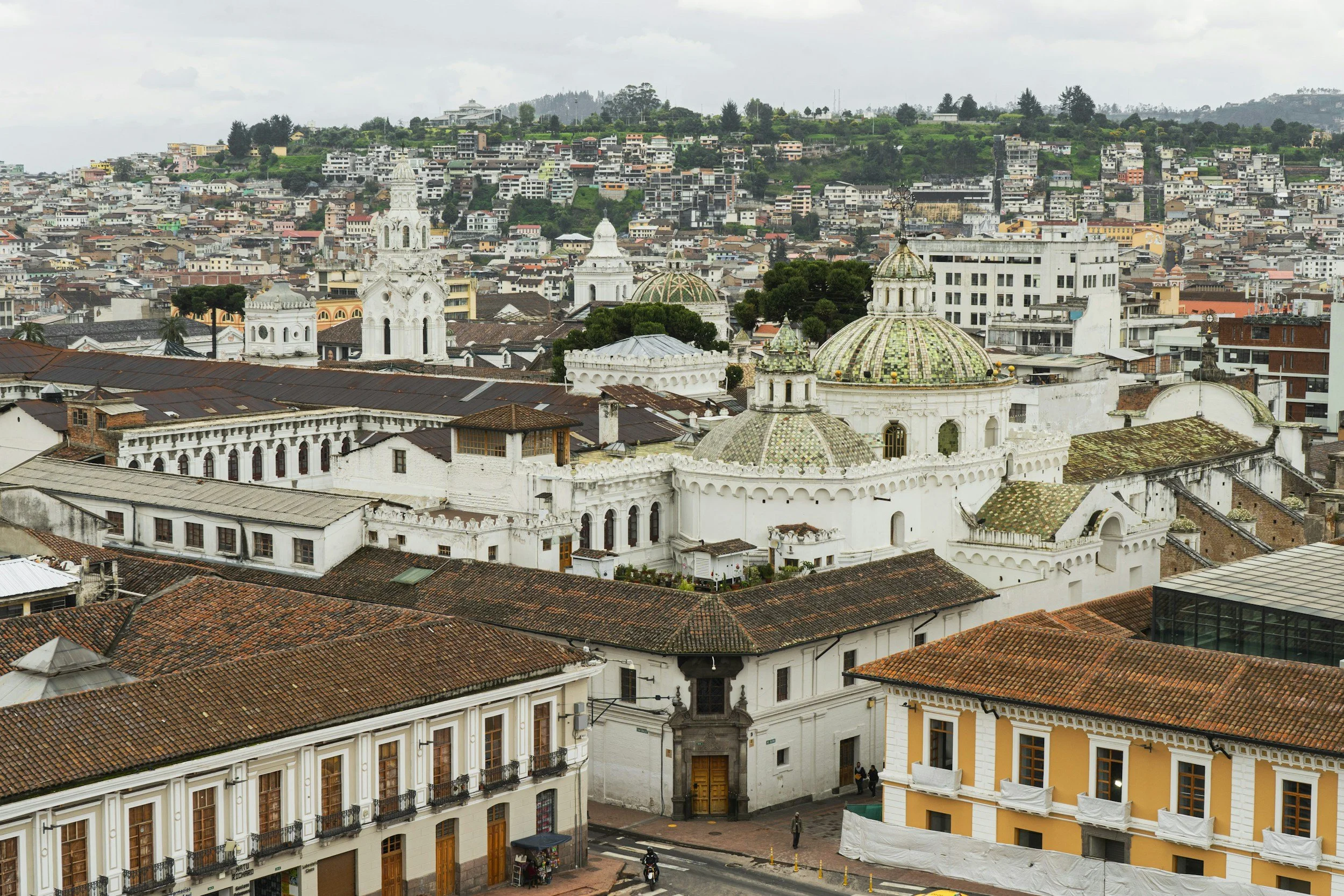
Quito is Ecuador’s historic, yet highly elevated capital city. With a population of just over 2 million, the city lies at an elevation 2,850 meters above sea level. It’s the second highest capital in the whole world, just behind it’s neighbour, Bolivia’s La Paz. You’ll see colonial-era architecture all across the city, blended in with the cobblestone streets giving the classic South American vibe.
Things to do:
Walk through the Historic Center of the city, you are bound to see all the renowned churches and plazas as you explore. La Compañía de Jesús is a beautiful gold plated church in the historic center too. You can take a cable car up the slopes of Pichincha volcano and get a view looking down of the whole city (TelefériQo Cable Car). Make sure you try all the food and check out local markets.
How to get there:
Mariscal Sucre International Airport (UIO) is Quito’s airport, most flights come from all around the America’s.
Quito has bus connections from the other cities in Ecuador.
3) Cuenca
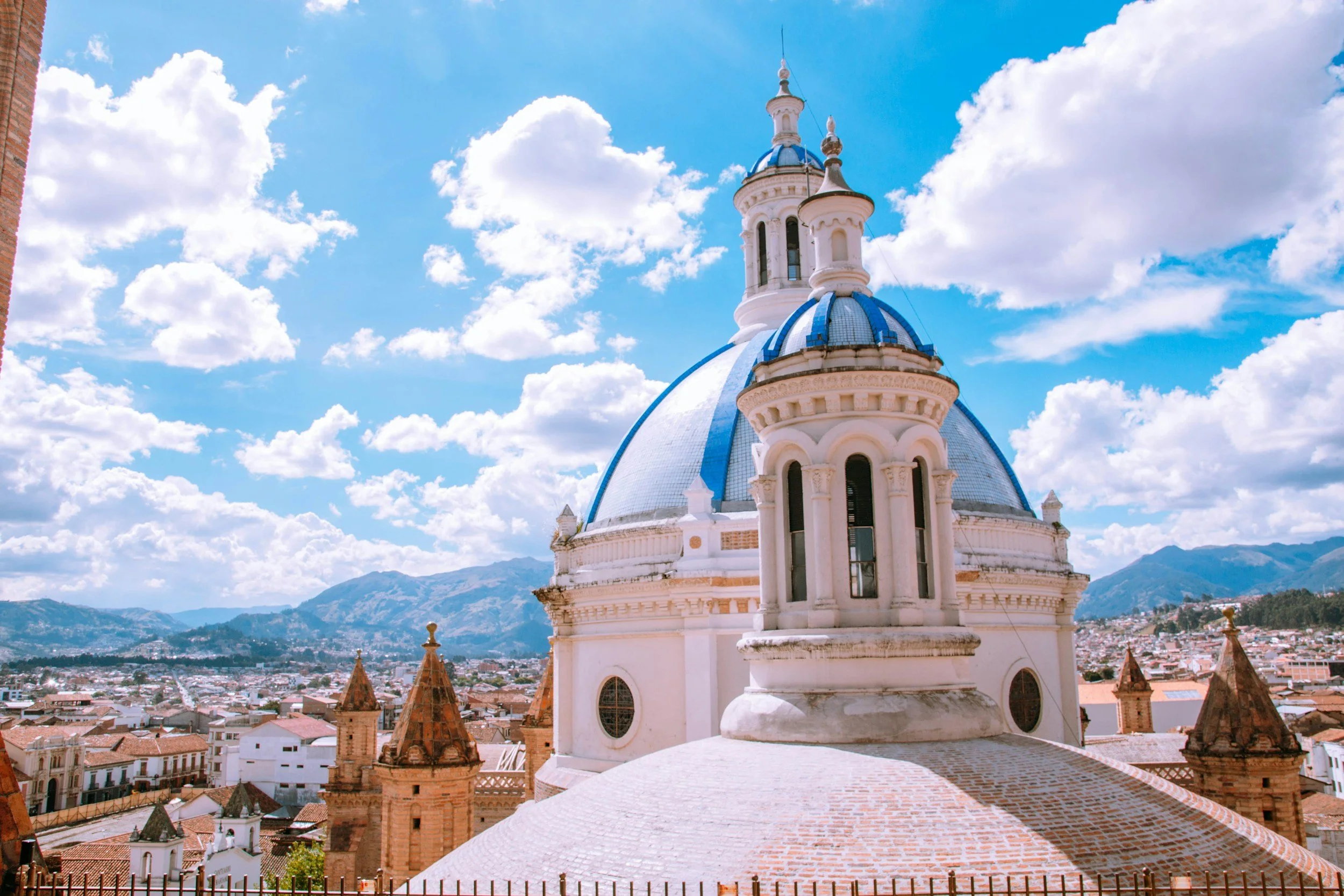
Cuenca is one of Ecuador’s cities nestled inside the Andes Mountain Range. Just like Quito, the city harbors a UNESCO World Heritage site inside of its center. The layout of the city is shaped by its four rivers, and travelers will find numerous amounts of historical buildings and well-preserved churches and streets. Cuenca is much smaller than Quito, with a population of ~600,000 in the metro area. It’s located in the South of the country and really is a true conventional South American city.
Things to do:
Of course, you once again have to get yourself into the Historical Center, it’s small and easy to explore. Cuenca has two main cathedrals most tourists should visit; The Old Cathedral (Sagrario Church), and the New Cathedral (Catedral de la Inmaculada Concepción). Both are famous landmarks in the city. Museo Pumapungo is the museum recommendation for this city. For hikers, Cajas National Park is located just outside the city and has some great trails/hikes.
How to get there:
Mariscal La Mar International Airport (CUE) is the cities airport, serving domestic flights from Quito regularly.
Long distance bus is just as easy, taking ~9hrs from Quito and 5 hours from Guayaquil.
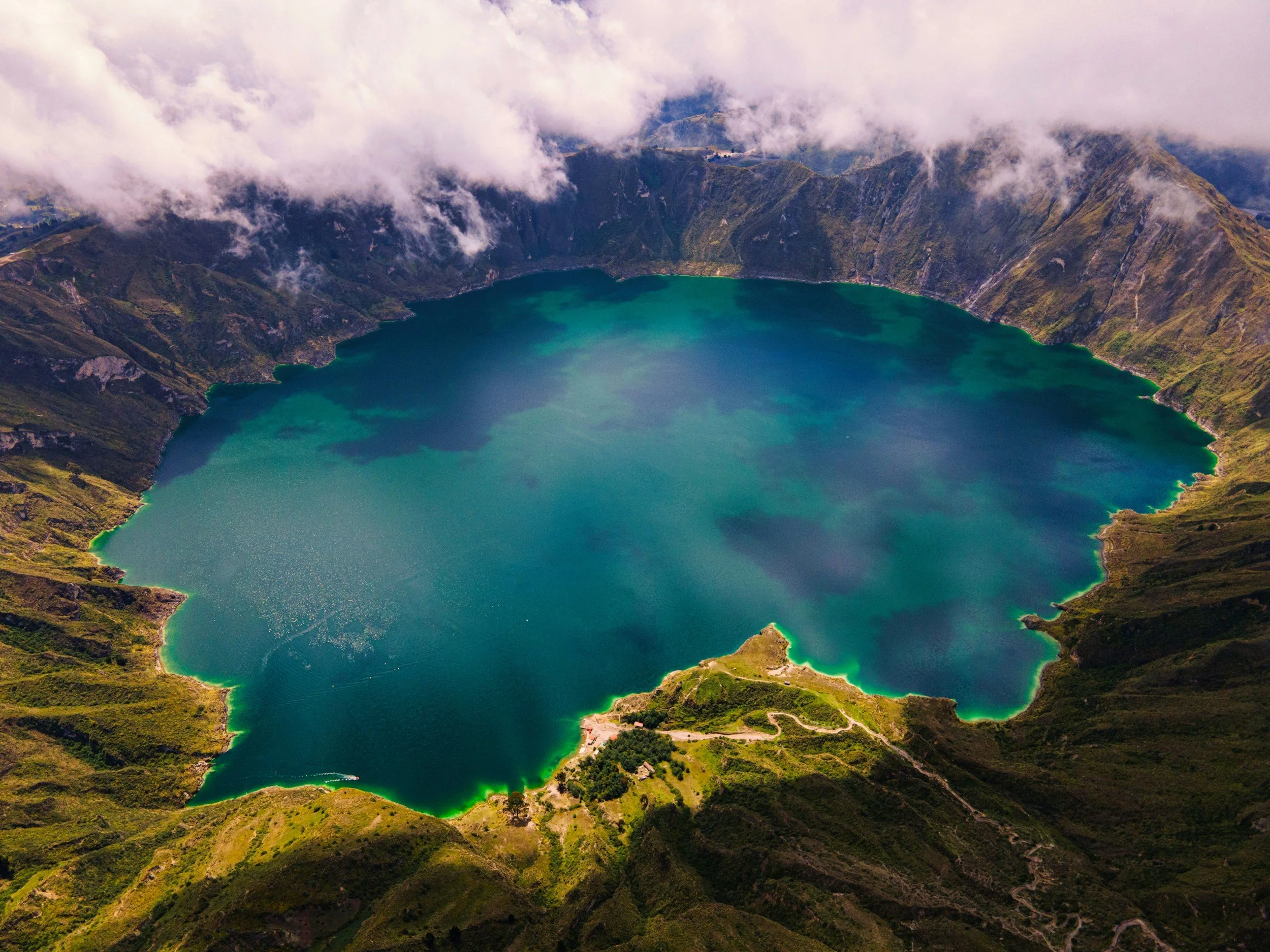
4) Laguna del Quilotoa
Quilotoa Lake is one of Ecuador’s volcanic lakes, found in the Quilotoa Volcano. The elevation of this lake is almost 4,000 meters high, and is one of Ecuador’s most stunning sites. The lake is located right next to the multiple indigenous villages of Ecuador, where local communities live and build their associations. Because of the location of these settlements, getting to the viewpoints of the lake is by no means difficult.
As you can see pretty clearly in the image, the view is just beautiful.
Where is it:
The lake is located in Central Ecuador in the province of Cotopaxi all the way up in the Andes Mountains. It’s about 180km south of Quito.
How to get there:
You can bus from Quito to the village of Latacunga, which is about 75km from the lake. From Latacunga, you need to bus to the village next to the lake named Zumbahua.
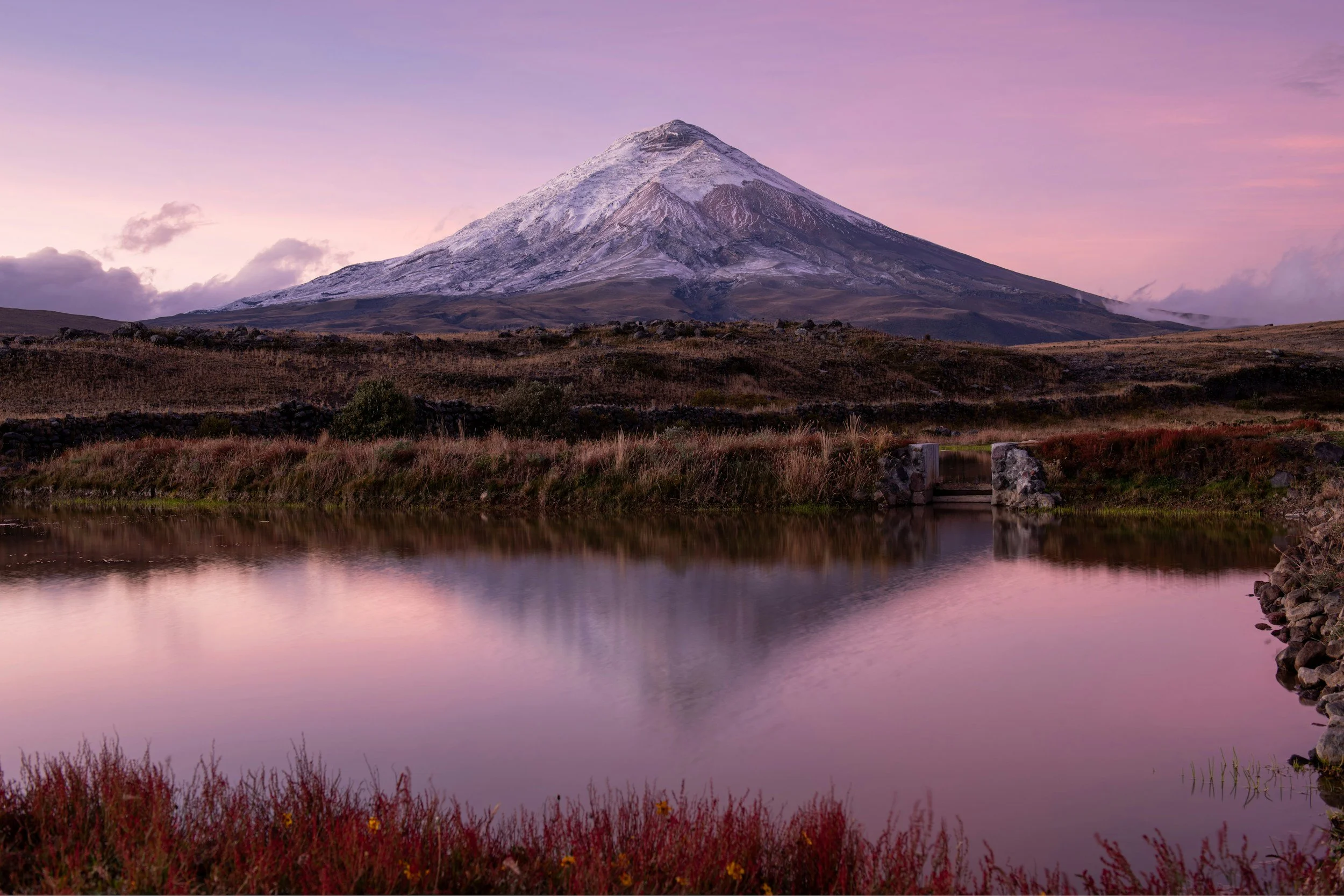
5) Cotopaxi National Park
Cotopaxi National Park is one of Ecuador’s most beautiful, protected and famous spots in the whole country. To some peoples surprise, it’s actually pretty close to Quito (~50km). It’s well-known for the photogenic ‘Cotopaxi Volcano',’ and it’s beautiful lakes and wildlife. The whole national park spans 333.9 km². The views of this park just go on forever.
Things to do:
The great thing about Cotopaxi is that there is numerous hiking options. The Limpiopungo Lagoon Trail is an easy scenic walk around the lagoon with stunning volcano views. Otherwise, the José Rivas Refuge hike is probably the most famous hike in the park. It’s short, but is steep and of course done in a high altitude. You see great views of Cotopaxi and its glacier. For extreme hikers, you can hike to the summit of the volcano with guides.
How to get there:
Take a bus from Quito to Latacunga. You can usually get dropped at the park entrance, otherwise you need private transport from Latacunga.
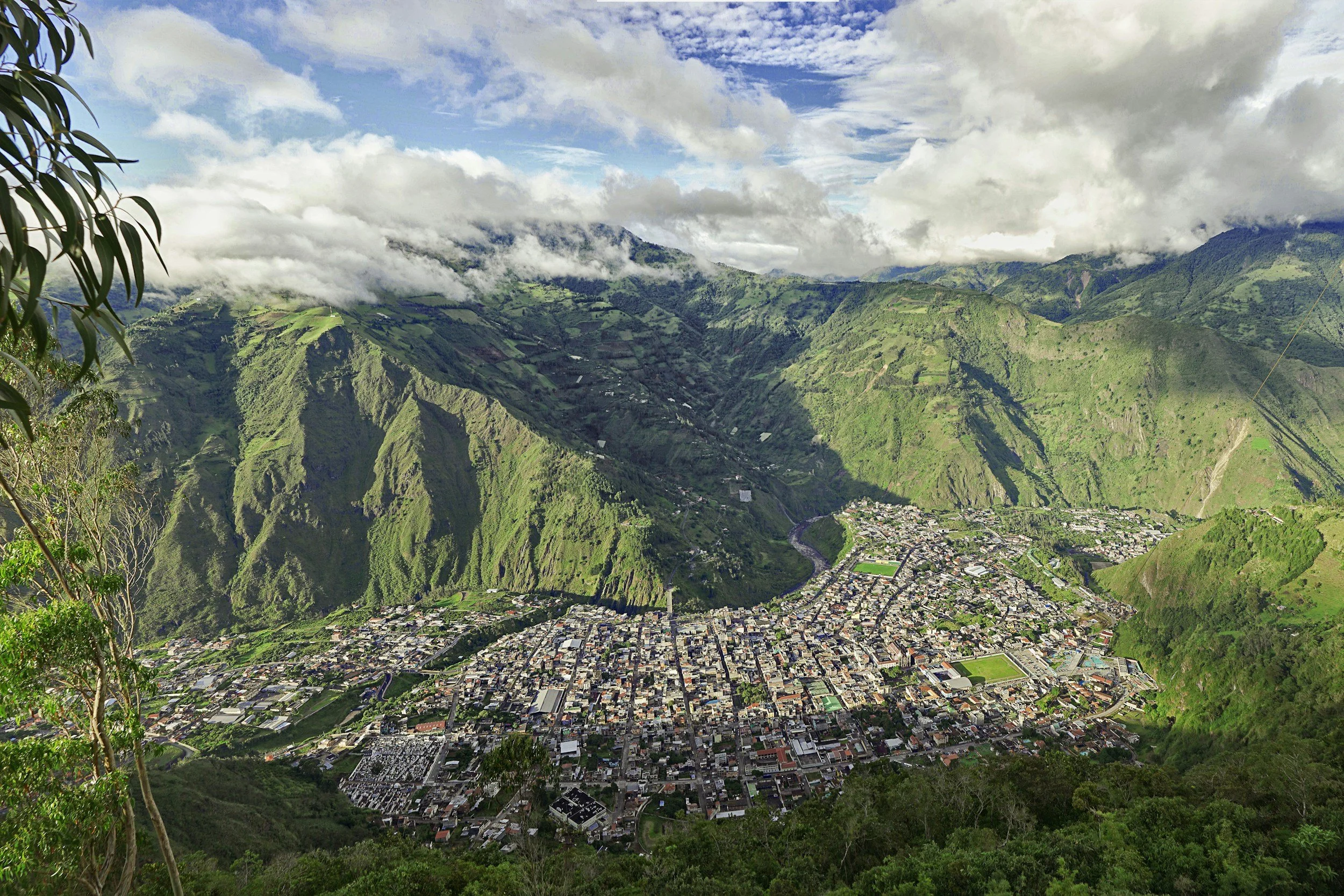
6) Baños
Banos is a small ‘city’ in central Ecuador, with a living population of around 25,000 people. The unique part of the city is that it’s an extremely lush town which sits at the base of the Tungurahua volcano. This Volcano has been flowing hot lava since 1999, consistently. The town is often called the ‘gateway to the Amazon’ due to it’s convenient location for tourists.
Things to do:
Banos is a perfect place for adventure activites, such as zip-lining, rafting, canyoning, or mountain biking, to name a few. Perhaps the best thing to do is visit and swim in the natural hot spring, the best one being at Termas el Salado. Make sure to explore the town too, a landmark to visit inside is ‘Church of the Virgin of the Holy Water.’
How to get there:
You can take a pretty scenic bus from Quito to Banos. If you find yourself in Latacunga, you can bus to Ambato, than to Banos after that.
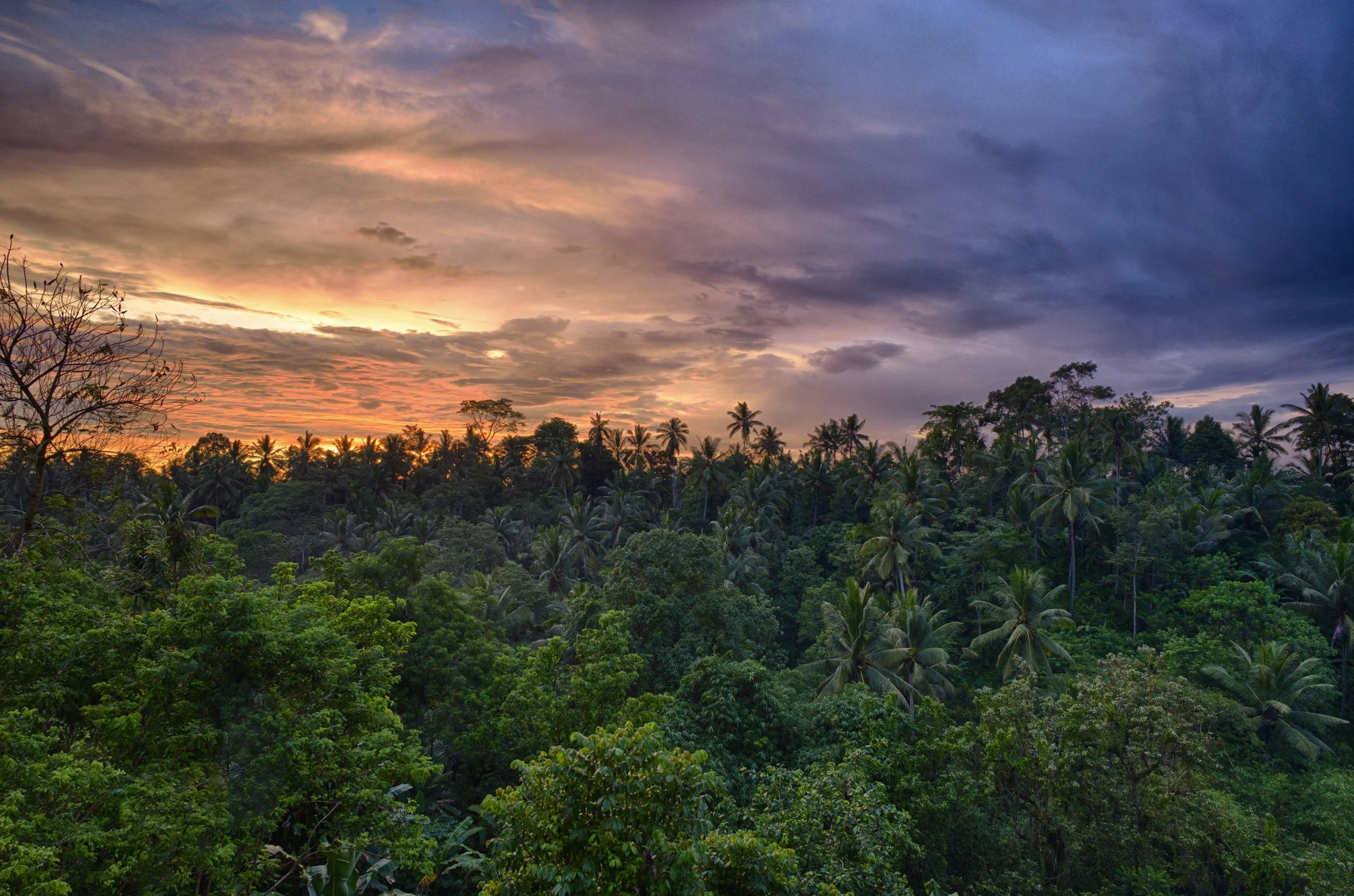
7) The Amazon Rainforest
Ecuador contains about 2% of the Amazon Rainforest. Whilst that doesn’t seem like a lot, its actually almost 50% of Ecuador’s land. The Ecuadorian Amazon is filled with wildlife and vigorous vegetation. You need to find yourself a jungle lodge to be your home base, and plan accordingly. You have a range of selection for lodges you can research and find which one is best for you.
Things to do:
Walk through the jungle, see monkeys, parrots, toucans and more. Canoe or Kayak through the river with a tour guide, and find options to do things like rafting or zip-lining. Just take in the fact that you are literally in the Amazon Rainforest.
How to get there:
One option - maybe the best (my recommendation) - would be to fly OR bus from Quito to Nueva Loja in Lago Agrio Canton.
From there, its best to get a guided transfer into the forest, it’s usually done by boat.
8) Otavalo
Otavalo is a market town located north of Quito with a population of nearly 50,000 people. While it’s surrounded by mountains and has great nature spots nearby and inside the town, it’s known for its handmade crafts made by the local communities, which are sold in traditional markets. The town itself has a nice lively vibe and is perfect for travelers who find themselves in or around Quito already.
Things to do:
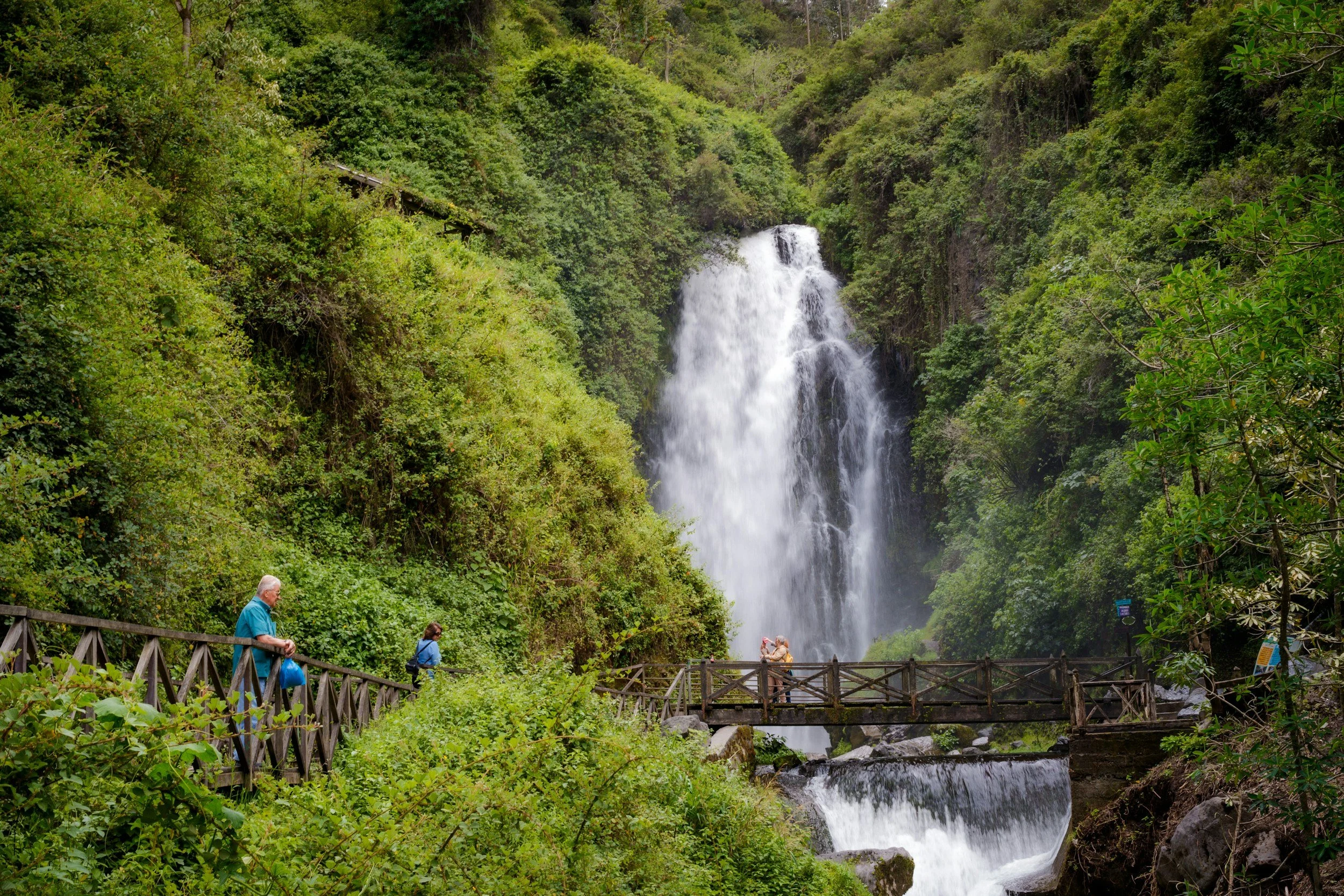
As mentioned, visit the markets. Plaza de los Ponchos is the biggest one, and it get’s extremely lively on Saturdays. Cascadas de Peguche is right by the town, and is a sacred waterfall for the indigenous community. The waterfall is pretty close to the park entrance. Also close by, you can hike Imbabura Summit. It’s only 45 minutes from Otavalo to the start, but the hike is somewhat challenging. Access from the village of La Esperanza.
How to get there:
Easily bus from Quito to Otavalo, buses run every day.