The Best Places to Visit in Denmark
Denmark is a small(ish), prosperous Scandinavian country in Northern Europe and is home to over 400 islands. It sits on a peninsula off of the northern border of Germany, surrounded by the North and Baltic Seas. It is known to be a very flat country, with the highest point being only 170 meters high. Denmark is often ranked near the top of lists when it comes to things like world happiness levels, or safety indexes. It has excellent education and general welfare, and is a high performing country. Whilst the Kingdom of Denmark expands out to the Faroe Islands and Greenland, this guide is only focused on mainland Denmark, and it’s beautiful cities and culture.
Capital: Copenhagen
Currency: Danish Krone
Language: Danish
When to visit: June to August
1) Copenhagen
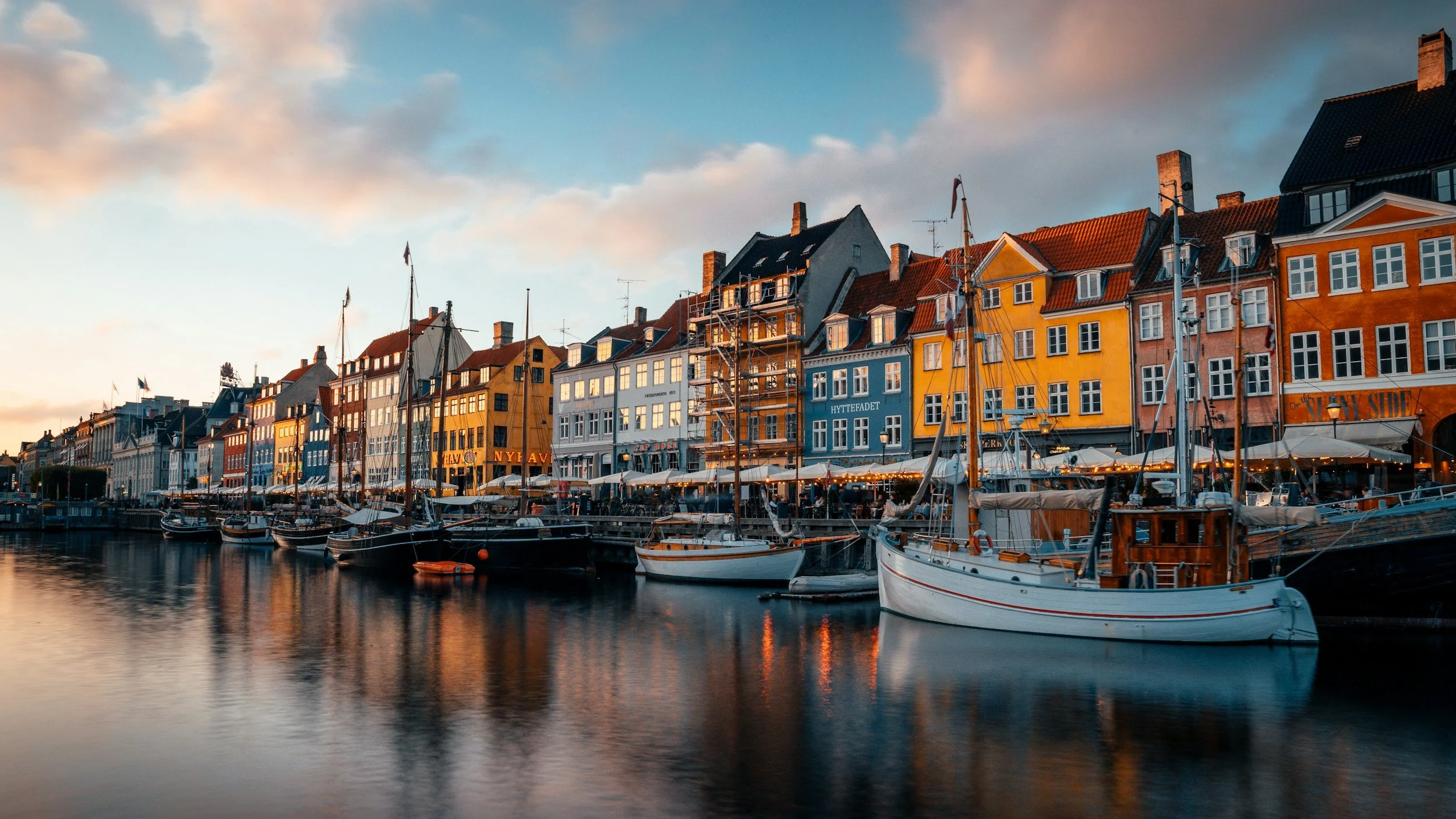
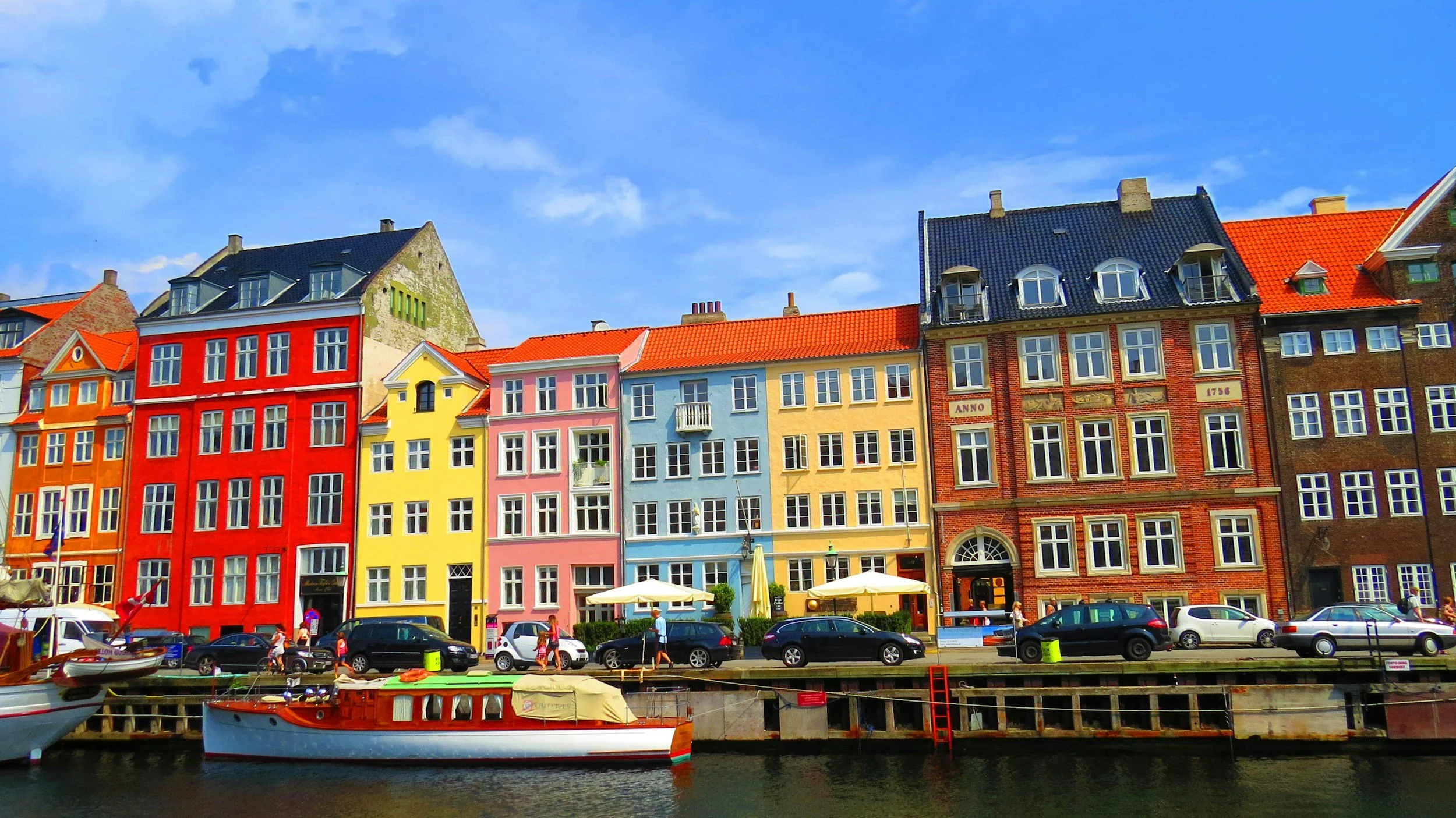
Copenhagen is the capital and largest city of Denmark, located on the eastern coast, right across the Øresund strait from Sweden (connected by bridge). The city was founded as a Viking fishing village in the 10th century, and is now one of Northern Europe’s most popular city breaks and tourist hotspots. It’s world famous for it’s progressive design and quality of life (plus its beautifully colored buildings). Cycling is very popular here in Copenhagen, so you’ll see that a lot around the city. Overall, it feels like a creative city with great Danish vibes.
Things to do:
Start in the city’s historic center, and head to Nyhavn Harbor. This is the iconic canal you see on all the photos and postcards. There is a couple palaces in this part of the city for you to see - Amalienborg Palace (The Queen’s Residence), and Christiansborg Palace, the Danish Parliament Building. You can also walk down Strøget, one of Europe’s biggest pedestrian streets with literally everything. Walk over and check out Rosenborg Castle and the King’s Garden. The castle and its area is very cool. If you want to be super touristy, dont miss the Little Mermaid Statue as well as a canal boat tour opportunity.
How to get there:
Copenhagen Airport (CPH) is an international airport, flights come in from all around Europe and some of North America.
Domestically, you can take trains from all around Denmark. You can also take direct trains from neighbouring countries, like Germany (Hamburg) and Sweden (Malmo, Stockholm).
FlixBus also has many options from around Europe for cheaper.
2) Aarhus
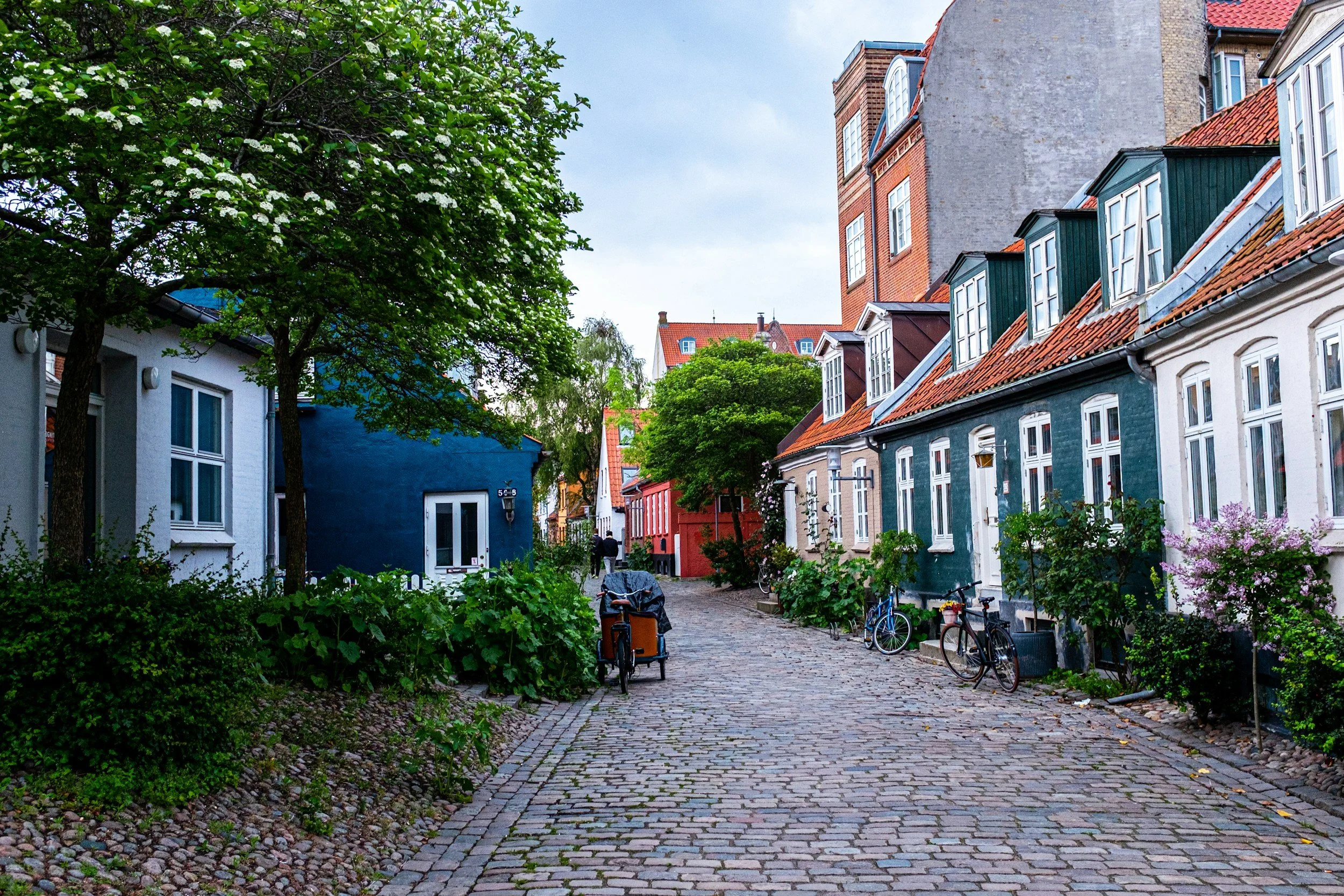
Aarhus is Denmark's second-largest city and the vibrant hub of the Jutland peninsula, located on the east coast. It’s commonly known as Denmark’s “biggest little town,” as it doesn’t have the feel of a major city, and instead feels compact with a nice atmosphere. It was historically a Viking settlement, just like Copenhagen, and has an iconic harbor and dock area on the coast.
Things to do:
The heart of the city is the Latin Quarter, where you’ll find the best sights like Aarhus Cathedral and the waterfront area. The old streets of the Latin Quarter are great to wander round as they’re filled with independent shops and cafes. You can also see the ARoS Aarhus Art Museum, which is famous for it’s 360 degree walkway on the roof, and is worth visiting. That’s not the only great museum in Aarhus, Den Gamle and Moesgaard Museum are also good choices offering different things. Lastly, you can visit the Aarhus Øje, a new attraction with a great view.
How to get there:
Trains to Aarhus run all the time from Copenhagen, and occasionally from Hamburg.
Otherwise, FlixBus has routes from all around the region.
3) Møns Klint
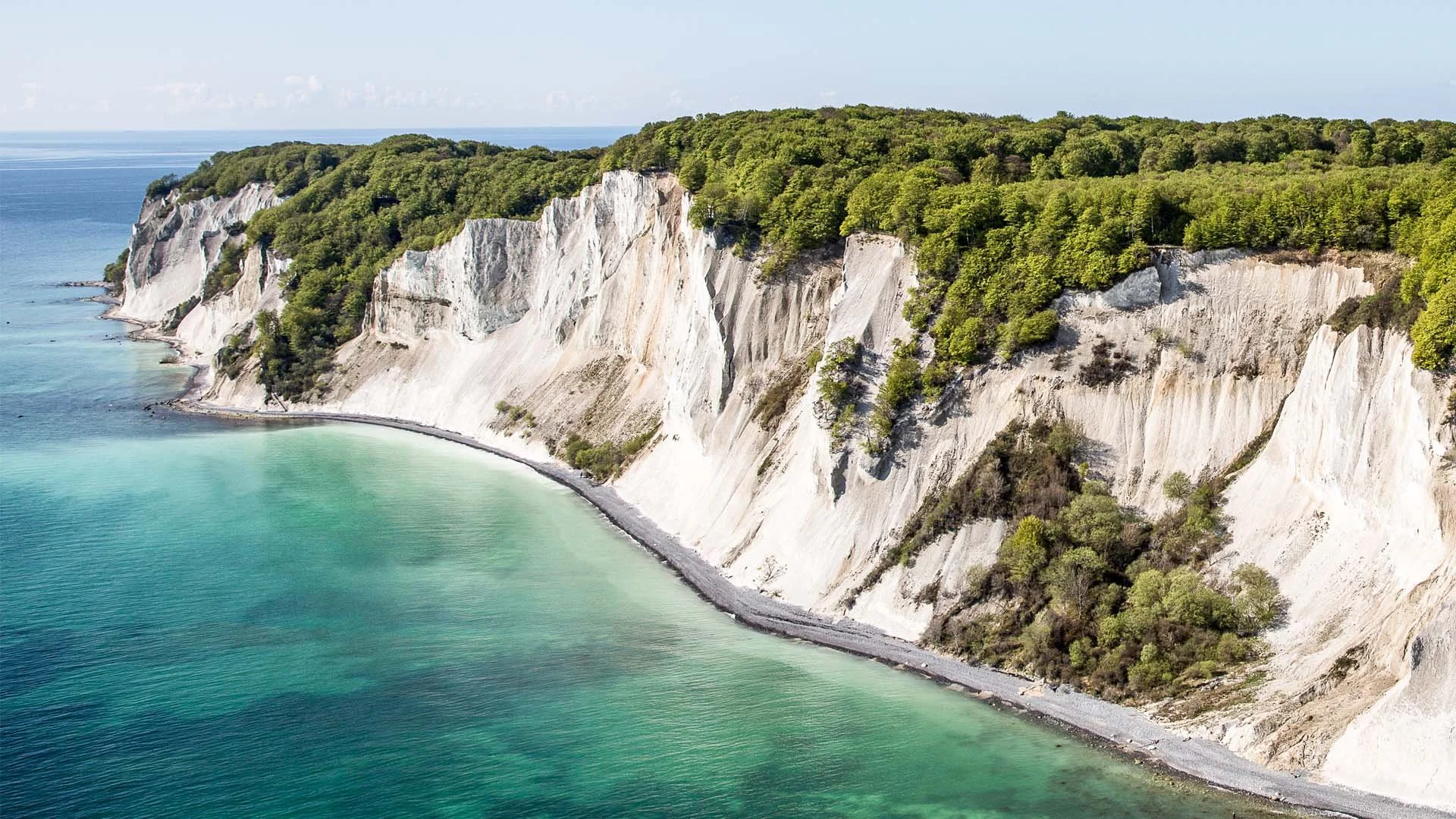
Møns Klint is one of Denmark's most spectacular natural landmarks. It’s a dramatic 6 km stretch of towering white chalk cliffs on the Danish coastline, and has some amazing views. The cliffs are made of limestone and chalk deposits formed 70 million years ago in a tropical sea back when Denmark was underwater. It’s a popular destination for nature lovers and photographers.
Where is it:
Møns Klint is located on the eastern coast of the island of Møn in the Zealandia region, about 2 hours south from Copenhagen. The cliffs face the Baltic Sea, and the area is pretty remote.
How to get there:
Without a car, it’s hard to get here. You can find day tours on places like GetYourGuide, for example.
4) Skagen
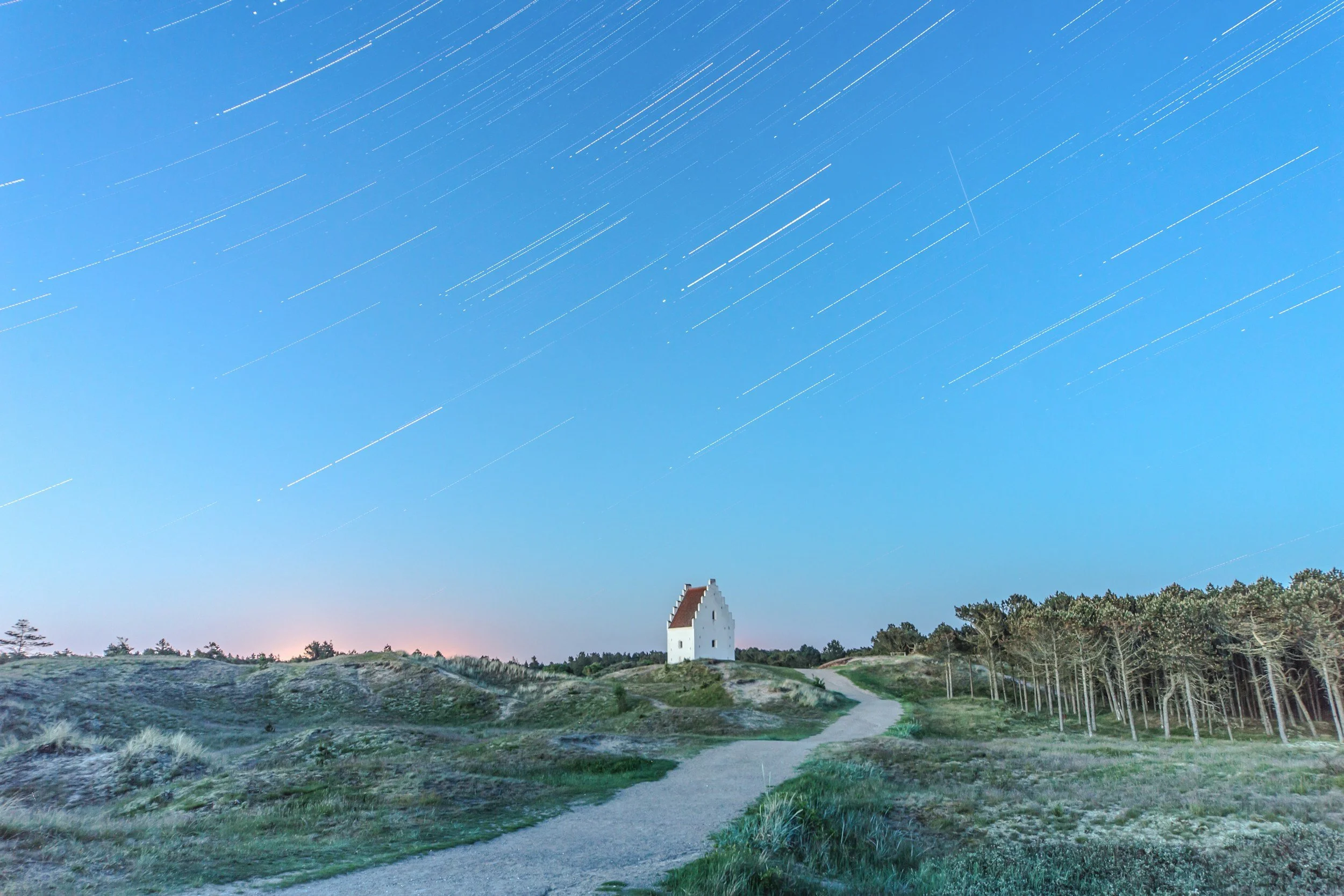
Skagen is Denmark's northernmost town, located at the very tip of the Skagen Odde peninsula where the North Sea meets the Baltic Sea. Only about 8,000 people live here permanently, but its white sandy beaches and dunes attract a lot of tourists. It become a significant place for painters in the 19th century, who were drawn to its exceptional natural light and the landscapes in general. It is a beautiful spot for sure.
Things to do:
Walk all the way to the end of the peninsula and check out Grenen, Denmark’s northernmost location. There you’ll see the place where two seas meet. Elsewhere, is Skagen Lighthouse, a place with great views down below too. Back on topic with the painters, you can visit Anchers Hus and Krøyers Hus - the two preserved homes of the two of the most famous Skagen painters. You can get information on everything in Skagen Museum. Lastly, you can check out the Råbjerg Mile and its watchpoint. It is Denmark’s biggest sand dune.
How to get there:
It’s quite easy to get to Skagen. You can take a train from Aalborg Station to Skagen, and Aalborg is well connected (usually via Aarhus).
5) Odense
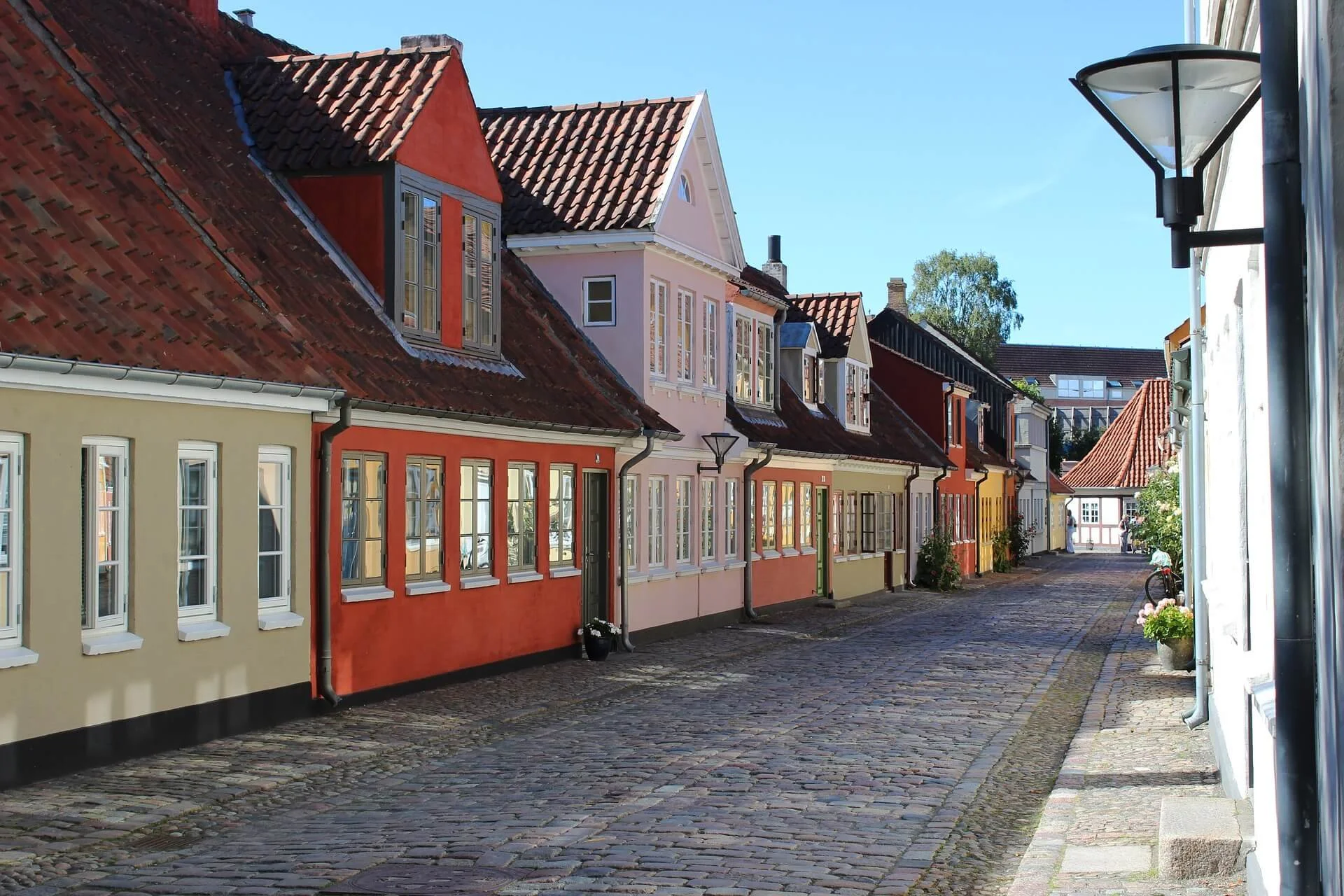
Odense is the third-largest city in Denmark and the largest on the island of Fyn, the circular shaped island in the middle of the country. The history of Odense dates back to 1000 AD, and is filled with charming fairytale like streets you can walk down and appreciate. It is known more globally as the birthplace of Hans Christian Andersen, Denmark’s most famous author who write iconic pieces like The Little Mermaid and The Ugly Duckling. You can see celebrations of his heritage all around the city as you explore.
Things to do:
In the center of Odense, you will find stunning pieces of architecture, the most significant being St. Canute’s Cathedral. You can climb it for views from the top. Back to Hans Christian Andersen, you can visit his Childhood Home, the little yellow house where he grew up. It’s now a museum dedicated to his early life. The Hans Christian Andersen Museum is the more modern museum with a lovely design and interactive exhibits. Around the city there is always a place for you to walk, whether it’s through the charming streets or along the riverside.
How to get there:
You can take a train from both sides of Denmark directly (Copenhagen or Aarhus), and trains my run from Hamburg, likely with a change.
Check FlixBus routes, as they operate all around Denmark.
6) Bornholm
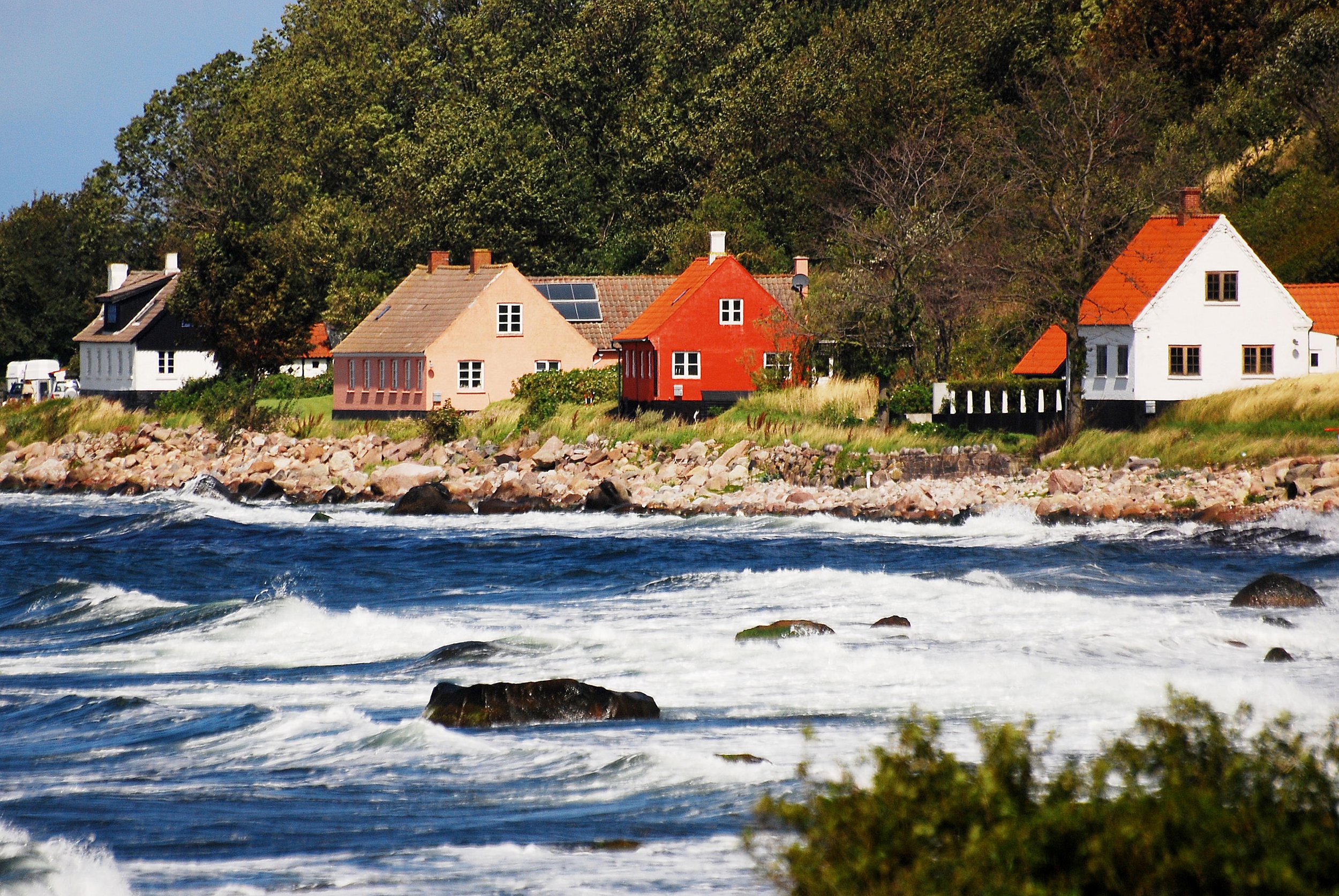
Bornholm is a small, Danish island located very far east of Denmark’s mainland area inside the Baltic Sea. It's often called Denmark's "Sunshine Island" because it enjoys more hours of sunshine than anywhere else in the country. Geographically, it’s closer to Sweden and Poland than Denmark. It’s a popular Scandinavian island getaway destination, thanks to the big sandy beaches and rocky coastline (not to repeat the amount of sun the island gets). While it’s complicated to get to, it’s worth a mention as it’s a great spot.
Things to do:
The main town is called Rønne, which you can walk round and check out, it’s located on the west coast. Up to the islands north you’ll find Hammershus Castle Ruins, massive medieval fortress ruins overlooking the sea. As we continue around the island, the little fishing town of Gudhjem is in the northeast too. Lastly, down south is Dueodde Beach, the best white sand beach on the island. A common way to explore Bornholm in full is to cycle round the whole island.
How to get there:
Bornholm Airport (RNN) has domestic flights from Copenhagen and is a common gateway into the island.
However, many take a ferry from Ystad in Sweden, they run pretty frequently.