The Best Places to Visit in Czechia
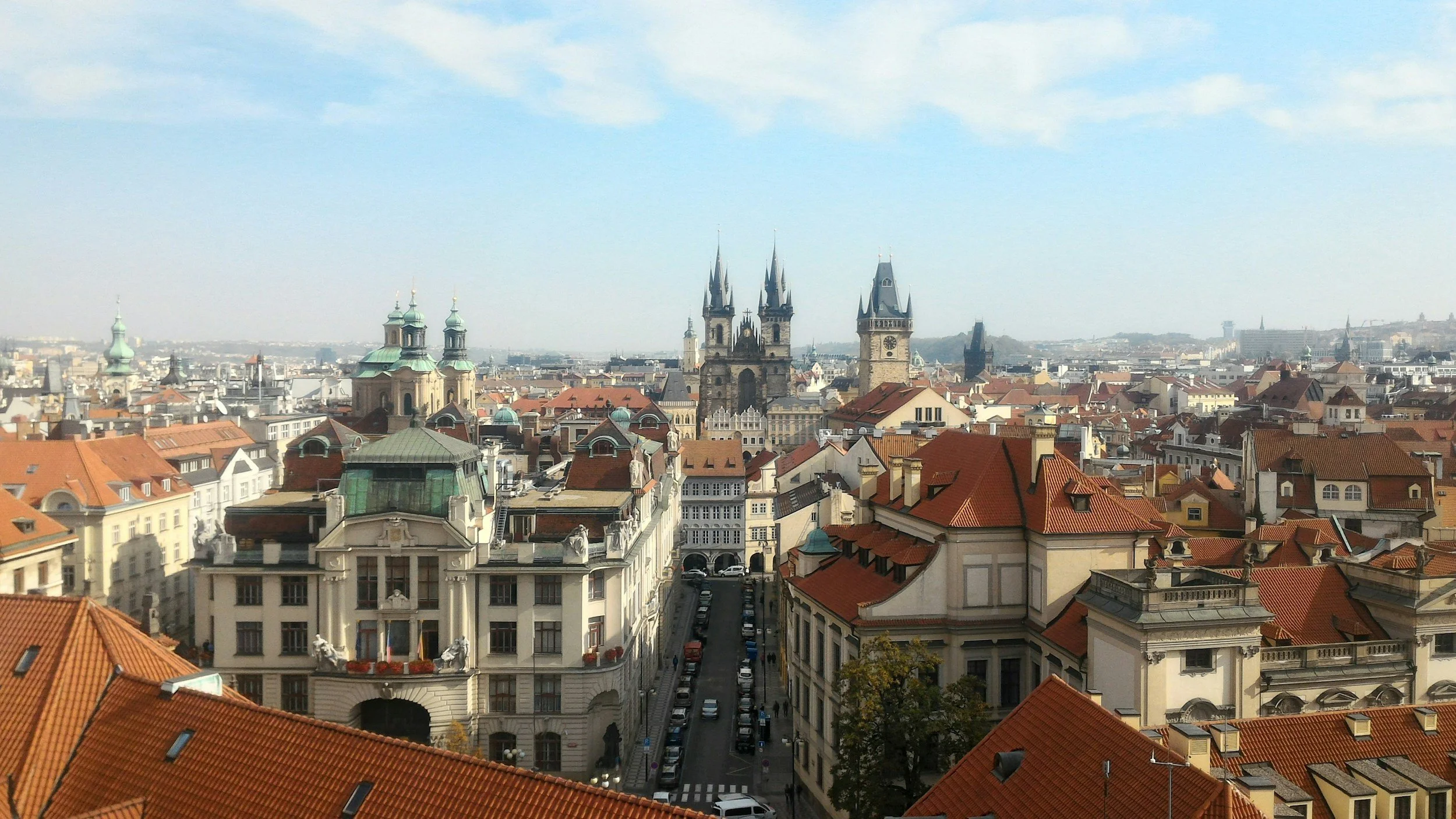
Czechia (Czech Republic) is a landlocked country in Central Europe, known for its well-preserved historic cities (especially Prague), beer culture, castles, and of course the stunning medieval architecture. Nearly 11 million people call Czechia home, and the country sits next to Germany, Poland, Slovakia, and Austria. Historically, the country was a part of Czechoslovakia post-WWI, but split peacefully into two in 1993. Czechia is a country for those who have a strong appreciation for the cities, history and culture. It’s not an overly expensive country (Prague being an exception), and in some places beer is cheaper than water. Most only come for the capital, which is amazing, but there is more to explore amongst the rest of the country.
Capital: Prague
Currency: Czech Koruna
Language: Czech
When to visit: May to December
1) Prague
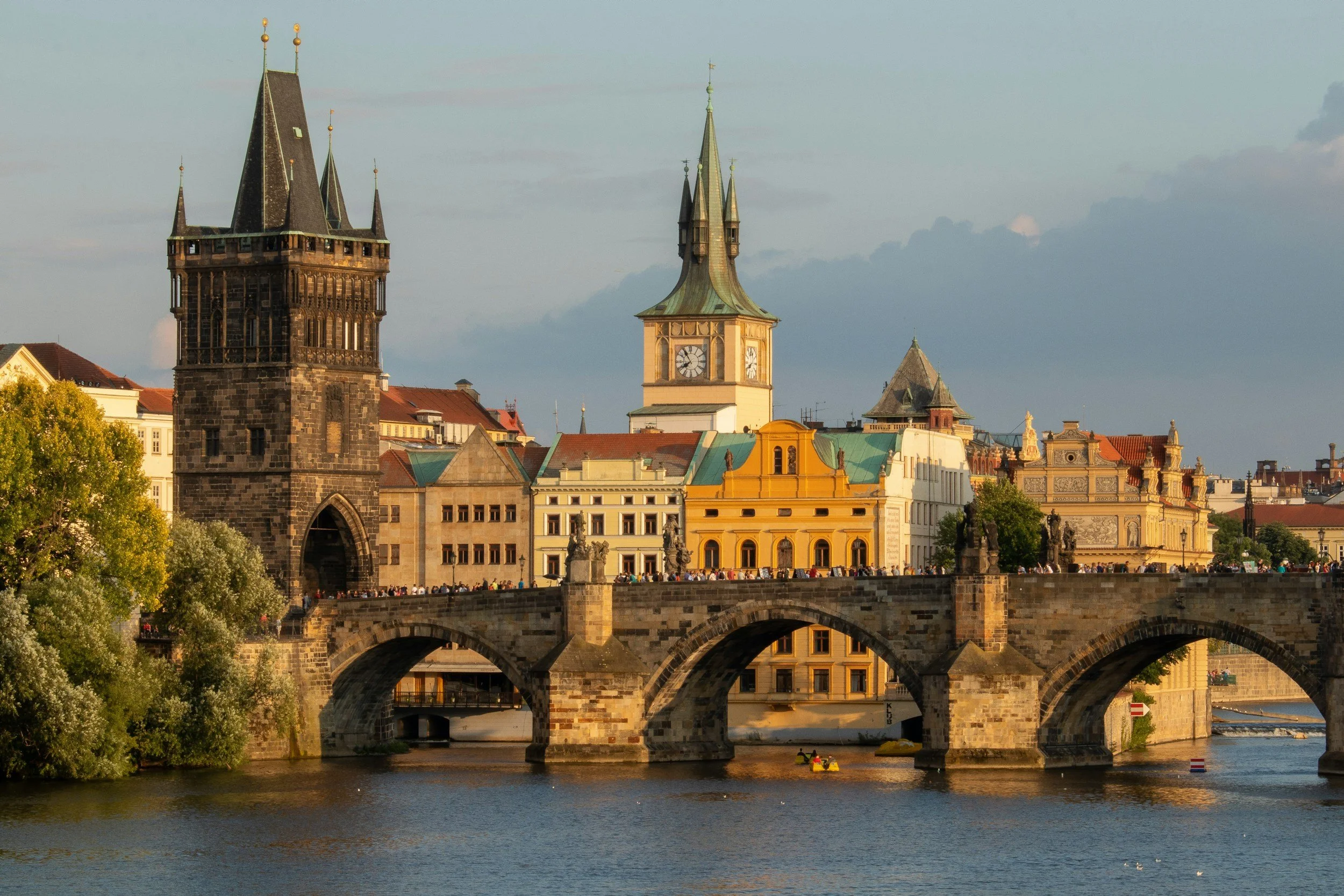
Prague is the Czech capital and by far the biggest and most visited city in the country, attracting an estimate of over 8 million tourists every year. It's often called the "City of a Hundred Spires" for its skyline of church towers and domes. Geographically, Prague sits in the western part of Czechia on the Vltava River. The long rich history of Prague dates back to the 9th century, and it does feel like walking through a fairy tale. It’s an impressive place to visit and one of the best cities in Europe full stop.
Things to do:
Prague is a huge city, so you’d better spend a lot of time here to get through everything. Starting in the Old Town, theres a lot to see in this very busy part of the city; The Astronomical Clock, The Powder Tower, the Old Town Square, Church of Our Lady before Týn, St. Nicholas Church, and more. Cross over Charles Bridge and walk to Prague Castle. It’s a beautiful place with great views over the city. For even higher views of the city, you can hike or funicular up Petřín Hill and head up the Petrin Lookout Tower. Further down the river bank is Vyšehrad, a historic fortified castle with beautiful architecture and a museum inside, definitely worth checking out. It’s all pretty walkable around the center, so take your time exploring. Some other places people like to see are the Dancing House, and the Floating Head of Franz Kafka, iconic Czech writer (both architectural pieces). If you like, end your day relaxing at Letná Park, the best park in the city overlooking the river.
How to get there:
Václav Havel Airport Prague (PRG) is the go-to for international arrivals, and has frequent flights from all over Europe, and more.
You can take direct trains from other major European cities in the area, such as Berlin, Vienna, Dresden, etc).
FlixBus has a large array of options from so many destinations in Europe for cheaper, too.
2) Český Krumlov
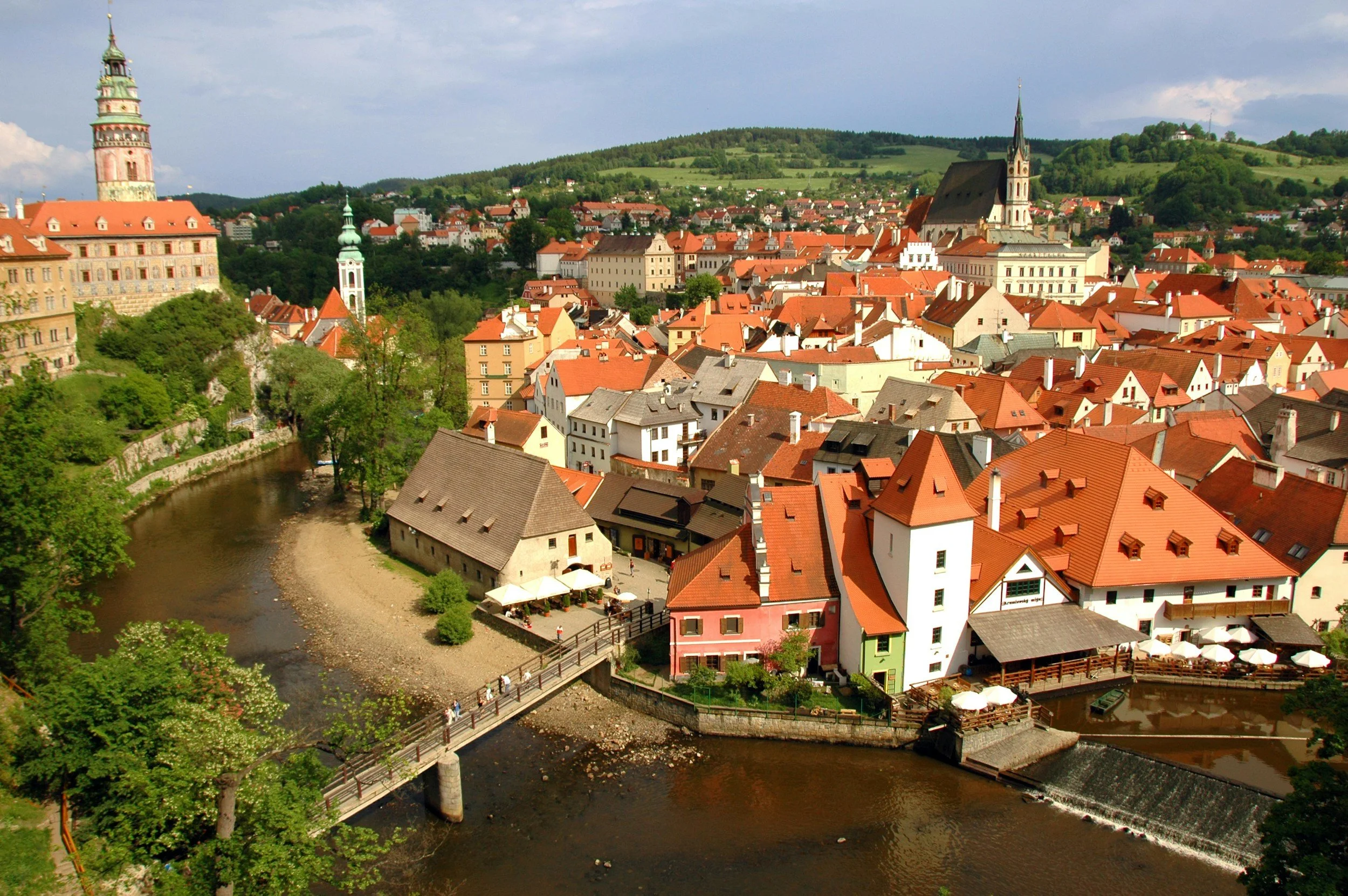
Český Krumlov is a small, historic town in southern Bohemia and is one of the more visited spots in Czechia outside of Prague. It’s famous for its fairy-tale medieval center, massive castle complex, and the way the Vltava River loops around it in a dramatic bend (which is where the name "Krumlov" comes from, meaning something like "crooked meadow" in old German). Only about 13,000 people live here, but it’s still a very historic place with somewhat busy streets and a beautiful atmosphere.
Things to do:
Walk through the historic streets of the Latrán district, it’s got colorful, car-free streets for you to explore. Cross over the little bridge and check out the area surrounding Svornosti Square and Church of St. Vitus. Now onto the castle, Český Krumlov Castle. It’s the 2nd most visited castle in Czechia after Prague Castle, dating back all the way to 1253. The whole surrounding area is very impressive and beautiful, so have a good walk around. Besides the view from the Castle Tower, the other best viewpoint is probably from Seminarni zahrada - so get your photos there and enjoy the rest of the town.
How to get there:
The most convenient and frequent way is to take a bus from Prague, which is easy.
3) Brno
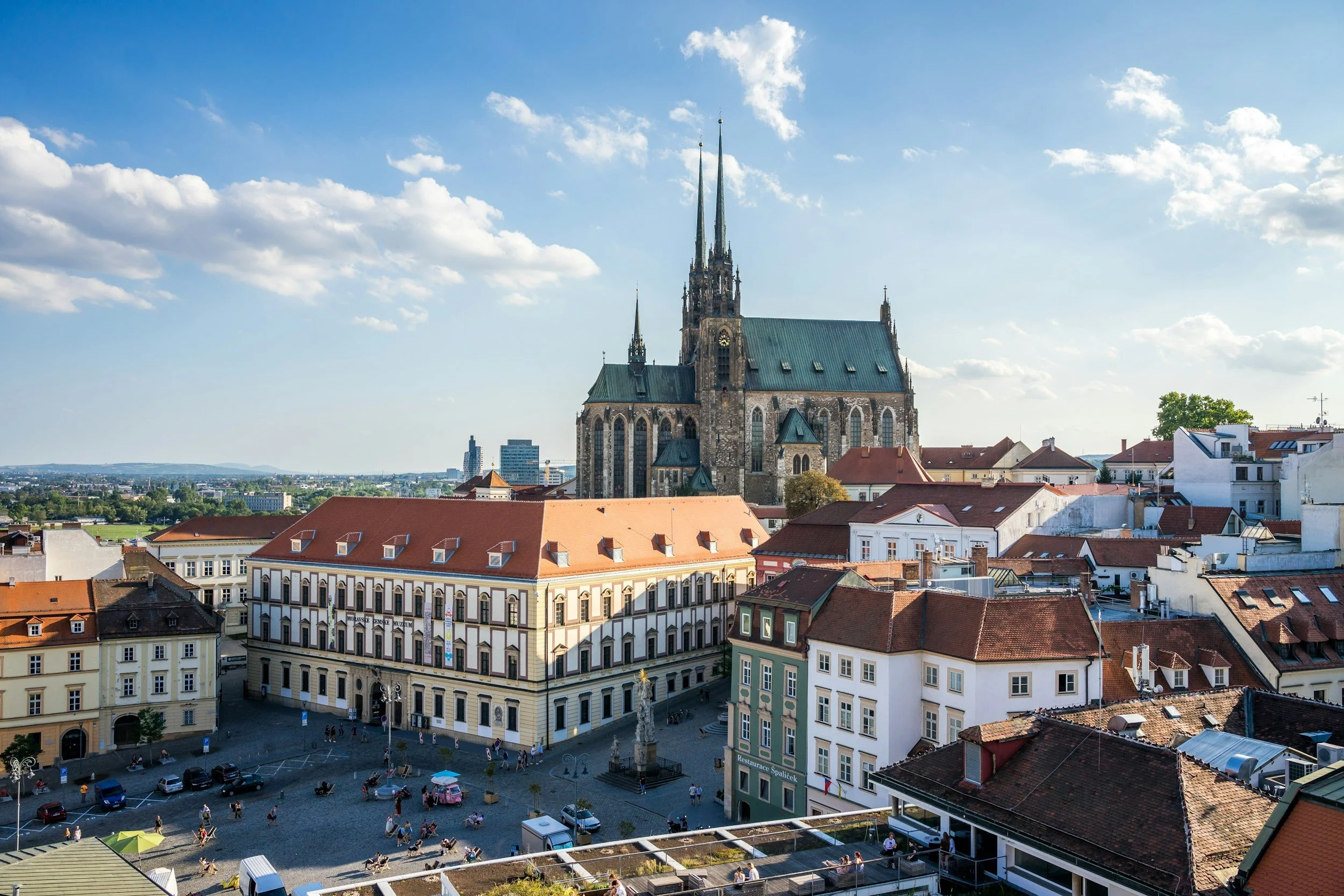
Brno is the second-largest city in Czechia, and the biggest in the historic region of Moravia in the southeast. It’s basically just seen by most as the ‘second city’ of Czechia, and is often overlooked by travelers heading straight to Prague. It’s pretty close to Slovakia and Austria, and over 400,000 people live inside the city. It has a much more authentic and innovative vibe to it when compared to Prague, which is where the appeal comes from. It’s still pretty lively and welcoming, and has great beer.
Things to do:
In the historic heart of the city, we have the big standout Cathedral of St. Peter and Paul, which you can climb to the top of and get great views over the center. You should spend some more time walking around the Old Town, around areas near the Parnas Fountain, and the Brno Astronomical Clock (not quite the one in Prague). You may be able to see Špilberk Castle up on the hill as well. Here, you can wander the courtyards and parks, as well as see views down below. You cant miss this if you’re in Brno. Lastly, you could check out Villa Tugendhat, it’s an iconic modernist house which served as one of the pioneers for present-day architectural styles in building.
How to get there:
You can easily train from Prague, and Vienna too possibly.
Otherwise, there is so many easy bus routes from around Europe to Brno.
4) Kutná Hora
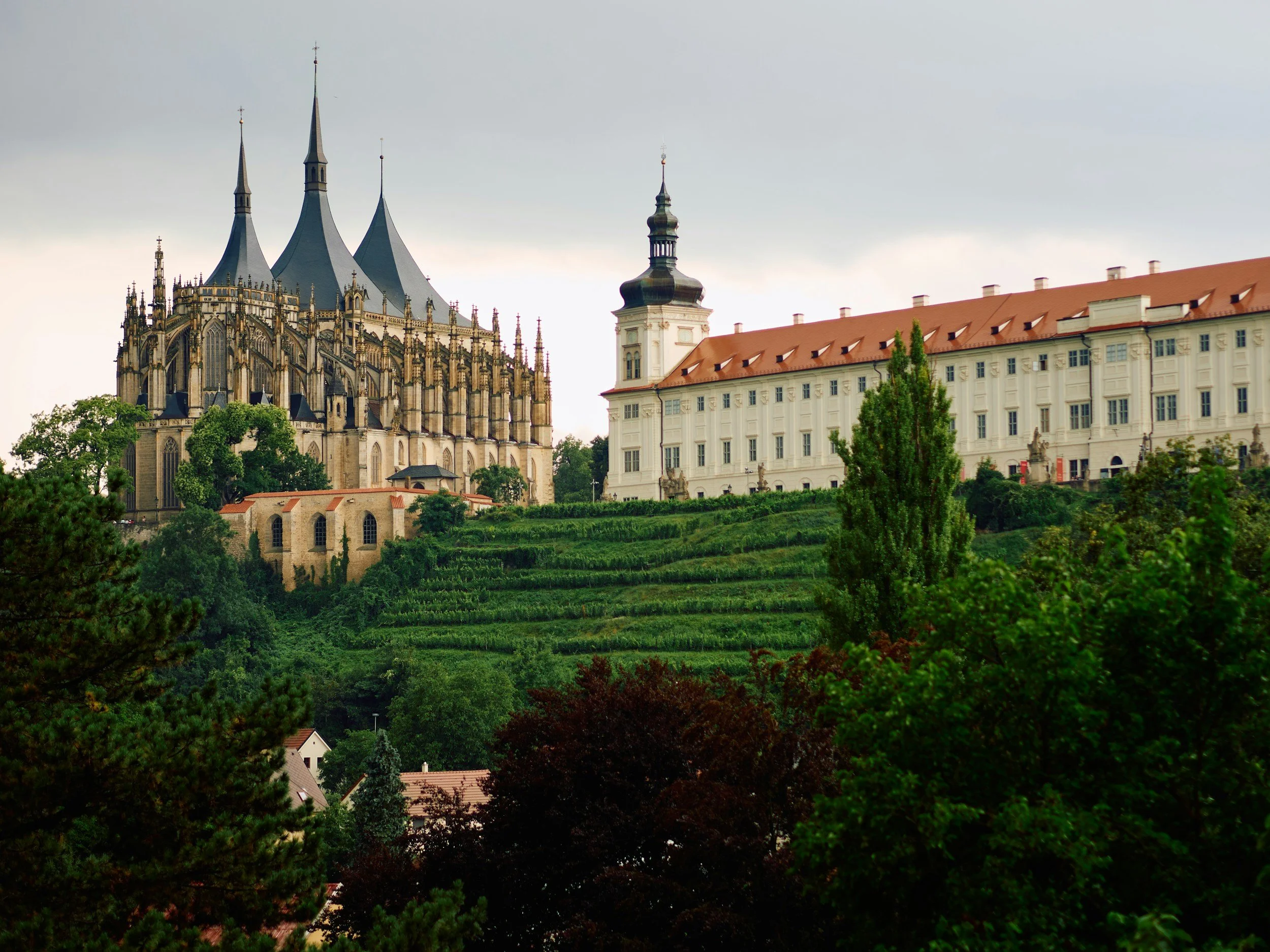
Kutná Hora is yet another one of Czechia’s historic towns, and is pretty close to Prague allowing it to be done as a day trip for those with extra time. known for its medieval silver-mining heritage, and the UNESCO World Heritage status, earned thanks to it’s amazing neo-gothic architecture. It’s a small town with about 21,000 residents, so if you ever get tired of the crowds then head here for a day and explore it’s wide range of churches and cathedrals.
Things to do:
The masterpiece of the city is the Cathedral of St. Barbara, the elevated cathedral with incredible high rising spires and a beautifully crafted interior. It’s right by Jesuit College, so the mix of the two buildings completes the look. Head down from the cathedral and wander the beautiful old cobbled streets, making sure you pass through Vlašský dvůr, the Italian Court. This part ties directly to the town's silver-mining wealth. A bit further out is Sedlec Ossuary, an eerie chapel decorated with real human bones, and over 50,000 of them at that. Right by this is also Cathedral of the Assumption of Our Lady and St. John the Baptist, so you have a lot to explore around the areas of Kutna Hora.
How to get there:
You can easily train from Prague to Kutna Hora direct, every day.
5) Kroměříž
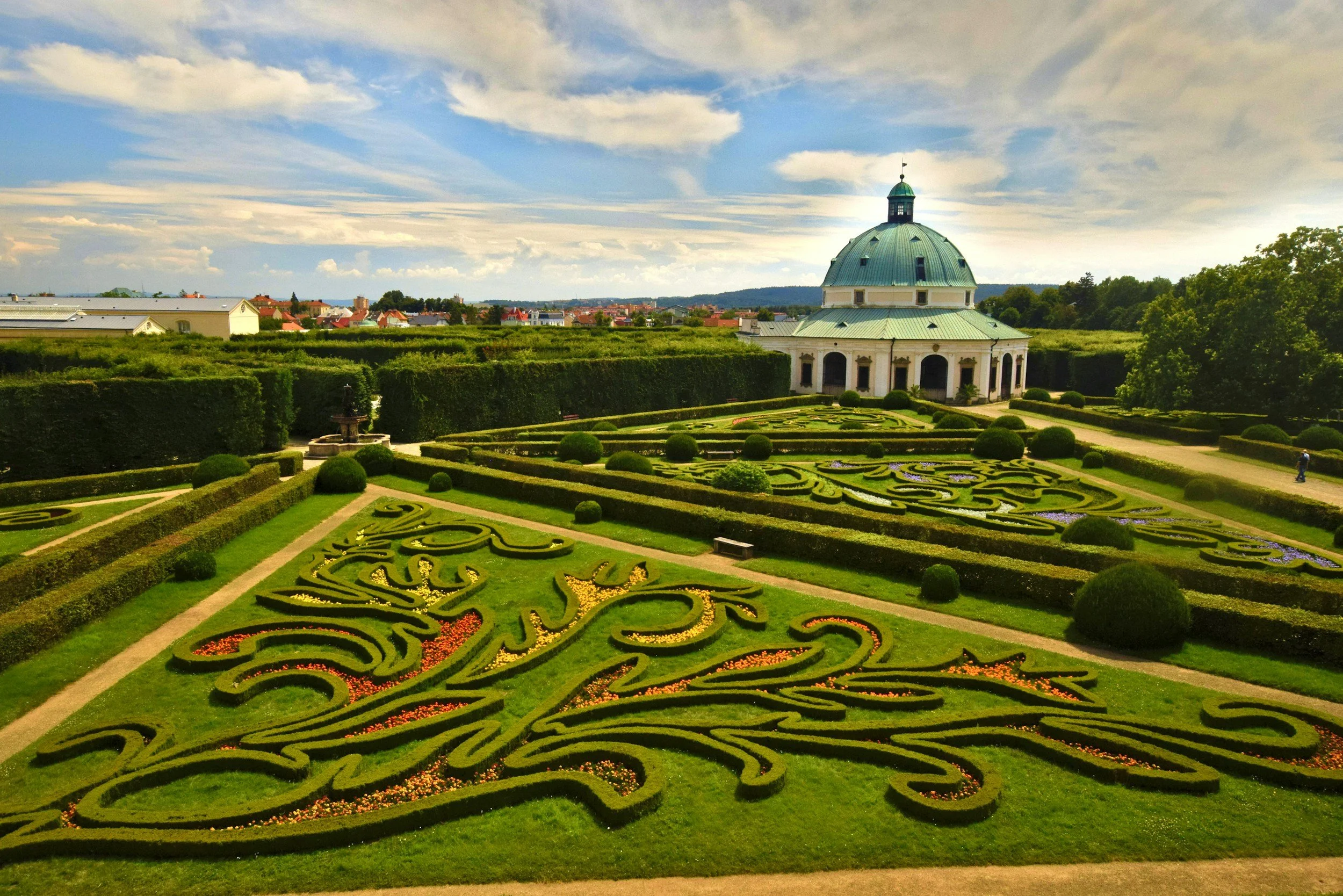
Kroměříž is the final historic town of Czechia I’ll mention, and it’s famous for it’s beautiful, serene UNESCO World Heritage Site. It’s got a way more elegant and relaxed vibe than everywhere else on the list, and is the best way to experience a peaceful, Moravian town out in the east of the country. It’s accesible from Brno and worth a stop, for sure.
Things to do:
The UNESCO draw of the town is Kroměříž Archbishop's Palace, a grand Baroque princely residence with opulent interiors and a big art collection. Stroll through the Main Square, and the nice streets on your walk there. Inside the castle area, you can take a tour exploring Archbishop's Wine Cellars, if you’re into wine tasting and things as such. Behind the Palace is the Chateau Garden - 64 hectares of English style landscapes, water features, statues and beautifully relaxing nature. However, the main spot in all the photos is the Flower Garden (Květná zahrada). It’s the 2nd UNESCO site, and is an incredible Baroque garden with geometric flower beds. This is really the must see in the city, it’s like a mini Versailles.
How to get there:
Kroměříž is an easy train away, direct from Brno.
Support the Site
If these guides have helped your travels, consider buying me a coffee ~ it helps keeps the content free!
buymeacoffee.com/roamingideas