The Best Places to Visit in Croatia
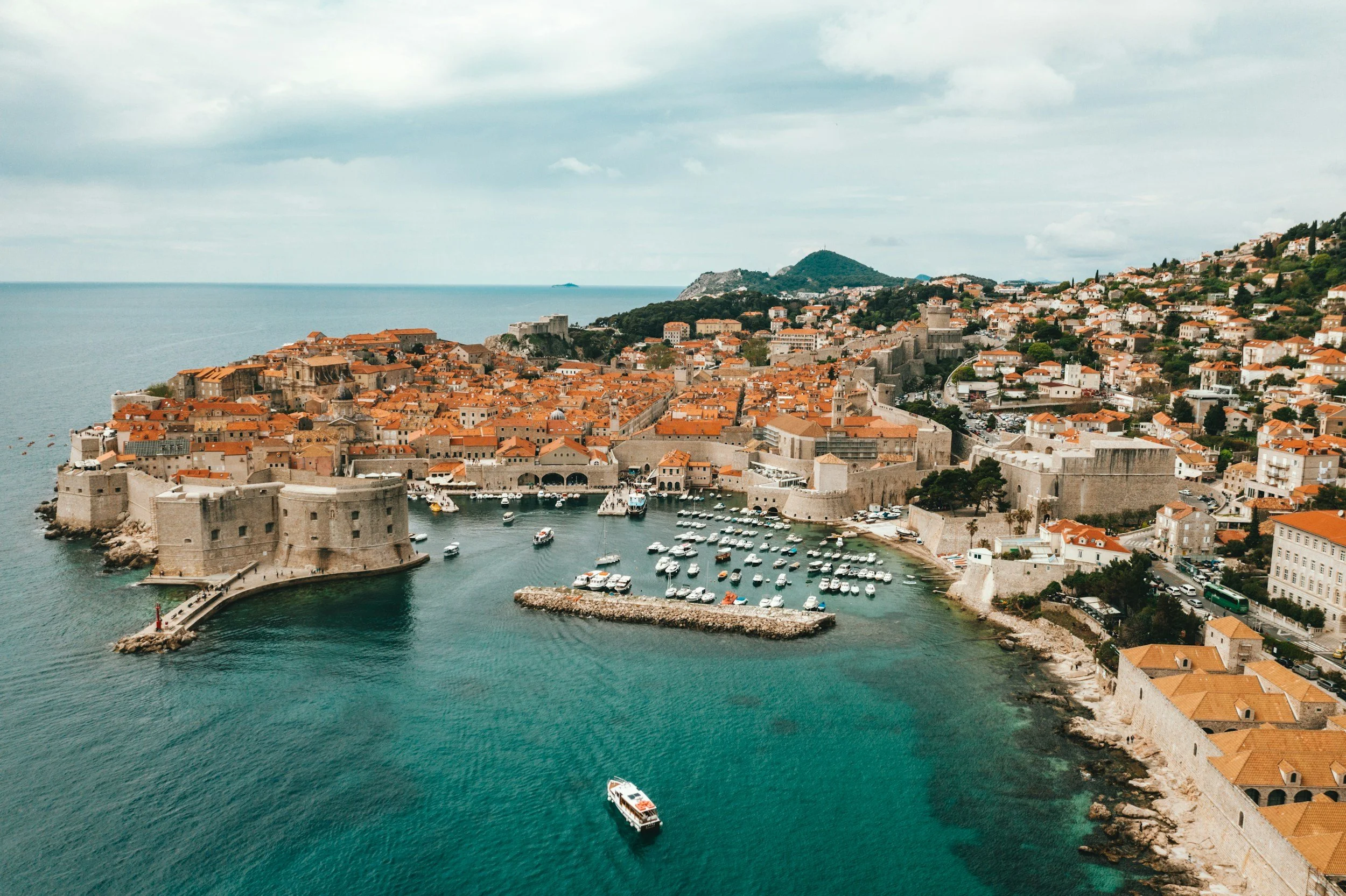
Croatia is a stunning country in Southeast Europe, along the Adriatic Sea, with a population of about 4 million people. It’s famous for its breathtaking coastline and picturesque town areas. Croatia has over 700 islands, and the Croatian archipelago is the largest amongst all others in the Adriatic Sea. The country has a rich history, influenced by Romans, Venetians, and Austro-Hungarians. This is reflected inside the walls of the medieval old towns and general architecture. Croatia, however, is not just all coastline. There are countless beautiful national parks and mountainous regions inland, making Croatia literally a dream destination with everything you could want in a country. (Pro tip: Skip Zagreb).
Capital: Zagreb
Currency: Euro
Language: Croatian
When to visit: May to September
1) Split
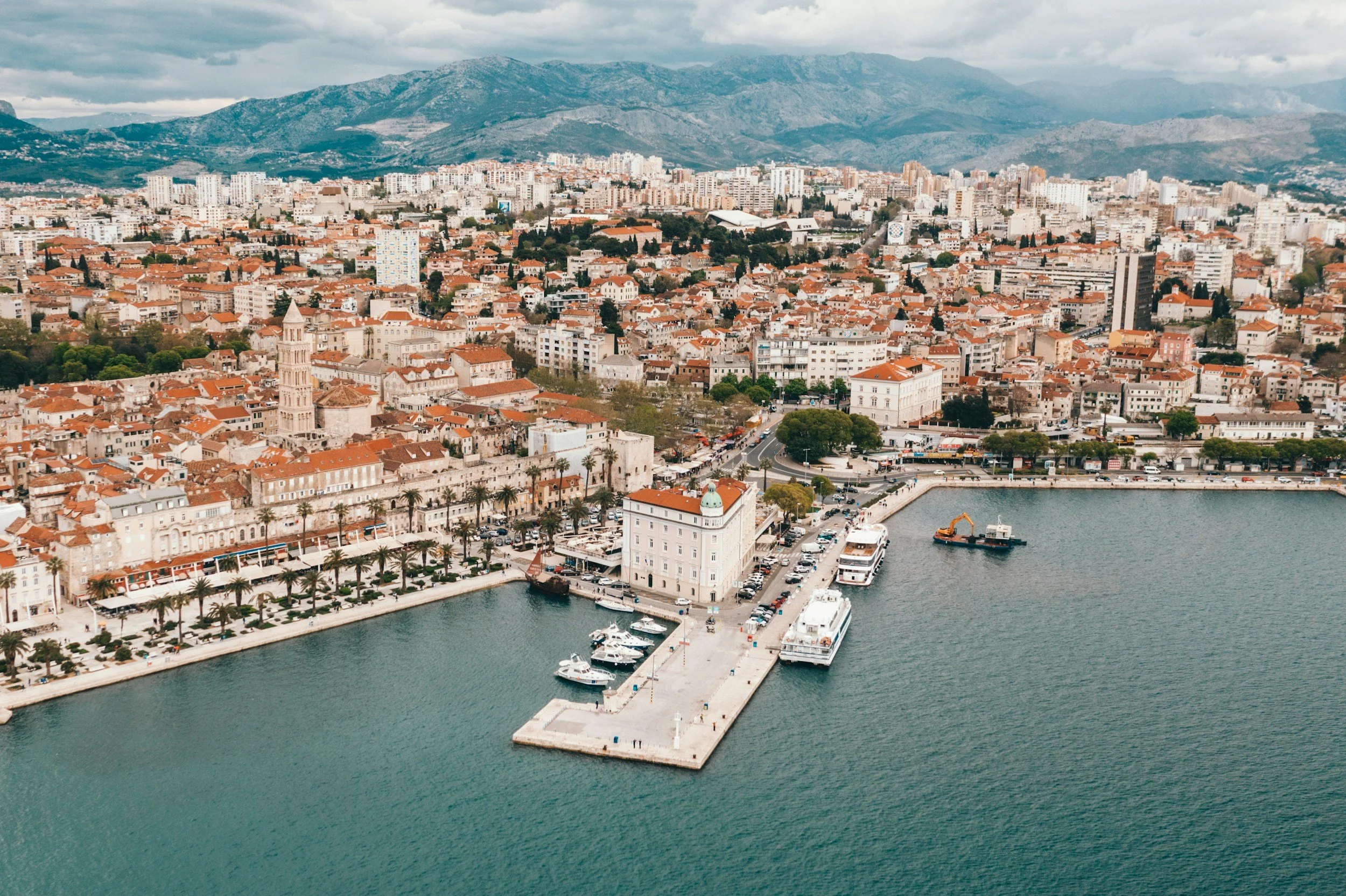
Split is a coastal city in southern Croatia, sitting on the eastern shore of the Adriatic Sea. It has a population of around 160,000 people, making it the second largest city in the country. Besides Dubrovnik, Split is Croatia’s main tourist hub. The old town is filled with travelers at night, making the city extremely lively and social during peak season. There are endless bars and clubs which is the reason for the big appeal to young travelers. Outside of this, the city itself is beautiful to its core with its ancient stone streets, Roman walls, and medieval buildings scattered about.
Things to do:
Walk through Diocletian’s Palace, and the Old Town. The streets are old and medieval, and you can even find Game of Thrones filming locations within the walls. My biggest recommendation in Split would be to walk up Marjan Hill. The views are incredible and there are quite a few amazing lookout spots and observation decks. Overall, the walk/hike is very peaceful. The city does come alive at night in the summer, so prepare for that too.
How to get there:
Split Airport (SPU) welcomes flights from countless major European Cities and is an easy way to get there from all around.
Within Croatia, you can take a scenic train from Zagreb.
Otherwise, you can take a bus from companies like FlixBus straight from mostly all Croatian cities (Zagreb, Zadar, Dubrovnik, Sibenik).
You can also easily take a bus from Mostar, in Bosnia and Herzegovina.
2) Dubrovnik
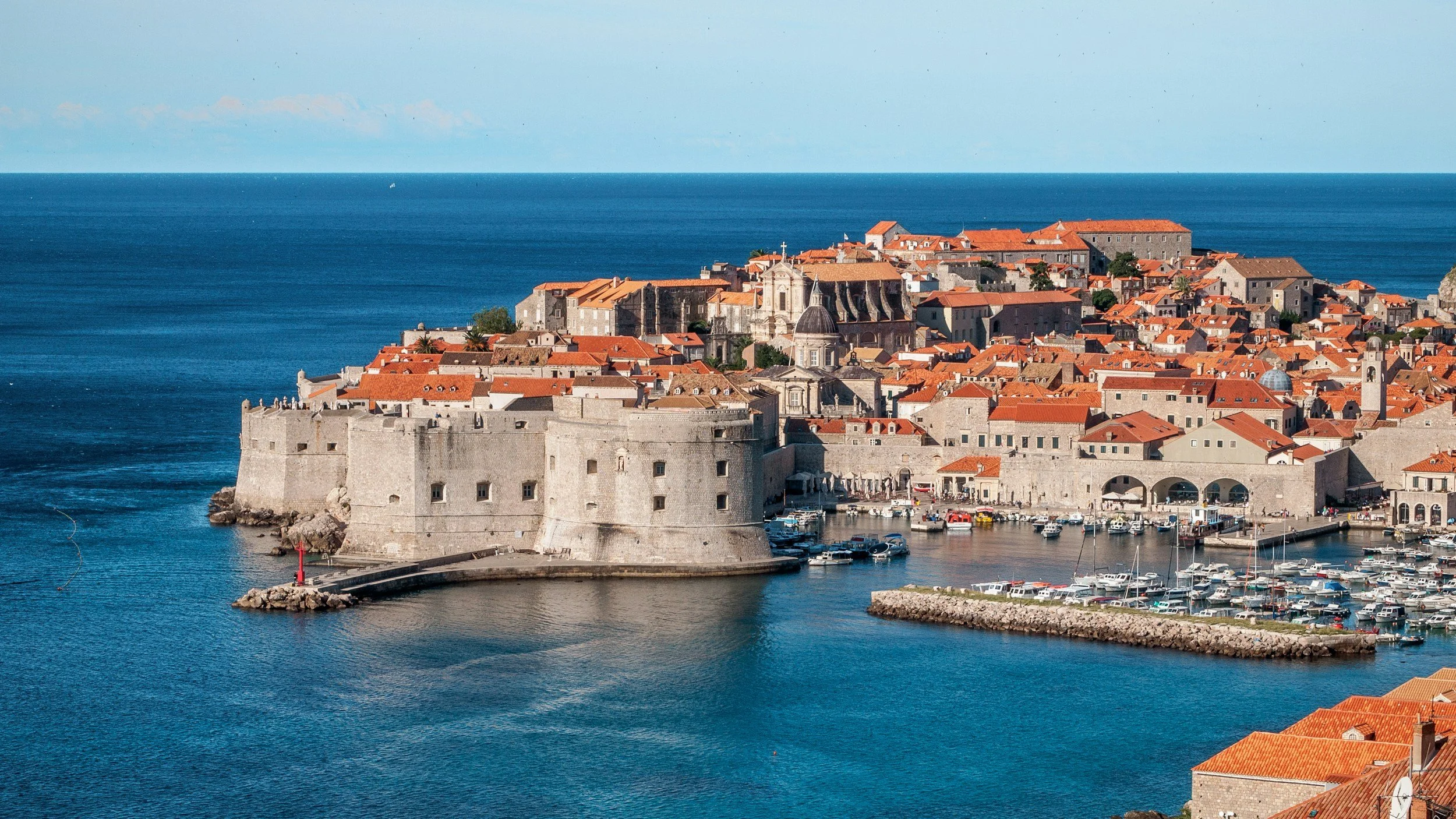
Dubrovnik is a historic coastal city in southern Croatia, right on the Adriatic Sea near the border with Montenegro. It has a population of around 40,000 people, but it feels much busier due to the number of visitors it attracts. The city is best known for its massive stone walls that completely surround the old town, giving it a very dramatic and well-preserved medieval appearance. It feels like a movie in Dubrovnik, which checks out because numerous significant Game of Thrones scenes were filmed here.
Things to do:
Dubrovnik is pretty small, so walk round the Old Town walls and check out its narrow cobbled paths and squares. As well as this, you should visit it Fort Lovrijenac and other hilltop fortresses around the city. For better views, take the cable car to Mount Srđ which overlooks the city.
How to get there:
Big cities in Europe fly to Dubrovnik Airport (DBV).
Dubrovnik is also connected to surrounding cities by bus, like Split in Croatia, Mostar in Bosnia & Herzegovina and Kotor in Montenegro.
3) Zadar
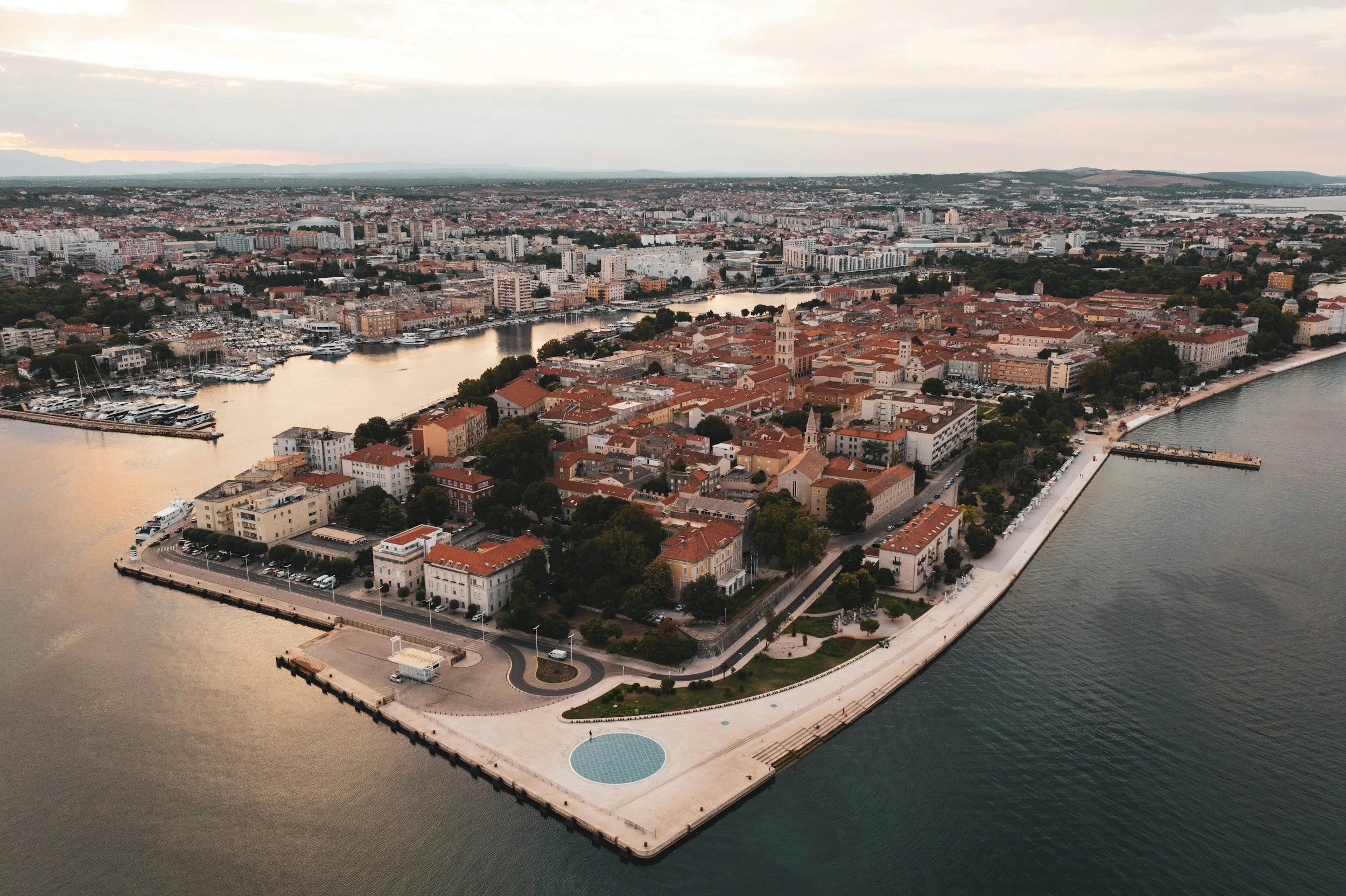
Zadar is a historic coastal city in northern Dalmatia, Croatia, sitting on the Adriatic Sea. It has a population of around 75,000 people, making it a medium-sized city with a relaxed, small-town feel, when compared to the packed streets of Split or Dubrovnik. While you still see a lot of tourists in and around the Old Town, it’s a lot more peaceful in general. It’s definitely worth the stop and is an underrated destination most people overlook.
Things to do:
Step out into the Old Town where you can find Roman Ruins and amazing Zadar sunsets. You can find the Sea Organ on the edge of the promenade, which is an installation that plays music through the movement of the sea. Within the Old Town, you can climb the Bell Tower and get a decent view of the city. Kolovare beach is a popular choice for swimming and sunbathing, and you can find coastal viewpoints on the peninsula point opposite the Old Town too.
How to get there:
The best and easiest way is a bus (FlixBus) from Zagreb, Dubrovnik, Split, or other nearby cities.
4) Hvar
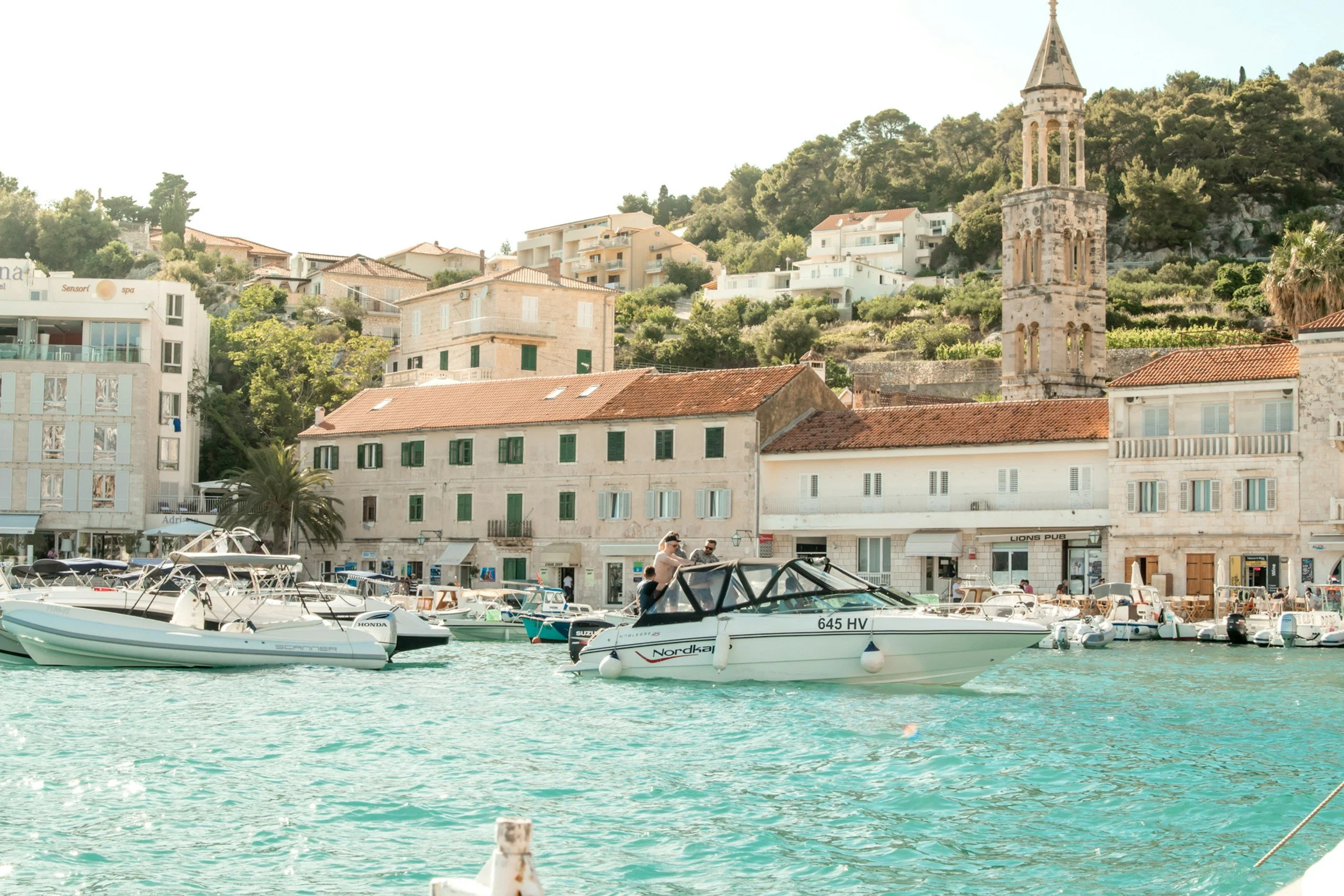
The island of Hvar is one of Croatia’s sunniest and most famous islands, located off the coast of Split in Dalmatia. It stretches about 68 kilometers long and 10 kilometers wide, and is popular for an easy trip from Split. Hvar has a rich history which is reflected in the scattered fortresses, old villages, and stone-built settlements across the island. It’s a gorgeous island with so many beaches and rugged hills to explore.
Things to do:
The town of Hvar is the main entry point, and holds a historic, Venetian-Style Old Town and an option to climb to Fortica and get views of the town. Also on the island is the town of Stari Grad, one of Europe’s oldest towns dating back over 2,400 years. You can of course relax at beaches such as Dubovica, Pokonji Dol, or Milna.
How to get there:
Take a Catamaran/ferry from Split.
5) Plitvice Lakes
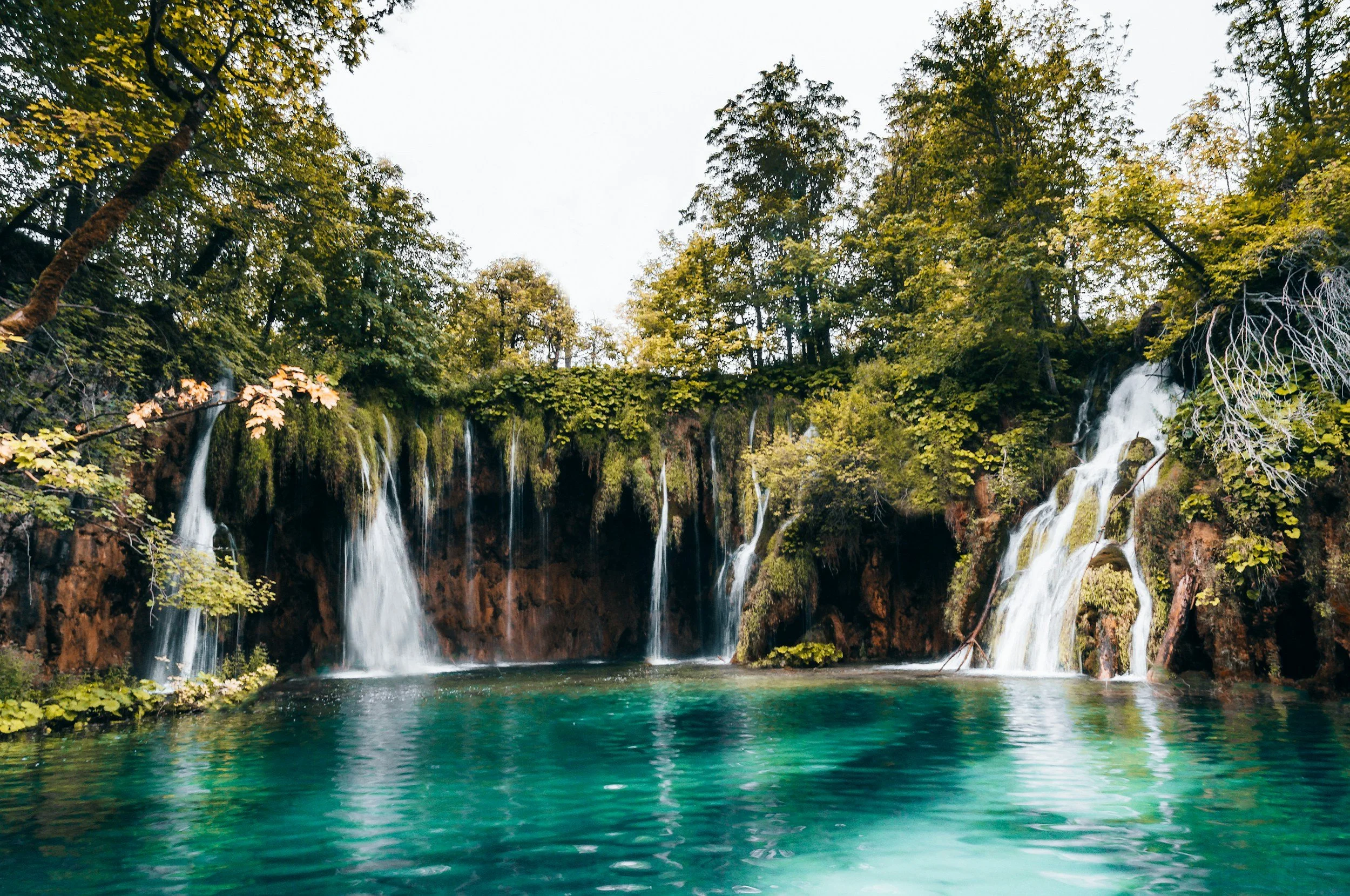
Plitvice Lakes national park is arguably Croatia’s most scenic and impressive nature location in the country. The park itself is a UNESCO World Heritage site, famous for its 16 terraced lakes connected by waterfalls and surrounded by lush forests. There are walkways all around the park, and the water is just so blue and serene.
Where is it:
The park is in central Croatia, roughly midway between Zagreb and Zadar. It’s a big area close to the border with Bosnia and Herzegovina.
How to get there:
You can take a FlixBus from Split, Zadar or Zagreb.
If you’re in a hostel, they may have transport available.
6) Šibenik
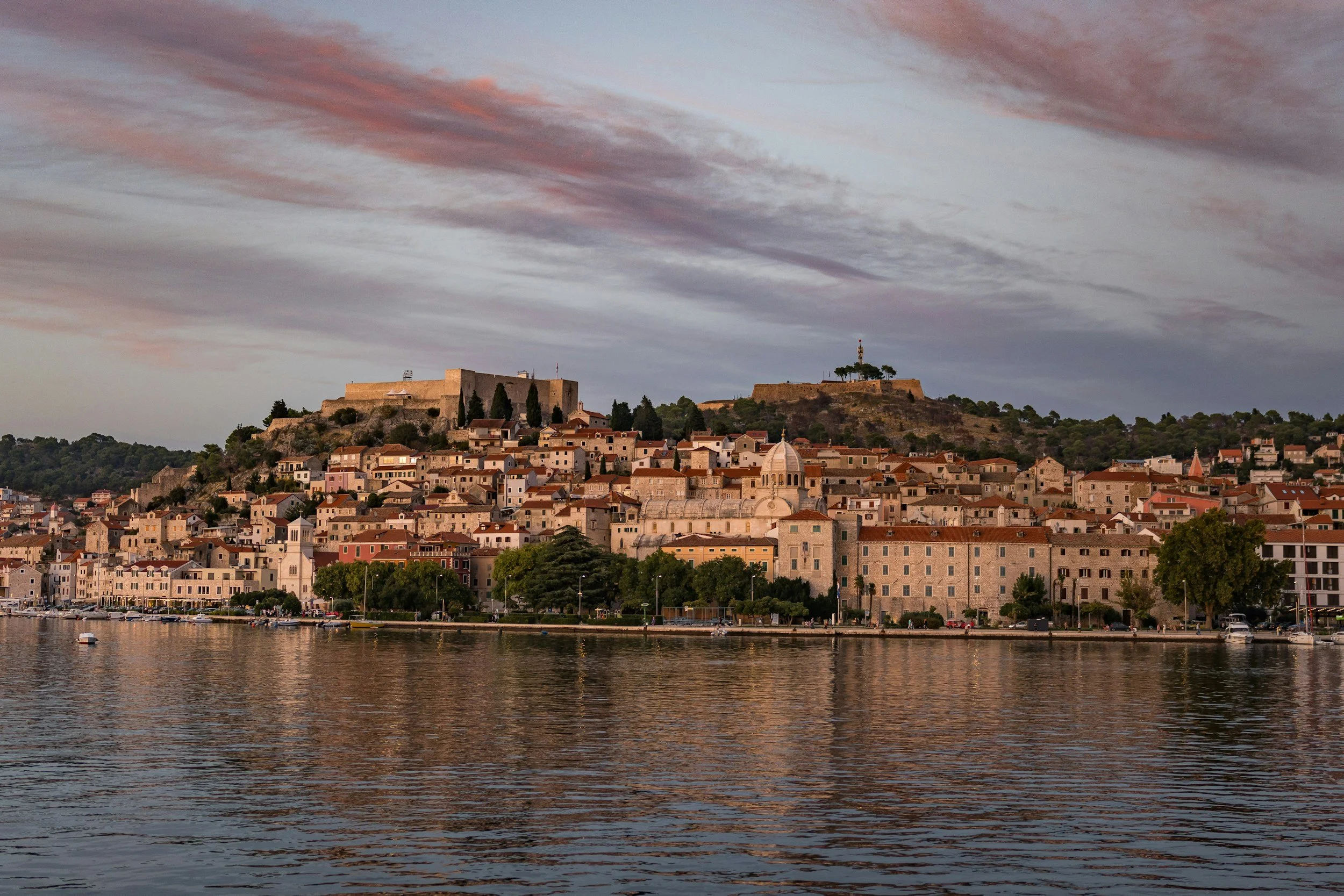
Šibenik is a beautifully photogenic, yet chill coastal town in central Croatia, in the middle of Zadar and Split. Only around 34,000 people live here, and the Croatians love it as it was built by them, not the Romans or Greeks. The history of Šibenik dates back to the middle ages and is one of the most underrated places to stop in during your Croatia trip. It is also the best hub for a visit to Krka National Park (next).
Things to do:
The Cathedral of St. James is a UNESCO World Heritage site with impressive stone carvings amongst it. There are four historic fortresses in Šibenik - St. Michael’s Fortress (Concerts are held here), Barone Fortress, St. Nicholas Fortress, and St. John Fortress. Each fortress offers different views and historical importance.
How to get there:
Take a FlixBus easily from Zadar or Split.
7) Krka National Park
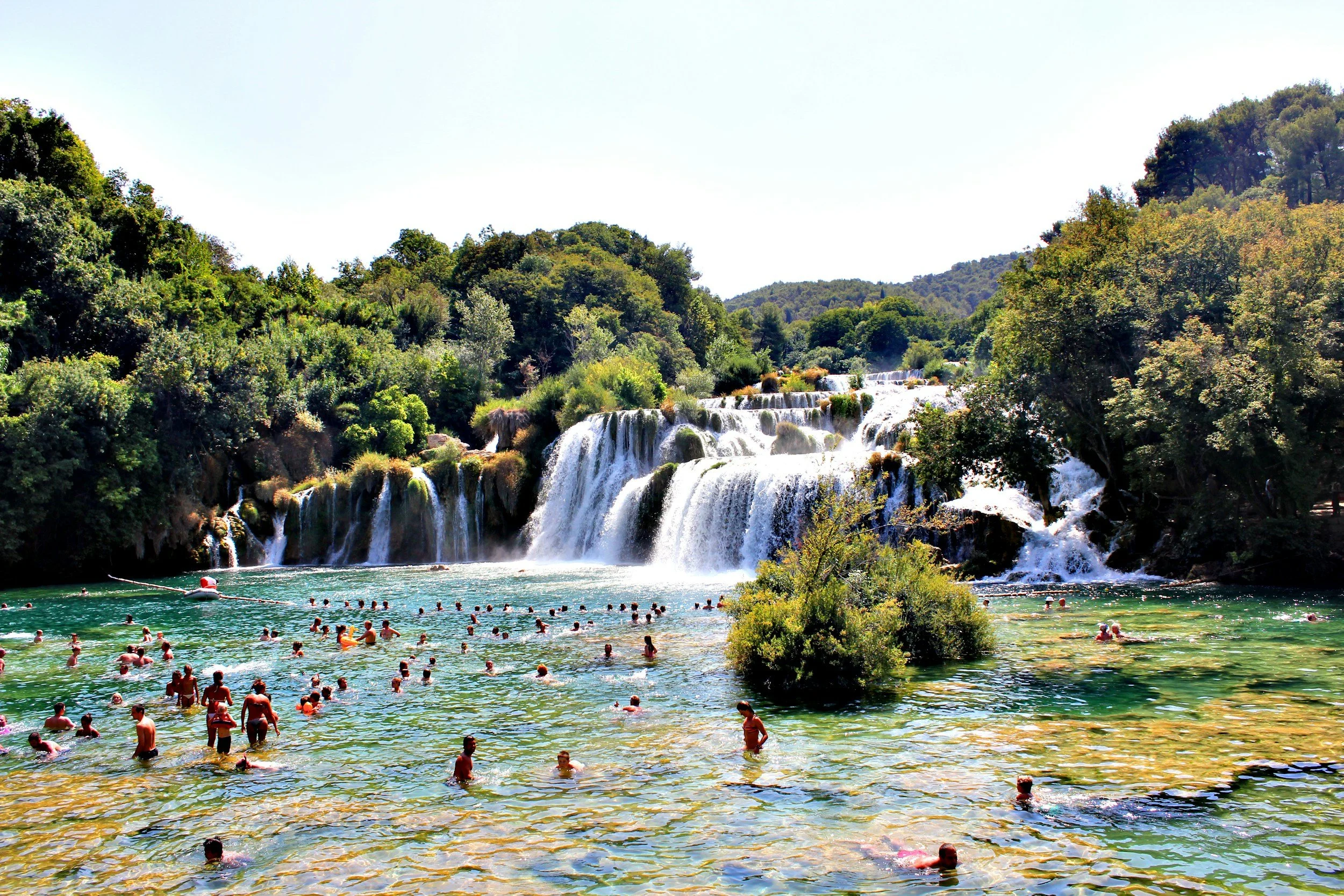
Krka National Park is situated along the Krka River in southern Croatia. It's known for a series of 7 waterfalls offering a scenic view with wooden paths allowing you to check it out from all angles. You can swim in designated areas in the summer, but swimming under the main Skradinski Buk waterfall is now banned to protect the ecosystem.
Where is it:
Krka National Park is in central Dalmatia, Croatia, about 15–20 km from Šibenik and roughly 80 km from Split. It’s very accesible.
How to get there:
Direct buses run from Šibenik and Split.