The Best Places to Visit in China
China is one of the worlds global superpowers. It’s one of the largest countries on earth, has a population of over 1.4 billion, and the second largest economy in the world. There’s a huge range of different landscapes, plus some crazy megacities all over the country. As well as this, it also has strong ancient history spanning back thousands of years, and as you walk the incredibly clean streets of the futuristic cities, you’ll see age old temples blended with bustling markets. It’s not the most common destination for regular travelers as there is often some visa complications, but as a country it literally has it all. I would really recommend it, China is one of a kind.
Capital: Beijing
Currency: Chinese Yuan
Language: Mandarin, Cantonese
When to visit: April to May, September to October
1) Beijing
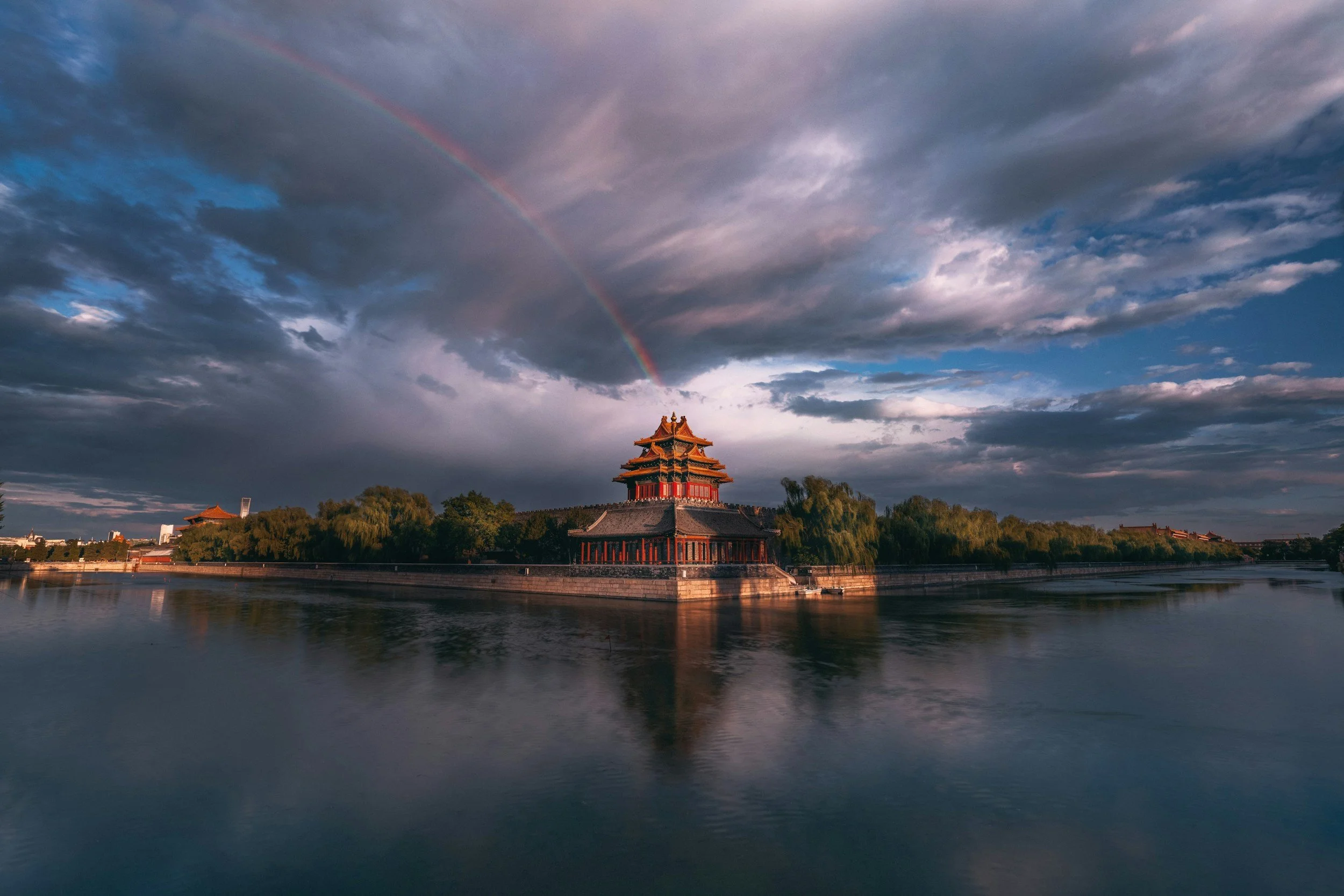
Beijing is the capital of China and one of the most important cities on the planet. It's huge, with a population of around 22 million people, and the metro area is even pushing closer to 25 million. It’s one of the best cities to visit if you’re interested in ancient Chinese history. Everywhere you look is something important from the past, whether it’s temples, palace complex’s, or museums. It’s also the best base for a trip to the Great Wall of China, but more on that further in the article.
Things to do:
There is so much important areas in Beijing to cover, but we’ll start with The Forbidden City, the massive palace complex where emperors lived for 500 years. You can walk through the giant courtyards, and visit the Palace Museum, as well as the Hall of Supreme Harmony. You’ll also see Zhaoxian Temple and Jingmo Temple, which sit near the massive open courtyards. Spend some time wandering round as the area is very big, and it gets busy in the courtyards so you should book tickets ahead of time. South of The Forbidden City is Tiananmen Square, the giant plaza with the Monument to the People's Heroes and Mao's mausoleum. It’s a symbolic area in Beijing with a dark history behind it, so read up on it before you go. Even further south of that is Zhengyangmen, an iconic gatehouse built in 1419 which you cannot miss. Continue down Beijing until you find yourself at the Temple of Heaven. It’s a place of worship from the 15th century featuring massive gardens and some of Beijing’s most notable religious sites. If you want to head out a bit further from the main attractions, then go to Summer Palace. It’s an imperial garden from all the way back in the Qing Dynasty, and it’s extremely beautiful as Kunming Lake serving as a great place for boat rides to see it’s magic from the water. Beijing has so much opportunity for tourists even excluding the Great Wall, so don’t forget to actually spend time walking around and taking in Chinese culture and food.
How to get there:
Beijing’s main international airport is Beijing Capital International Airport (PEK), and it has an expansive flight connection.
You can take a high speed train from other major cities in China (Xi’an, Shanghai, Guangzhou, etc).
2) Great Wall of China
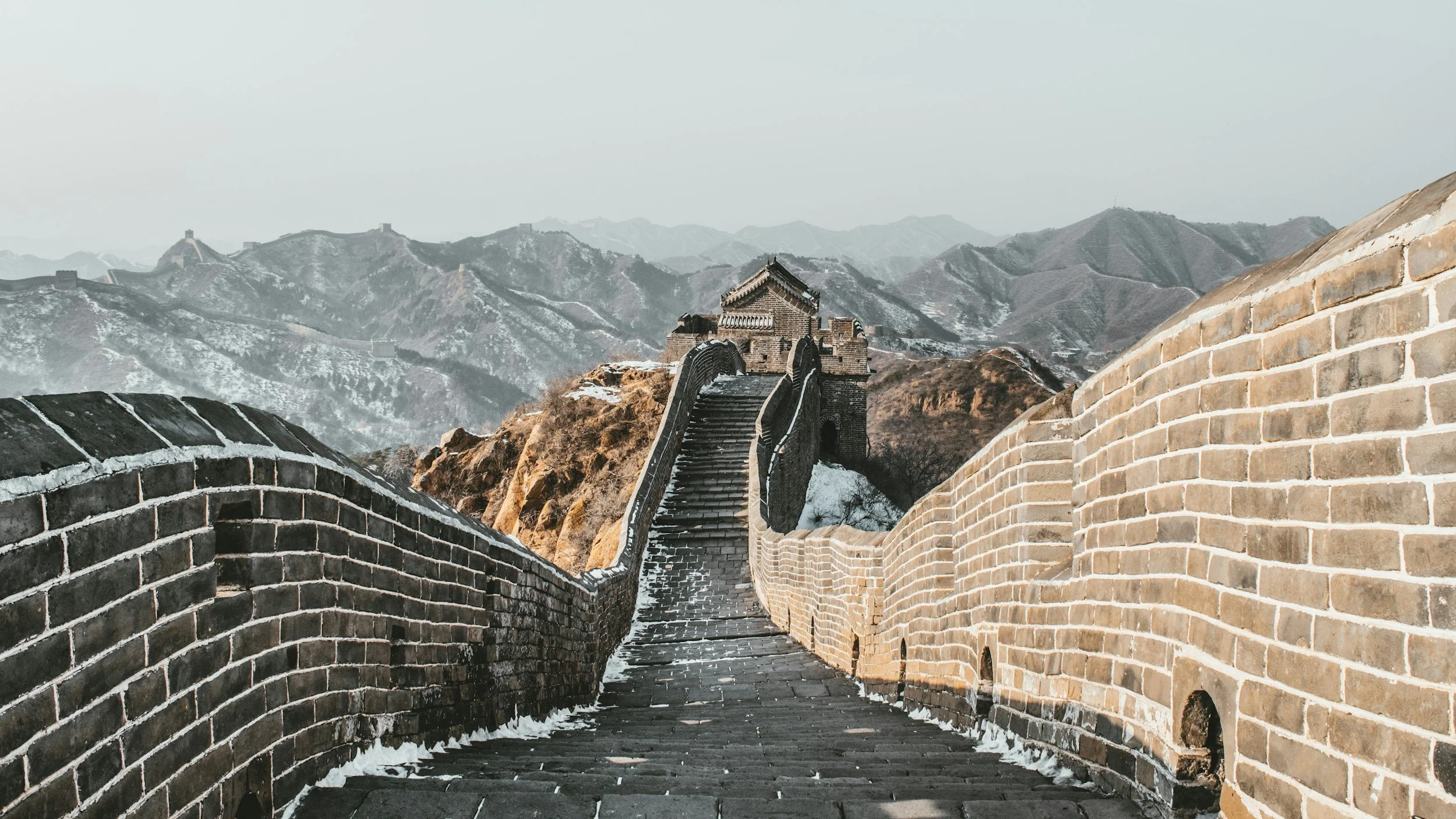
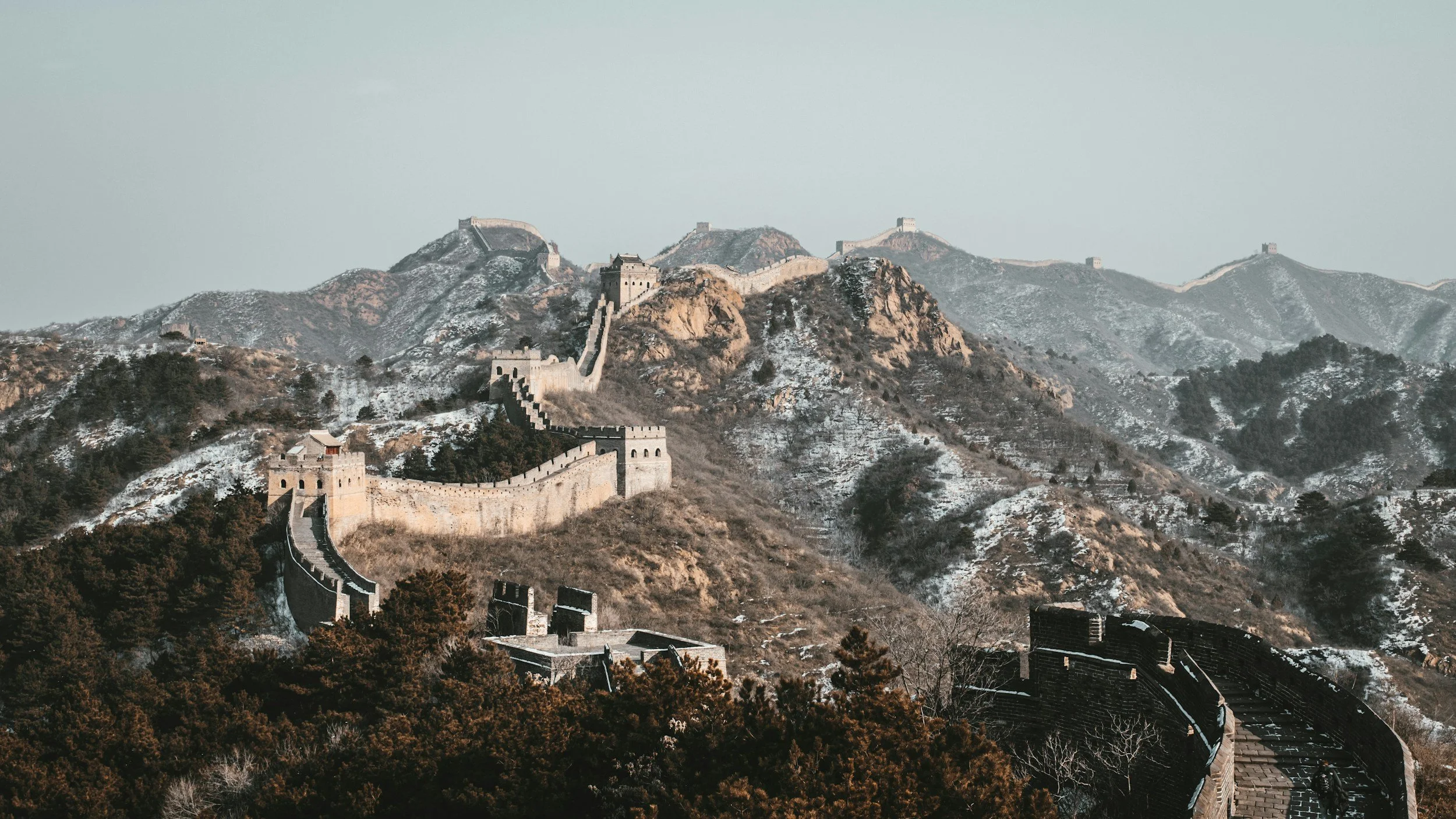
The Great Wall of China is one of the most famous structures ever built. It stretches over 21,000 kilometers if you count every branch, fort, and section across northern China. Despite common misconception, it’s not just one long wall, it’s actually a big network. It was built by hand by millions of laborers, and it’s estimated that over 500,000 people died building it.
Things to do:
There are 2 main sections of the wall people visit if coming from Beijing (the most common). The first section is Badaling, which is the main spot about 1.5 hours from Beijing. It has a lot of tourists here, but it makes sense as it’s the most restored area in the wall network. Mutianyu is the other section which is 2 hours from Beijing, and has less tourists than Badaling. Both have some cable car options too, and you mainly get out here with a tour guide or company. Of course, there is other sections of the wall which are harder to reach by yourself, such as Jiankou or Jinshanling.
How to get there:
If you want to access independently, there is trains and buses to Badaling, and buses to Mutianyu (needs a transfer).
3) Shanghai
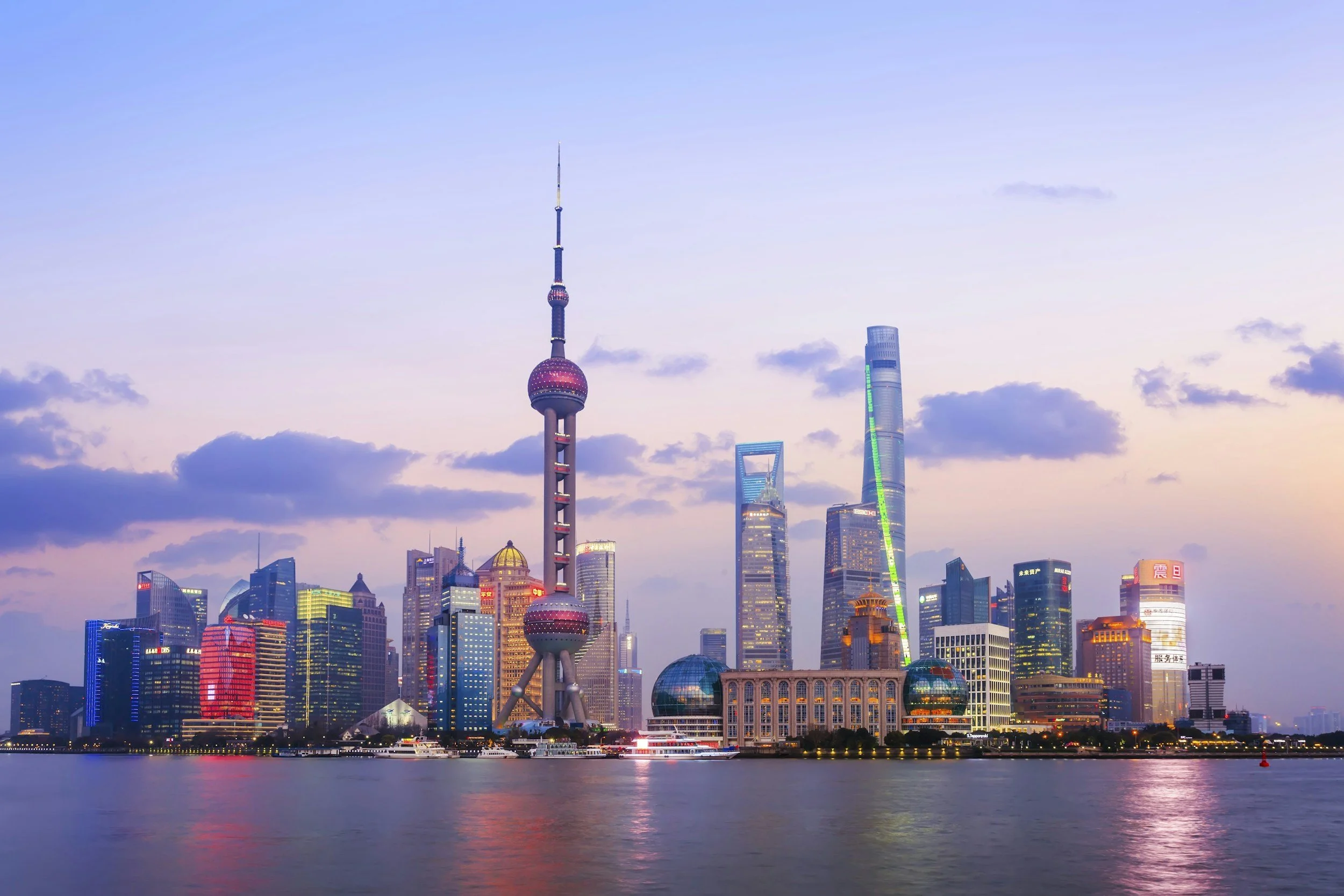
Shanghai is China's biggest city and one of the most important financial hubs on the planet. The skyline of the city is simply iconic. Bright colored light are known to illuminate the endless arrays of massive skyscrapers all across the river bank. It’s one of the most futuristic places in the world, with a fast paced, cosmopolitan atmosphere and crowds of people everywhere.
Things to do:
The best, most iconic view comes from The Bund, which is the classic waterfront promenade along the Huangpu River where you can look across at the mega skyline of the city. It’s especially special to visit at night. There’s also a lot of colonial era buildings from the previous century around here, which is a different dynamic to what you see over the river. And of course, you have to visit Shanghai’s Old City, which is best experienced walking down Shanghai Old Street, an incredible experience. In this area you also have the famous Yu Garden, a magical traditional garden complete with temples, ponds, pavilions and a bunch more. It’s definitely worth it. It’s also next to Yuyuan Old Street, another one of Shanghai’s breathtaking old streets. Also on this side of the river is Nanjing Road Pedestrian Street, one of the liveliest streets in the whole city, lined with shops attracting huge crowds. And next to that is People’s Square, and the Shanghai Natural History Museum too. Of course, you’re also free to cross any of the bridges to the area with all the skyscrapers, and walk through the streets as buildings like the Oriental Pearl TV Tower and the Shanghai Tower stand above you. I could awe at the cities sheer size for ages, and you especially have to walk around at night.
How to get there:
The main airport is Shanghai Pudong International Airport (PVG), best for international flights all around the globe.
High speed trains also come from most major cities in China (Beijing, Nanjing, Suzhou, etc).
4) Zhangjiajie
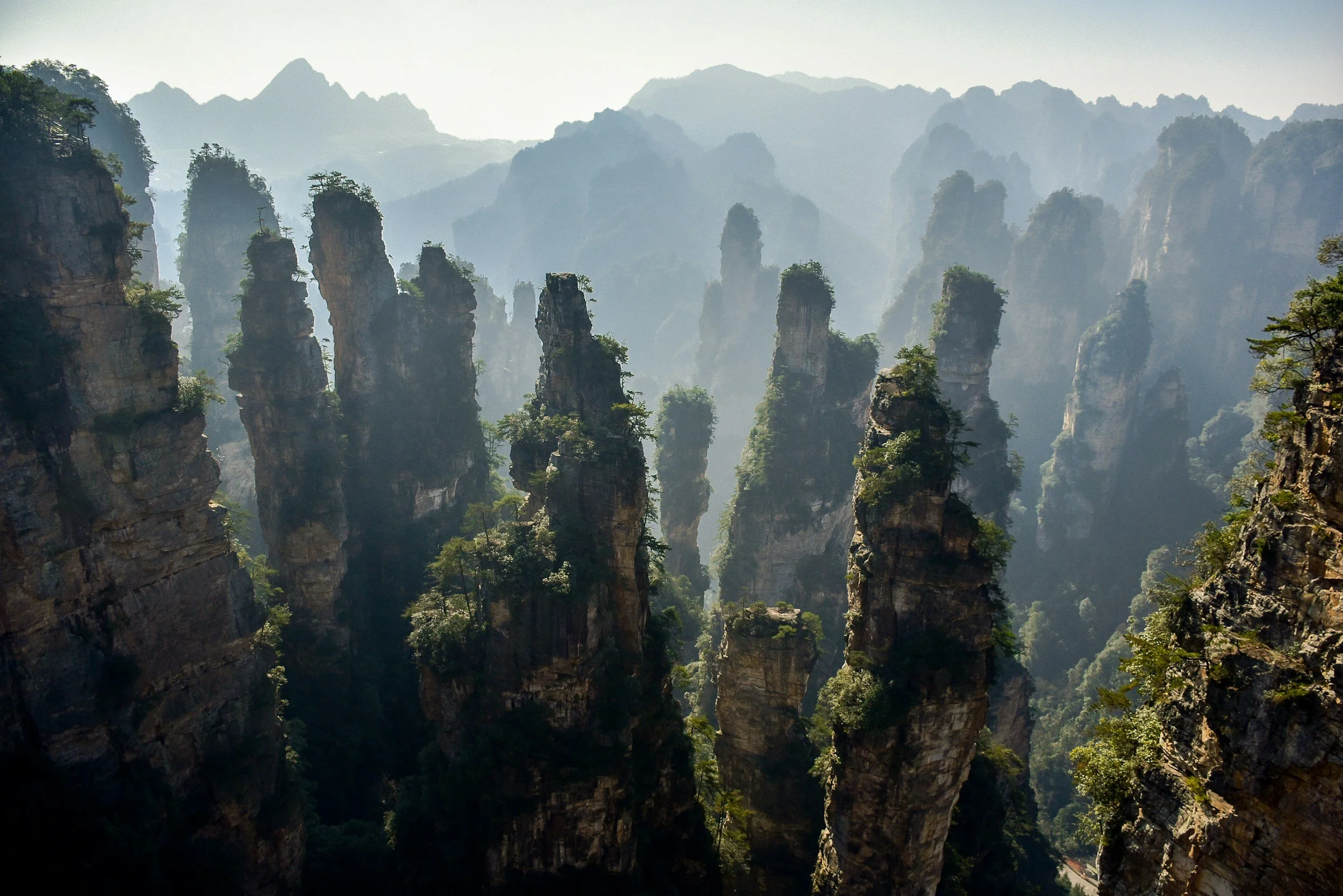
Zhangjiajie is a city up in central China, best known for the incredible Zhangjiajie National Forest Park which is situated right near the settlement. Here in this national park, there is over 3,000 rock pillars rising up to 200–300 meters straight out of the ground. It’s one of China’s most dramatic landscapes, especially when only the rock peaks are visible due to foggy conditions.
Things to do:
The best viewpoints are spread across different sections of the park, with areas like Yuanjiajie (Avatar Hallelujah Mountains) offering dramatic cliffside platforms and narrow walkways that look out over endless stone columns. Tianzi Mountain is another main highlight, known for its sweeping views, especially when the peaks are wrapped in mist. The park is huge and best explored on foot combined with shuttle buses and cable cars, making it easy to spend an entire day here without seeing everything. Just outside the city is Tianmen Mountain, which is an essential stop and feels completely different from the national park. The journey up by cable car is one of the longest in the world and gives incredible views over the city and surrounding valleys. At the top, you can walk along cliff-edge paths, including glass walkways, and make your way to Tianmen Cave, a massive natural arch reached by climbing a long staircase
How to get there:
Fly to Zhangjiajie Hehua Airport (DYG) from most of China’s big cities, then shuttle to Wulingyuan (the base town).
5) Lijiang
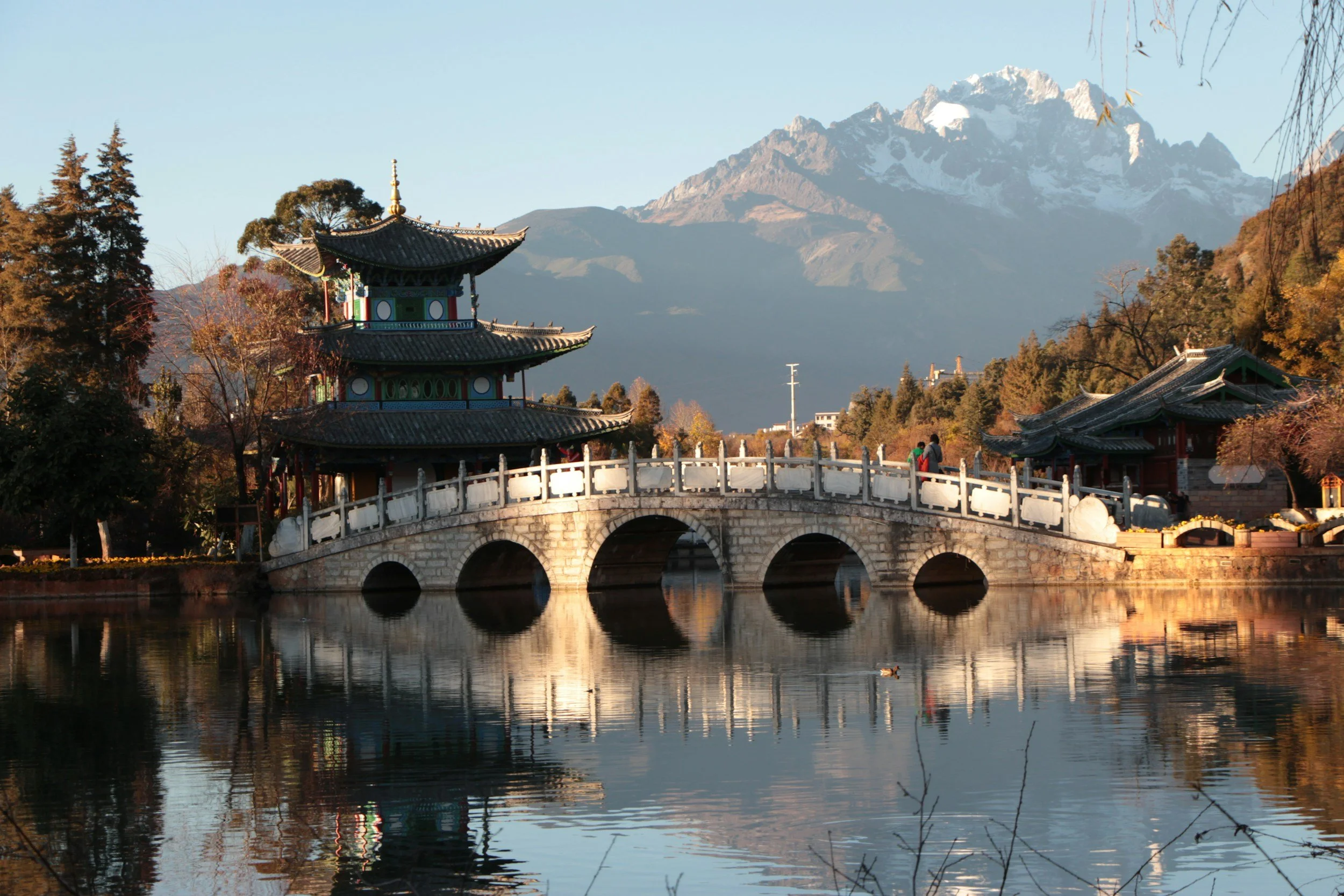
Lijiang is a city in northwest China, famous for its UNESCO World Heritage old town. In my opinion, it’s one of the most beautiful places in the country, and it’s definitely one of the most photographed. The old town was built by the Naxi people, an ethnic minority group with their own language, script, and traditions. You may see a bit of this culture present in the city today, and overall the vibe is very peaceful in this absolutely charming destination.
Things to do:
Just spend your time wandering around the magical Dayan Old Town and its narrow stone streets. Sifang Street is the central square with bars and music, and Black Dragon Pool Park is at the north end where you get the classic view of the old town with the mountain behind it. The city often lights up at night with traditional music and lanterns, and I really just recomend spending time in the city to appreciate in whole. Out in the backdrop is Jade Dragon Snow Mountain, which has a peak of 5600m, literally insane. You can take a bus over from Lijiang, and then a cable car up to 4506m elevation where you can walk to the main draw, Glacier Park. It isn’t the only beautiful spot though - after the bus drops you off you could also take cable cars to either Yak Meadow or Spruce Meadow (Yunshanping). I’d recomend Spruce Meadow, as the cable car station serving it is near the incredible Blue Moon Valley. Overall it’s pretty clear that a visit to Lijiang is 100% worth it, the nature is genuinely astonishing and the city is charming.
How to get there:
Lijiang Sanyi Airport (LJG) is the best option for domestic flights, but not much international activity.
You can take a train, they mostly run through Kunming so you need to get there first with the train from elsewhere.
6) Chengdu
Chengdu is one of China’s largest cities, despite many having not even heard of it.The city sits in a big basin surrounded by mountains, which keeps it humid and foggy a lot of the time, especially in winter. A lot of tourists love to visit for one main thing: the Pandas. It’s hands down the best place to come to see them, and it attracts a ton of visitors every year.
Things to do:
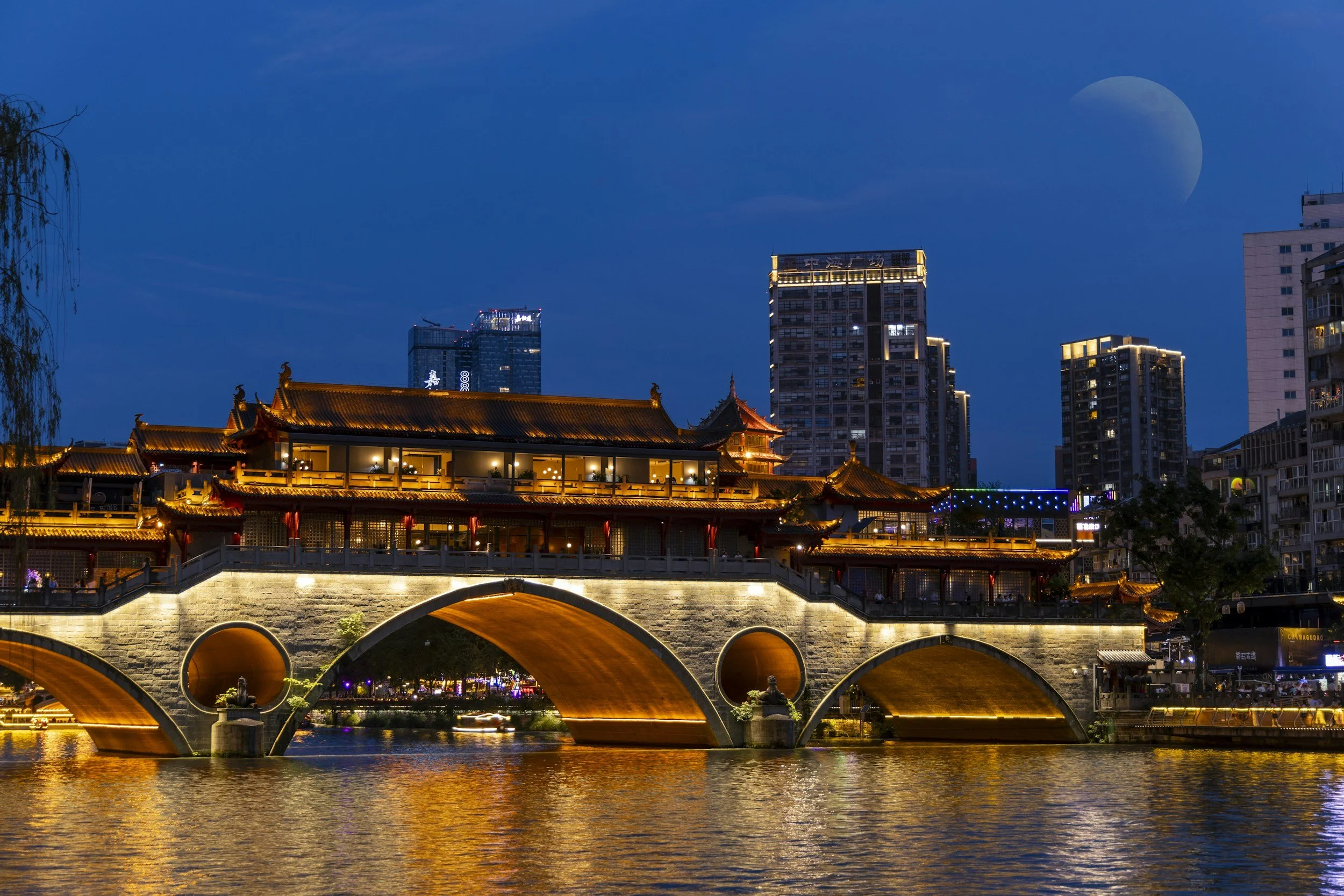
Around 30 minutes north of the city center you will find the famous Chengdu Research Base of Giant Panda Breeding. You can see dozens of pandas up close, and it is definitely best to go in the morning to beat the crowds. It’s a non profit organization and is important to help increase population of endangered Pandas. Inside the actual city, you should visit Jinli Old Street, where you can see old style buildings plus lots of food stalls. Don’t miss Wuhou Shrine in the area as well. An even better spot may be Kuanzhai Alley, a historic area of 3 parallel streets featuring alleys from the Qing Dynasty. If you want to just hang out and chill in China, I’d say the best spot is People’s Park, it has a traditional look as well so it’s a super cool area.
How to get there:
Chengdu has two airports (CTU & TFU), both of which you can fly into from international hubs.
Otherwase, take one of the high speed trains any of the major cities on the network (Shanghai, Xi’an, Beijing, etc).
7) Xi’an
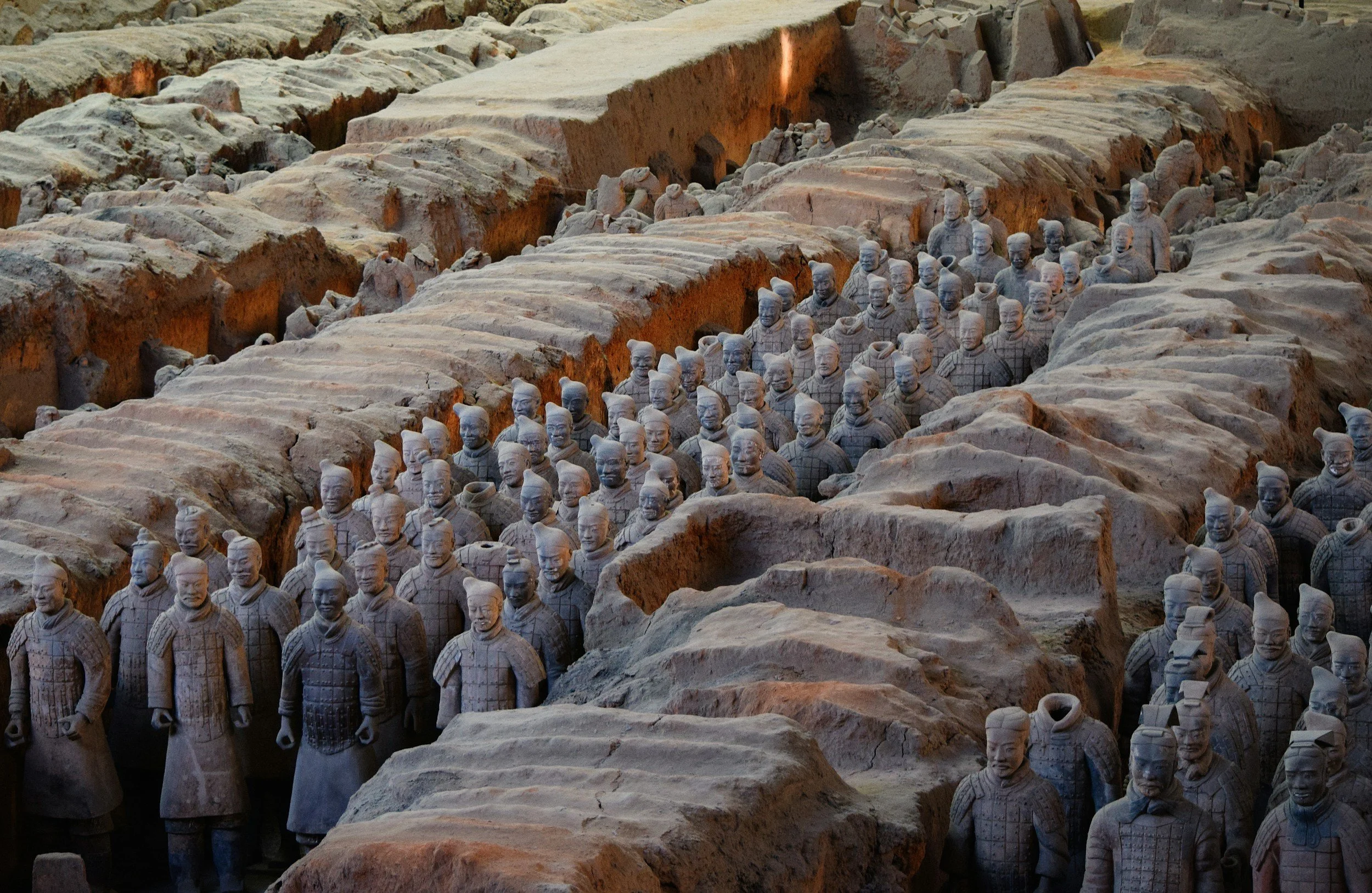
Xi’an is a historically loaded city, found up in the northwest of China. It was the capital for 13 dynasties over more than a thousand years, and nowadays has a population of ~13 million with a bunch of ancient sites and busy streets in the city center. It’s where you go to visit the standout Terracotta Army, about 40km east of the city (more about that below).
Things to do:
As mentioned, the big one is the Terracotta Army. It’s an area of 3 pits which have thousands of literal life sized soldiers, horses, and chariots all made out of clay. Pit 1 has over 6,000 figures inside. Here, you’ll also find the Tomb of Emperor Qin Shi Huang from 210 BC. It’s what the Terracotta Army essentially guards. Back inside Xi’an, the The Ming Dynasty wall is 14 km long, and one of the best preserved ancient walls of China. You can even ride the full loop on a bike. The Bell Tower of Xi'an marks the center of the city, while the Drum Tower looks over the Muslim Quarter of the city (a place worth walking around). For museum lovers, Shaanxi History Museum is the best in the city, with ancient bronzes and pottery.
How to get there:
Xi'an Xianyang International Airport (XIY) is the main place to fly into, mainly from the Asian continent.
Or just take one of the high speed trains any of the major cities on the network (Shanghai, Chengdu, Beijing, etc).
8) Tibet
Tibet is a place heavily restricted against foreigners, as it’s one of the most spiritual and unique places on earth. It’s a massive autonomous region of China which sits high up in the Himalayas, and the culture is built on Tibetan Buddhism. Travel to Tibet often requires joining a planned tour, as well as getting a permit to visit this jaw dropping region surrounded by mountains and glaciers.
Things to do:
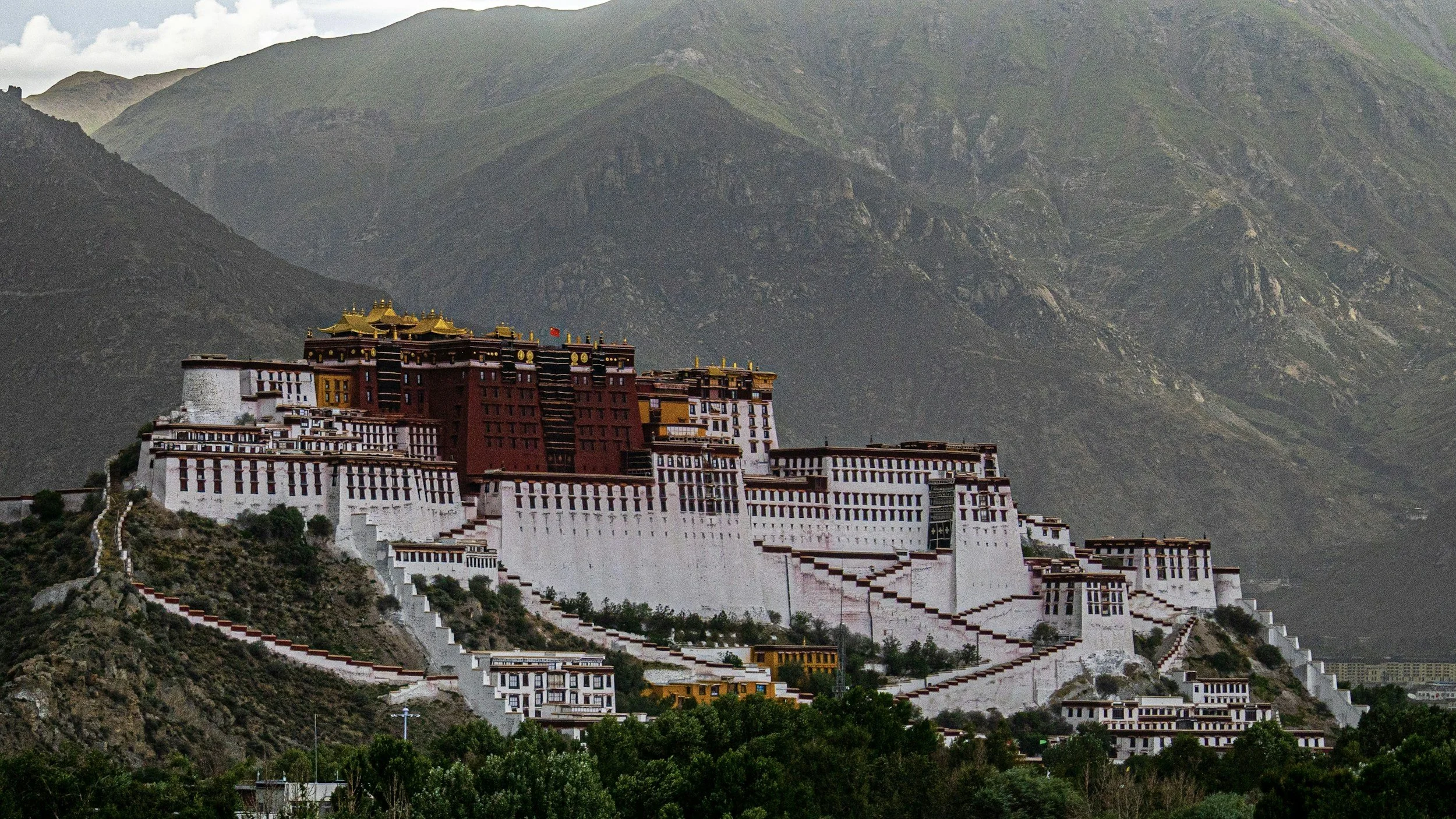
When organizing a trip to Tibet, here are things you should consider including on your list of what you want to experience. We will start with Tibet’s capital city of Lhasa, which is home to four main really incredible sights; The Potala Palace, Jokhang Temple, Sera Monastery and Drepang Monastery. Each of these sites are so culturally enriching, with Potala Palace being the best for sure. Even if you only go to Lhasa, consider your trip to Tibet fulfilling as these four destinations in the city are unbeliavable. Elsewhere in Tibet is the massive holy lake named Namtso Lake (Namucuo). It features serene turqoiuse water with snow capped mountains in the background - a magical site. It’s not even the only amazing lake in Tibet - Yamzho Yumco rivals it with stunning views and Yak sightings. Further out to the west of Tibet is the sacred Mount Kailash, which is complimented by the absolutely amazing lake of Mapang Yongcuo, which looks straight out of New Zealand. Back towards Lhansa is the two cities of Shigatse and Gyantse, both featuring traditional religious monasteries and stupas. That’s not even the bulk of what you can see in Tibet, and while it is only accessible through a tour, Tibet is one of the most beautiful regions in the world and nobody can ever regret a visit here.
How to get there:
After you have your visa and Tibet travel permit, fly into anywhere in China, then fly or train to Lhasa and connect with your guide.
Support the Site
If these guides have helped your travels, consider buying me a coffee ~ it helps keeps the content free!
buymeacoffee.com/roamingideas