The Best Places to Visit in Chile
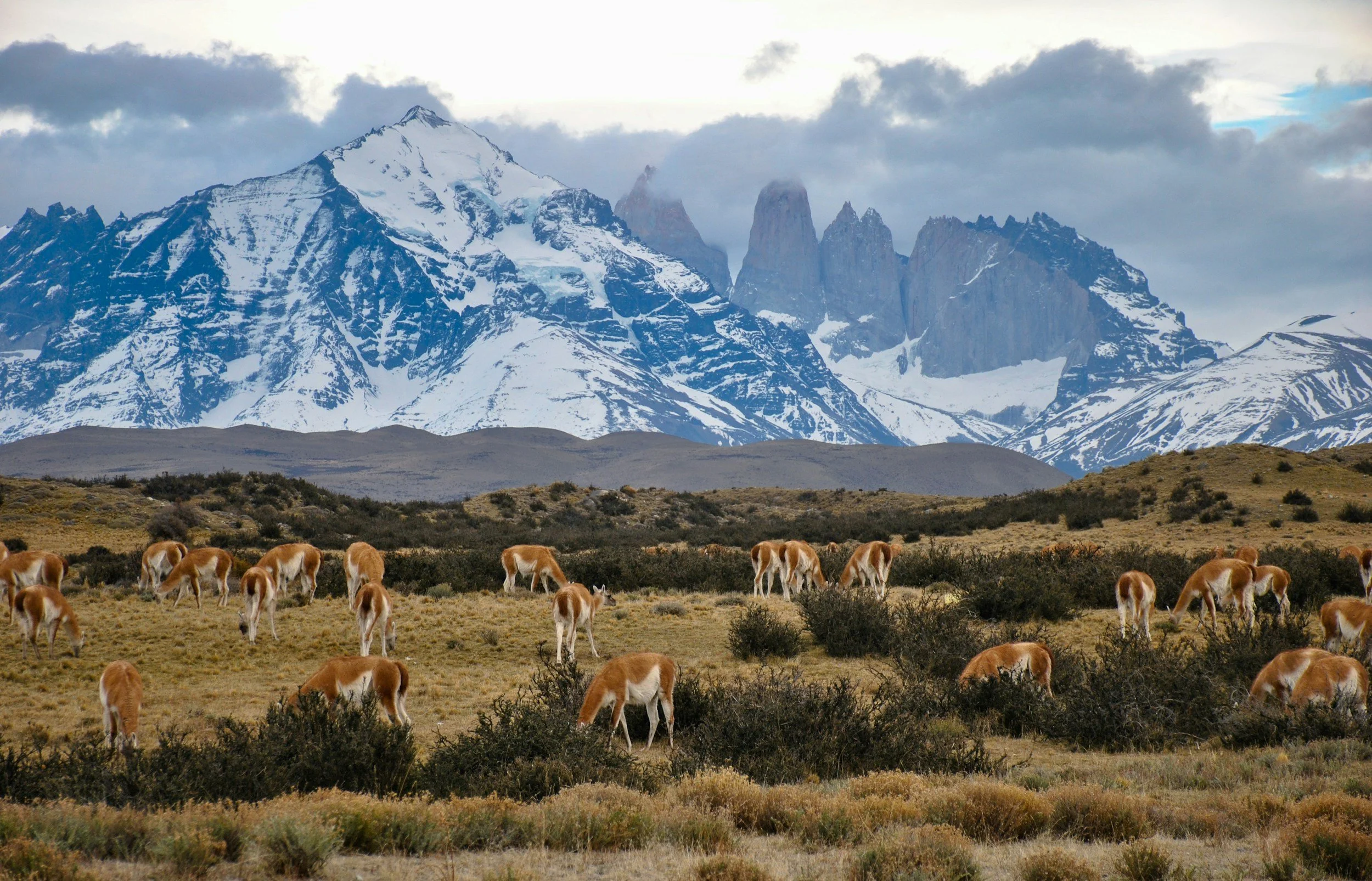
Chile is one of the most unique countries you will ever travel through. It is basically just a long thin strip of land running down the western edge of South America, but within that strip it manages to fit in the driest desert on earth, lakes and volcanoes, fjords, glaciers, and some of the most dramatic national parks anywhere in the world. The backpacker scene here is solid and growing, the people are friendly, and while it is a bit pricier than neighbouring Argentina or Bolivia it is absolutely worth it. If you are doing a South America trip and skipping Chile you are genuinely making a mistake.
Capital: Santiago
Currency: Chilean Pesos
Language: Spanish
When to visit: December to February
Looking for somewhere to stay?
Find the Best Hostels in Chile→
1) Santiago
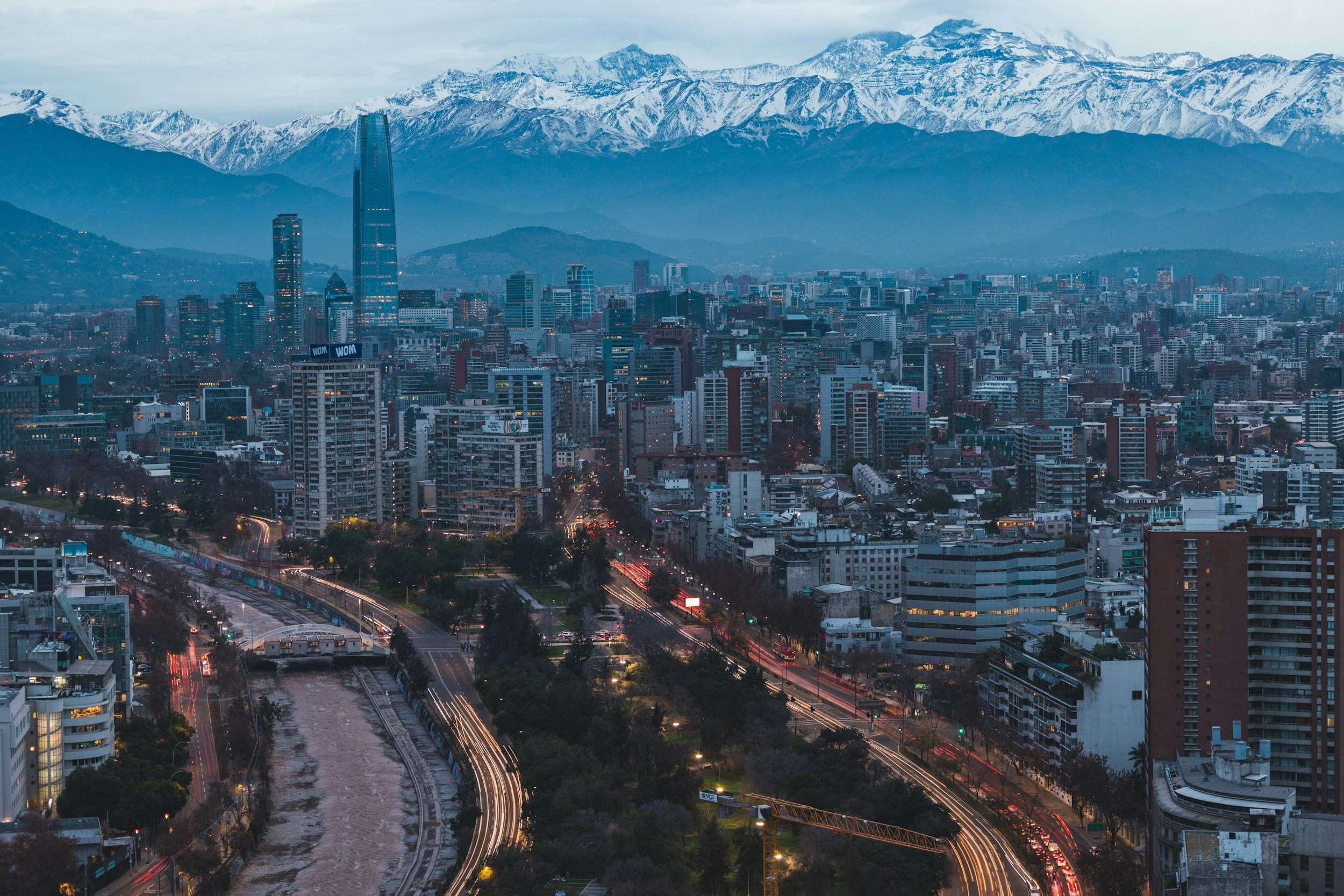
It’s only right to start with Chile’s capital city, and what will most likely be your entry point to the country if coming by air. Around 8 million people live in the wider area, so almost half the country, but it’s a city undergoing modern development meaning some people love it but some just skip through it.
Things to do:
The city is massive, but for the best view of the whole landscape, take the cable car up Cerro San Cristóbal which has super crazy views and on a clear day you can easily see the Andes in the back. At the foot of the hill is Bellavista, probably the best neighborhood for backpackers as it has most of the bars, hostels, and social streets around Patio Bellavista and Calle Constitución. The La Chascona museum is also here, and worth visiting if you have even a slight interest in poetry. Plaza de Armas in the historic centre is the main square of Santiago and the place to get a sense of the city's colonial past, such as it is. The Metropolitan Cathedral on one side and the Palacio de la Real Audiencia housing the Museo Histórico Nacional on the other are the main buildings of interest, and the square itself isPlaza de Armas in the historic centre is the main square of Santiago and the place to get a sense of the city's colonial past, such as it is. The Metropolitan Cathedral on one side and the Palacio de la Real Audiencia housing the Museo Histórico Nacional on the other are the main buildings of interest, and the square itself is always busy, so spend a good bit of time round here too and you’ve already seen a lot of what Santiago has to offer. Some more recommendations for areas to explore are Barrio Lastarria, Barrio Italia, and Barrio Yungay.
How to get there:
Arturo Merino Benítez International Airport (SCL) is one of South America’s busiest airports so you aren’t limited for options here.
You do have long and short distance bus options from Valparaíso, La Serena and Puerto Montt too.
2) Valparaíso
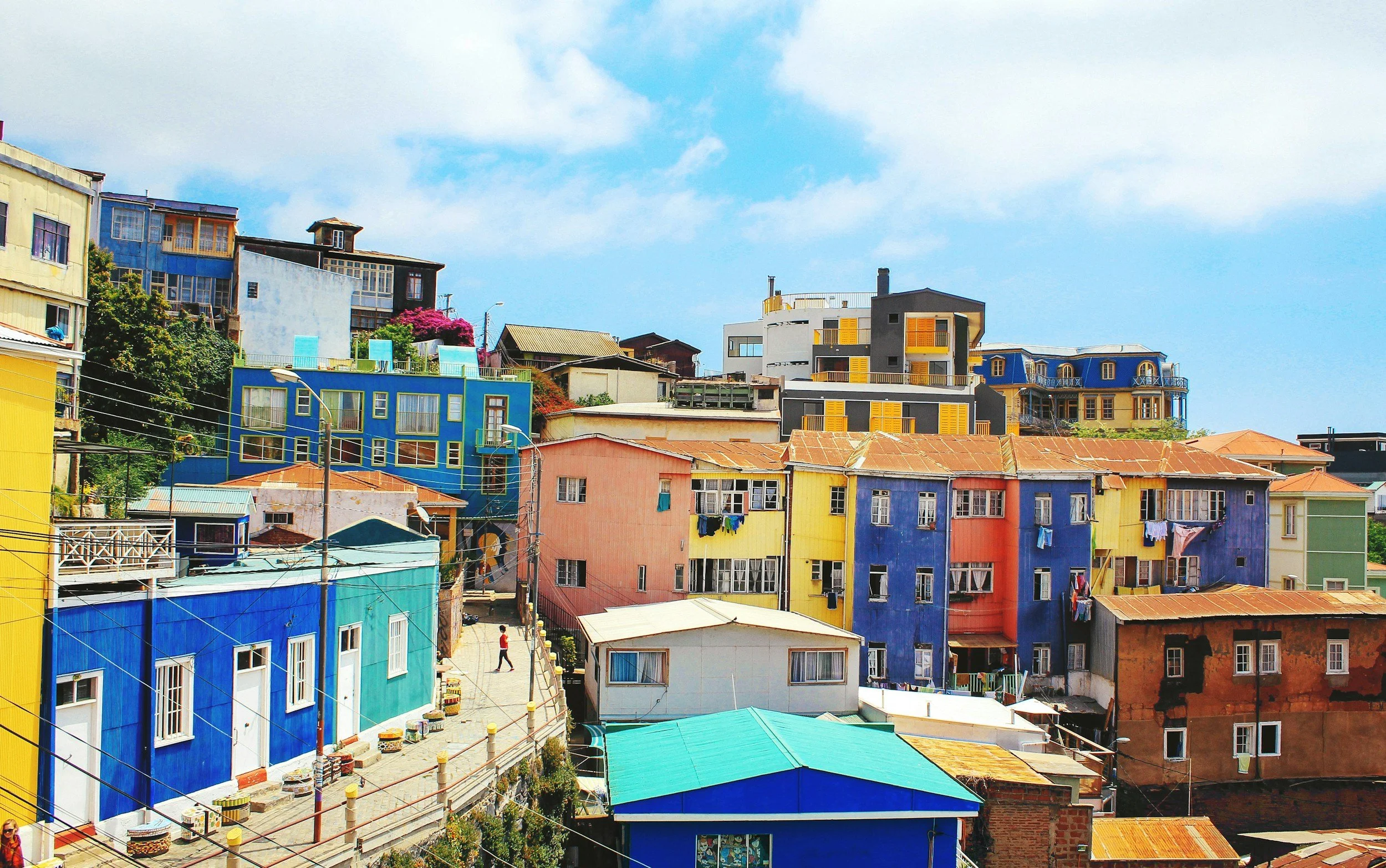
Valparaíso is a port city on the Pacific coast of central Chile, sitting around 120 kilometers northwest of Santiago on a narrow strip of flat land between the sea and a horseshoe of 42 hills, and this why we visit this place. If you’ve seen the famous favelas in Rio, it’ll seem a little like that as the colorful areas known as cerros sit in the back, with the main city and port area functioning strongly by the water too.
Things to do:
As I said, the cerros are the main draw of the city. They are incredibly cool areas, with Cerro Alegre and Cerro Concepción being the most visited and the most colorful, with streets that are almost entirely covered in street art of remarkable quality. They are awesome areas to get lost in, and there are about 15 old funicular elevators which connect the cerros to the new part of the city known as The Plan. Down around the port area you can find the Mercado El Cardonal (Chilean food market), and some new age architecture and streets. Obviously the main reason you are here is still gonna be the cerros in the back.
How to get there:
Easiest way is a short bus from Santiago.
3) San Pedro de Atacama
San Pedro de Atacama is a tiny town in the desert of northern Chile, pretty close to the border of Bolivia. It’s basically going to serve as your base for exploring the Atacama Desert, the driest place on earth outside of Antarctica, and all the stunning places it has to offer.
Things to do:
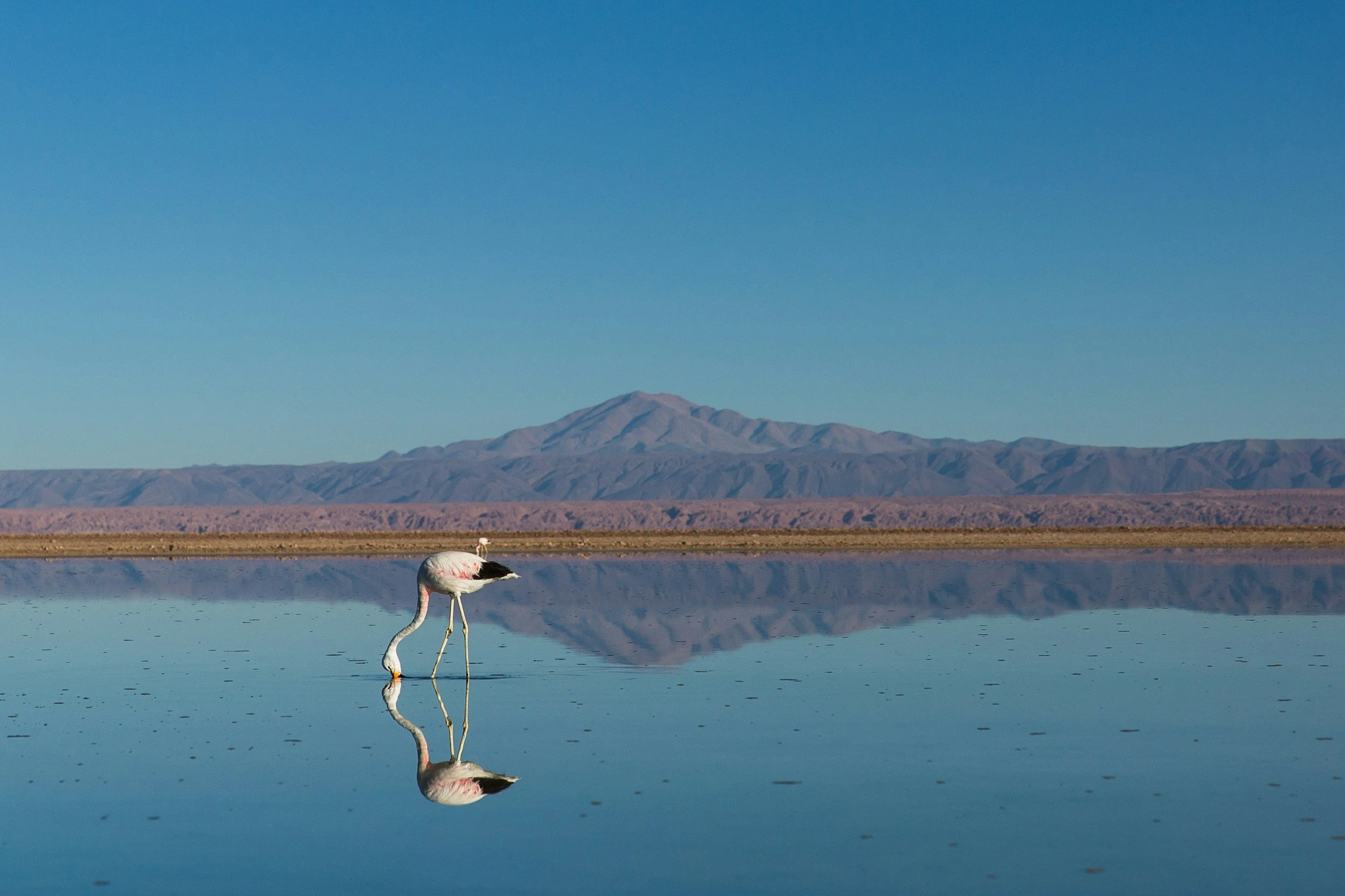
Now, I'll name all the breathtaking places around San Pedro de Atacama, and you should dedicate different days to seeing them all. First off, east of the city you can find the Valley of the Moon, and it’s named this way for a good reason. It literally looks like a landscape from somewhere in outer space, especially at sunset. The pictures here speak for themselves. My idea would be to take a bike from the town here, as it’s only about 16km away return (if the weather persists). Next is the Tatio Geysers, which is a bit further north, and are the highest geyser in the world, with more than 80 being active today. Then, south of the city is Laguna Chaxa inside the Atacama Salt Flat, which is the best spot for flamingo viewing. Now my favorite spot in the area is Lagunas Miscanti, simply because the mountains in the back just look so beautiful by the lake, and again you can find flamingoes here too. These are just the main spots, but check out the Quebrada de Purítamagorge, Laguna Verde, and try some stargazing out here too. This is 100% the most amazing place in Chile.
How to get there:
Take a flight from Santiago to El Loa Airport (CJC), then a bus to San Pedro taking about 1.5hrs.
4) Torres del Paine
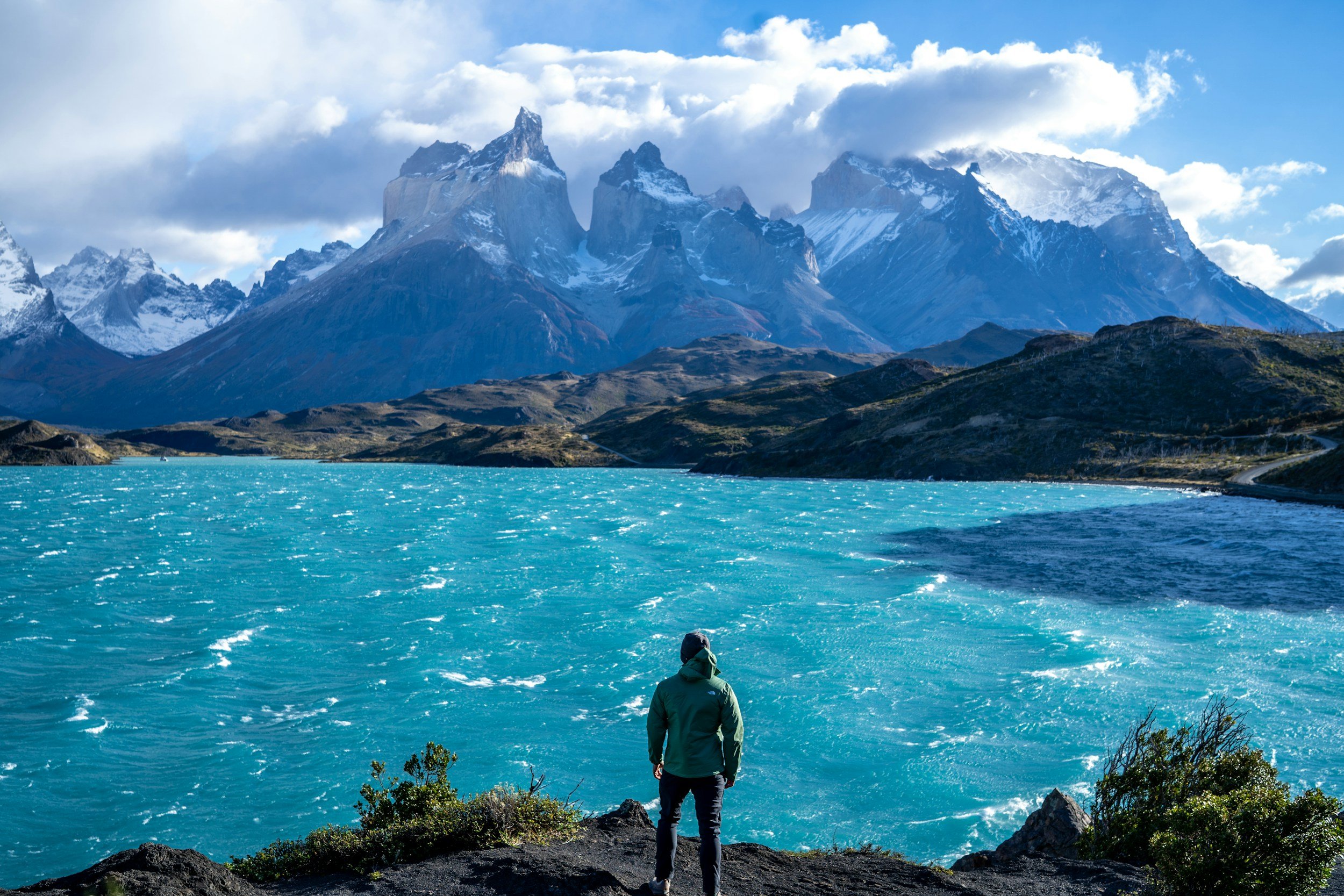
Torres del Paine is a world class national park in the Chilean part of Patagonia, far down south of the country. You’re going to find amazing granite mountain formations here, as well as glaciers and turquoise lakes all over. It’s one of the most popular places in all of Patagonia for good reason.
Things to do:
The W Trek is what most backpackers come to Torres del Paine for and it is one of the finest multi-day treks in the world. The route covers around 80 kilometers over four to five days and takes in the three signature experiences of the park. Note that you do need to book most of your stuff in advance, through the accommodation provider Fantástico Sur. Most trekkers start at the eastern end of the W at Refugio Las Torres, reached by bus from Puerto Natales to the park entrance and then a further shuttle or walk to the refugio. From here, hike up to the Mirador Las Torres as your first day. Day 2, you usuallytrail westward along the shore of Lago Nordenskjöld, with the Cuernos del Paine rising dramatically to the north and the lake stretching away to the south. Day 3 you wanna hike up the Valle del Francés to the Mirador Británico, the best part of this trek. On day 4,the trail heads west and then north along the shore of Lago Grey to the glacier viewpoint and Refugio Grey, which is a pretty light part of the trek. On the last day you usually take the catamaran back to Puerto Natales. This is just one way to do the trek, and it will be one of the best experiences of your life.
How to get there:
Puerto Natales is usually the main town for entry here, so you take a bus from here to your selected trailhead.
Usually you fly to Puerto Natales from Puerto Montt (you can get there from Santiago).
5) Chiloé Island
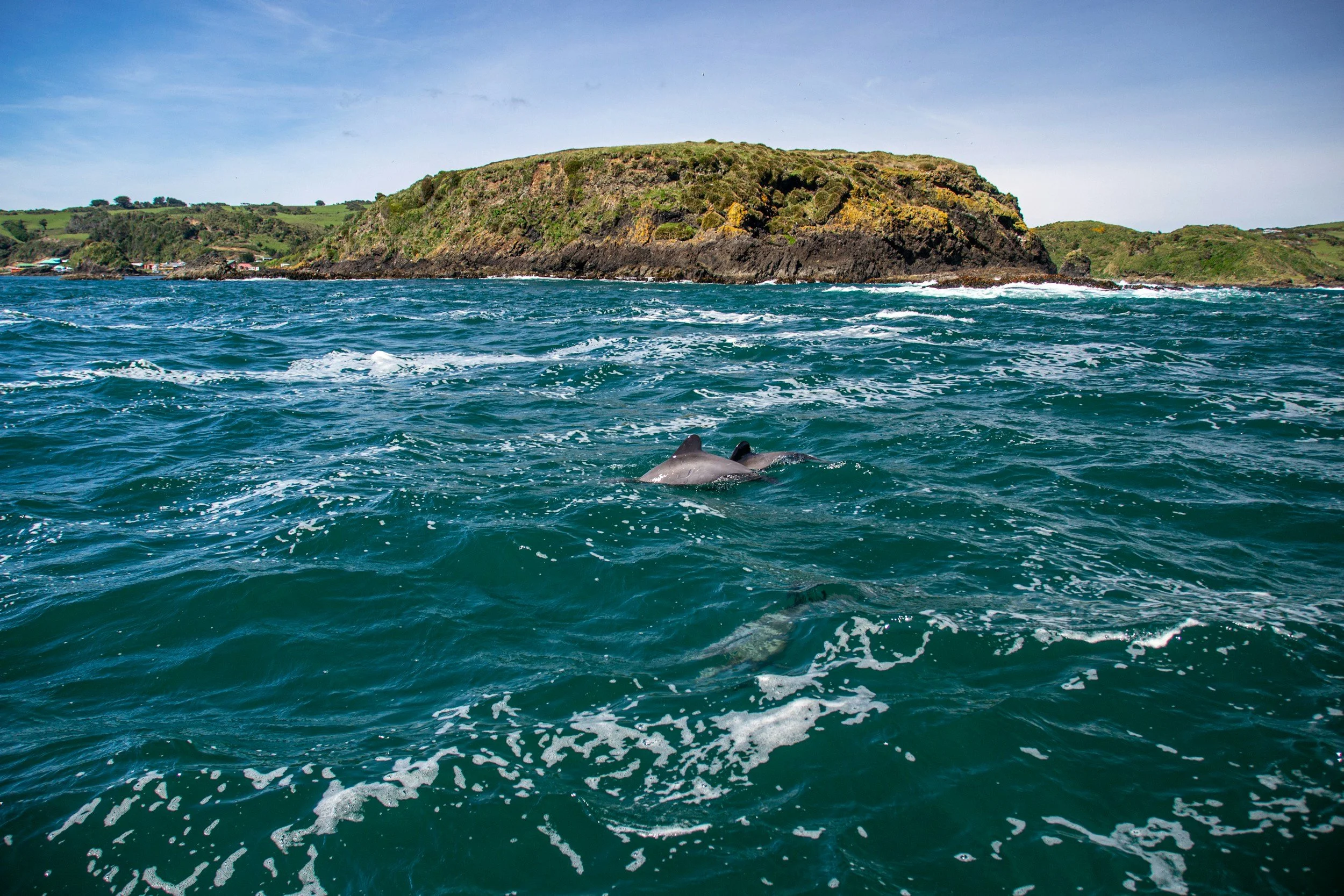
Chile has a lot of islands, but off the southern coast near Puerto Montt is Chiloe Island, the second largest island in South America. It’s definitely a different vibe to the Chile mentioned earlier. No snow capped mountains, but instead beautiful coastlines and deep forest. It was actually the last part of Chile to join the country, merging with Chile as we know it in 1826.
Things to do:
The most common base for the island is Castro, a nice little city with cool palafitos (colorful houses on stilts) sitting round the waterfront. Also check out the main plaza, the Mercado Municipal market, and the city wooden cathedral. There is actually wooden churches scattered all across the island, 16 UNESCO listed ones to be exact so you can explore that. Definitely take a boat tour through the archipelago, and if you’re lucky you may see penguins too. The Parque Nacional Chiloé on the western coast has great hiking through old growth temperate rainforest down to wild Pacific beaches that almost nobody reaches. It takes a bit of effort and an overnight camp but Playa Cole Cole at the end of it is genuinely stunning.
How to get there:
Take a bus from Puerto Montt and then get on the Chacao Channel ferry.
6) Pucón
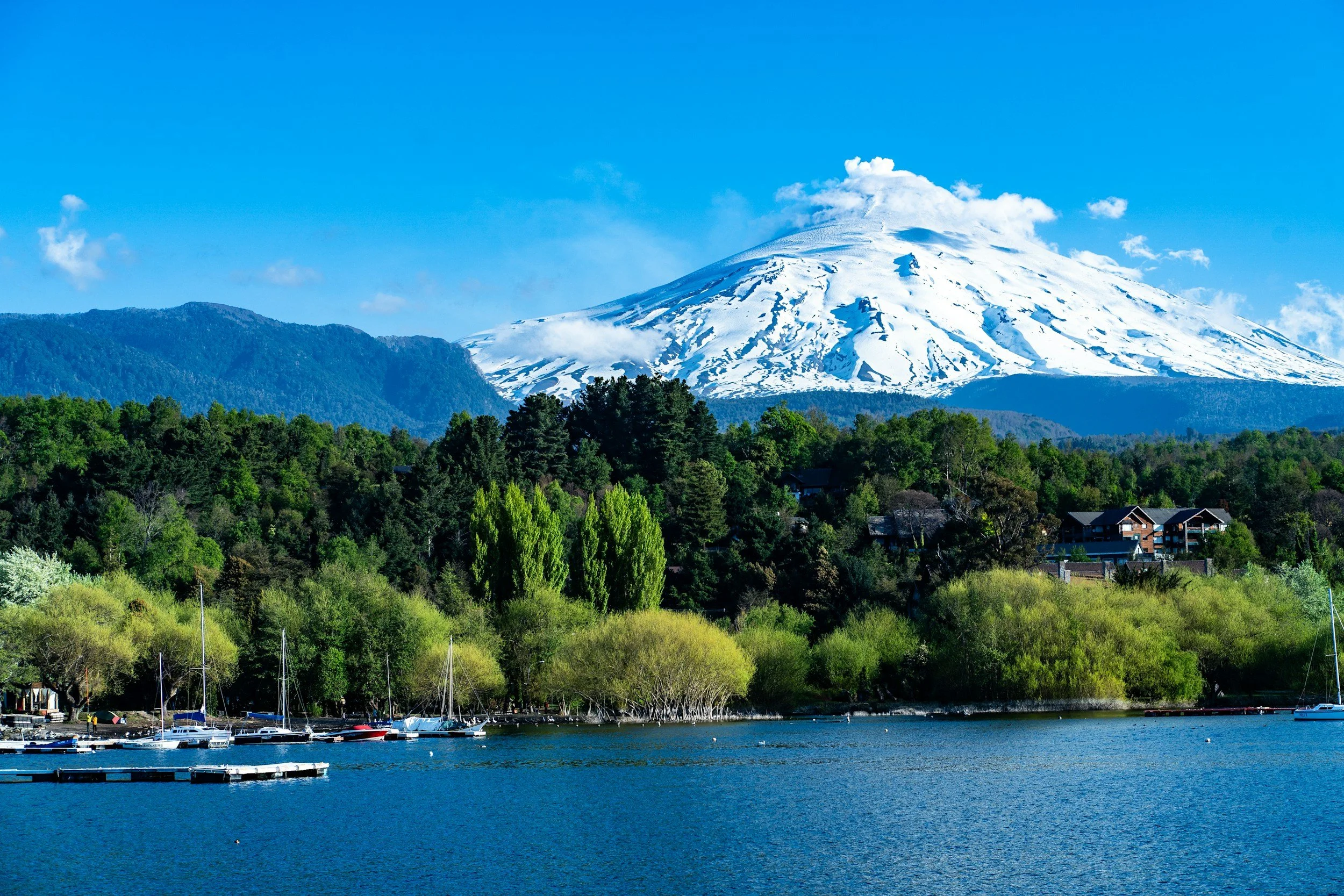
Pucón is a small town in Southern Chile about 1000km from Santiago, and it’s special because it sits at the foot of the Villarrica Volcano. It’s also one of the best places in the country for adventure activities, so these two things make it very very popular amongst backpackers.
Things to do:
Climbing Volcán Villarrica is the thing most people come to Pucón for and it is genuinely one of the best experiences in Chile. The climb starts before dawn, takes around 4 to 5 hours to the summit, and ends with peering into an active lava lake while standing on the crater rim of a live volcano. What more do I need to say really. Also, about 30km from town is Termas Geométricas which are some really nice hot springs and worth the journey. Closer to town you have Termas Los Pozones which are still great. Now for the activities, on the lake the town is built on, you have options for kayaking, paddleboarding, and boat trips through various companies. And if you want more hikes, check out The Huerquehue National Park about 35km south.
How to get there:
You can fly into La Araucanía Airport (ZCO) from Santiago and take a bus from there.
7) The Carretera Austral
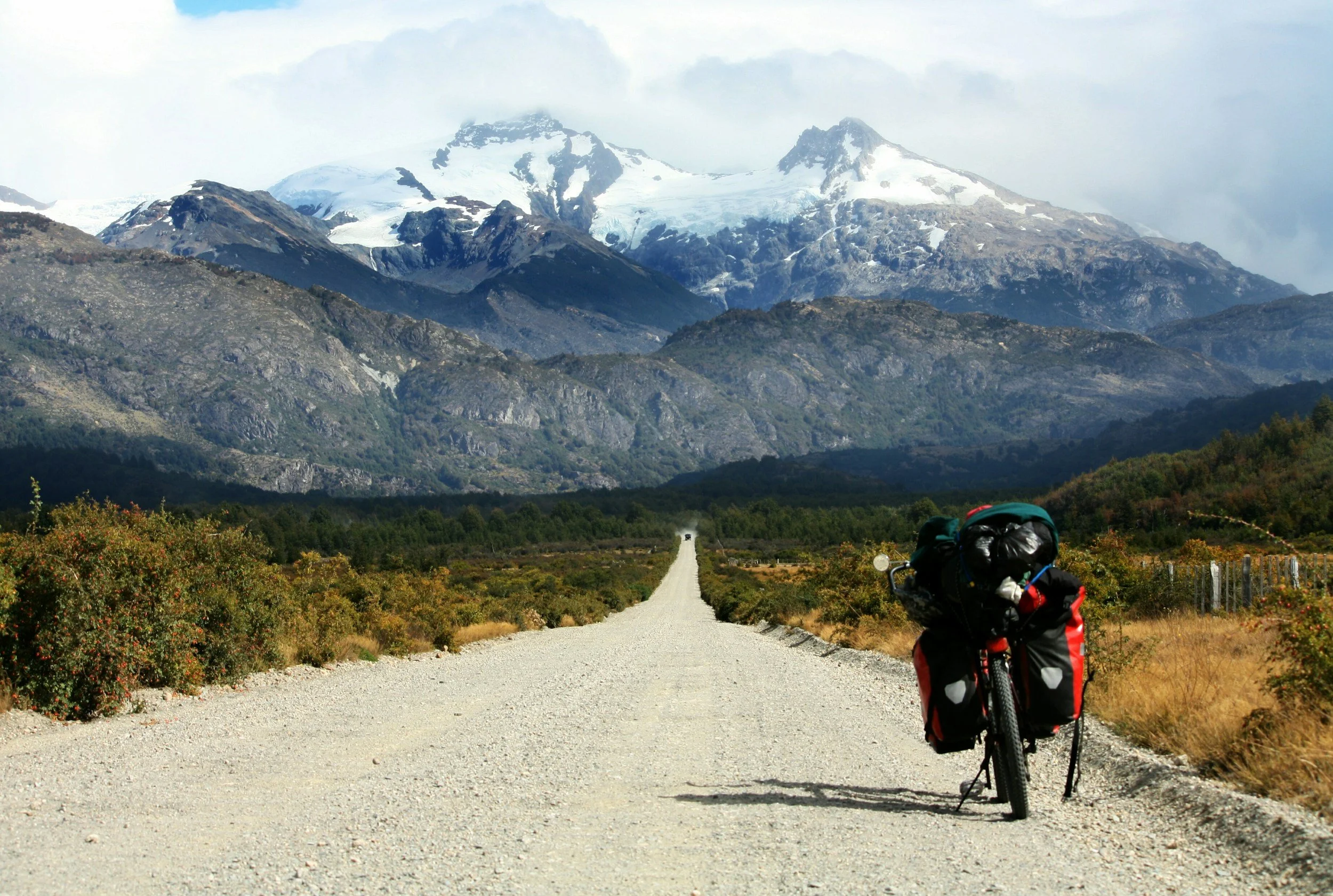
While it isn’t a single destination, I still should mention The Carretera Austral, a highway running through the Aysén region of Chilean Patagonia, stretching around 1,240 kilometers from Puerto Montt in the north to Villa O'Higgins in the south. It passes through all Chile’s most beautiful nature, from glaciers to volcanoes and is an experience of a lifetime.
Things to do:
The two ways to do the Carretera Austral are by bike or by car, and either one is spectacular. Cycling it is the classic backpacker approach and the one that gives you the most out of it. The route has become one of the great long distance cycling journeys in the world and you will meet other cyclists the whole way. Obviously it’s hard work and I’d say do it south to north like most. Driving is the same but you definitely need to rent a 4WD for proper freedom. Either way you’ll see the best of Chile along this route.
How to get there:
The best starting point for north to south is Chaiten, and for the reverse start at Villa O'Higgins.
You can reach Chaiten via ferry from Puerto Montt, and reach Villa O’Higgins with a bus from Cochrane.
Support the Site
If these guides have helped your travels, consider buying me a coffee ~ it helps keeps the content free!
buymeacoffee.com/roamingideas