The Best Places to Visit in Bulgaria
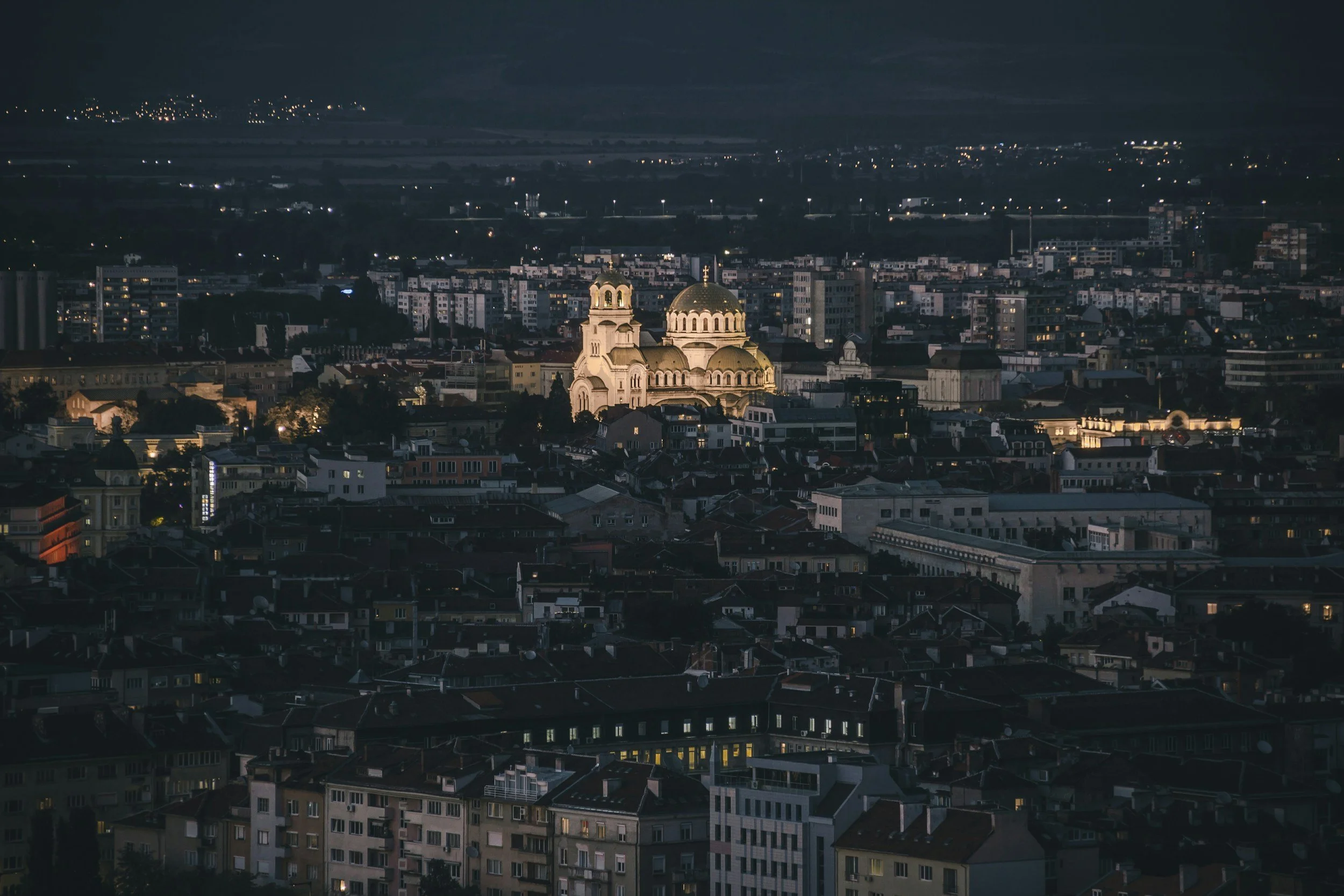
Bulgaria is a country in Southeastern Europe that sits at a crossroads between the Balkans and the Black Sea, with a long coastline on the sea itself. The country is apart of the European Union, and as of January 1st, they now officially use the Euro as the official currency. Bulgaria has a diverse landscape, being home to large mountainous regions, as well as stunning beaches and long flat areas of plains. Bulgaria has one of Europe's oldest continuous histories, including Thracian tribes, Roman provinces, Byzantine rule, medieval Bulgarian empires, Ottoman occupation for nearly 500 years, and a communist period until 1989. Nowadays, it’s a great European destination for city breaks, hikes and more.
Capital: Sofia
Currency: Euro
Language: Bulgarian
When to visit: April to October
Looking for somewhere to stay?
Find the Best Hostels in
Bulgaria →
1) Sofia
If you plan to visit Bulgaria, you’re probably going to find yourself in Sofia, the cities capital. The roots of this city date back all the way to 7000 BC, which is clearly visible in the cities architecture. The city, however, still feels relatively modern and busy, with its own grid layout, good public transport, and countless shops and businesses over every street. Whilst it isn’t overly touristy, it is still Bulgaria’s largest city and nearly 1.3 million people live inside the city area.
Things to do:
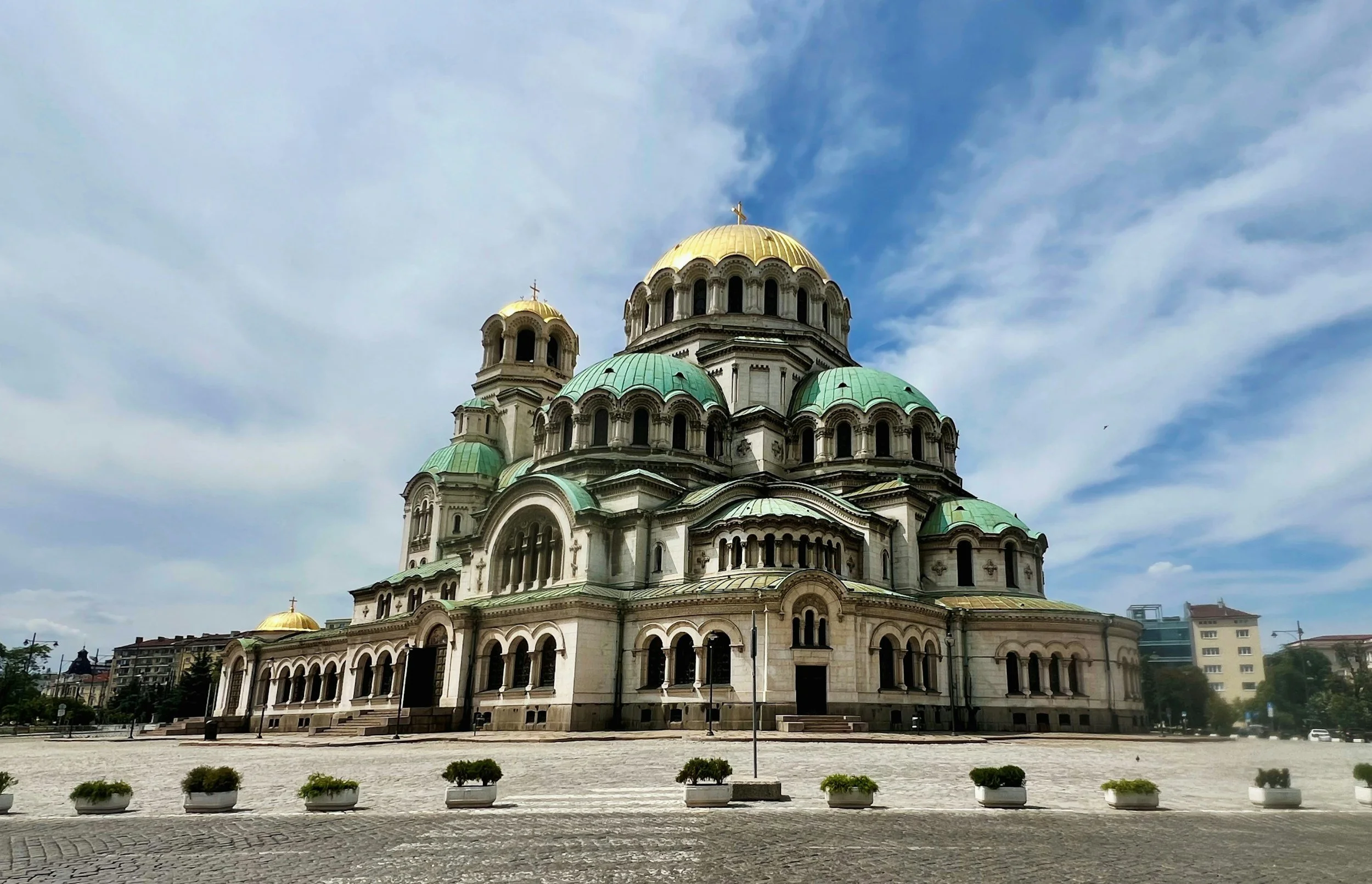
The main attraction in Sofia is the Alexander Nevsky Cathedral, a massive Eastern Orthodox Cathedral easily recognizable by its green tints and gold domes. Another religious building you can visit is Boyana Church (a UNESCO Site), which has some of the most beautifully preserved medieval frescoes in Europe. Vitosha Blvd is the cities main lively street, which you should walk down and visit. Go and check out the Ancient Serdica ruins, a set of Roman ruins inside Sofia. For more history, you can check out the Sofia History Museum too. (For nature outside of Sofia, check the next destination).
How to get there:
Sofia Airport (SOF) serves the city, and flights are well connected all around Europe by various airline types.
There are otherwise reliable bus routes from surrounding cities like Skopje, Bucharest, Thessaloniki and Plovdiv.
Check routes with FlixBus, or book with Omio.
2) Vitosha Mountain
Hike Name/Length: Cherni Vrah (Black Peak) (3km to 14km)
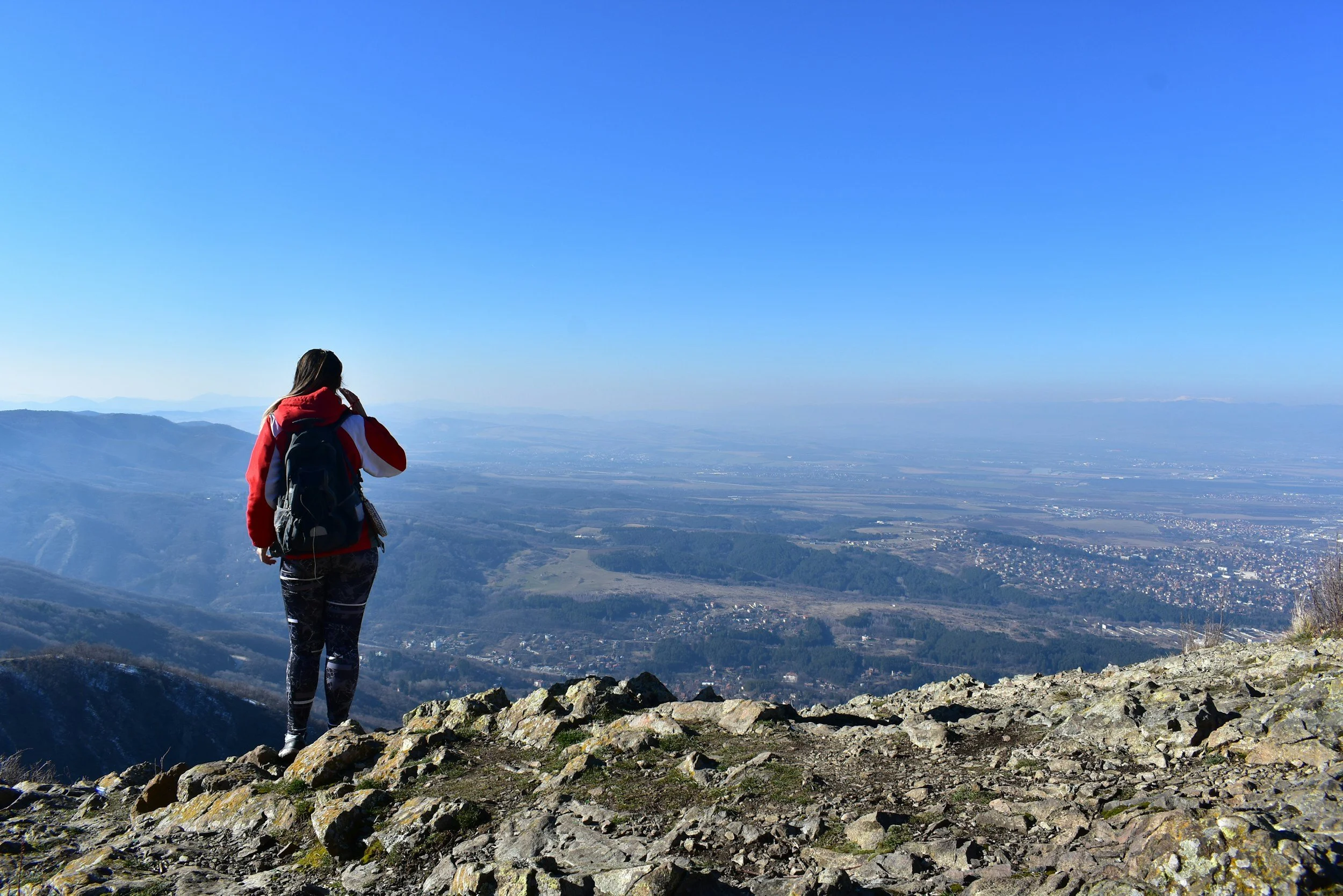
Vitosha Mountain is a dome-shaped massif immediately south of Sofia, Bulgaria's capital, and it is so close that parts of the city suburbs reach its foothills. It's the most visited mountain in the country, essentially Sofia's backyard playground for hiking, skiing, and day trips. The hike is super underrated, and the views are so high up in the sky from the peak, Cherni Vrah.
Hiking Routes:
There are a few ways to get to Cherni Vrah.
You can start from AlekoHut, and then hike to the top and back down (Easy)
You can also start from Zheleznitsa village, then hike up to Cherni Vrah and back down whichever way you like (Moderate)
Otherwise, you can start at Yarlovo village, hike to Yarlovski kupen peak, then to Cherni Vrah before heading back down whichever way you like (Hard)
There are many more routes, and you can mix and match start and end points, but these are my 3 recommendations.
How to get there:
Sofia has an accessible and frequent bus route to all of these places, however Yarlovo Village is reccomended to access with car. Dont come down too late at night if relying on public transport.
3) Seven Rila Lakes
Hike Name/Length: Seven Rila Lakes Hike (~7km)
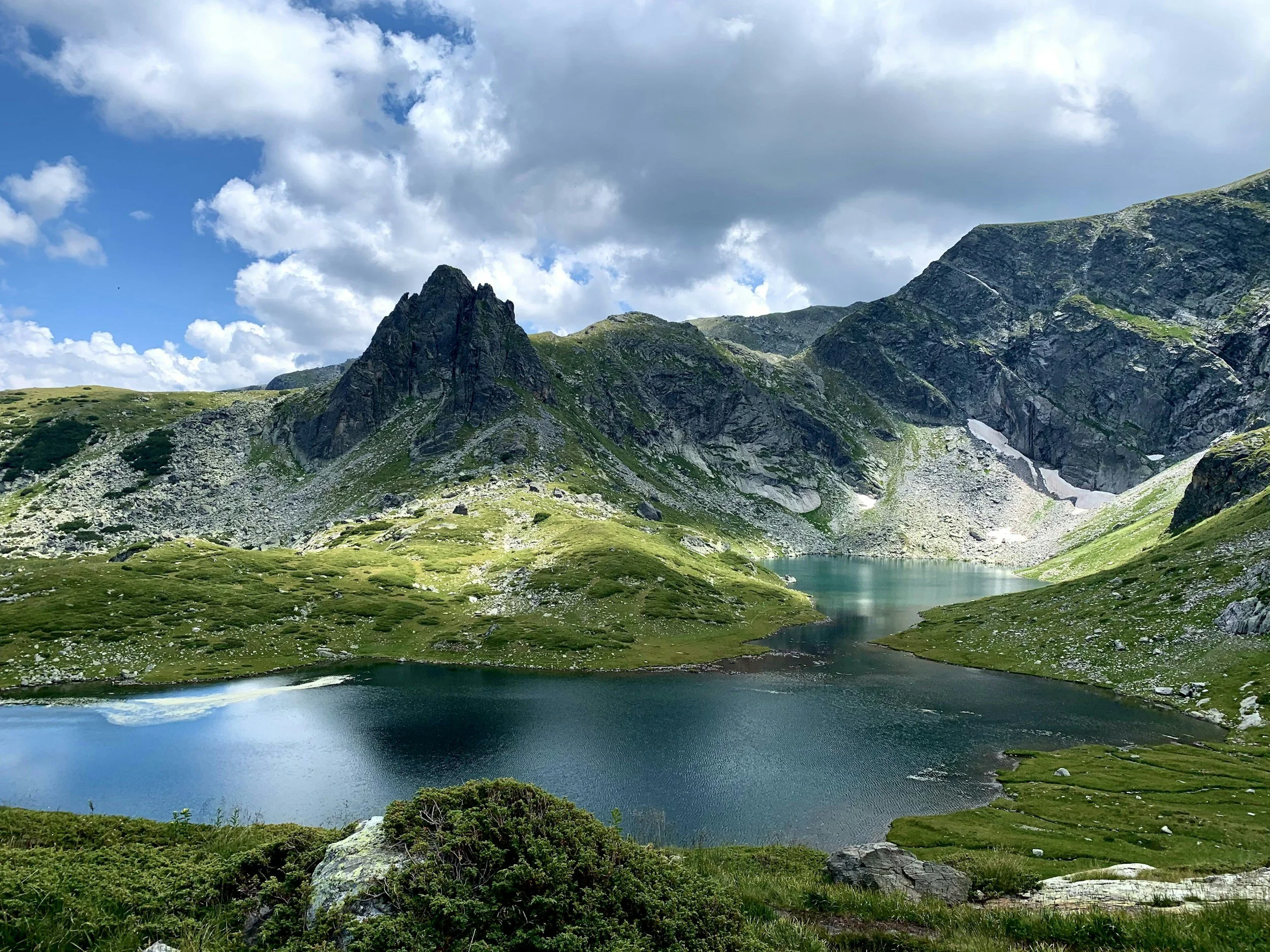
The Seven Rila Lakes are a stunning group of glacial lakes high in the Rila Mountains of Bulgaria, considered one of the country's most iconic and beautiful natural attractions. They sit in a cirque at elevations between 2,100 and 2,500 meters, and the view all around is just breathtaking. You’ll pass through Alpine Mountains, meadows, rocky areas and of course the crystal clear waters of each of the lakes.
Where is it:
The Rila Mountains sit in southwestern Bulgaria, about 120km away from Sofia, making it a popular day trip for hikers.
How to get there:
The best way to do this hike is to join a tour/hiking group expedition as public transport is tricky and limited for this hike. Many hostels have ways to organize this for you. To start the hike, the chairlift goes from Pionerska Hut to Rila Lakes Hut.
4) Rila Monastery
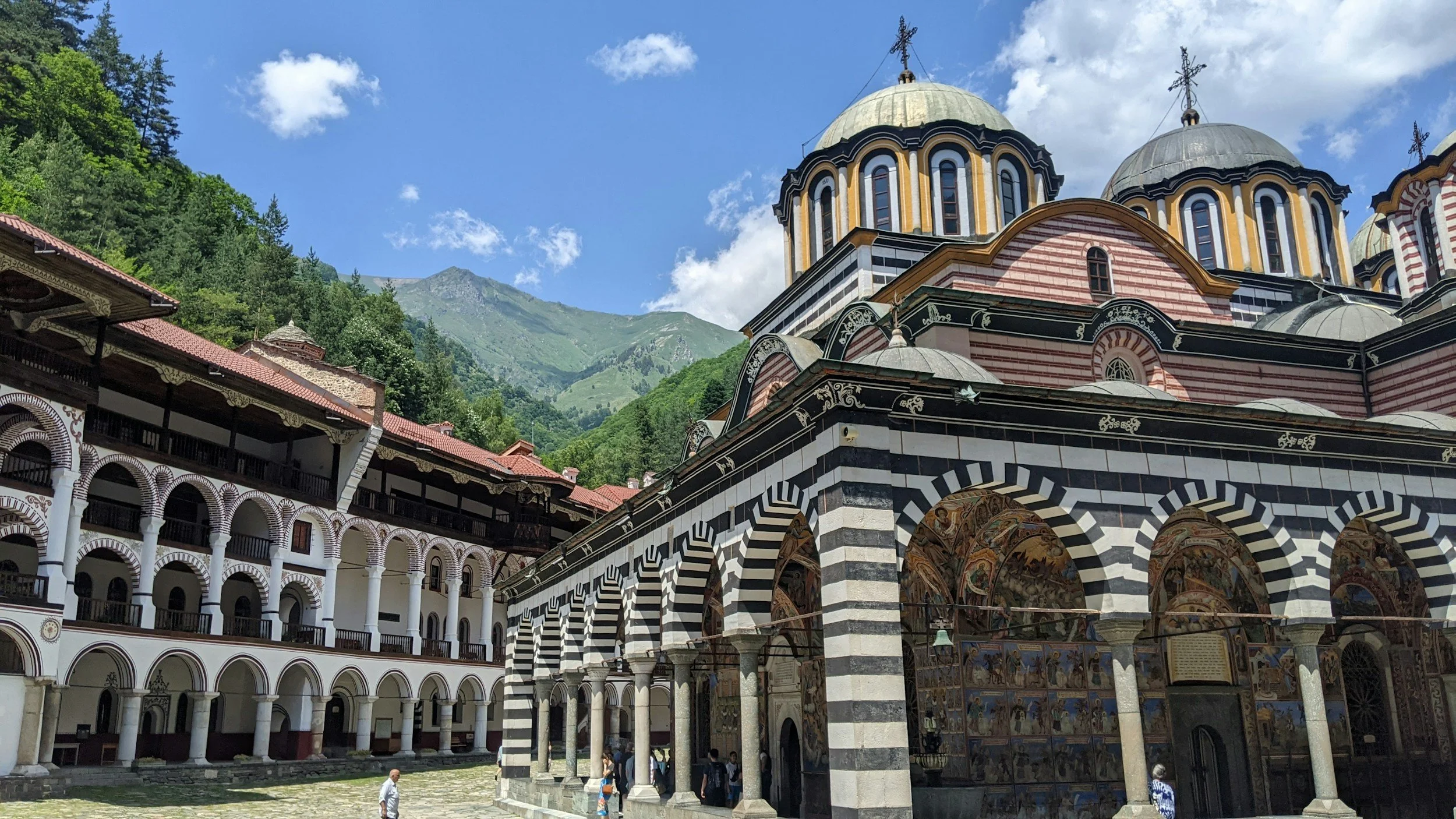
Rila Monastery is Bulgaria's largest and most important Eastern Orthodox monastery, widely regarded as the country's most significant cultural and spiritual landmark. It's a UNESCO World Heritage Site and one of the finest examples of Bulgarian Renaissance architecture. It sits in a dramatic alpine valley surrounded by peaks, forests, and rivers which is why it is such an incredible place to visit.
Where is it:
Just like the lakes, Rila Monastery is located in the Rila Mountains, about 120km from Sofia and 25km to the town of Rila. It’s a very remote and peaceful destination and is perfect for a day trip from Sofia.
How to get there:
To get here, you’ll need to use a shared shuttle service or an organized day tour. There are an abundance of options starting and ending in Sofia. Research and make sure you choose the best option giving you the right amount of time.
5) Plovdiv
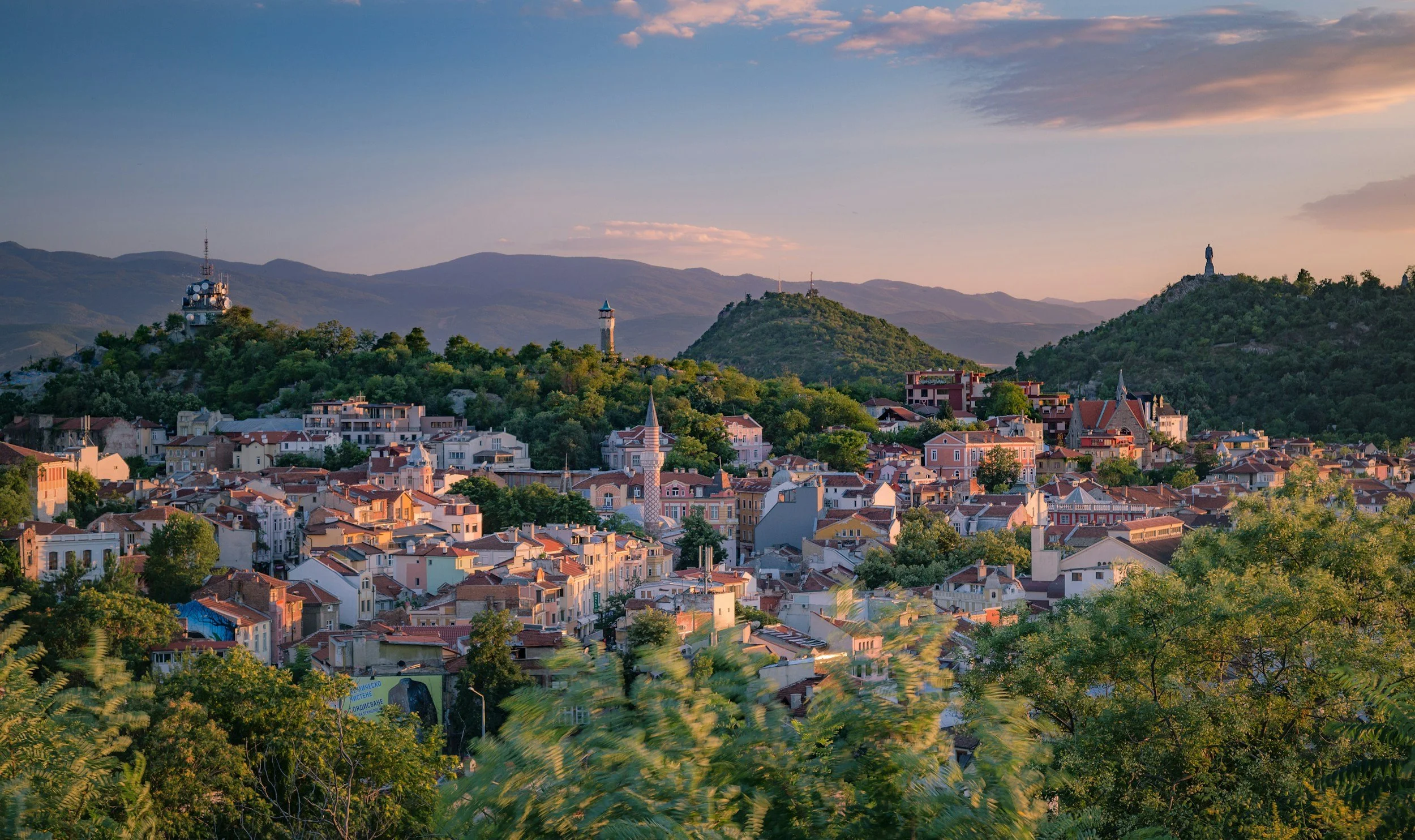
Search up on Google “What is the Oldest City in Europe” and your answer will be Plovdiv, Bulgaria. People have been living there for thousands and thousands of years, and the city is located in the south-central part of the country, on the two banks of the Maritsa River, about 140 km southeast of Sofia and close to the Rhodope Mountains. The place is often called the culture capital of Bulgaria, and for serious history and ancient architecture lovers, it is a must visit.
Things to do:
There are endless pieces of historic Roman ruins around the city. As you wander through the city’s Old Town, look out for the 2nd century Roman Amphitheatre, the Hisar Kapia gate, all of the signature style houses and hidden mosques and churches. Visit the Ethnographic Museum for more information on the history. A short stroll from town is the clock tower, it’s on a hill and you can walk to it. It was built in 1623. Plovdiv actually has 7 main hills, and for the best views of the city i recommend Bunardzhik Hill.
How to get there:
Direct trains run all the time straight from Sofia to Plovdiv.
FlixBus also has cheaper options.
6) Varna
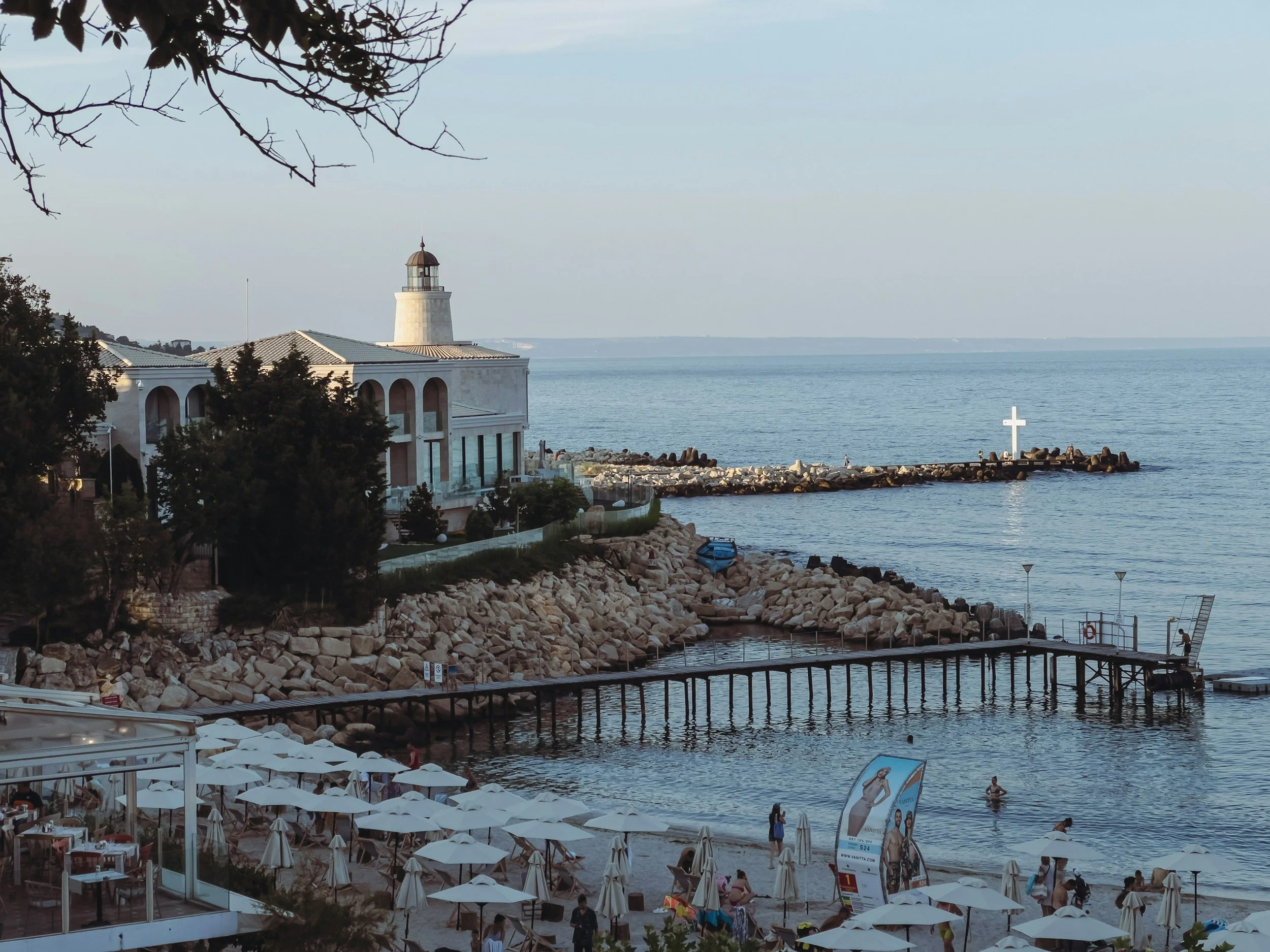
Varna is Bulgaria's third-largest city and the main port on the Black Sea coast, often called the "Sea Capital" or "Summer Capital" of the country. It's located in northeastern Bulgaria, right on the Black Sea. The city is a major cultural and economic hub on the coast, and has a grand feel to it. It is also a big university city, so you may be able to feel that element in the city when you visit.
Things to do:
The big, striking landmark you can’t miss in the city is the Varna Cathedral, a big golden colored Orthodox cathedral with free entry. But you must visit the Sea Garden in Varna. It is a massive seaside park with long promenades and nice gardens. It shines in the summer months. In Varna, you can also find the largest Ancient Roman bath complex in Bulgaria, right in the city center. Walk through and check it out. For more history, the Varna Archaeological Museum is just perfect for history lovers, and is known for it’s golden artifacts. Lastly, visit the beach; my reccommendations for beaches are St. Konstantin, Elena Beach, and possibly Golden Sands Beach.
How to get there:
Your best bet is a FlixBus from other cities in Bulgaria. Some services include direct from Sofia, Plovdiv, and many other towns/cities.
There are direct trains from Sofia but they are often slower in Bulgaria.
7) Veliko Tarnovo
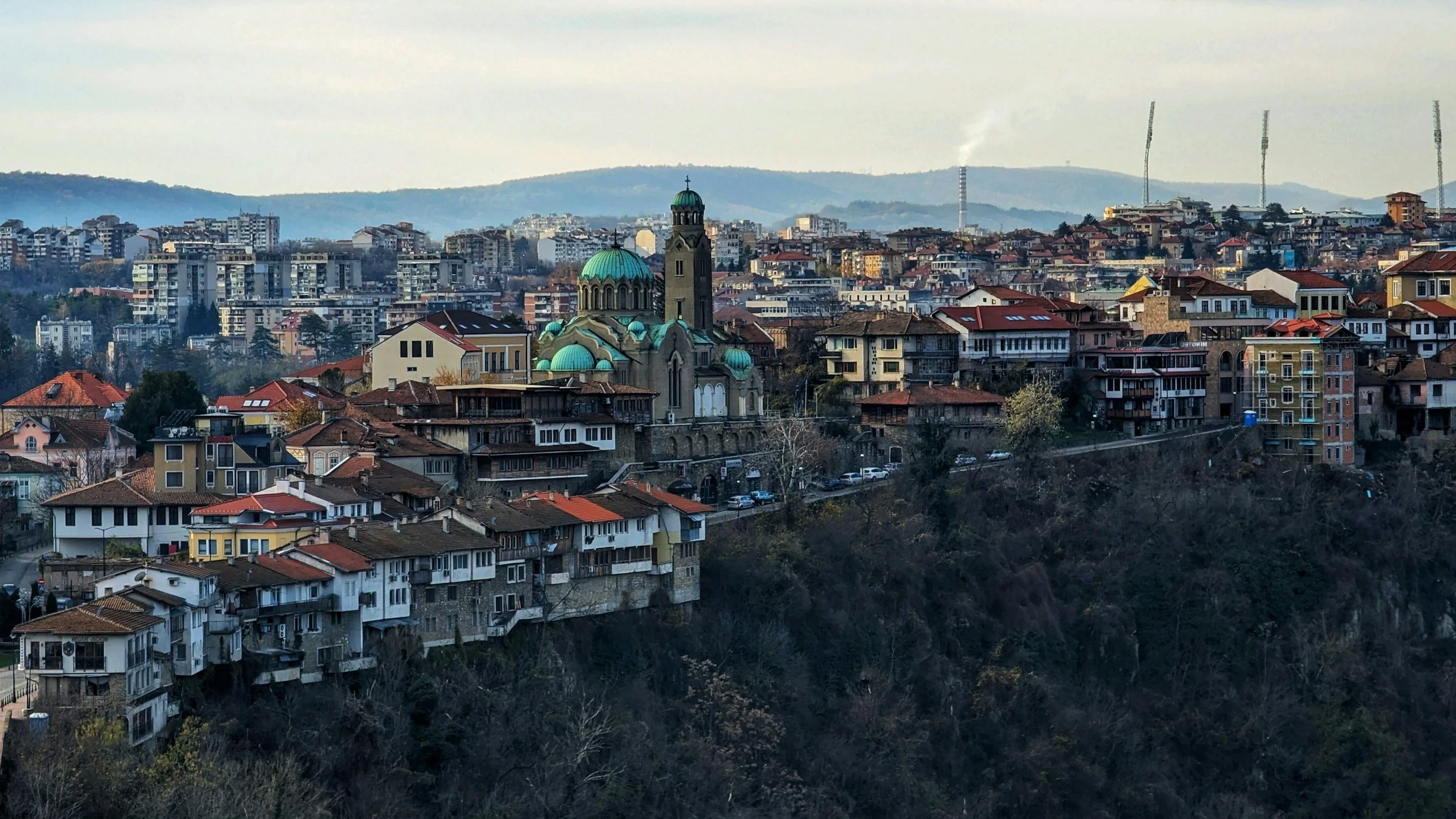
Veliko Tarnovo is a city dramatically built on steep hills along the Yantra River, in north-central Bulgaria. The town has a population of close to 70,000 people, and has many narrow streets as well as views of the gorges below. It is known to be the historic capital of the 2nd Bulgarian Empire, and is now filled with very unique styles of architecture. It is often an unheard about place in Bulgaria, but it definitely has a cool vibe to it which gives it its own special presence.
Things to do:
Head out to Tsarevets Fortress, the massive hilltop ruins of the medieval royal citadel, with towers, palaces, churches, and defensive walls. Close to that is Trapezitsa Fortress, a historic fort with ruins and churches. More inside the city is the Old Town, which is filled with revival-era Bulgarian houses and cobbled lanes. Another prominent landmark sitting on a hill is Monument of the Asen Dynasty, symbolizing the medieval rulers. Lastly, you can take a nice walk along the Yantra River.
How to get there:
Take a bus from Sofia, Plovdiv or Varna. There should be direct services.
Support the Site
If these guides have helped your travels, consider buying me a coffee — it helps keeps the content free!
buymeacoffee.com/roamingideas