The Best Places to Visit in Bolivia
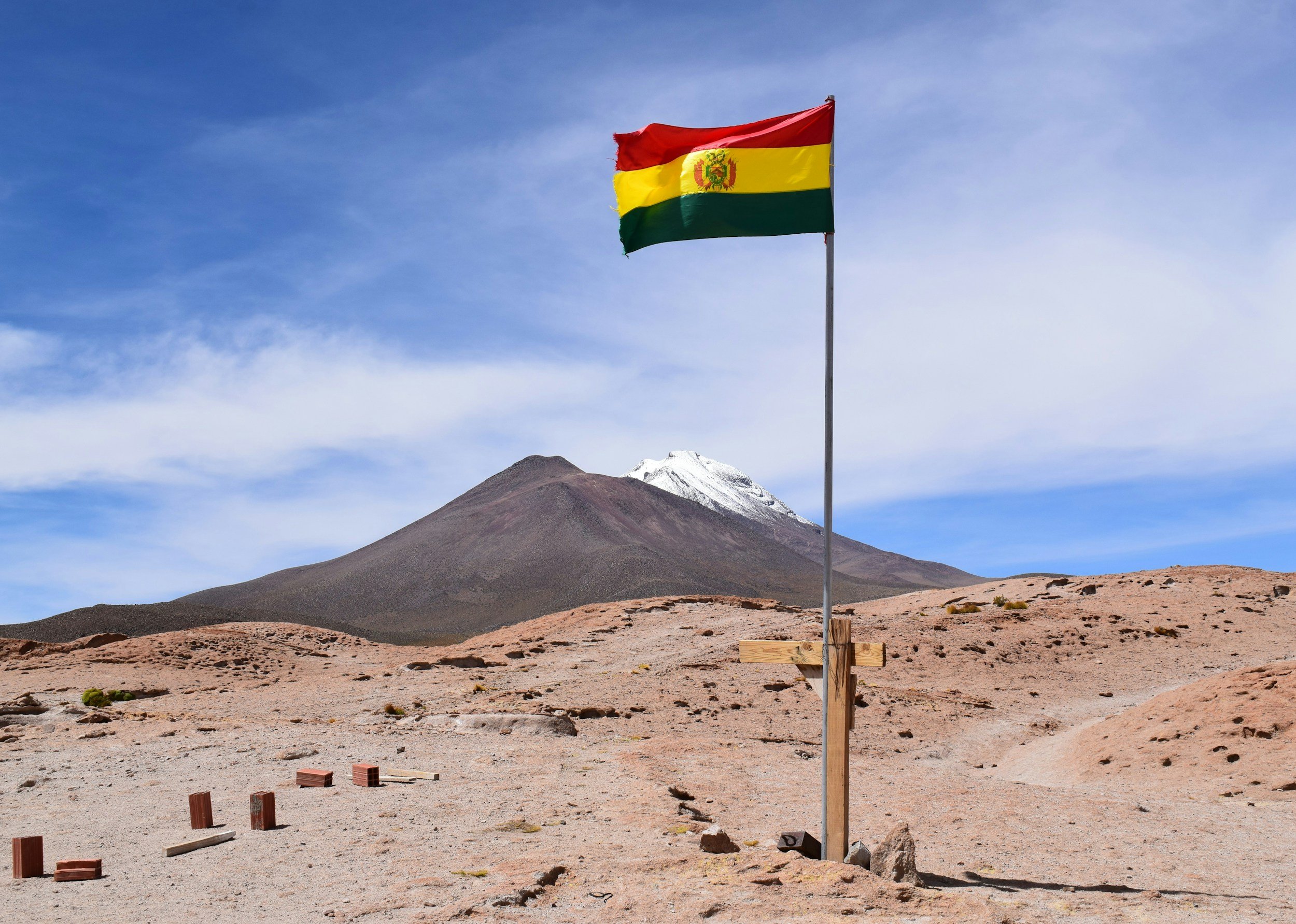
Bolivia is one of two landlocked countries in South America, and features some of the most dramatic and breathtaking natural wonders on the entire continent. The indigenous culture in Bolivia is very strong, it’s often estimated that the majority of the population is of indigenous background. In general, the country is very high in terms of altitude. It’s capital, La Paz, is situated at an altitude of approximately 3,640m high. Over 12.5 million people live in this stunning, sizeable country and it’s considered a photographers dream thanks to the beauty inside.
Capital: La Paz, Sucre
Currency: Boliviano
Language: Spanish, Quechua (+35 More)
When to visit: April to October
1) Salar de Uyuni
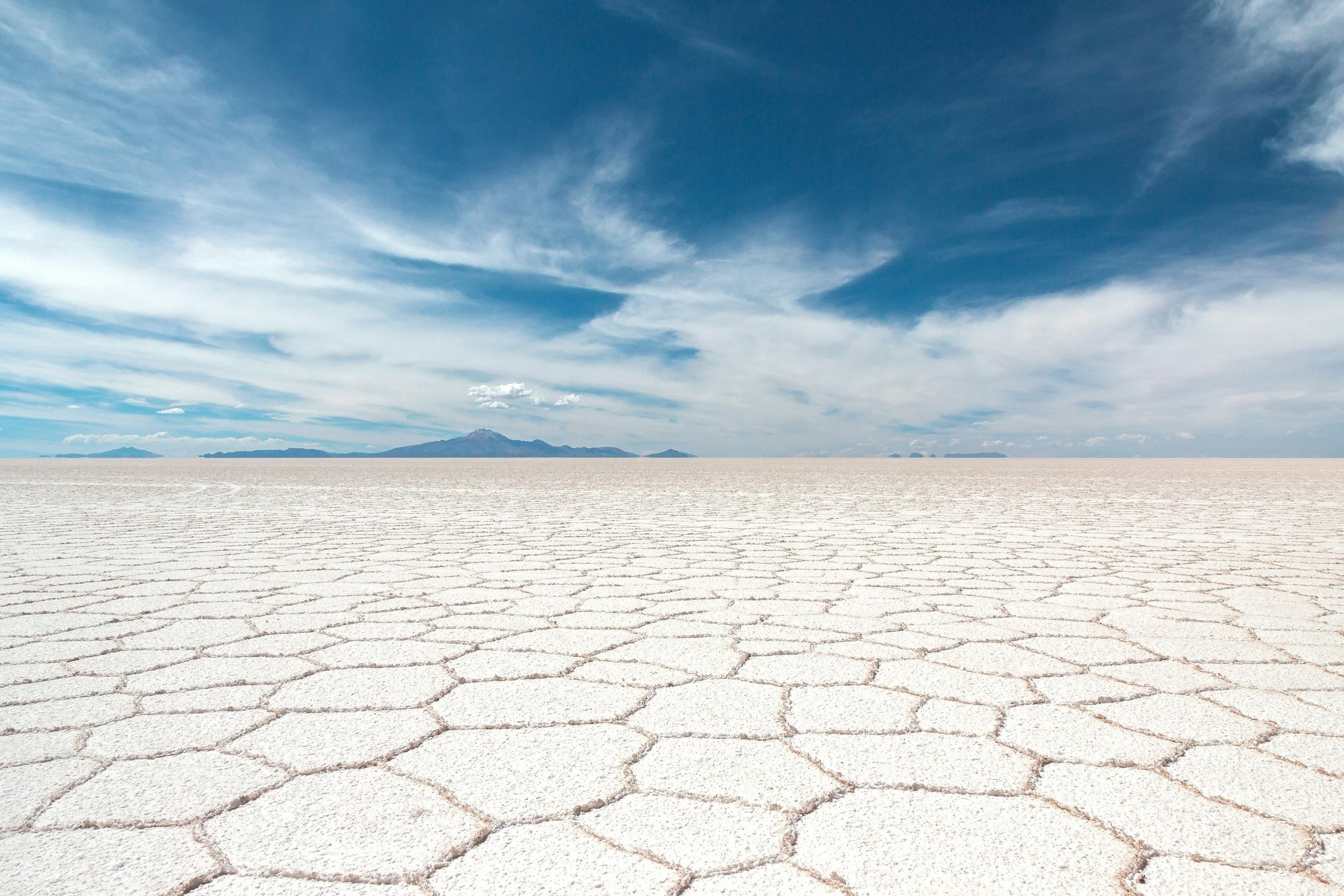
Salar de Uyuni is the world's largest salt flat, down in the southwest of Bolivia. It's a massive, flat expanse of white salt crust that stretches 10,582 square kilometers, it’s one of the most out of this world places on earth. The flat formed about 40,000 years ago when prehistoric Lake Minchin dried up, and is now Bolivia’s top destination by far.
Things to do:
One phenomena tourists like to chase is the Mirror Effect. When there is a a few centimeters of water on the salt flat, usually during rainy season, the salt flat transforms into a vast ‘mirror like’ surface reflecting the sky and backdrop. It makes for some incredible photos. Out in the middle of the salt flat sits Isla Incahuasi, an island covered with giant cactus which you can climb to the top of and get amazing views and photos out onto the white landscape. For tourists, they even have some salt hotels built entirely from salt blocks which you can stay in on your visit.
How to get there:
Uyuni Joya Andina Airport (UYU) is actually right next to the salt flat, and you can fly there from La Paz.
Otherwise, you can bus from La Paz, Sucre or Potosi to Uyuni, the main town.
2) La Paz
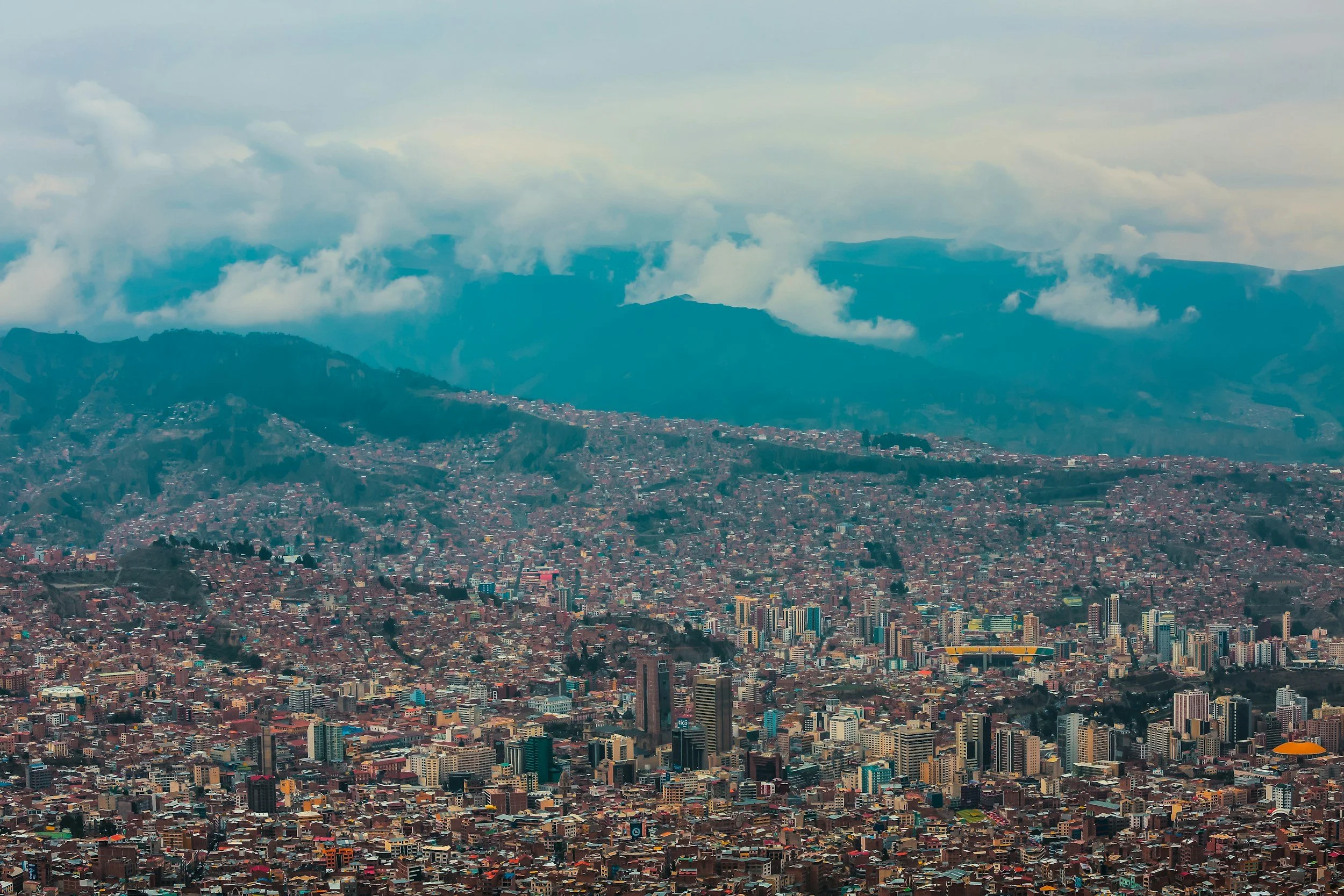
La Paz is Bolivia's administrative capital and the highest big city in the world. It's built inside a massive canyon at about 3,650 meters above sea level, with some neighborhoods climbing up to 4,000 meters. The actual seat of government is Sucre, but everything important happens in La Paz. It’s an extreme city for sure, some streets are very steep with buildings genuinely clinging to hillsides. Be warned before you visit that the air is very thin, which has an effect on some.
Things to do:
Check out the political heart, Plaza Murillo. The Presidential Palace (Palacio Quemado) is here, and it’s a busy area. One popular ‘attraction’ in La Paz is called the Witches' Market, and it really earns its name. They sell some freaky things here, like dried llama fetuses and other potions. Moving on from that, you should ride Mi Teleférico (the Cable Cars), they connect neighborhoods in La Paz and some have really really good views of the massive cityscape. One quick trip outside town and you can find yourself at Valle de la Lun, which is an alien-like landscape filled with unique rock formations that look straight off the moon. La Paz is very large, and has a lot of trendy neighborhoods with good vibes and more great areas like San Francisco Church & Plaza too.
How to get there:
El Alto International Airport (LPB) has direct flights which mainly come from Latin America.
You can also bus from most big cities in Bolivia (Copacabana, Sucre, Cochabamba, Santa Cruz).
3) Sucre
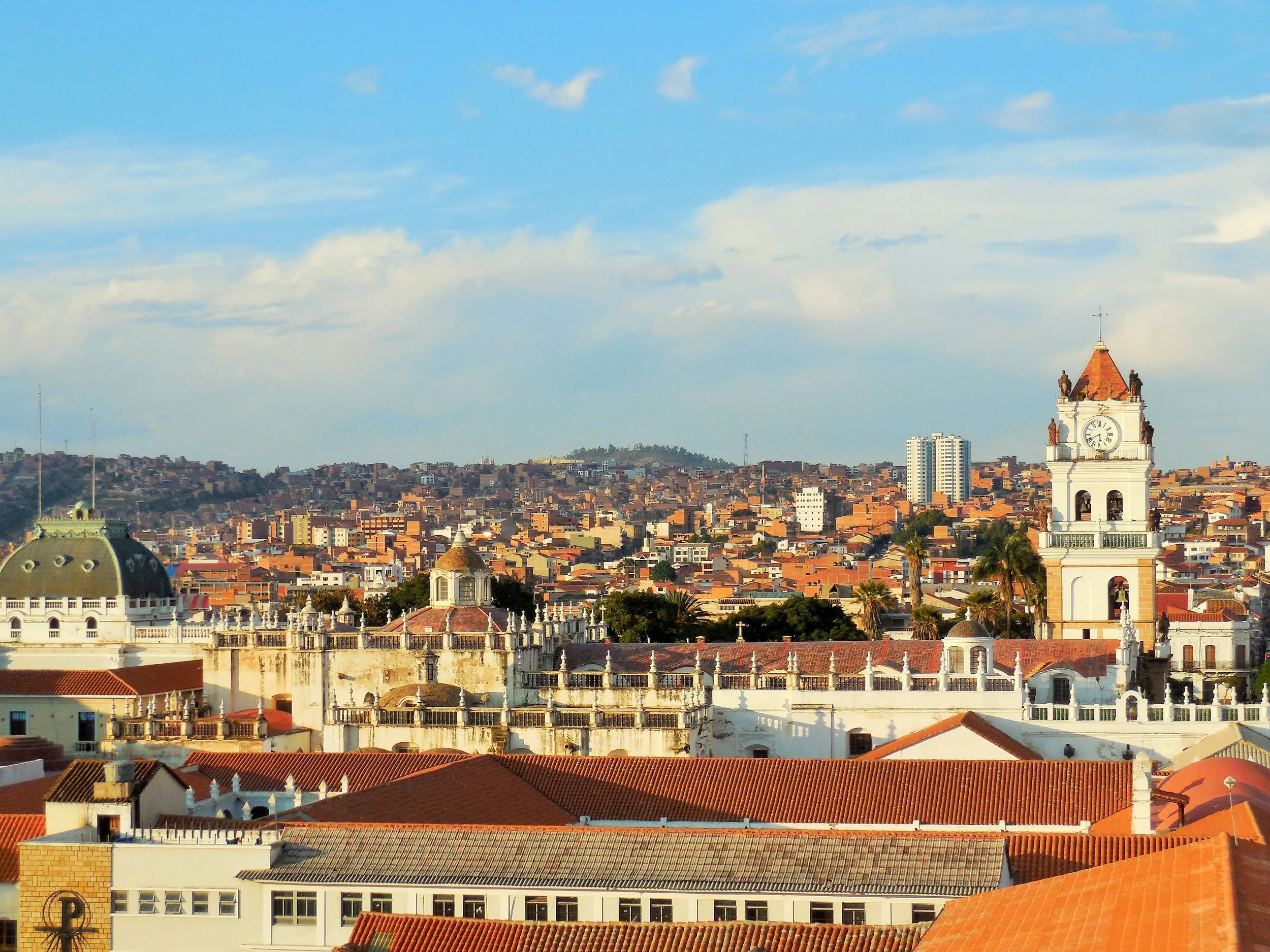
Sucre is the constitutional capital of Bolivia, and is much smaller and quieter than La Paz. It's known in Bolivia as the "White City" because almost every building in the historic center is painted white, and the vibe is very traditional. It’s a very nice city, and the center has earned its title as a UNESCO World Heritage Site.
Things to do:
The historic central square is called Plaza 25 de Mayo, and it’s surrounded by those iconic white buildings. It also contains Casa de la Libertad, an important place where the country signed its declaration of independence. Also in the square is Sucre Cathedral, which has a nice interior in itself. A short walk from the square is Mercado Central, a bustling market which is actually built over several floors and is a good place for local food. I’d also head higher up the hill to Recoleta neighborhood, which has a lot of colonial architecture, plus a clean look and good views down over the city.
How to get there:
Sucre Airport (SRE) has domestic flights within Bolivia available.
Otherwise, you can take a long bus from La Paz or Santa Cruz.
4) Laguna Colorada
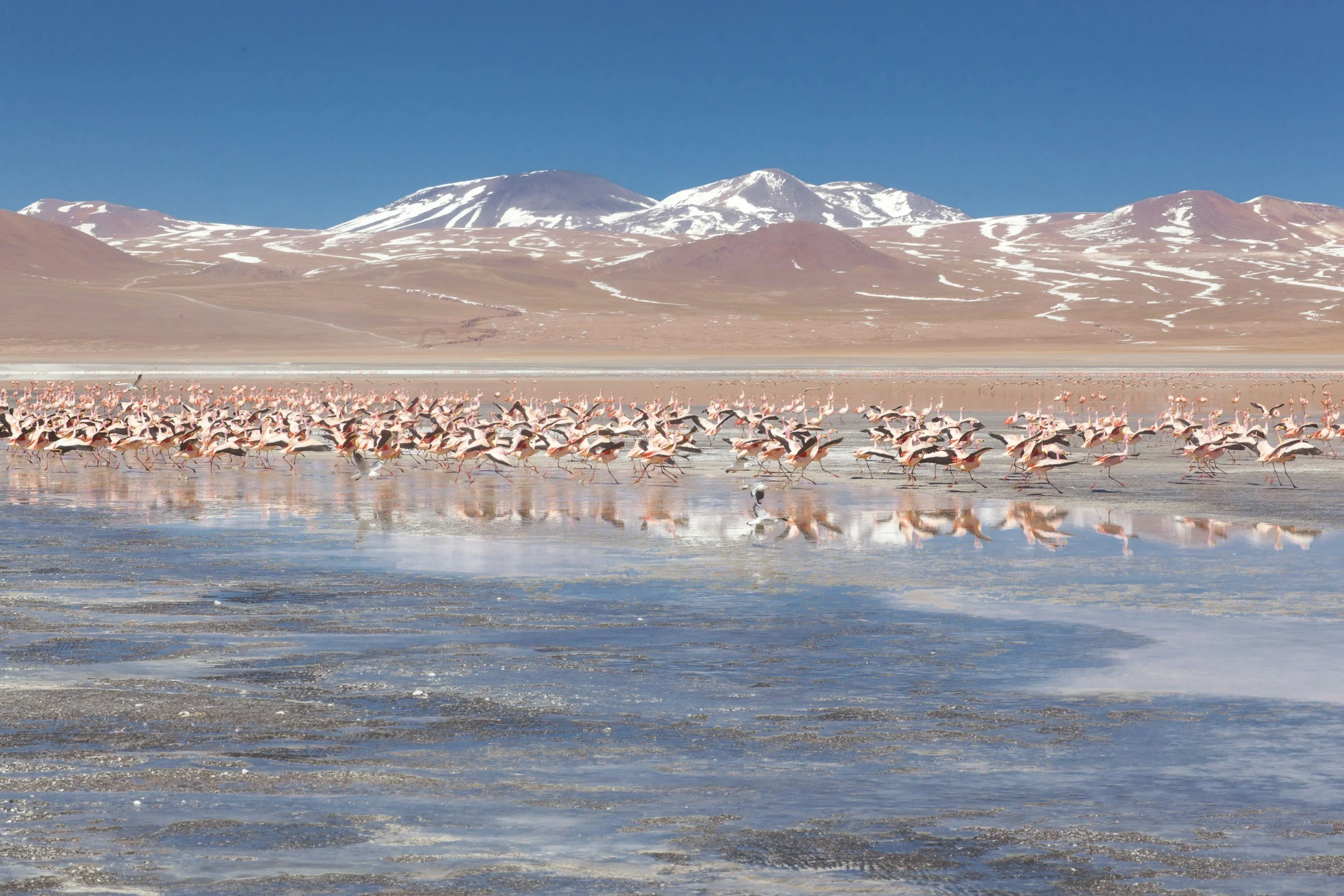
Back to the beauty of Bolivia’s landscapes, Laguna Colorada is an iconic spot in the far southwest of the country, below the salt flat. It’s a striking red-colored lake, and in my opinion one of the most surreal spots in the entire country. Of course the lake and the backdrop is impressive in itself, but what’s even cooler is the flamingos which feed on the algae there. It’s an incredible scene all in all.
Things to do:
Most people visit on a day tour, so you don’t stop for too long which makes sense as there isn’t much to do besides see and take photos of this beautiful landscape. You can walk around the lake and see all the different angles whilst the volcanoes surround the area.
How to get there:
It’s not really possible to visit independently, so you need to book through a tour company (usually includes the salt flats).
5) Potosí
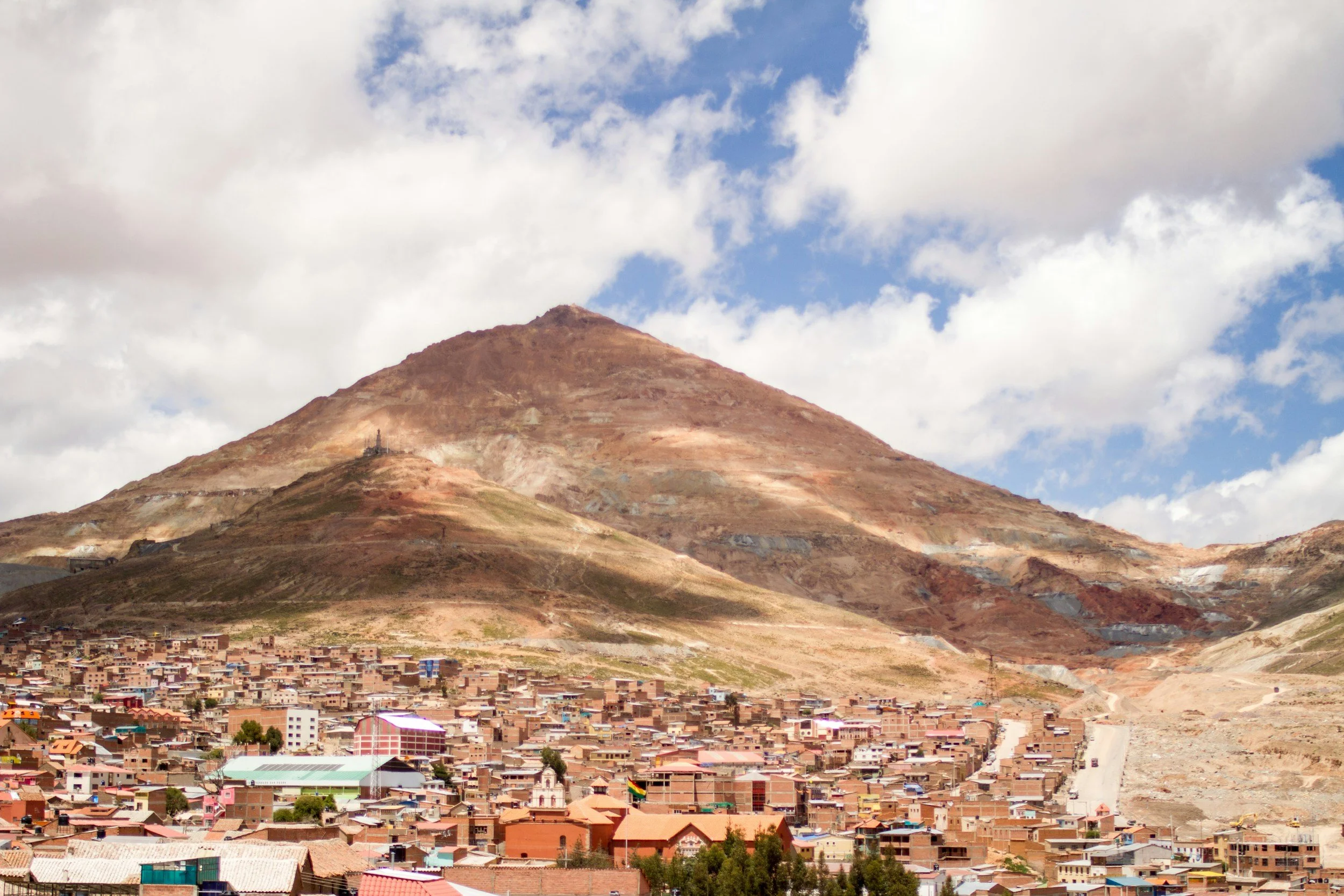
Potosi is a historic mining city in southern Bolivia, sitting at about 4,090 meters above sea level, therefore making it one of the highest cities in the world. The mining history comes from the famed mountain named Cerro Rico, where the city got it’s riches from. Back in the 16th and 17th centuries, Potosi was one of the wealthiest cities on earth, and was bigger than London or Paris.
Things to do:
In the city itself, you have historic spots like Plaza 10 de Noviembre, San Francisco Church, and Casa de la Moneda (the Royal Mint Museum). However for those genuinely interested in the mining history, the mountain of Cerri Rico is the real draw. Guided mine tours are the main thing, they take you into the tunnels and you can see the rough conditions miners have worked in for centuries. It really is an eye-opening way to see how the industry still operates. The altitude hits you hard here too, so keep that in mind.
How to get there:
Most common is a bus from Sucre, or overnight from La Paz.
Support the Site
If these guides have helped your travels, consider buying me a coffee ~ it helps keeps the content free!
buymeacoffee.com/roamingideas