The Best Places to Visit in Austria
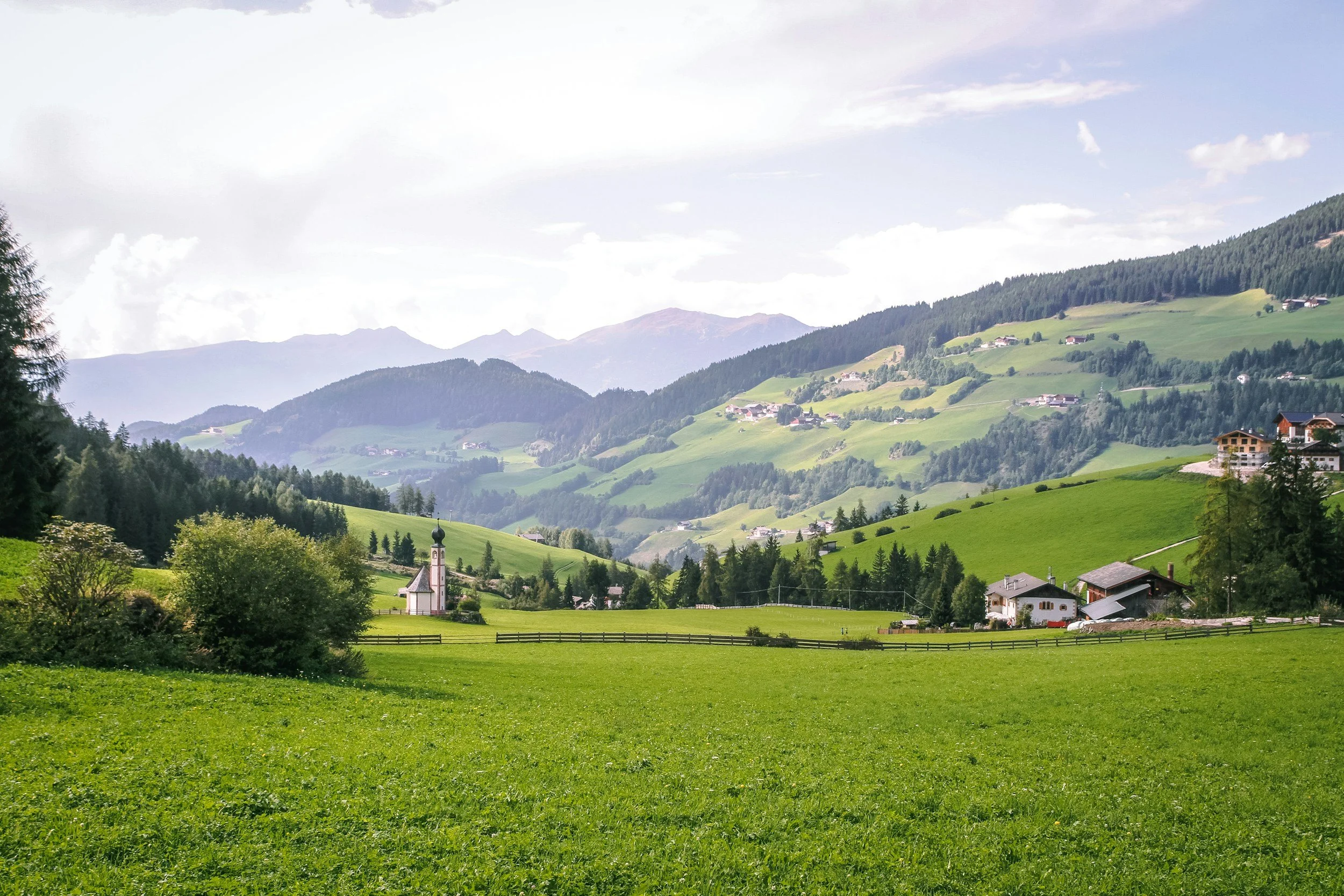
Austria is a landlocked country in Central Europe, best known for its alpine landscapes, classical music heritage, and historic imperial cities. When it does come to the music, Austria is known for its history of influential composers and artists, such as; Mozart, Haydn, Beethoven, Schubert, Strauss, Mahler, and more. The country in general is rich in history, and this is reflected through the grand, classic architecture. Austria is a high-income country with a strong economy focused on tourism, manufacturing (automotive, machinery), and winter sports. It's consistently ranked among the world's safest and highest-quality-of-life countries. It is a great place to visit if you like beautiful nature mixed with culture in big cities.
Capital: Vienna
Currency: Euro
Language: German
When to visit: May to December
Looking for somewhere to stay?
Find the Best Hostels in Austria →
1) Vienna
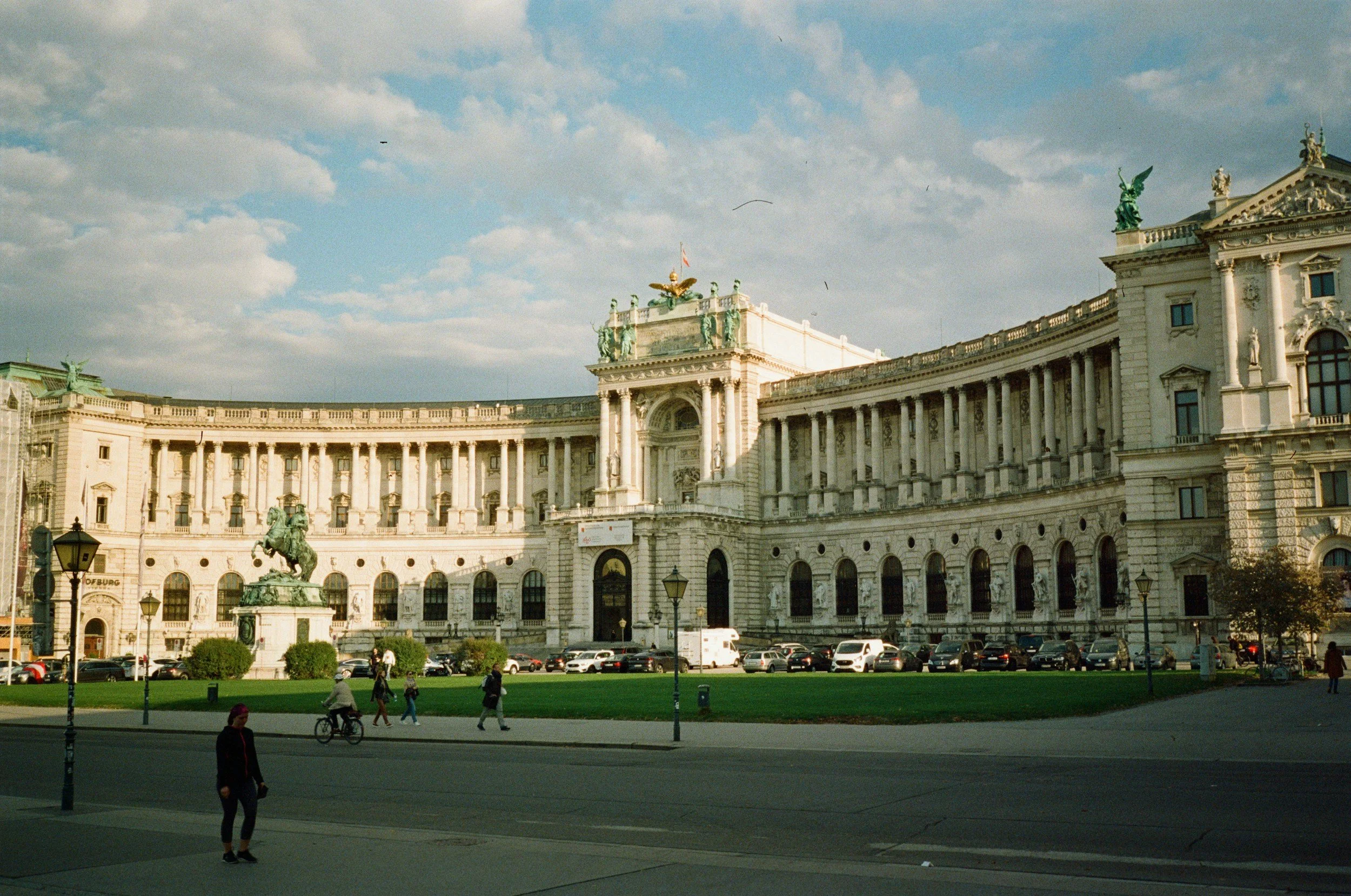
If you’re traveling around Europe often, you’re probably going to find yourself in Vienna at least once in your life. It is Austria’s capital city, home to around 2 million (mainly unfriendly) people. The city has been shaped by centuries of being the heart of the Habsburg Empire, and you can spot this imperial influence all around the city. Vienna is constantly ranked to be one of the worlds most livable cities with excellent transport options, green spaces and great safety.
Things to do:
Go and check out the Schönbrunn Palace, and then check out its garden area, which is massive with many different buildings, zoos and cafes. Vienna’s citycenter is a UNESCO World Heritage Site with many incredible buildings and spots. Some of the must sees are: Hofburg Palace, the Kunsthistorisches Museum Wien, the State Opera, and definitely the Vienna city hall. As well as this, you should stroll through Volksgarten. Some other architectural marvels outside the city center are Karlskirche, and Belvedere Palace (which is incredible). You can also head on over to Prater Wien, which is the worlds 2nd oldest amusement park. You can really just walk round Vienna and it feels like there will be something interesting on every corner.
How to get there:
Vienna International Airport (VIE) is Vienna’s airport, It has direct flights from nearly every major city in Europe, plus long-haul routes from North America and a lot of Asia.
You can very easily get a train from other big cities all around the region, such as Munich, Prague, Budapest, Salzburg, and so much more.
FlixBus offers cheaper options than trains, with hundreds of routes.
Check FlixBus routes here, or book with Omio.
2) Hallstatt
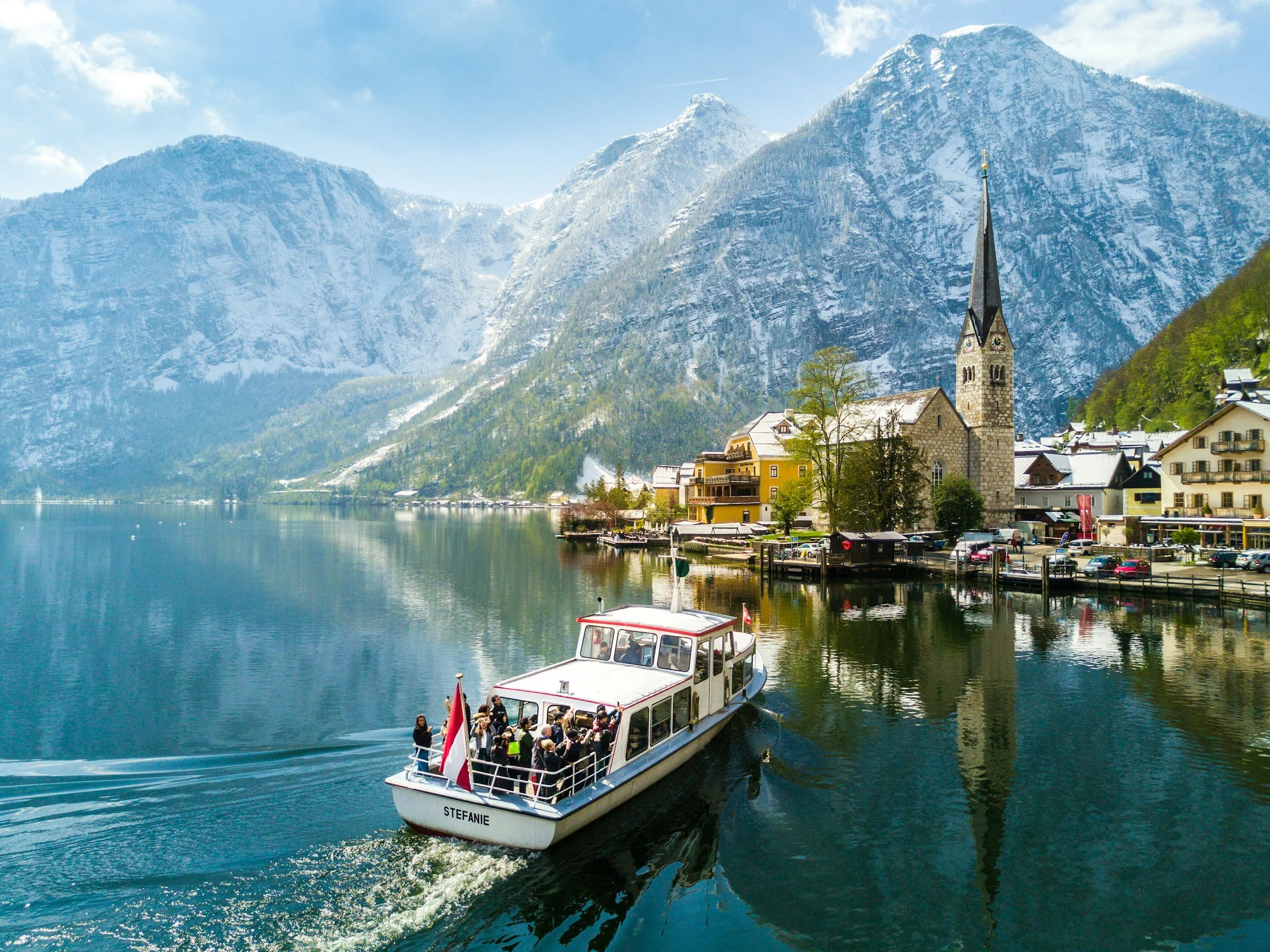
Hallstatt is a tiny, picturesque village in the Salzkammergut region of Upper Austria, nestled between the steep slopes of the Dachstein massif and the southwestern shore of Lake Hallstatt. It's one of the most photographed and iconic spots in Austria, often called the "world's most beautiful lakeside village" for its postcard backdrop. The permanent population of the village is determined to be less than 1,000 people, yet it still gets up to 10,000 visitors a day in peak months.
Things to do:
Most people don’t spend too long in Hallstatt, it is often just a destination to see, photograph and admire the view from across the lake. There are small streets in the Town area you can walk through, which are still just as picturesque. Stop in at Marktplatz and see for yourself. Lastly, some tourists opt for a boatride in Lake Hallstatt as a different way to see the village.
How to get there:
You can take a train, mostly direct, from Salzburg to Hallstatt Bahnhof, which is across the lake, not in the village.
The best way is to take a FlixBus direct from Salzburg. You can also go from Vienna but it is a lot further.
3) Salzburg
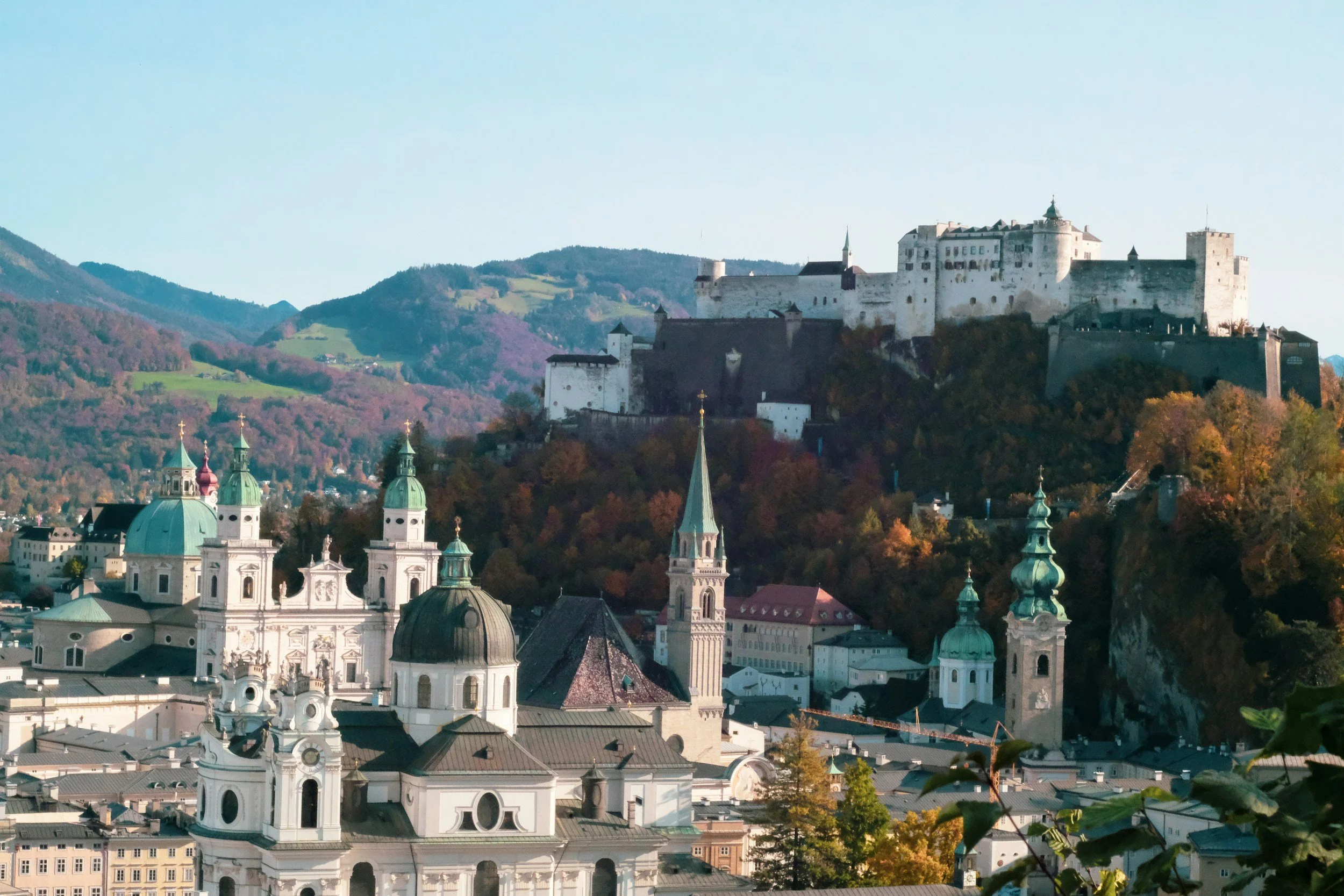
Salzburg is one of Austria’s most charming cities, called the ‘City of Mozart.’ It was his birthplace back in 1756, and the house where he was born is now a museum in the city. Salzburg is found in the north-central part of Austria, right by the German border. The whole city has a lively, historic feel and you can really immerse yourself in the culture and feel the importance of music in Salzburg.
Things to do:
You should go and see HohensalzburgFortress, The massive 11th-century fortress perched on a hill. You take the funicular up and then you can explore, and get a view down onto the city. In the OldTown of the city, there are countless narrow streets and Baroque churches for you to admire, as well as shopping options. The two key Mozart sites in the city are Mozart’s Birthplace, the house on Getreidegasse, and the Mozart Residence on Makartplatz which was his later family home. Other sites in and around the OldTown are SalzburgCathedral, and St. Peters Abbey. Lastly, I should mention the famous MirabellGardens, where part of the Sound of Music was filmed (Do-Re-Mi).
How to get there:
Salzburg Airport (SZG) has flights from several European cities daily.
You can easily get a quality train direct from big cities like Munich, Vienna and Innsbruck, as well as other places around Austria.
FlixBus has cheaper, yet slower options from various towns and cities all around Europe.
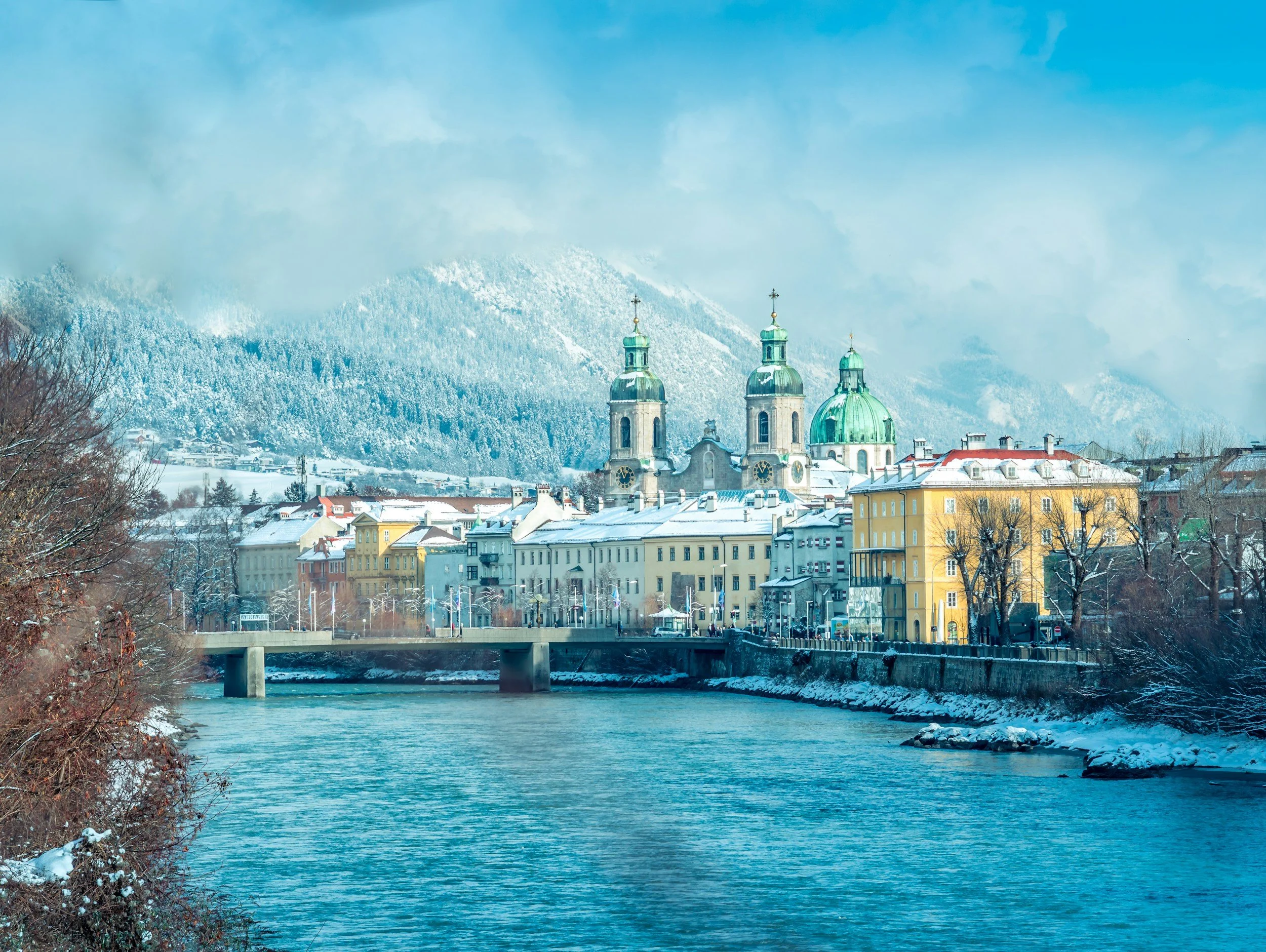
4) Innsbruck
Innsbruck is Austria’s fifth largest city nestled inside a dramatic valley, and it appeals to travelers thanks to all the alpine peaks which lie all around the city, as well as its classic European historic architecture. Historically, Innsbruck actually served as a major trade crossing point over the Inn River. Innsbruck is found in the west of the country, with the German border directly north and the Italian border directly south, in the center of the Tyrol region. It’s one of Austria’s best city destinations.
Things to do:
Of course, you’ll find yourself in the Old Town of Innsbruck, a charming area with colorful buildings and Baroque facades. You can see the Golden Roof, the cities famous attraction as well. Hofburg Innsbruck is a 16th century imperial palace with interesting interior design which is an amazing piece of architecture. On the topic of castles, Ambras Castle is a beautiful Renaissance castle on a hill south of the center, with an armory, portrait gallery, and formal gardens. Lastly, you can ride the Nordkette Cable Car up to one of Tyrol’s mountain chains, and then back to Innsbruck.
How to get there:
Innsbruck Airport (INN) serves mainly low cost airlines around Europe.
You can take an efficient, direct train from major cities like Munich, Vienna, Zurich, Salzburg and more.
Otherwise, FlixBus is a cheaper, yet slightly slower option.
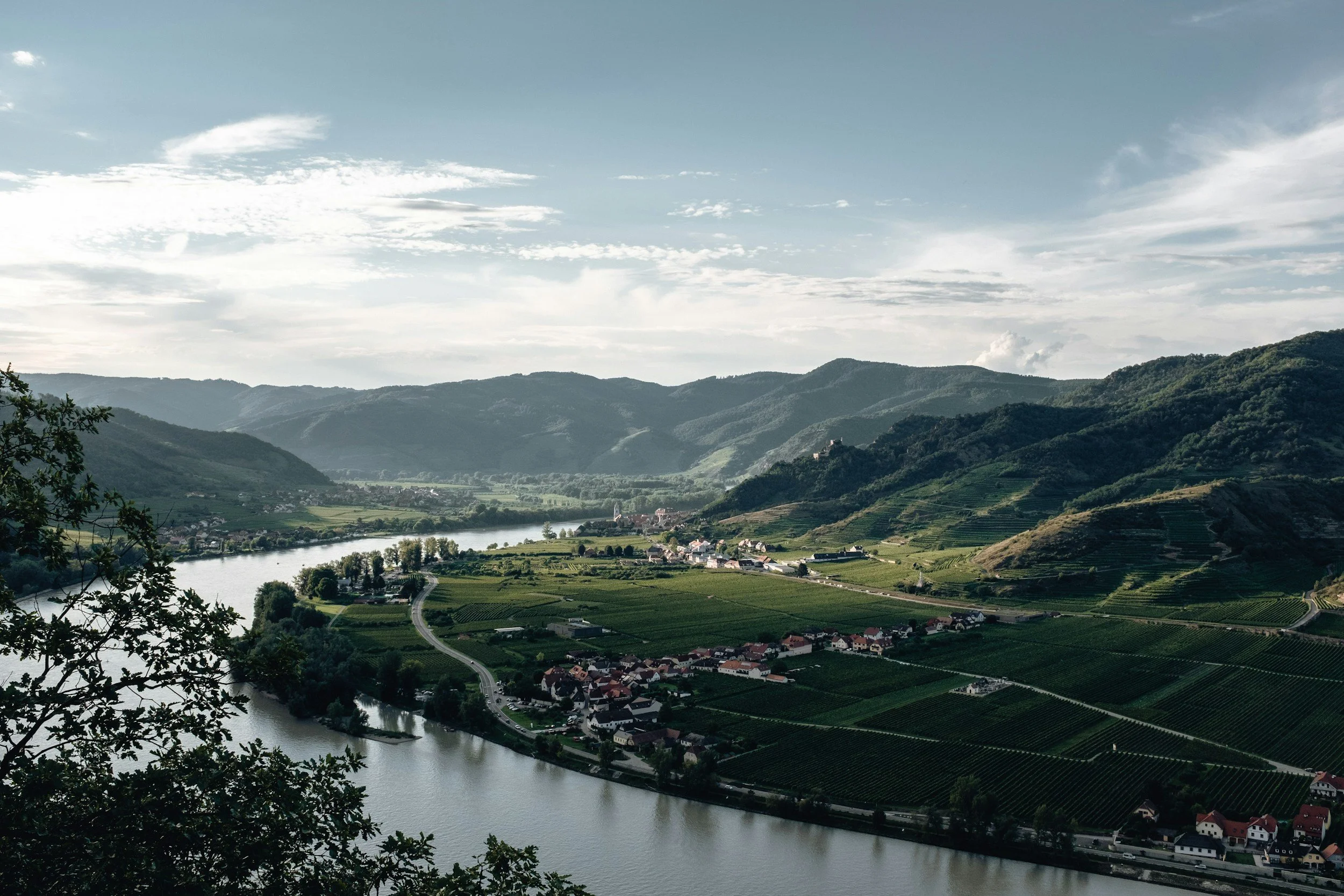
5) Wachau Valley
The Wachau Valley is a stunning 36-km stretch of the Danube River in Lower Austria, between the towns of Melk and Krems, about 80 km west of Vienna. UNESCO lists it as a World Heritage Site, and it’s known for its numerous charming villages, as well as its sizeable vineyard areas and castles.
Things to do:
The best picturesque and important villages to check out along the Wachau are: Dürnstein, the village with the ruined castle, Krems, a lovely old village with medieval streets, Weißenkirchen, a scenic town amongst the vineyards, and lastly Spitz, a timeless market town. Each of these little valley towns have various old streets and architecture you can see, as well as their own collection of churches and shopping stalls. My extra suggestion in the Wachau would be to visit GöttweigAbbey, an amazing 18th century monastery perched upon a hill.
How to get there:
From Vienna, there are direct trains to Krems or Melk. After that, regional buses connect you with the valley.
Many think a boat cruise is the best way to see the valley in its entirety.
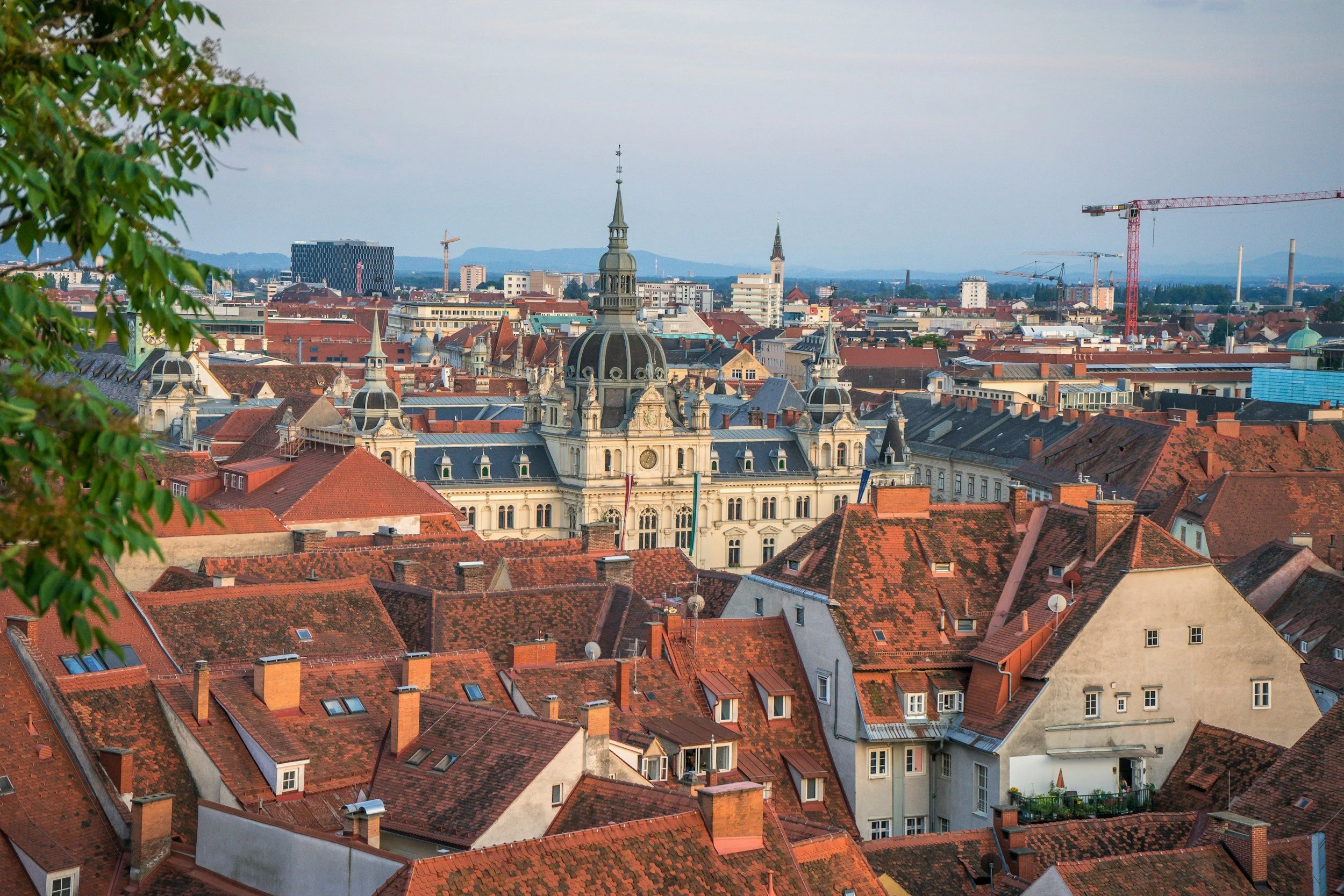
6) Graz
Graz is Austria's second-largest city and the capital of Styria, located in the southeastern part of the country. Graz was originally founded as a fortress in the 12th century, before growing to become a major trade and cultural center. Inside of the city, you can find a mix of renaissance and baroque architecture, as well as the lively feel coming from the student areas which light up in the night. It’s a great city for culture and art tourism.
Things to do:
The historic Old Town of Graz is a UNESCO site, and has many spots to check out inside. Starting with the Uhrturm (the citys clock tower). It sits on a hill which also contains Schlossberg Park, which you can walk through. Again in the Old Town, check out Hauptplatz, a historic square, and Kunsthaus, a contempory art museum. More outside the city is Schloss Eggenberg, a big 17th century palace with a garden area and unique interior. And interestingly, the worlds largest preserved historic armory, Landeszeughaus, is in Graz and you can visit it.
How to get there:
Graz Airport (GRZ) is a small airport which reaches other European cities, and may have options.
Direct trains easily come from Vienna, Salzburg and Munich every day.
FlixBus has cheaper options from many cities and towns around Europe.
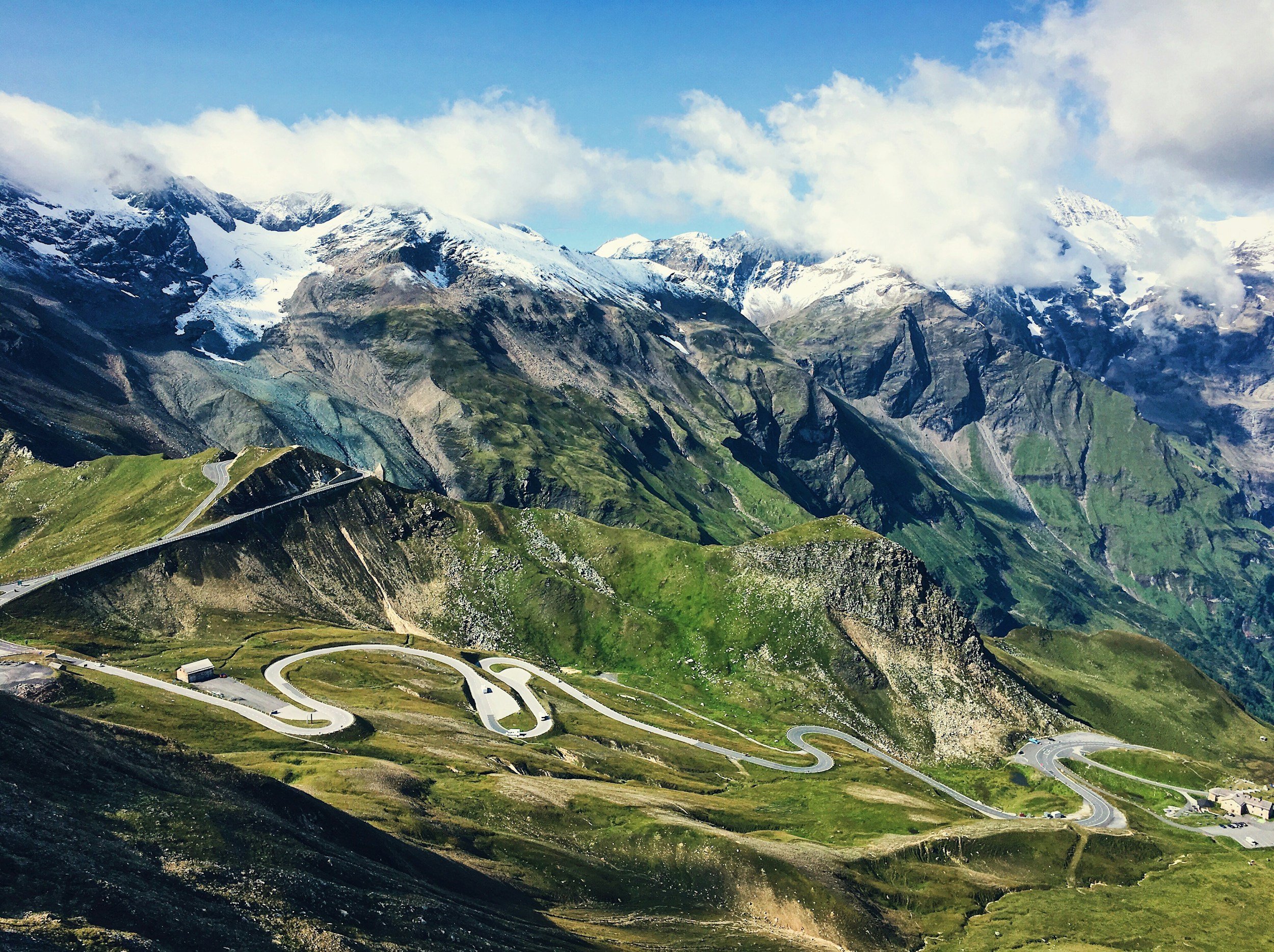
7) Grossglockner
Grossglockner is Austria's highest mountain, standing at 3,798 meters above sea level. But the main part here is the journey. The Grossglockner High Alpine Road is a major attraction, built in the 1930s as a job-creation project, offering breathtaking views of countless tall peaks, alpine meadows, and animals if you’re lucky. The whole thing is a protected area and a true experience to drive up, with beauty on literally every turn.
Where is it:
Grossglockner is located in southwestern Austria, inside Hohe Tauern National Park (Austria's largest national park).
How to get there:
You of course, need a vehicle to drive up the road itself.
Support the Site
If these guides have helped your travels, consider buying me a coffee ~ it helps keeps the content free!
buymeacoffee.com/roamingideas