The Best Places to Visit in Armenia
Armenia is 1 of the 3 Caucasus nations wedged into the mountains, and it’s actually one of the oldest countries in the entire world. The history of Armenia is so deep, yet feels so forgotten or brushed over. It was the first nation to adopt Christianity as a state religion in 301 AD. Because of this, the landscape is filled with ancient monasteries and churches, many of them perched dramatically on cliffs or surrounded by mountains. These stone structures are some of the country’s most iconic sights for everyone. Most of the country in general is built across plateaus and deep gorges, the scenery literally feels like a wild west movie sometimes. This hospitable and traditional nation is such an underrated spot and so so worth it.
Capital: Yerevan
Currency: Armenian Dram
Language: Armenian
When to visit: April to May, July to October
1) Yerevan
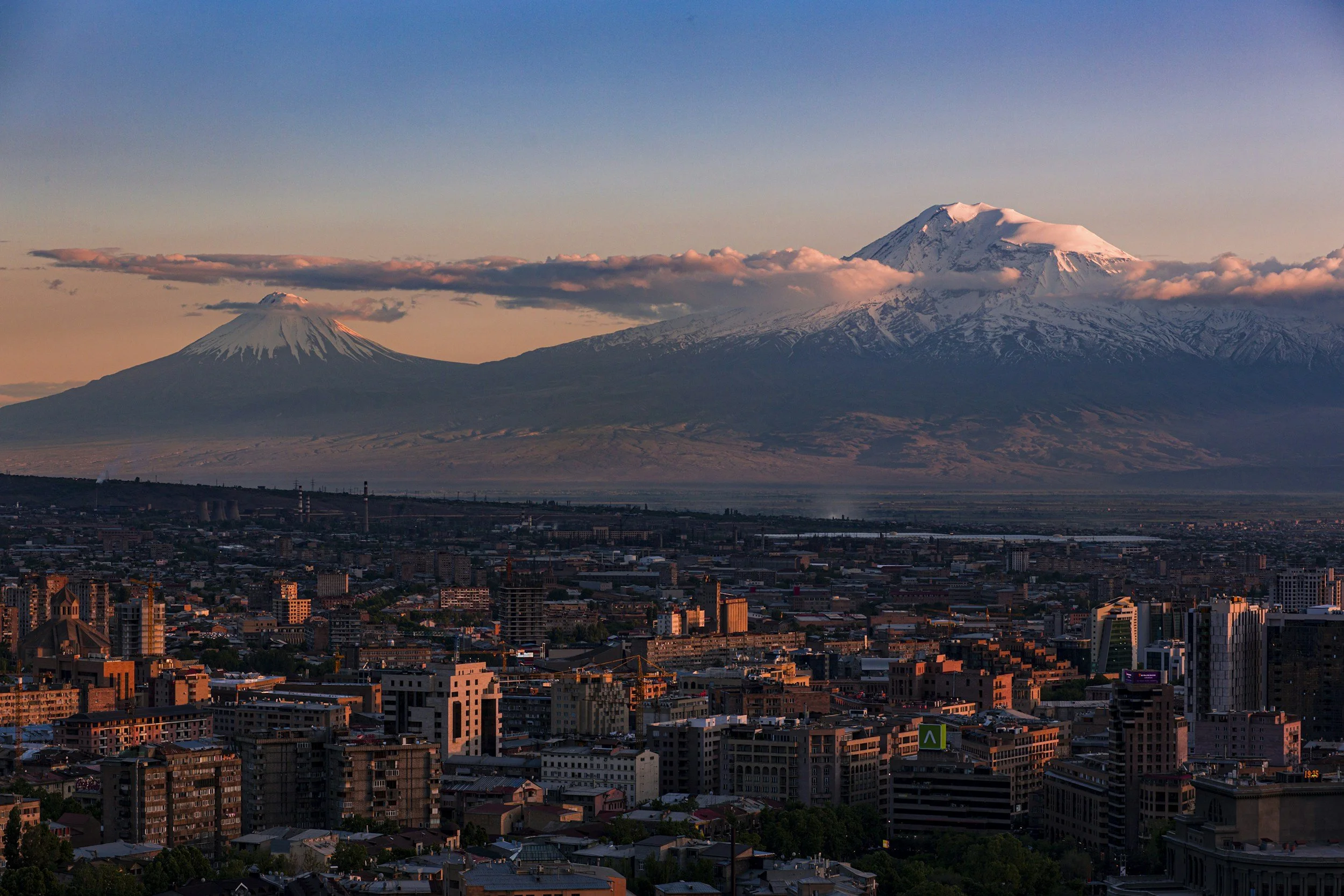
The first place we should start with is Armenia’s timeless capital city, Yerevan. It’s one of the world’s oldest continuously inhabited cities, dating back to 782 BC with that blend of ancient and Soviet style everywhere. The incredible thing about Yerevan is simply the backdrop. On clear days, you have a duo of mountain peaks rising high behind the city which really just adds to the traditional atmosphere. Yerevan is probably going to be your main base and first stop in Armenia.
Things to do:
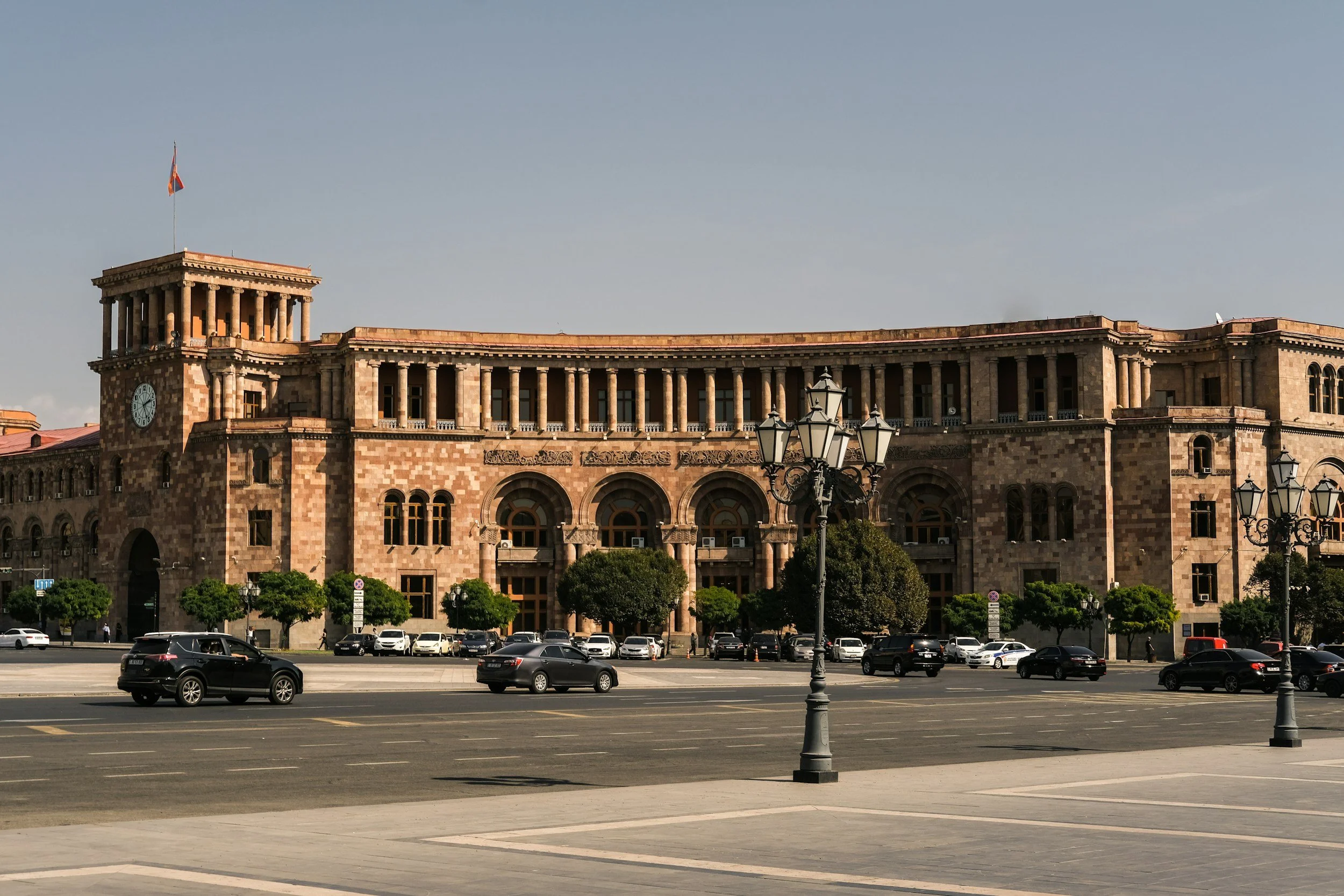
The Kentron District is the city center area of Yerevan, with the iconic Republic Square being right at the heart of it. The Government of Armenia Building is pretty awesome in its orange style, sitting right by the History Museum of Armenia and the Shahumyan Monument all surrouding the square. You can also just walk down the street to Freedom Square, which contains some important statues and the Armenian National Opera and Ballet Theatre in the middle. Just past Freedom Square is the Cascade Complex, which is essentially a massive starecase complete with monuments and views from the top - a cool sight for sure. And just walk a little further northeast and you can find Matenadaran, which is an extremely importnat site. It is one of the world’s richest repositories of ancient manuscripts, showcasing Armenia’s deep literary and religious history. Finally, far outside the city center is the Genocide Memorial, dedicated to the victims of the Armenian Genocide. The site includes a museum and an eternal flame.
How to get there:
Zvartnots International Airport (EVN) handles most of the international flight options to Armenia.
You can otherwise take a train (unreliable) or marshrutka from Tbilisi in Georgia to Yerevan.
2) Tatev
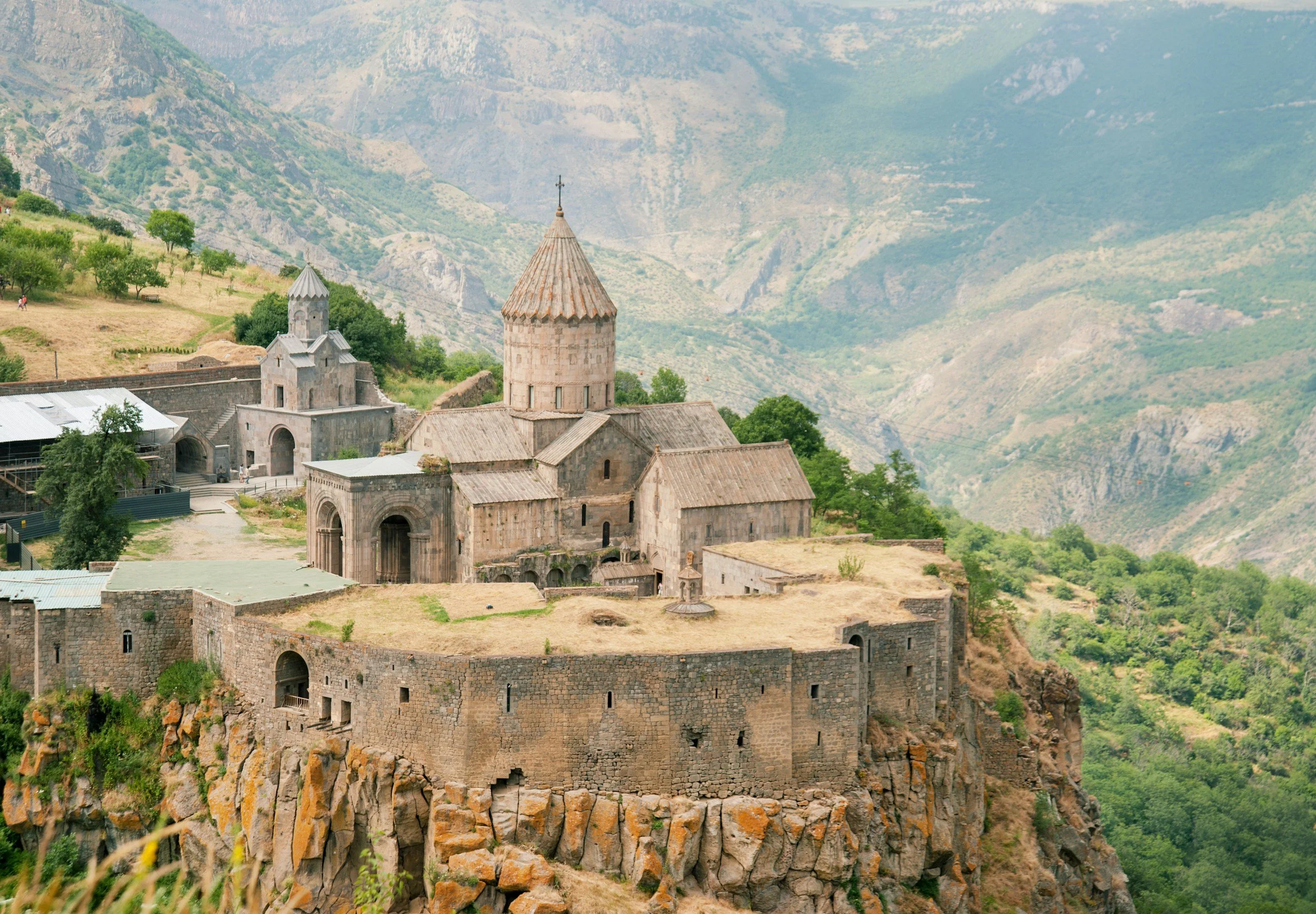
All the way down in Armenia’s southern area towards Iran is the little town of Tatev, home to the incredible sight of Tatev Monastery. The monastery is such a scenic location, surrounded by the canyon and the mountain up on a hill overlooking it all. It dates back to the 9th century and was once a major spiritual and educational center in medieval Armenia. Nowadays, it is a top attraction in Armenia.
Things to do:
The best way to visit the breathtaking Tatev Monastery is to ride what is known as the Wings of Tatev. It is the world’s longest reversible cable car, taking you over the Vorotan Gorge between Halidzor and the monastery. The ride takes about 12 minutes and has pretty epic views, and then you’ll arrive at the monastery. Explore the various churches at the monastery, and then walk up the hill for the greatest photo opportunity. Then from Tatev, hike (or get a ride) to Devil’s Bridge. It’s basically a natural bridge which has formed over years and years, and you can find stalagmites and stalactites under it, as well as some small pools or waterfalls. Lastly, Tatev Monastery isn’t the only old monastery in the area. Outside the town you can see the Great Hermitage of Tatev, which has a very interesting history. It was built in the 17th century, but then an earthquake forced the hermits to move and rebuild. It' also sits on a hill, surrounded by greenery and the cliffs.
How to get there:
Regula marshrutkas run from Yerevan to the town of Goris. From Goris, local minibuses can go to Halidzor, the village near Tatev.
3) Sevan
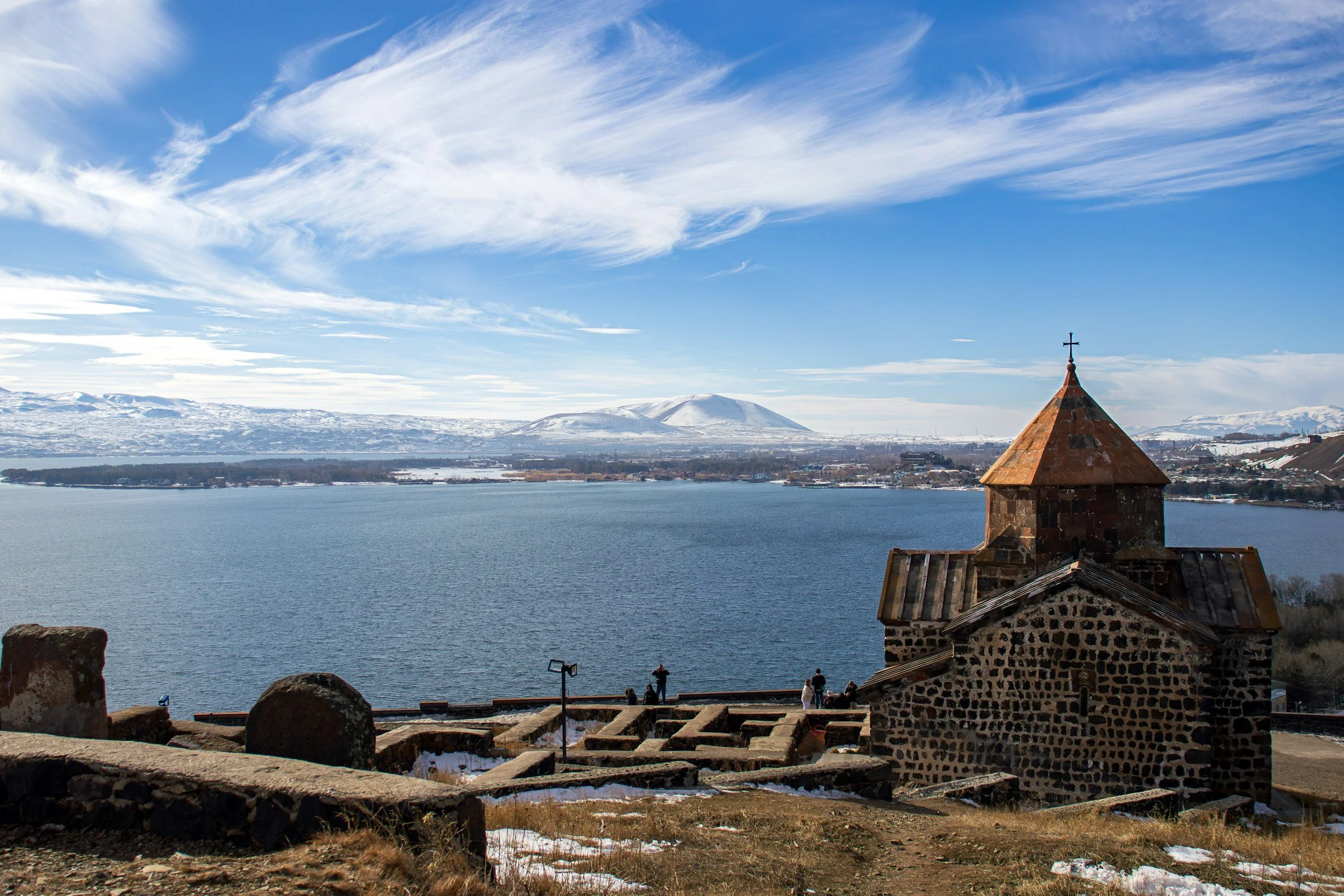
Sevan is a smaller town in the east of Armenia, sitting right on the edge of Lake Sevan, Armenia’s large blue freshwater lake surrounded by pristine beauty. Sevan is the main base for exploration around the stunning lake, and it comes alive in summer as everyone comes to swim and stay here to enjoy the water.
Things to do:
The absolute must is visiting Sevanavank Monastery. The 9th-century stone churches sit on a hilltop peninsula with amazing views over the lake. It’s only a short uphill walk from the town as well. If you want something quieter and less touristy, head to Hayravank Monastery on the western shore - It’s smaller and more peaceful. The town of Sevan has some beaches which stretch around the lake within its proximity, and it is also where you would go if you want to rent out a paddleboard or kayak, and even go out on a Boat Tour onto the waters of the lake. It’s mainly Armenia’s destination for relaxing and enjoying the sun, as opposed to exploring dramatic mountains and cultural sites.
How to get there:
You can easily take a cheap Marshrutka from Yerevan, only taking ~1.5hrs.
4) Garni
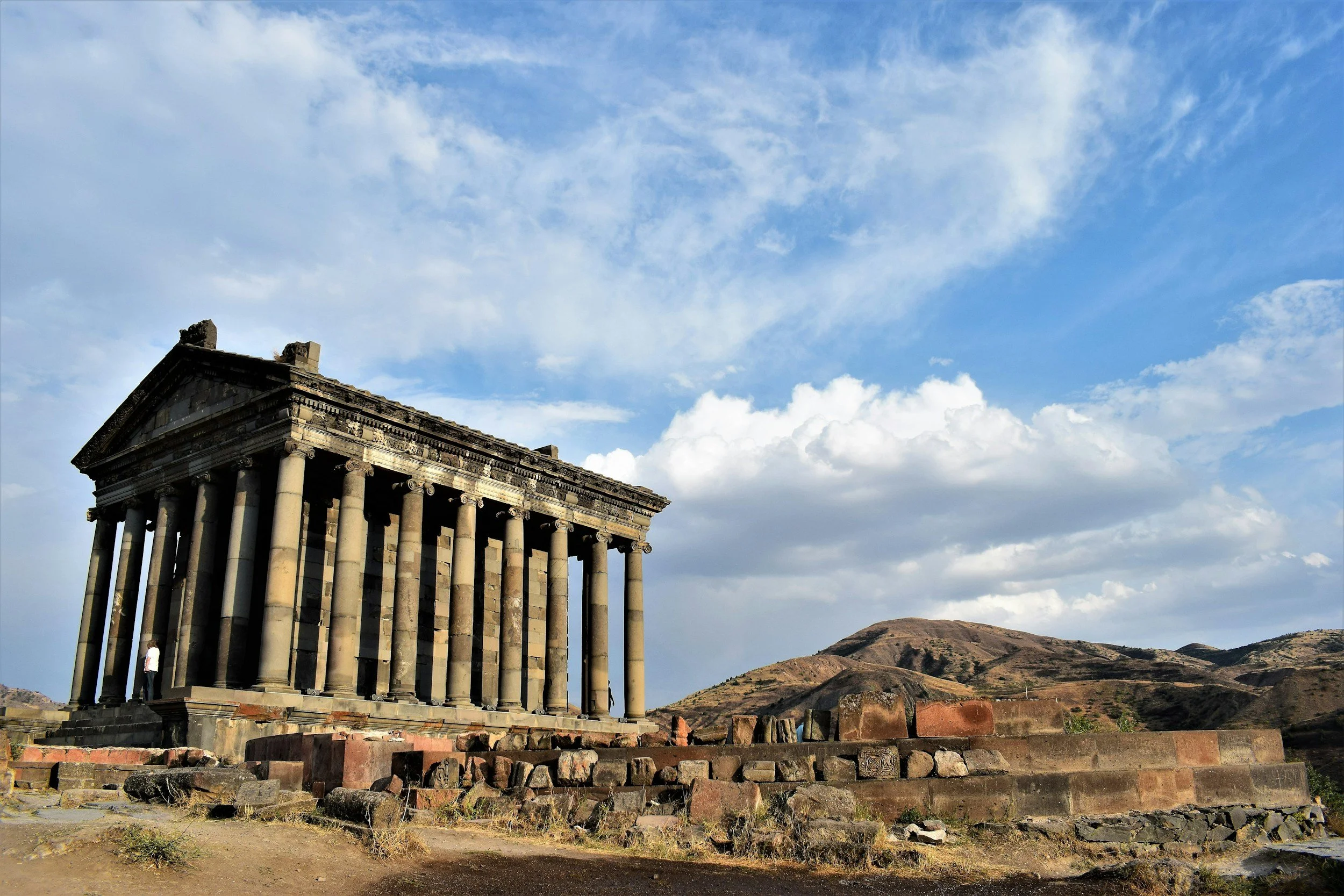
The village of Garni only sits about 30km southeast of Armenia’s capital, and it’s one of the most visited spots in the country, mainly because it’s home to Armenia’s only surviving Greco-Roman temple. Plus, there is a fascinating monastery not much farther down the road. It’s an easy and accessible day trip from Yerevan.
Things to do:
The obvious highlight is the Temple of Garni. Walk around the colonnaded structure which dates back to the 1st century, and also explore the Third Century Roman Baths next to it. After you see the incredibly well preserved temple, walk down to the Symphony of Stones in Garni Gorge. They are massive perfectly shaped basalt columns that look like organ pipes built into the canyon walls. Spend a little time exploring Garni Village, before you head to the next big sight which has to be Geghard Monastery. It’s only about a 15 minute extra drive and rivals Tatev Monastery with its views and design. It is imperative you combine Garni and the monastery if you are taking a trip out here for a day.
How to get there:
Simply take a cheap Marshrutka to Garni from Yerevan, or book a tour which combines Garni and the monastery easily for you.
5) Dilijan
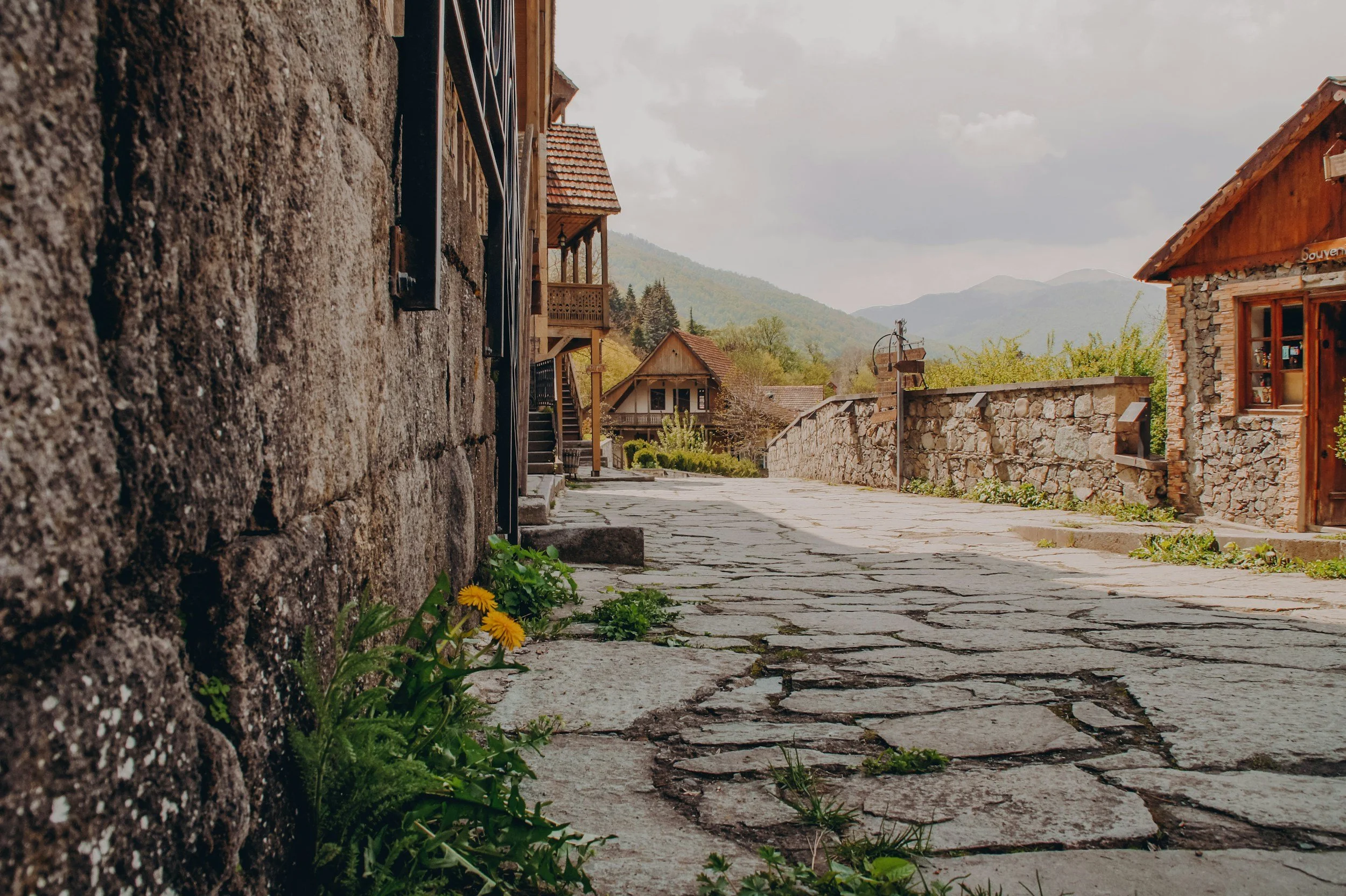
Dilijan is what they call ‘The Switzerland of Armenia,’ because it' is the best forested mountain escape you can get. Unlike the dry, open landscapes around Yerevan, Dilijan sits inside thick woodland, so it feels a lot more chill. The houses and streets have been restored so they still hold that charming old look. It’s the gateway into Dilijan National Park, which is filled with incredible monasteries and sights.
Things to do:
In the town, you should stroll along Sharambeyan Street in the Old Quarter. It’s nice to experience the village before you head out into the amazing nature spots. Deep into the forest is Haghartsin Monastery, which is definitely one of the most common places people go to here. It’s a classic Armenian monastery with a cool design, and you can take a taxi or one of the Uber variants to get here. If you actually want to hike, one of the easiest and most popular walks is to Parz Lake. It’s pretty simple and just takes you to a nice forested lake. The most scenic and relaxed thing to do in my opinion is simply hike between the different monasteries and church ruins within the forest. There is a lot of points of interest on google maps.
How to get there:
Take a Marshrutka from Yerevan to Dilijan.
Support the Site
If these guides have helped your travels, consider buying me a coffee ~ it helps keeps the content free!
buymeacoffee.com/roamingideas